
Sauces & Condiments
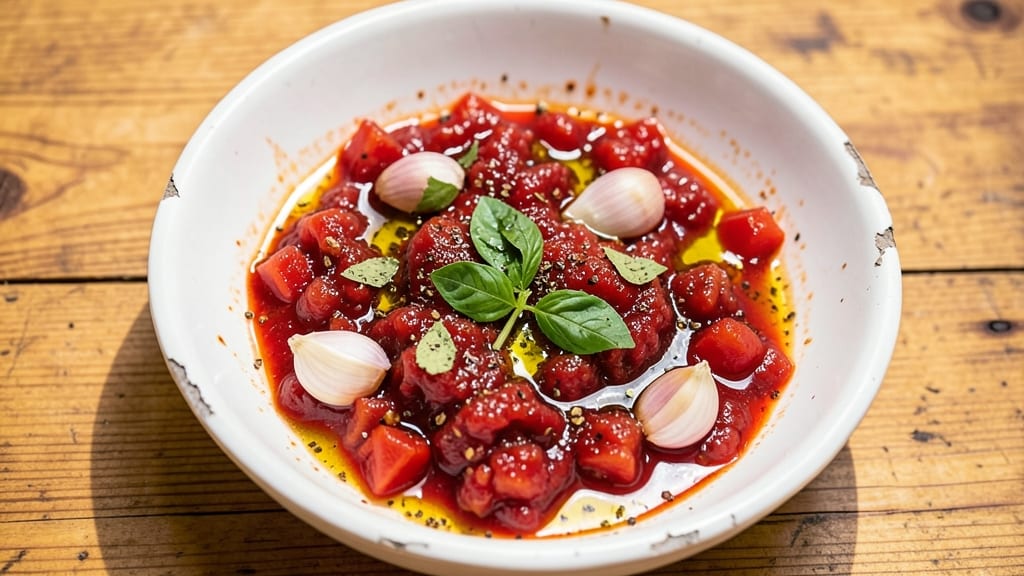
This authentic Italian pizza sauce recipe from scratch delivers the deep, slow-simmered umami that transforms homemade pizza into something restaurant-worthy. The secret lies in balancing ripe tomatoes, aromatic garlic, and fresh basil while letting the sauce develop over time—no shortcuts, no canned tomatoes, just pure, concentrated flavor.
What you'll end up with is a sauce that's rich enough to stand up to generous cheese yet bright enough to let the toppings shine through.
The process is straightforward but essential: sauté garlic in olive oil until fragrant, add crushed tomatoes and herbs, then let it simmer for 30 minutes to allow flavors to meld and deepen.
This slow cooking is what separates homemade sauce from store-bought—it builds layers of complexity that no jar can replicate. The result is a sauce with a velvety texture and a perfect balance of sweetness, acidity, and savory depth.
What makes this sauce truly authentic is the absence of sugar or artificial additives—just the natural sweetness of tomatoes and the bright, herbal notes of basil. It's the kind of sauce that improves with time, so don't rush it.
Whether you're making a classic Margherita or a loaded meat-lover's pie, this sauce will elevate every bite. The best part? It keeps well in the fridge for up to 5 days or can be frozen for months, so you can always have authentic flavor on hand.
This isn't just a sauce—it's the foundation of a great pizza. Let's get started on creating something that tastes like it came straight from a pizzeria in Naples.
Ingredients for authentic italian pizza sauce recipe from scratch
Eight simple ingredients transform into the soul of authentic Italian pizza sauce.
| Ingredient | Amount | Notes |
|---|---|---|
| San Marzano Tomato Cans 🍅 | 2 cans | Whole peeled tomatoes, crushed by hand |
| Extra-Virgin Olive Oil 🫒 | ¼ cup | For sautéing garlic, fruity variety |
| Garlic Cloves 🧄 | 6 cloves | Fresh, thinly sliced for aroma |
| Fresh Basil Leaves 🌿 | ½ cup | Packed, stems removed for brightness |
| Dried Oregano 🍃 | 1 tsp | Italian or Mediterranean blend |
| Salt 🧂 | 1 tsp | Diamond Crystal preferred |
| Black Pepper 🌶️ | ½ tsp | Freshly cracked for depth |
| Red Wine Vinegar 🍷 | 1 tbsp | For subtle acidity balance |
| Sugar 🍬 | ½ tsp | Optional, for tomato sweetness |
San Marzano tomatoes are the non-negotiable star here—their sweetness and consistency are legendary. Grab a 28-ounce can from the Italian aisle at Whole Foods or Trader Joe's for the best flavor. The garlic? Six cloves might sound like a lot, but you're building layers of flavor, not overpowering. Toast the slices in olive oil until they're golden—that's where the magic starts. Fresh basil is ideal, but dried works in a pinch (use half the amount). The olive oil matters too—avoid the cheap stuff; you want fruity, peppery notes that complement the tomatoes.
No red wine vinegar? Balsamic vinegar at half the amount works, though it'll add a sweeter note. Skip the sugar if you're using perfectly ripe tomatoes—they should be sweet enough naturally. The oregano can be swapped for dried basil at one-third the amount, but Italian oregano has that distinct earthy flavor that's key. Short on time? Crush the tomatoes by hand with your fingers—no food processor needed. The texture should be chunky, not smooth. And trust me, no sugar substitutes—this sauce relies on natural sweetness.
This sauce tastes even better the next day as flavors meld. Store in an airtight container in the fridge for up to 5 days, or freeze for up to 3 months. I like to portion it into ice cube trays—perfect for topping individual pizzas. The sauce thickens as it cools, so if it seems too thick after chilling, just add a splash of water or a pinch of sugar to balance. Leftovers? Toss them into pasta or use as a marinara for meatballs—waste not, want not.
Why You'll Love This Recipe
- No-Cook Shortcut: The San Marzano tomatoes do all the heavy lifting—just crush them by hand (or use a fork) while you sauté the garlic in olive oil. No blenders, no straining, no fuss. My lazy Sunday mornings now include pizza nights.
- Garlic-Basil Magic: That first bite of warm crust with the sauce—bright, herby, with garlic lingering just enough to make you reach for another slice—is pure Italian soul food. The basil’s freshness cuts through the tomatoes’ sweetness, and the oregano ties it all together like a secret handshake.
- Weeknight Hero: Freeze half the batch for when you’re too tired to cook. Toss it on flatbreads, drizzle over grilled chicken, or even mix into pasta for a quick dinner. I’ve fed a crowd with this sauce and still had leftovers for lunch the next day.
- Budget-Friendly Staple: A single can of San Marzano tomatoes and a handful of pantry staples stretch into meals for days. Honestly, I buy this sauce in bulk because it’s cheaper than takeout, and it never disappoints—whether I’m making pizza or just eating it straight from the jar with a spoon.
Step-by-step instructions for authentic Italian pizza sauce
Here's how to make a sauce that delivers real Italian flavor—deep, balanced, and perfect under melted cheese.
Crush the San Marzano Tomatoes by Hand
Empty the contents of the 2 cans of San Marzano tomatoes into a large bowl. Using your hands, crush each tomato individually until you have a mix of medium-sized chunks and some pulp—this texture gives the sauce body without turning it into a smooth paste. I like to leave about 20% of the tomatoes in larger chunks for authentic texture, but don't worry if yours are more uniform.
The reason we crush by hand instead of blending is that it preserves some natural texture that blends create. This texture becomes even more important as the sauce simmers and thickens. If you're short on time, you can use a potato masher for a similar effect, but hand-crushing gives you more control over the final consistency.
Sauté Garlic in Olive Oil Until Fragrant
Heat the 0.25 cup of extra-virgin olive oil in a medium saucepan over medium heat. Add the 6 cloves of thinly sliced garlic and cook for 2-3 minutes until they're golden and smell heavenly—this is where the sauce gets its authentic Italian flavor. Watch carefully so the garlic doesn't burn; it should be golden but not browned.
I use a fruity variety of olive oil here because its subtle flavors complement the tomatoes without overpowering them. Once the garlic is golden, remove the pan from heat for just a moment—we'll add the tomatoes back to the warm oil, not hot oil, to prevent cooking the tomatoes too quickly and losing their natural sweetness.
Combine and Simmer for Deep Flavor
Return the pan to medium-low heat and add the crushed tomatoes, stirring to coat everything in the garlic-infused oil. Let the mixture simmer uncovered for 20-25 minutes, stirring occasionally. This slow cooking allows the natural sugars in the tomatoes to caramelize, developing that rich, umami flavor that stands up to cheese.
During this time, you'll notice the sauce darkening slightly and reducing in volume. This is normal and actually enhances the flavor. You want it to thicken enough to coat the back of a spoon but still be loose enough to spread easily on pizza dough. If it thickens too much before the 20 minutes are up, just add a splash of water to loosen it.
Season with Italian Herbs and Balance Flavors
After the initial simmer, stir in the 1 tsp of dried oregano, 1 tsp of salt, 0.5 tsp of black pepper, 1 tbsp of red wine vinegar, and the 0.5 tsp of sugar (if using). The vinegar adds a subtle acidity that brightens the tomatoes, while the sugar helps balance any tartness. Let the sauce simmer for another 5 minutes to let all the flavors meld together.
Here's the thing—Italian pizza sauce should taste good on its own, not just under cheese. Taste it now and adjust the seasoning if needed. You might want to add a pinch more salt or a splash more vinegar. The sauce should be tangy, slightly sweet, and full of herbaceous notes—not too sweet, not too acidic, just perfectly balanced.
Finish with Fresh Basil and Cool
Remove the pan from heat and stir in the 0.5 cup of fresh basil leaves. The basil adds a bright, fresh finish that cuts through the richness of the tomatoes. Let the sauce cool slightly—it will thicken more as it cools, so don't worry if it looks a bit loose while warm. Once cooled, it should be thick enough to hold its shape on a spoon but still spreadable.
This sauce keeps well in the refrigerator for up to 5 days, so you can make it ahead of time. When using it on pizza, let it come to room temperature first—cold sauce won't spread properly on the dough. The authentic Italian flavor comes from the slow simmering and the balance of sweet, tangy, and herby notes, making it perfect for any pizza you'll make.
Pro Tips For Making Authentic Italian Pizza Sauce Recipe From Scratch
- CRUSH THE GARLIC: DESCRIPTION: Use a garlic press—but only lightly crush the cloves first with the flat side of your knife. Whole cloves burn fast; smashed ones release flavor evenly. I learned this the hard way when my sauce turned bitter from overcooked garlic.
- SIMMER LOW AND SLOW: DESCRIPTION: Reduce the heat to the lowest setting after the sauce starts bubbling. A gentle simmer (5-10 minutes) thickens the sauce without scorching the tomatoes. Skipping this step means a watery, dull sauce—no one wants that.
- SALT THE TOMATOES: DESCRIPTION: Sprinkle a pinch of salt directly into the canned San Marzano tomatoes before crushing them. It draws out excess liquid and balances acidity. My grandmother swore by this, and she was right—it makes a real difference in texture and flavor.
- FINISH WITH BASIL LATE: DESCRIPTION: Tear fresh basil leaves and add them only in the last 2 minutes of cooking. Heat kills basil’s bright flavor, so this keeps it vibrant. If you’re impatient, at least add the leaves after removing the sauce from heat—better than nothing.
Troubleshooting this recipe
Garlic Burns Quickly
Watch those garlic cloves like a hawk—they can go from golden perfection to bitter char in under 30 seconds. I’ve ruined batches by walking away for just a minute. Keep the heat at medium and stir constantly once you add the garlic.
If it starts to darken, immediately remove the pan from heat and let it cool for 30 seconds before proceeding. The aroma should be intoxicating, not smoky. 🧄
Sauce Too Thin?
If your sauce ends up too thin after simmering, don’t panic—it’ll thicken as it cools. But if it’s still too loose for your liking, simmer it uncovered for an extra 10-15 minutes on low heat.
Alternatively, mix 1 tbsp cornstarch with 2 tbsp water, stir it into the sauce, and let it cook for 2-3 minutes until it thickens. Just avoid over-thickening, or it’ll turn gluey when reheated.
Tomatoes Too Tart?
If your San Marzano tomatoes taste overly acidic, balance them with the ½ tsp sugar (or a pinch more) and let the sauce simmer longer—up to 45 minutes total. The longer it cooks, the more the natural sweetness emerges.
A splash of red wine vinegar (up to 1 tbsp) can also brighten the flavor without overpowering it. Taste as you go—authentic Italian sauce should be tangy but never sour.
Basil Loses Brightness
Fresh basil wilts quickly when added to hot sauce. To preserve its vibrant flavor, stir it in only at the very end when the sauce is off the heat. If you’re prepping ahead, add the basil just before serving.
For extra brightness, pulse ¼ cup fresh basil in a food processor with 1 tbsp olive oil, then stir it into the warm sauce. This creates a basil-infused oil that keeps the herb’s flavor intact. 🌿
Sauce Separates or Splits
If your sauce splits (oil and water separate), it’s usually from overcooking or adding cold tomatoes to hot oil. To fix it, whisk in 1 tbsp tomato paste or a splash of lemon juice while stirring vigorously.
For prevention, always add tomatoes to warm (not hot) garlic oil. Simmer gently and avoid boiling—keep the heat at medium-low to prevent separation. A splash of water or broth can also help re-emulsify the sauce.
Fridge Storage Issues
If your sauce develops a skin or mold after refrigerating, it’s likely from condensation or improper sealing. Always cool the sauce completely before transferring to an airtight container, leaving ½ inch of headspace. Press plastic wrap directly on the surface to prevent a skin from forming.
For long-term storage, freeze in ice cube trays—thaw a cube at a time to avoid waste. If mold appears, toss it—never risk it with homemade sauce. ❄️
Nutrition facts
Frequently asked questions
Why do you use San Marzano tomatoes specifically?
San Marzano tomatoes are the gold standard for Italian pizza sauce because their sweet, low-acid profile creates a perfectly balanced flavor. They're grown in the volcanic soil of Italy's San Marzano valley, which gives them a natural sweetness and thick, meaty texture that holds up beautifully during simmering. Regular canned tomatoes can taste watery or overly acidic by comparison.
Can I make this sauce without fresh basil?
Yes! If you don't have fresh basil, use 1 tbsp dried basil (or ½ tsp basil oil) as a substitute. For extra depth, add ¼ tsp red pepper flakes to mimic basil's brightness. The key is balancing the herbs—Italian oregano adds earthiness that complements the tomatoes beautifully. Just remember, fresh basil gives that signature bright Italian flavor that dried can't fully replicate.
How do I adjust the thickness for different pizza styles?
For a classic Neapolitan pizza, use the sauce as-is—it should be thick enough to coat the back of a spoon but still spreadable. For New York-style thin crust, thin it slightly with 1-2 tbsp water before using. If making a deep-dish pizza, simmer the sauce uncovered for an extra 10 minutes to concentrate the flavors and thicken it further. The sauce will naturally thicken more as it cools, so adjust while warm.
What's the best way to store leftover sauce?
Transfer the cooled sauce to an airtight container and refrigerate for up to 5 days. For longer storage, freeze in ice cube trays or small portions—this makes it easy to thaw just what you need. When reheating, warm gently on the stove or microwave until steaming hot. The sauce actually improves with time as flavors meld, so don't hesitate to make extra batches!
Can I make this sauce without vinegar?
You can omit the vinegar, but it serves an important purpose—it brightens the tomatoes and balances their natural acidity. For a substitute, try ½ tsp lemon juice or a pinch of citric acid. If you skip it entirely, your sauce might taste slightly flatter, though still delicious. The sugar in the recipe helps compensate by enhancing the tomatoes' natural sweetness.