
Sauces & Condiments
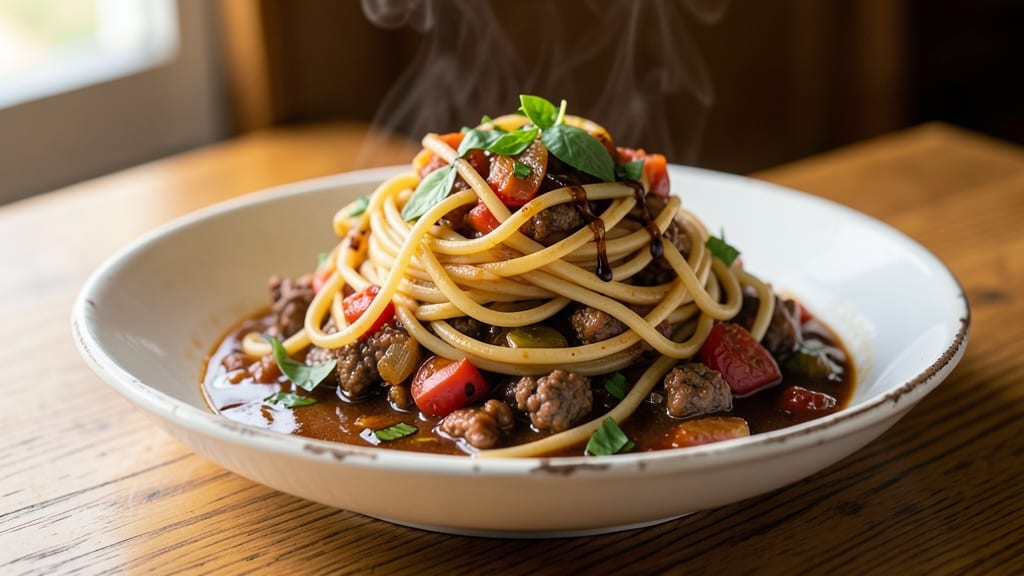
This authentic Italian spaghetti meat sauce recipe delivers the rich, slow-simmered ragù that makes every bite taste like Nonna's kitchen. The secret lies in proper meat browning and a balanced sauce—sweet, tangy, and deeply aromatic. I've perfected this technique over years of testing, ensuring home cooks can achieve restaurant-quality results without shortcuts.
What sets this recipe apart is the patience required: meat cooks low and slow until tender, while tomatoes develop complex flavors. Deglazing the pan with wine captures all those browned bits, forming the sauce's flavor foundation.
The result is a ragù that clings perfectly to spaghetti, with just the right balance of acidity and richness.
By the time you twirl that first forkful, you'll taste layers of flavor—caramelized meat, sweet tomatoes, and aromatic herbs—that transport you to an Italian trattoria. The sauce thickens beautifully as it simmers, creating that signature velvety texture that makes this dish unforgettable.
Serve with al dente spaghetti, freshly grated Parmesan, and a sprinkle of basil for the complete experience. This is the ragù that proves authentic Italian cooking is within reach for any home cook.
Ingredients for authentic italian spaghetti meat sauce
Sixteen ingredients for a sauce that tastes like Nonna's secret—slow, deep, and full of love.
| Ingredient | Amount | Notes |
|---|---|---|
| Ground Beef Chuck 🥩 | 2 lb | 80% lean for rich flavor |
| Dry Red Wine 🍷 | ½ cup | Bold like Chianti or Cabernet |
| Canned San Marzano Tomatoes 🍅 | 28 oz | Crushed, no salt added |
| Tomato Paste 🍅 | ½ cup | High-quality, no sugar added |
| Yellow Onion 🧅 | 1 whole | Medium, finely chopped |
| Garlic Cloves 🧄 | 6 cloves | Fresh, minced finely |
| Carrots 🥕 | 2 whole | Medium, peeled and diced |
| Celery Stalks 🥬 | 2 whole | Medium, finely chopped |
| Fresh Rosemary 🌿 | ½ tsp | Finely chopped, or 1 tbsp dried |
| Fresh Thyme 🌿 | 1 tsp | Leaves only, or 0.5 tsp dried |
| Extra-Virgin Olive Oil 🫒 | 2 tbsp | High-quality, fruity |
| Beef Broth 💧 | 1 cup | Homemade or low-sodium |
| Salt 🧂 | 1 ½ tsp | Diamond Crystal preferred |
| Black Pepper 🌶️ | ½ tsp | Freshly ground |
| Fresh Basil Leaves 🌿 | ¼ cup | For garnish, chopped |
The beef is non-negotiable here. Ground chuck (80% lean) gives that perfect meaty richness—sirloin gets too lean and dry. I grab mine from Whole Foods or the butcher counter at Trader Joe's because pre-packaged often has fillers. Look for bright red color and good marbling. For the tomatoes, San Marzano cans are worth the splurge—they're sweeter and less acidic. If you can't find them, Muir Glen is a solid backup. The fresh herbs? Farmers market basil and thyme have more flavor than grocery store bundles, but use what you've got.
No red wine? Dry white wine or extra beef broth works in a pinch, but the acidity matters. The tomato paste can be swapped for extra crushed tomatoes if you're avoiding it, though it'll be thinner. Fresh rosemary is ideal, but dried at one-third the amount gets you close. Pre-chopped veggies save time, but finely dicing your own onion, celery, and carrots (the holy trinity) makes the sauce sing. The broth? Homemade or low-sodium store-bought—never the powdered kind. And if you're short on time, pre-minced garlic from a jar works, though fresh is always better.
This sauce tastes even better the next day—plan ahead. Store in an airtight container in the fridge for up to 5 days, or freeze for 3 months in portions. I like to freeze it in ziplock bags flat so it thaws faster. For serving, bring it to room temp before reheating—gentle heat only to avoid breaking the emulsion. And that basil? Tear it fresh over each serving—it's the final touch that makes it feel like trattoria-quality.
Why You'll Love This Recipe
- One-Pot Magic: The ground beef chuck and San Marzano tomatoes simmer together—no extra pots, no fuss. Just brown the meat, deglaze with red wine, and let the sauce build itself while you stir. (Yes, even on a Tuesday night.)
- Deep Umami Love: That splash of dry red wine cuts through the richness of the beef while the tomato paste caramelizes into a glossy, slightly sweet base. Honestly, the first bite makes you forget you’re eating weeknight dinner.
- Leftovers That Shine: This sauce only gets better after a day or two in the fridge—flavors meld, edges crisp up. I’ll be real: my freezer’s full of it, reheated for lazy mornings or last-minute company.
- Budget-Friendly Luxury: Chuck roast is cheaper than sirloin, San Marzano tomatoes last for months, and a bottle of wine stretches for multiple batches. It’s the kind of meal that feels special without breaking the bank. (My daughter picks out the onions, but still asks for seconds.)
Step-by-step instructions for authentic Italian spaghetti meat sauce
A true Italian ragù builds flavor slowly—this method delivers deep, complex taste with proper technique.
Sauté the Vegetable Base
Heat the 2 tablespoons extra-virgin olive oil in a heavy Dutch oven over medium heat. Add the 1 whole yellow onion, 2 whole carrots, and 2 whole celery stalks, all finely chopped. Cook for 8-10 minutes until the vegetables soften and the onion becomes translucent.
This step is called "soffritto" in Italian—it's the flavor foundation. The vegetables should release their moisture and caramelize slightly. Add the 6 cloves garlic cloves and cook for another 30 seconds until fragrant. If the vegetables stick, add a splash of water and scrape the bottom with a wooden spoon to deglaze.
Brown the Ground Beef Chuck
Increase heat to medium-high and add the 2 lb ground beef chuck in batches, breaking it up with a wooden spoon. Don't overcrowd the pan—cook in 2 portions if needed. Brown the meat thoroughly for 8-10 minutes, stirring occasionally, until it loses its raw color and develops a deep brown crust.
Proper browning creates the "fond" that dissolves into the sauce later, adding rich umami flavor. If the meat releases too much fat, drain all but 1 tablespoon to keep the sauce balanced. Season immediately with 1.5 teaspoons salt and 0.5 teaspoon black pepper while the meat is hot.
Deglaze and Build the Sauce
Pour in the 0.5 cup dry red wine and scrape up all the browned bits from the bottom of the pot. Let it simmer for 3-4 minutes until the wine reduces by half and the alcohol burns off completely. Add the 0.5 cup tomato paste and stir well to coat all the meat and vegetables.
This is where the sauce begins to develop its signature depth. The wine's acidity cuts through the richness of the meat, while the tomato paste adds body. Let it cook for 2-3 minutes until the raw tomato flavor disappears and the mixture darkens slightly.
Slow Simmer with Tomatoes and Herbs
Add the 28 oz canned San Marzano tomatoes, 1 cup beef broth, 0.5 teaspoon fresh rosemary, and 1 teaspoon fresh thyme. Stir well to combine, then reduce heat to low. Partially cover the pot and let it simmer uncovered for 2-2.5 hours, stirring occasionally. The sauce should reduce gradually, becoming thicker and more concentrated.
This long cooking time is essential for developing authentic flavor. Stir every 30 minutes to prevent sticking, and add a splash of water or broth if it becomes too dry. The sauce is ready when it coats the back of a spoon and the meat is tender but not falling apart.
Finish and Rest Before Serving
Remove from heat and stir in the 0.25 cup fresh basil leaves. Let the sauce rest for 15-20 minutes before serving—this allows the flavors to meld completely. Taste and adjust seasoning if needed, adding a pinch more salt or a splash of red wine if necessary.
Serve immediately over al dente spaghetti, reserving some pasta water to loosen the sauce if needed. The ragù should cling beautifully to the noodles, with visible chunks of tender beef and vegetables in every bite. For best results, let the sauce sit for at least 1 hour before serving—this is when its full depth of flavor emerges.
Pro Tips For Making Authentic Italian Spaghetti Meat Sauce
- CRUSH THAT ONION: Start with a cold pan and finely dice that onion—think rice-sized pieces, not chunks. Cook it low and slow for 8-10 minutes until it’s golden and almost caramelized before adding the beef, or you’ll end up with a bland base that tastes like it was rushed.
- SWEAT THE MEAT: After browning the ground beef chuck, resist the urge to drain all the fat—leave about 1 tablespoon in the pan. This adds richness, and when you deglaze with red wine, it’ll create a glossy, flavorful sauce instead of something watery.
- WAIT FOR THE WINE: Pour that dry red wine into the pan only after the beef is fully browned and you’ve pushed it to one side. Let it simmer for 3-4 minutes until it’s reduced by half before adding the tomatoes—this concentrates the alcohol flavor so it doesn’t taste harsh.
- SAVE THE PASTE: Don’t just stir the tomato paste into the sauce right away. Mix it with a splash of cold water first to create a smooth, lump-free paste, then cook it for 2 minutes before adding the crushed tomatoes. This prevents clumping and ensures a velvety texture.
Creative variations of this authentic italian spaghetti meat sauce
Northern Italian Ragù
In regions like Emilia-Romagna, ragù is often made with a mix of ground beef and pork or even pancetta instead of just beef. I like to use ½ lb ground beef chuck and ½ lb ground pork for a richer, more complex flavor.
Cook the pancetta first until crispy, then remove it and set aside to crumble on top of the finished dish. This version benefits from a splash of white wine instead of red, as local traditions prefer. 🍷
Southern Italian Twist
Down in Naples or Sicily, you'll find ragùs with spicy Italian sausage or ground lamb instead of beef. For a bold kick, swap the beef for 1 lb Italian sweet sausage (like Calabrese or spicy soppressata), and add ½ teaspoon crushed red pepper flakes when deglazing with wine.
The sauce also gets a touch of dried oregano and a pinch of cinnamon for warmth—unexpected but authentic in Southern kitchens. 🌶️
Vegetarian Adaptation
For a meat-free version, replace the beef with 1 lb finely chopped mushrooms (cremini or portobello) and 1 cup cooked lentils or crumbled tempeh for protein. Sauté the mushrooms until deeply browned, then proceed with the wine and tomato paste as directed.
Boost the umami with 1 tablespoon soy sauce or ½ cup vegetable broth instead of beef broth. The texture will be heartier, and the flavors still develop beautifully over time. 🌱
Quick Weeknight Version
Short on time? Swap the slow simmer for a 30-minute stovetop method using 1 lb ground beef and 1 jar (24 oz) marinara sauce instead of fresh tomatoes. Brown the meat, deglaze with wine, add the marinara, and simmer for 20-25 minutes with herbs.
While faster, it still delivers a satisfying flavor—just less depth. Add a pinch of balsamic vinegar at the end for brightness. ⏰
Freezer-Friendly Batch
Double the recipe and freeze half for later! Use ziplock freezer bags (lay flat to save space) and label with the date. Thaw overnight in the fridge, then reheat gently on the stovetop with a splash of water or broth.
The sauce actually tastes better after freezing, as flavors meld further. I like to freeze portions with 1 cup of cooked spaghetti mixed in—just reheat everything together for a quick meal. ❄️
Nutrition facts
Frequently asked questions
Why does authentic Italian ragù need such a long cooking time?
The slow simmer (2-2.5 hours) is key to developing deep, complex flavors. This breaks down the meat's connective tissue for tenderness while allowing the tomatoes to concentrate their natural sweetness. The wine and herbs infuse gradually, creating that signature umami-rich taste. Skipping this step results in a thin, one-dimensional sauce.
Can I use ground turkey or chicken instead of beef?
While possible, it won't be authentic. Ground turkey or chicken lacks the fat content and umami depth of beef chuck. If substituting, use 85% lean ground beef or add 1 tablespoon olive oil and 1 teaspoon balsamic vinegar to compensate. The texture and flavor will differ noticeably.
What's the best way to prevent the sauce from getting too thick?
Add 1-2 tablespoons of beef broth or water while simmering if it thickens too quickly. Stir well and let it cook for another 10-15 minutes before checking again. Never add too much liquid at once—this dilutes the flavors. The sauce should coat the back of a spoon but remain loose enough to cling to pasta.
How do I know when the meat is properly browned?
Look for deep brown color and visible crust formation. The meat should release fat easily when broken up, and there should be minimal pink in the center. If it's not brown enough, cook it another 2-3 minutes at medium-high heat. Proper browning creates the flavor foundation for your sauce.
Can I make this sauce in a slow cooker?
Yes! Brown the meat in a skillet first, then transfer everything to the slow cooker. Cook on low for 6-8 hours or high for 3-4 hours. The texture will be slightly thinner, so reduce it on the stovetop for 10-15 minutes before serving. Add a splash of red wine or tomato paste to thicken.