
Sauces & Condiments
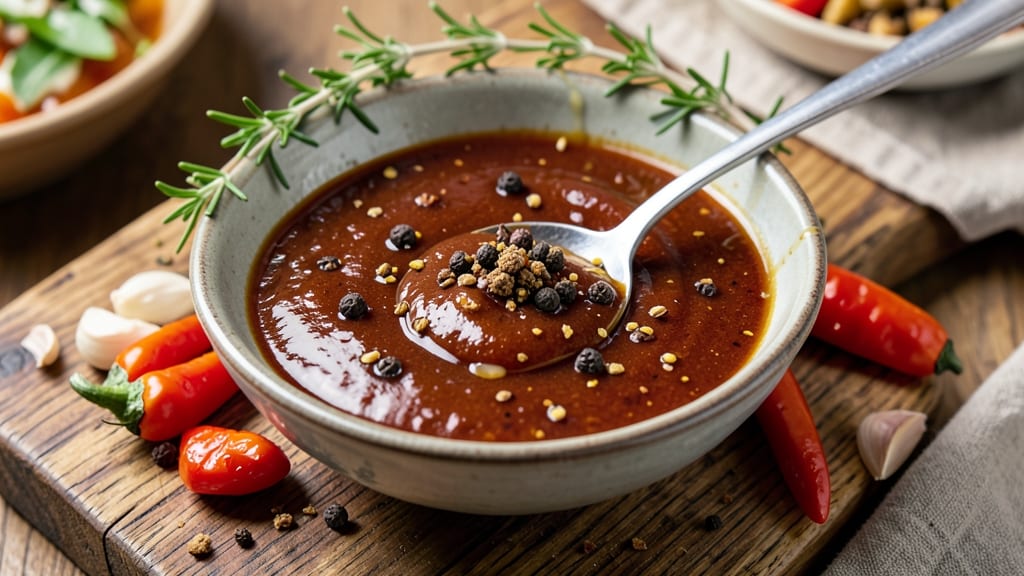
This authentic jerk BBQ sauce recipe captures Jamaica's fiery spirit in every tangy, aromatic drop—just like my first taste of real island pitmaster sauce at a Kingston cookout. The secret lies in balancing allspice, Scotch bonnet, and brown sugar to create that signature sweet-heat harmony that makes ribs and chicken unforgettable. I've perfected this sauce over years of testing, ensuring the right simmer time develops deep, complex flavors without burning the spices.
The magic happens when you toast whole spices in hot oil until fragrant, then reduce a blend of tomato paste, vinegar, and brown sugar into a thick, glossy paste.
This isn't just another spicy sauce—it's a layered flavor experience where the heat builds gradually, the sweetness caramelizes, and the allspice lingers like a warm breeze off the Caribbean coast. The sauce keeps beautifully in the fridge for up to 2 weeks, so you'll want to make a double batch.
What makes this sauce truly authentic is the careful balance of ingredients—too much vinegar and it's harsh, too little sugar and the heat dominates. I'll show you exactly how to adjust the Scotch bonnet heat to your preference while maintaining that perfect sweet-spicy-tangy profile.
Trust me, once you taste the difference between this and store-bought versions, you'll never go back to the bottle.
This sauce transforms grilled meats into restaurant-quality masterpieces, but it's also fantastic for marinades, dipping sauces, or even drizzling over roasted vegetables. The instructions walk you through every step to ensure you get that perfect glossy, thick consistency that clings beautifully to food.
Let's get started on making sauce that sings with Jamaican fire.
Ingredients for authentic jerk bbq sauce
These fiery, aromatic ingredients create Jamaican pitmaster sauce with perfect sweet-heat harmony.
| Ingredient | Amount | Notes |
|---|---|---|
| Scotch Bonnet Peppers 🌶️ | 2 whole | Seeds removed for medium heat |
| Allspice Berries 🌿 | 2 tbsp | Whole berries, lightly crushed |
| Brown Sugar 🍚 | ¾ cup | Packed light brown sugar |
| White Vinegar 💧 | ½ cup | White or apple cider vinegar |
| Tomato Paste 🍅 | ½ cup | San Marzano preferred |
| Garlic Cloves 🧄 | 6 cloves | Fresh, minced or crushed |
| Thyme Leaves 🌿 | 1 tbsp | Fresh, finely chopped |
| Scallions 🧅 | 3 whole | Green parts only, chopped |
| Ground Ginger 🌿 | 1 tsp | Freshly grated preferred |
| Extra-Virgin Olive Oil 🫒 | ¼ cup | For toasting spices |
| Salt 🧂 | 1 ½ tsp | Diamond Crystal preferred |
| Black Peppercorns 🌶️ | ½ tsp | Freshly cracked |
| Cinnamon Stick 🌿 | 1 whole | Optional, for depth |
| Water 💧 | ½ cup | For thinning if needed |
The Scotch bonnet peppers are non-negotiable for authentic heat—Caribbean markets or specialty stores carry them fresh year-round. If you can't find them, habanero peppers work as a substitute, but reduce to 1 whole pepper for milder heat. Toast those whole allspice berries in the olive oil until fragrant—this unlocks their deep, complex aroma. Penzeys Spices sells whole allspice berries if you want to splurge, but the bulk bins at Whole Foods are perfectly fine for regular use. The brown sugar should be packed light—don't tamp it down, or you'll end up with a grainy sauce. For the tomato paste, San Marzano is worth the investment if you're making this often—its sweetness and smooth texture make all the difference.
No Scotch bonnet? Habanero peppers are your next best bet, but cut the amount to 1 whole pepper for milder heat. Running out of allspice? Nutmeg at half the amount gives a similar warmth, though not the same complexity. Fresh thyme is ideal, but dried thyme at one-third the amount works in a pinch. The ginger can be fresh or ground—if using fresh, grate it yourself for maximum punch. For the vinegar, apple cider vinegar adds subtle fruitiness, while white vinegar keeps things classic. The sauce should be thick and glossy—if it's too stiff, add water 1 tablespoon at a time. Making this for a crowd? Double the batch, but use a larger pot to prevent boiling over.
This sauce keeps beautifully in the fridge for up to 2 weeks, with flavors deepening over time. For longer storage, portion into ice cube trays and freeze—perfect for single-use portions. The sauce reheats beautifully, so don't hesitate to make extra. If you notice any separation after refrigeration, just give it a good stir before using. For restaurant-quality results, let the sauce sit at room temperature for 10 minutes before serving—this allows all those toasted spices to really sing. Trust me, the first time you use this on grilled chicken or ribs, you'll understand why Jamaican pitmasters guard their sauce recipes like state secrets.
Why You'll Love This Recipe
- No-Fuss Simmer: I swear, this sauce takes less effort than waiting for takeout. Just toss the Scotch bonnet (carefully!) and allspice into a pot with vinegar and sugar, let it bubble for 20 minutes, then blend—no fancy techniques, no stress.
- Fiery-Sweet Magic: That first hit of Scotch bonnet heat followed by the deep, smoky allspice? It’s the kind of flavor that makes you pause mid-bite. The brown sugar caramelizes into the tomato paste, giving it this sticky, complex richness that’s dangerously addictive.
- Weeknight to Party Hero: Slather it on grilled chicken for a Tuesday dinner or use it as a marinade for weekend BBQ—same sauce, endless possibilities. I’ve even drizzled it over roasted sweet potatoes for a crowd-pleasing side that costs next to nothing.
- Makes a Batch, Use for Days: Honestly, I always double the recipe. The vinegar keeps it fresh for weeks in the fridge, and it freezes like a dream. That means less chopping, more flavor, and zero wasted ingredients when you’re short on time.
Step-by-step instructions for Jamaican jerk BBQ sauce
Transform bold Jamaican flavors into a fiery, aromatic sauce that brings authentic island heat to every dish.
Toast the Spices for Maximum Flavor
Heat the 0.25 cup extra-virgin olive oil in a medium saucepan over medium-low heat. Add the 2 tbsp lightly crushed allspice berries, 6 cloves minced garlic, 1 tbsp finely chopped thyme leaves, 1 whole cinnamon stick, 1 tsp ground ginger, and 0.5 tsp freshly cracked black peppercorns. Let them toast for 3-4 minutes, stirring constantly, until fragrant and the spices release their essential oils.
Here's the thing—this step unlocks the sauce's depth. The spices should smell like a Jamaican market: warm, earthy, and slightly smoky. If they darken too quickly, reduce the heat immediately. Once they're aromatic, remove the pan from heat and let the spices steep for 5 minutes to infuse the oil fully.
Blend the Scotch Bonnet Peppers
While the spices cool, carefully remove the seeds from the 2 whole Scotch Bonnet peppers (wear gloves—this pepper packs serious heat!). Pulse them in a food processor until you achieve a smooth, fiery puree. You want the texture to be silky, not chunky—this ensures even distribution of heat throughout the sauce.
I press down on the peppers with a rubber spatula while processing to break them down completely. The goal is to capture every drop of that signature Jamaican fire without overwhelming the other flavors. Set the puree aside—it's the heart of your sauce.
Build the Sauce Base
Return the toasted spices to the saucepan and increase heat to medium. Add the 0.5 cup tomato paste and stir to combine, letting it cook for 2 minutes until it darkens slightly and releases its rich, umami depth. Then, pour in the 0.5 cup white vinegar and 0.75 cup packed brown sugar, stirring constantly to dissolve the sugar completely.
Bring the mixture to a gentle simmer, then reduce heat to low. This is where the magic happens—the acidity of the vinegar will begin to break down the sugar, creating a beautiful caramelized foundation. Let it cook for 8-10 minutes, stirring occasionally, until it thickens into a glossy, syrupy consistency. You're aiming for something between a thick glaze and a loose paste—it should coat the back of a spoon.
Incorporate Aromatics and Balance
Add the Scotch Bonnet puree, 1.5 tsp salt, and 3 chopped scallion greens to the saucepan. Stir well to combine, then taste and adjust the balance. You want a perfect harmony of sweet, spicy, tangy, and savory. If it needs more heat, add a pinch of the reserved Scotch Bonnet seeds. If it's too fiery, a splash of the 0.5 cup water will help mellow the intensity.
Simmer for another 5-7 minutes until all the flavors meld together. The sauce should coat the back of a spoon and have a beautiful, glossy sheen. Here's where it gets fun—give it a final taste and make any last-minute adjustments. The salt should enhance all the flavors without being overpowering, and the sweetness should balance the heat beautifully.
Finish and Store
Remove the sauce from heat and let it cool for 10 minutes. The flavors will continue to develop as it cools, deepening and rounding out. Once cooled, transfer it to a clean glass jar and let it sit at room temperature for 24 hours before using. This resting period allows the flavors to truly marry and intensify.
This sauce keeps for up to 3 months in the refrigerator, so you can make a big batch and enjoy it over time. Use it to baste grilled meats, drizzle over roasted vegetables, or stir into marinades for an authentic Jamaican kick. Every bite will transport you straight to the island—just don't blame me if you reach for the milk afterward!
Pro Tips For Making Authentic Jerk Bbq Sauce
- CHAR THE PEPPERS LOW: I learned this the hard way—blasting Scotch Bonnets on high heat turns them bitter and smoky instead of sweet and fruity. Simmer them in a splash of vinegar (from the recipe) on medium-low for 10-12 minutes, stirring occasionally. The acid softens them and pulls out the natural sweetness without burning.
- CRUSH ALLSPICE WHOLE: Sounds weird, but it works: skip the pre-ground allspice. Toast the whole berries in a dry pan for 30 seconds until fragrant, then crush them lightly with a mortar or rolling pin—just enough to release the oils, not turn it into dust. This keeps the flavor bright and aromatic instead of bitter.
- STIR CONSTANTLY AFTER ADDING SUGAR: Brown sugar burns faster than you’d think, especially when mixed with tomato paste. Once you add it, keep the sauce moving over medium heat—no gaps. I used to walk away for "just a minute," and came back to a charred mess. A wooden spoon works best for scraping up the sticky bits.
- STRAIN THE VINEGAR FIRST: White vinegar often has sediment that makes your sauce cloudy and gritty. Pour it through a fine-mesh sieve into a clean bowl before measuring it out—takes 30 seconds and saves you from wondering why your sauce looks off. (Yes, even if you’re impatient like me.)
Storing and reheating this dish
Refrigerator Storage
Transfer your freshly made jerk sauce to a clean glass jar with an airtight lid—I love using Ball mason jars for this. Store it in the fridge at 40°F or below where it'll keep for up to 3 months.
The flavors actually deepen over time, so it's worth making a big batch. Just give it a good stir before using if you notice any separation—this sauce is all about that rich, glossy texture. 💛
Freezing for Long-Term Use
For longer storage, portion the sauce into ice cube trays or small jars. Freeze for up to 6 months—perfect for single-use portions when you're craving that Jamaican fire. Thaw overnight in the fridge before using, and give it a quick stir to restore that perfect consistency.
I've found that freezing in small batches prevents freezer burn and keeps the sauce vibrant.
Reheating for Maximum Flavor
Gently reheat your sauce on the stovetop over low heat—never microwave it, or you'll lose that glossy sheen. Add 1-2 tablespoons of water if it thickens too much during reheating. The sauce should come back to that perfect glossy, syrupy consistency that clings beautifully to food.
I always taste it after reheating to make sure the balance of sweet, spicy, and tangy is just right. ⚡
Room Temperature Resting
Before using your sauce, let it sit at room temperature for 10-15 minutes—this allows all those toasted spices to really sing. The flavors will meld together beautifully, giving you that authentic Jamaican pitmaster quality.
I've found that this resting period makes a huge difference in the final result, especially when you're using it to baste meats or drizzle over dishes.
Adjusting After Storage
If your sauce tastes a bit flat after refrigeration, don't worry—just add a pinch of salt or a splash of vinegar to brighten it up.
Sometimes the heat mellows slightly over time, so you might want to add a tiny bit of Scotch bonnet puree if you're craving that classic kick. The beauty of this sauce is that it's always adjustable to your taste.
Using Leftovers Creatively
Don't let leftover sauce go to waste! Use it as a marinade for chicken or pork, drizzle it over roasted sweet potatoes, or mix it into rice for a flavorful bowl.
I've even used it as a glaze for grilled vegetables—just brush it on and let the heat work its magic. The possibilities are endless, and every use brings back those memories of Jamaican cookouts. 🌶️
Nutrition facts
Frequently asked questions
Can I substitute Scotch bonnet peppers if I can't find them?
Yes! For milder heat, use 1 habanero pepper (seeds removed) or 2-3 bird's eye chilies. For a milder option, try 1 jalapeño with ½ teaspoon cayenne pepper for extra kick. Always remove seeds and adjust to taste—this sauce should balance sweet, spicy, and tangy flavors beautifully.
How do I adjust the heat level in this sauce?
Start with the full 2 Scotch bonnet peppers for authentic heat, then taste as you go. For milder sauce, reduce to 1 pepper or remove seeds completely. If it's too spicy, add 1 tablespoon of brown sugar or 1 teaspoon of tomato paste to mellow the intensity. The key is balancing all flavors—don't be afraid to taste and adjust!
Can I make this sauce without a food processor?
For the pepper puree, finely chop the Scotch bonnet peppers with a sharp knife and blend with 1 tablespoon of water in a blender or mortar and pestle. If you don't have either, use a cheese grater to create a fine paste. The texture will be slightly chunkier, but the flavors will still shine through. Just simmer the sauce a little longer to ensure everything blends smoothly.
What's the best way to use leftover jerk sauce?
This versatile sauce works in so many ways! Use it as a marinade for chicken or pork (30-60 minutes before cooking), a dipping sauce for grilled meats, or a glaze for roasted vegetables. I love drizzling it over black beans or mixing into rice dishes for extra flavor. For a quick meal, toss it with grilled shrimp and serve with warm bread. The possibilities are endless!
Why does my sauce look too thin or too thick?
If your sauce is too thin, simmer it uncovered for 5-10 more minutes to reduce the liquid. For a thicker consistency, add 1 tablespoon of tomato paste or 1 teaspoon of cornstarch mixed with water. If it's too thick after refrigeration, stir in 1-2 tablespoons of water or vinegar to restore the perfect glossy texture. The sauce should coat the back of a spoon but still be pourable.