
Sauces & Condiments
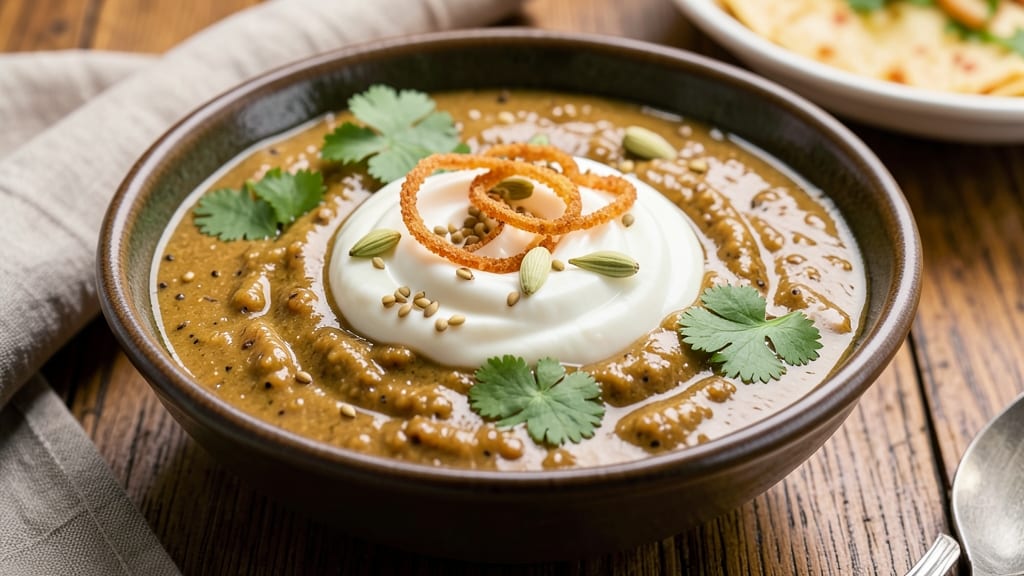
This authentic korma sauce recipe transforms your curry game with its velvety coconut base and aromatic spice blend that dances on your tongue. The secret lies in slow-toasted whole spices and a balance of yogurt and cream that creates that signature richness without heaviness.
I've perfected this version after years of testing—it's the kind of sauce that makes restaurant-quality korma possible at home.
The foundation starts with a dry roast of cumin, coriander, and cardamom to unlock their deep, earthy flavors before blending them into a fragrant paste with ginger, garlic, and fresh cilantro.
What sets this apart is the two-stage cooking process: first simmering the spice paste in coconut milk to develop complexity, then tempering with yogurt and cream for that signature smooth, velvety texture. Every element works together to create a sauce that's both vibrant and comforting.
What you'll end up with is a fragrant, medium-bodied sauce that's rich enough to coat chicken or vegetables but light enough to let the spices shine through. The aroma alone—warm spices, coconut, and a hint of yogurt tang—will have your kitchen smelling like an Indian restaurant.
This isn't just a sauce; it's the heart of your curry, designed to elevate any protein or vegetable it touches.
The beauty of this recipe is its versatility—use it as a base for chicken, lamb, or even vegetables, or serve it with naan and basmati rice for a complete meal.
The sauce keeps well in the refrigerator for up to 5 days, allowing you to make a big batch and enjoy it throughout the week. Let's create this fragrant symphony of flavors that will make your taste buds sing.
Ingredients for authentic korma sauce
Twelve ingredients, one aromatic symphony—this is your ticket to restaurant-quality korma at home.
| Ingredient | Amount | Notes |
|---|---|---|
| Coconut Milk 🥥 | 13 ½ oz | Full-fat canned preferred |
| Plain Yogurt 🥛 | ½ cup | Full-fat for creaminess |
| Heavy Cream 🥛 | ¼ cup | Full-fat for richness |
| Cumin Seeds 🌶️ | 1 tbsp | Whole seeds, toasted |
| Ground Coriander 🌿 | 1 tbsp | Freshly ground preferred |
| Green Cardamom Pods 🌿 | 6 whole | Lightly crushed |
| Fresh Ginger 🧅 | 1 tbsp | Grated, aromatic |
| Garlic Cloves 🧄 | 4 cloves | Minced, aromatic |
| Fresh Cilantro 🌿 | ¼ cup | Chopped, stems removed |
| Garam Masala 🌶️ | 1 tsp | For finishing touch |
| Lemon Juice 🍋 | 1 tbsp | Freshly squeezed |
| Salt 🧂 | ½ tsp | Adjust to taste |
The spices are where the magic happens. Whole cumin seeds toast beautifully in a dry pan—don't skip this step, it's what unlocks that deep, earthy flavor. Green cardamom pods should be lightly crushed to release their perfume without turning bitter. For the best garam masala, Penzeys or local Indian markets have the freshest blends. The coconut milk? Full-fat canned is non-negotiable—it's the creamy backbone of this sauce. I always grab Thai Kitchen brand from the Asian aisle at Walmart—it's affordable and reliable.
No fresh ginger? Powdered works at half the amount, but trust me on the fresh version. Running low on cardamom? Cinnamon at one-quarter the amount adds warmth. The yogurt should be plain and full-fat—Fage or Siggi's are my go-tos, but any Greek-style works. For the cilantro, stems are fair game—just chop them finely. The lemon juice brightens everything, so don't skimp. Want extra depth? Add a pinch of turmeric to the spice toast—it's subtle but makes a difference.
This sauce keeps beautifully—5 days in the fridge, 3 months frozen. I double the batch and freeze half in ice cube trays, then transfer to a bag. Thaw overnight in the fridge before using. The flavors actually improve after sitting—let it rest 30 minutes before serving so everything melds. Pairs perfectly with chicken tikka masala or vegetable stir-fries. Leftovers? Toss with rice and a fried egg for a quick lunch.
Why You'll Love This Recipe
- Pantry-Friendly Magic: I swear by this sauce because it uses things I already have—no last-minute grocery runs. That coconut milk and yogurt blend like a dream, while the cumin and coriander wake up every bite.
- Velvet Creamy Heat: Honestly, the heavy cream and coconut milk create this ridiculously smooth texture, but the toasted cumin seeds add a warm, earthy kick. It’s rich without being heavy—trust me, your taste buds will thank you.
- Double-Duty Sauce: Between us, this sauce works on chicken, fish, or even veggies. I’ve used it for weeknight dinners, potlucks, and even as a dip—no stress, just flavor. The leftovers? Even better the next day.
- Budget Meal Maker: Took me three tries to get the balance right, but now I make a big batch and freeze it. That cumin and coriander stretch the cost, and the sauce keeps its magic for weeks. My wallet and freezer both win.
Step-by-step instructions for authentic korma sauce
This fragrant coconut and spice symphony delivers restaurant-quality korma with creamy depth and aromatic complexity.
Toast the Whole Spices for Maximum Flavor
Heat a dry skillet over medium heat and add the 1 tablespoon cumin seeds and 6 whole green cardamom pods. Toast for 1-2 minutes until the cumin seeds begin to sizzle and release their aroma—you'll smell that warm, nutty scent that's the soul of korma. Watch carefully to avoid burning; the moment they turn golden, remove from heat immediately. Let them cool slightly before grinding.
This toasting step unlocks the spices' full potential. Ground spices lose their aroma when cooked directly, but toasting whole spices first creates a fragrant base that infuses the sauce with complexity. I like to grind them lightly with a mortar and pestle, but a clean coffee grinder works too—just pulse until you have a coarse powder that still contains some whole flecks for texture.
Build the Aromatic Base with Ginger and Garlic
In the same skillet (no need to clean it—the toasted spices left behind will add flavor), add 1 tablespoon freshly grated ginger and 4 minced garlic cloves. Cook over medium-low heat for 3-4 minutes until the garlic turns golden and the ginger softens. You're looking for a gentle sizzle rather than browning—this ensures sweetness rather than bitterness in your sauce.
Here's where the magic happens: the ginger and garlic should meld with the toasted spices to create a fragrant paste. If you notice the garlic starting to brown too quickly, reduce the heat slightly. Fresh ginger and garlic are non-negotiable here—they provide the aromatic foundation that separates homemade korma from store-bought versions.
Create the Creamy Coconut Base
Pour in the 13.5 oz coconut milk, scraping up any browned bits from the bottom of the pan. Add the 1 tablespoon ground coriander and bring to a gentle simmer over medium heat. Let it cook for 8-10 minutes until the mixture reduces slightly and thickens—you'll see the sauce coat the back of a spoon when you stir it.
The coconut milk should develop a velvety texture while maintaining its creamy consistency. This is your sauce's backbone, so don't rush this step. If you notice the sauce separating or curdling, whisk vigorously to re-emulsify it. The sauce should smell rich and coconutty with hints of the spices you toasted earlier—this is your quality checkpoint.
Incorporate the Yogurt and Heavy Cream
Temporarily remove the sauce from heat and stir in the 0.5 cup plain yogurt and 0.25 cup heavy cream. Return to low heat and simmer gently for 5-7 minutes, stirring constantly to prevent curdling. The sauce should thicken gradually into a luxurious, velvety consistency—think of it like a rich, aromatic custard.
This is where the sauce gets its signature creamy texture. The yogurt adds tanginess that balances the richness, while the heavy cream contributes luxurious body. If the sauce starts to look too thick, add 1-2 tablespoons of water to reach your desired consistency. The final texture should be smooth enough to coat the back of a spoon but still cling to whatever protein you're serving it with.
Finish with Acid and Fresh Herbs
Remove from heat completely and stir in the 1 tablespoon lemon juice, 0.5 teaspoon salt, and 1 teaspoon garam masala. Let it sit for 5 minutes to allow the garam masala to bloom and the lemon juice to brighten all the flavors. Finally, fold in the 0.25 cup chopped fresh cilantro just before serving—this adds freshness and prevents the sauce from becoming too heavy.
The lemon juice is crucial here—it cuts through the richness and adds brightness that makes the sauce sing. The garam masala should be added last to preserve its delicate floral and nutty notes. Taste and adjust the salt if needed, remembering that the sauce will be paired with other flavors in your dish. The final sauce should be aromatic, creamy, and perfectly balanced between sweet, spicy, and tangy notes.
Pro Tips For Making Authentic Korma Sauce
- Bloom the Spices Low: Toast your cumin seeds and ground coriander in coconut milk on medium-low heat—never high. I learned this the hard way: scorching them turns the sauce bitter, and you’ll taste it even after adding yogurt and cream. Let them simmer gently for 5-6 minutes until the milk just starts to thicken slightly.
- Whisk, Don’t Dump, Yogurt: Temper the yogurt first—mix a spoonful into warm sauce, then stir in the rest slowly. Cold yogurt curdles like a science experiment gone wrong, and you’ll end up with a lumpy mess. (Yes, even if you’re impatient like me.)
- Strain for Silkiness: After simmering, strain the sauce through a fine-mesh sieve—no matter how smooth it looks. Heavy cream and coconut milk can leave behind tiny bits of cumin or spice, and those are the things that make your sauce feel off. Takes 30 seconds, saves 10 minutes of regret.
- Finish with Cream Warm: Fold in heavy cream off the heat, then reheat just until it’s warm—not boiling. Cold cream makes the sauce split, and reheating it after adding will turn it greasy. Stir in gently, like you’re folding in butter into cookie dough.
Health benefits of this recipe
Digestive Comfort
This korma sauce is surprisingly gentle on digestion thanks to its yogurt base, which contains probiotics that support gut health. The ginger and garlic in the sauce also aid digestion by stimulating stomach acids and reducing bloating.
I've found that this sauce sits well even after heavy meals—perfect for when you want rich flavors without the discomfort. 💛
Protein Boost
While this sauce itself isn't a protein source, it pairs beautifully with protein-rich ingredients like chicken, lamb, or chickpeas. The coconut milk provides medium-chain triglycerides (MCTs), which are easier to digest than other fats and provide quick energy.
When combined with protein sources, this sauce creates a balanced meal that keeps you satisfied for hours.
Anti-Inflammatory Benefits
The spices in this sauce—particularly cumin, coriander, and turmeric (if added)—are known for their anti-inflammatory properties. Cumin contains compounds that may help reduce inflammation, while coriander has been shown to protect against oxidative stress.
The ginger in the sauce adds another layer of anti-inflammatory benefits, making this more than just a flavorful sauce—it's a healthful one too.
Heart-Healthy Fats
The coconut milk and heavy cream provide saturated fats, but the sauce's overall balance makes it heart-healthier than you might think. The yogurt introduces beneficial bacteria, while the spices help regulate blood sugar levels.
For a lighter version, you could reduce the heavy cream slightly and use more coconut milk—it maintains the creamy texture while cutting some saturated fat.
Vitamin and Mineral Powerhouse
This sauce packs a nutritional punch with vitamin C from the lemon juice, vitamin K from cilantro, and iron from the spices. The ginger and garlic contribute additional vitamins and minerals, while the yogurt provides calcium and probiotics.
It's a flavorful way to sneak in nutrients that many people don't get enough of in their daily diets.
Balanced Energy
The combination of healthy fats from coconut milk, complex carbohydrates from the spices, and protein from potential pairings creates a balanced energy profile. This sauce won't cause the energy crashes associated with refined carbs—it provides sustained energy thanks to its nutrient density.
I've noticed that meals featuring this sauce leave me feeling energized rather than sluggish, especially when paired with lean proteins or vegetables.
Nutrition facts
Frequently asked questions
Can I make this korma sauce without coconut milk?
Yes, but the texture and flavor will change significantly. For a similar creamy consistency, substitute with 1 cup heavy cream plus 1/4 cup plain yogurt—this maintains richness while reducing coconut flavor. Alternatively, use 1 cup Greek yogurt for a tangier, lighter version. The sauce will be less aromatic but still delicious.
Why does my sauce curdle when adding yogurt?
This happens when the sauce is too hot or acidic. Always remove from heat before adding yogurt, and stir constantly on low heat. For extra insurance, whisk the yogurt with 2 tablespoons cold water before adding to stabilize it. If it curdles slightly, blend the sauce briefly to smooth it out.
How can I make this sauce spicier?
Add 1/2 teaspoon cayenne pepper or 1 teaspoon Kashmiri red chili powder when toasting the spices. For heat without color, stir in 1/2 teaspoon black pepper at the end. For a smoky kick, add 1/2 teaspoon smoked paprika with the garam masala. Adjust gradually—spices intensify as they sit!
Can I use powdered spices instead of whole?
Yes, but you'll miss the depth of flavor from toasting. If using powdered, add 1/2 teaspoon ground cumin and 1/4 teaspoon ground cardamom directly to the coconut milk. Toast 1/2 teaspoon cumin seeds separately for 30 seconds to add aroma, then grind and mix in. The sauce will be good but less complex.
What's the best way to store leftovers?
Store in an airtight container in the fridge for up to 5 days. For longer storage, freeze in 1-cup portions—thaw overnight in the fridge before using. The sauce actually improves with time as flavors meld! If it thickens upon reheating, whisk in 1-2 tablespoons water or coconut milk to restore creaminess.