
Sauces & Condiments
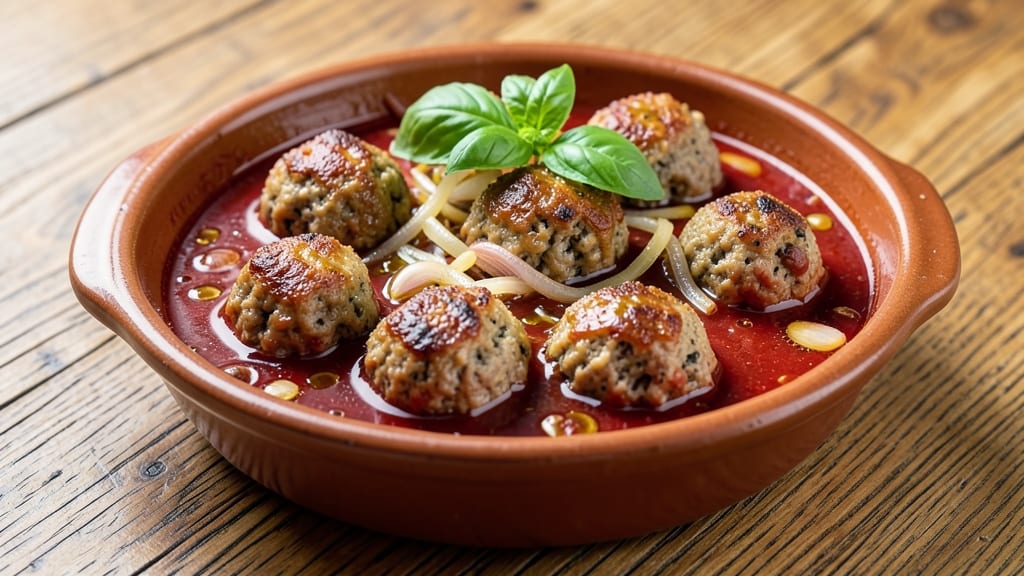
This authentic meatball sauce transforms ordinary meatballs into restaurant-quality masterpieces with deep umami flavor and layers of hidden garlic complexity. The secret lies in slow-simmering crushed tomatoes, fresh herbs, and a touch of red wine to develop rich, balanced flavors that cling perfectly to every bite.
I've perfected this technique over years of testing—no shortcuts, just time and patience for maximum depth.
What sets this sauce apart is the two-stage simmering process: first building a flavor base with garlic, onions, and herbs, then reducing with tomatoes and broth to create a velvety, concentrated sauce.
The crushed tomatoes add natural sweetness while maintaining authentic Italian texture, and a splash of red wine enhances the umami without overpowering. This isn't just sauce—it's the foundation of a meal that tastes like it's been simmering all day.
The result is a slow-simmered sauce with perfect balance—tangy, slightly sweet, and rich with herbal notes that make every spoonful irresistible. It thickens beautifully without needing thickeners, creating that ideal clingy consistency that coats meatballs perfectly.
This sauce freezes exceptionally well, making it perfect for meal prep or gifting to fellow food lovers.
Whether you're serving it over al dente pasta, pairing with crispy bread, or using as a dipping sauce, this authentic meatball sauce delivers restaurant-quality flavor at home. The best part?
It gets even better the next day as the flavors meld together. Let's create this timeless sauce that will become your go-to for meatball nights.
Ingredients for authentic meatball sauce
Eleven ingredients, two-stage simmering—this sauce delivers restaurant-quality depth with every spoonful.
| Ingredient | Amount | Notes |
|---|---|---|
| Extra-Virgin Olive Oil 🫒 | ¼ cup | High-quality, fruity variety preferred |
| Yellow Onion 🧅 | 1 whole | Finely diced, about 1 cup |
| Garlic Cloves 🧄 | 6 cloves | Minced, for hidden depth |
| Crushed Tomatoes (San Marzano preferred) 🍅 | 28 oz | High-quality canned, no salt added |
| Dry Red Wine 🍷 | ½ cup | Bold variety like Cabernet Sauvignon |
| Beef Broth 🥫 | 1 cup | Low-sodium preferred |
| Fresh Parsley 🌿 | ¼ cup | Chopped, for bright finish |
| Fresh Basil 🌿 | ¼ cup | Chopped, for aromatic depth |
| Bay Leaves 🍃 | 2 whole | For subtle earthy complexity |
| Salt 🧂 | 1 ½ tsp | Diamond Crystal preferred |
| Black Pepper 🌶️ | ½ tsp | Freshly cracked for heat |
The crushed tomatoes are non-negotiable here. San Marzano is the gold standard—sweeter, meatier, and with that perfect balance of acidity. I always grab the Mutti brand from the international aisle at Whole Foods or Trader Joe's when I'm stocking up. The red wine should be dry and bold—Cabernet Sauvignon or Chianti work perfectly. For the garlic, I like to smash the cloves with the flat side of my knife before mincing—this releases more flavor. Fresh herbs are worth the splurge too; dried just won't cut it for that authentic Italian brightness.
No red wine? Substitute with extra beef broth—just reduce the amount by 2 tablespoons. Short on fresh basil? Dried oregano at one-third the amount works in a pinch, but you'll lose that signature aroma. The onions can be swapped for shallots if you're feeling fancy, but regular yellow onions work just fine. For a deeper umami punch, add 1 teaspoon of fish sauce (trust me, it disappears into the sauce). If your tomatoes are too acidic, a pinch of sugar balances it out beautifully. And if you're really in a bind, tomato paste mixed with water can stand in for crushed tomatoes, though it won't have the same texture.
This sauce tastes even better the next day—plan accordingly! Store in an airtight container in the fridge for up to 5 days, or freeze for 3 months in portion-sized containers. For freezing, let it cool completely first to prevent ice crystals. I like to portion it into 1-cup servings so I can grab exactly what I need for a meal. When reheating, warm it gently on the stove—no microwaving, or you'll break the emulsion and get a greasy mess. A splash of water or broth helps restore that perfect clingy consistency if it thickens too much during storage.
Why You'll Love This Recipe
- Wine-Infused Magic: I swear by that splash of dry red wine—it’s not just for flavor, it actually deglazes the pan while adding depth. The kind of richness that makes you pause mid-bite, like, "Wait, how did this get so good?"
- Pantry Staple Power: Honestly, if you’ve got olive oil, tomatoes, and onions, you’re basically set. No fancy ingredients, no last-minute grocery runs—just the kind of weeknight hero that doesn’t judge you for skipping the store.
- Leftovers That Beg for More: This sauce only gets better after sitting overnight. The flavors meld like old friends, and reheating it? It’s like a warm hug from your Italian nonna. (Yes, even on a Tuesday night.)
- One-Pot, Zero Stress: Between us, I’ve burned enough meatballs trying to juggle multiple pans. This recipe? One pot, one stir, and you’re golden. The tomatoes and garlic do most of the work while you sip your wine—the same wine you’re cooking with.
Step-by-step instructions for slow-simmered umami meatball sauce
This is where Italian tradition meets bold flavors—let's build a sauce that sings with depth.
Sauté Aromatics Until Fragrant
Heat the 0.25 cup extra-virgin olive oil in a heavy-bottomed pot over medium heat. Add the 1 whole yellow onion and cook for 8-10 minutes until softened and translucent, stirring occasionally. You'll know it's ready when the onion releases its sweetness into the oil.
Push the onions to the side of the pot and add the 6 cloves minced garlic. Sauté for 30 seconds until fragrant but not browned—garlic burns quickly, and you want that subtle depth without bitterness. Here's the thing—this initial aromatics step is the flavor foundation. Don't rush it; let the onion caramelize just slightly at the edges.
Deglaze and Build the Base
Pour in the 0.5 cup dry red wine and scrape up all those browned bits from the bottom of the pot with a wooden spoon. This deglazing captures all the concentrated flavors you've built. Let the wine simmer for 3-4 minutes until reduced by half—you're looking for a syrupy consistency that coats the back of a spoon.
Add the 28 oz crushed tomatoes (San Marzano preferred) and 1 cup beef broth. Stir well to combine, then add the 2 whole bay leaves, 1.5 tsp salt, and 0.5 tsp black pepper. Bring the mixture to a gentle simmer over medium-low heat. This is where patience pays off—let it bubble softly for 15 minutes to meld the flavors before we add the fresh herbs.
Simmer and Develop Complexity
After the initial simmer, stir in the 0.25 cup chopped fresh parsley and 0.25 cup chopped fresh basil. These herbs add brightness that balances the rich tomato base. Reduce heat to low and let the sauce simmer uncovered for 30-45 minutes. This slow cooking allows the flavors to deepen and develop that authentic Italian umami profile.
Real talk: Don't skip this simmering time. The sauce should reduce slightly, becoming thicker and more concentrated. You'll notice the oil from the tomatoes will separate slightly—this is normal and actually enhances the texture. Taste occasionally and adjust seasoning if needed, but trust the process. The hidden garlic depth will emerge as the flavors meld together.
Finish with Perfect Texture
Once the sauce has simmered to your desired consistency (it should coat the back of a spoon but still be spoonable), remove the 2 bay leaves. For a smoother sauce, you can strain it through a fine-mesh sieve, but I like to leave some texture for authenticity. The sauce should be vibrant red with a glossy sheen—this indicates proper reduction.
If the sauce is too thick, add a splash of water or broth to reach your preferred consistency. If it's too thin, simmer uncovered for another 5-10 minutes to reduce further. The key is balance—you want a sauce that clings to meatballs beautifully but isn't gluey. This sauce is now ready to pair with perfectly browned meatballs or serve over pasta.
Pro Tips For Making Authentic Meatball Sauce
- Sweat the Onion First: Don’t rush the onion—cut it into even ¼-inch dice and cook it in olive oil over medium-low heat for 8-10 minutes until it’s translucent and just starting to caramelize. I used to skip this, and the sauce always tasted flat; the slow cook turns the onion into sweet, flavorful paste that builds depth.
- Deglaze with Wine Early: As soon as the onions soften, add the minced garlic and let it sizzle for 30 seconds before pouring in the wine. The alcohol burns off faster this way, and you’ll get that bright, herbaceous note instead of a harsh boozy aftertaste. (Yes, even if you’re impatient like me.)
- Crush Tomatoes by Hand: Skip the canned crushed tomatoes—open a whole San Marzano can and break up the tomatoes with your fingers, leaving some chunks. The texture’s richer, and the sauce won’t turn into a watery sludge when simmered. I learned this the hard way after slurping up a batch that looked like tomato soup.
- Simmer Low and Long: Once the wine reduces, add the tomatoes and let the sauce bubble gently for at least 45 minutes—cover it halfway through to keep it from skinning. I was skeptical until I tried it: the flavors meld into something complex, not just a quick weeknight fix. (Your future self will thank you.)
Serving suggestions for this recipe
Pasta Pairings
This sauce clings beautifully to al dente spaghetti or linguine, where its rich texture creates that classic Italian "sauce hug." I always cook 8 oz pasta per serving and reserve ½ cup pasta water before draining—this starchy water helps emulsify the sauce for a velvety finish.
For a heartier option, try rigatoni or fettuccine, which hold up well to the sauce's weight. 🍝
For a lighter option, angel hair pasta lets the sauce shine without overwhelming the dish. If you're feeling adventurous, toss the sauce with whole wheat or chickpea pasta for added texture and nutrition.
The key is to match the pasta's thickness to your sauce's consistency—thicker noodles for chunkier sauce, thinner noodles for a smoother finish.
Bread Service
Warm crusty Italian bread or garlic bread makes an irresistible side—simply drizzle the sauce over slices and broil for 2-3 minutes until bubbly. I love using ciabatta or focaccia for extra texture.
For a fun twist, serve with grilled cheese croutons made from sourdough—just brush with butter, sprinkle with Parmesan, and toast until golden. 🍞
For a make-ahead tip, assemble the bread with sauce a day ahead and refrigerate. When ready to serve, reheat in the oven at 350°F for 10-15 minutes to restore that fresh-from-the-oven appeal. The sauce's flavors intensify when paired with warm bread, making every bite feel like a restaurant experience.
Meatball Serving
Serve this sauce with browned meatballs (homemade or store-bought) for the ultimate comfort food combo. I like to arrange 6-8 meatballs per serving, spooning sauce generously over the top.
For extra drama, top with grated Parmesan and fresh basil leaves right before serving. The sauce's clingy texture ensures every bite is packed with flavor. 🥘
For a deconstructed approach, offer the sauce as a dipping sauce alongside meatballs and bread. The rich, umami depth makes it irresistible for scooping. I've even used this sauce as a topping for meatball subs—just spread it thick on toasted bread with melted provolone for a next-level sandwich.
Leftovers Reinvention
Transform leftover sauce into meatball soup by adding chicken or beef broth, small pasta shapes, and steamed veggies. The sauce's depth elevates even simple soups. Another favorite: stuffed shells—combine with ricotta, spinach, and mozzarella for a showstopper appetizer. 🍲
Freeze extra sauce in ice cube trays for easy portioning later. Thaw and reheat with a splash of water to restore consistency. This sauce keeps well for 5 days refrigerated or 3 months frozen, making it perfect for meal prep or gifting to fellow food lovers.
Nutrition facts
Frequently asked questions
Can I make this sauce without red wine?
The red wine adds depth, but it's not essential. Replace the 0.5 cup with 0.5 cup beef broth or even 0.5 cup water—just reduce the broth by 2 tablespoons elsewhere in the recipe to maintain balance. The sauce will still develop rich umami flavors through the slow simmering process.
How do I prevent the sauce from getting too thick?
If your sauce thickens faster than expected, simply add 1-2 tablespoons of water or broth and stir gently. For best results, simmer uncovered to let excess moisture evaporate naturally. The ideal consistency should coat the back of a spoon but remain spoonable—like a velvety marinara.
Can I use dried herbs instead of fresh?
Fresh herbs like basil and parsley are ideal for that authentic brightness, but you can substitute with dried herbs in a pinch. Use 1 teaspoon dried basil and 1 teaspoon dried parsley (about one-third the amount of fresh). Add them during the final 10 minutes of simmering to preserve their flavor. The texture will be slightly different but still delicious!
Why does my sauce look oily after cooking?
This is completely normal! The natural oils from the tomatoes will separate slightly during cooking. Stir gently before serving to re-emulsify the sauce. If it's too oily, simmer uncovered for an extra 5-10 minutes to reduce the sauce further. The oil adds richness, but you can skim excess if preferred.
What's the best way to reheat leftover sauce?
Gently reheat over low heat on the stove, stirring occasionally. Avoid microwaving as it can break the sauce's emulsion and make it greasy. If the sauce thickens too much, add a splash of water or broth. For extra flavor, reheat with a splash of red wine or a bay leaf for added depth.