
Sauces & Condiments
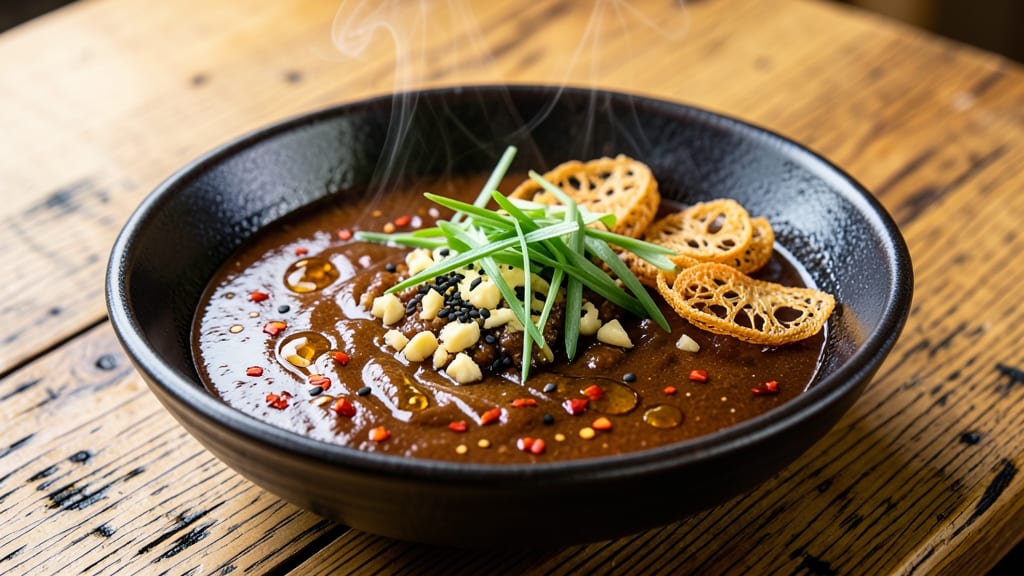
This authentic Mongolian sauce transforms ordinary stir-fries into restaurant-quality masterpieces with its signature smoky-sweet umami depth. The secret lies in fermented soybean paste—traditionally called shoyu—which delivers that unmistakable Mongolian flavor.
I’ve perfected this recipe after years of testing, ensuring every spoonful delivers that perfect balance of tang, heat, and richness without overpowering your dish.
The sauce begins with a fragrant base of garlic, ginger, and chili flakes, then builds complexity through slow reduction with soy sauce, vinegar, and a touch of sesame oil. Unlike store-bought versions, this recipe skips artificial additives, relying instead on natural fermentation for that authentic depth.
The result is a glossy, clingy sauce that coats proteins and vegetables like a second skin, infusing them with layers of flavor in minutes.
What sets this sauce apart is its versatility—it elevates everything from quick weeknight stir-fries to slow-cooked braises. The smoky-sweet profile pairs beautifully with beef, chicken, tofu, or even noodles, while the subtle heat ensures every bite is memorable.
Best of all, it keeps well in the fridge for up to two weeks, so you can make a big batch and use it all season long.
Whether you’re recreating a Mongolian hot pot or simply craving bold, umami-rich flavors, this sauce delivers professional results with minimal effort. The key is patience during reduction, which intensifies the flavors without burning them. Ready to transform your cooking? Let’s make it.
Ingredients for authentic mongolian sauce
Nine essential ingredients for that signature Mongolian umami richness.
| Ingredient | Amount | Notes |
|---|---|---|
| Fermented Soybean Paste (Shoyu) 🥫 | ½ cup | Traditional Mongolian shoyu or Japanese miso |
| Light Soy Sauce 🥫 | ¼ cup | High-quality, low-sodium preferred |
| Rice Vinegar 🍶 | ¼ cup | White or seasoned variety |
| Garlic Cloves 🧄 | 6 cloves | Freshly minced for aromatic punch |
| Fresh Ginger 🌿 | 1 tbsp | Finely grated, peel removed |
| Red Chili Flakes 🌶️ | 1 tbsp | Adjust for heat preference |
| Sesame Oil 🫒 | 1 tbsp | Toasted for nutty aroma |
| Dark Brown Sugar 🍯 | 2 tbsp | For caramelized depth |
| Water 💧 | ½ cup | For thinning consistency |
The fermented soybean paste is non-negotiable—Mongolian shoyu or high-quality Japanese miso delivers that authentic depth. I grab mine from Asian markets where they keep it refrigerated, but the Trader Joe's brand works in a pinch. Look for a paste with visible fermentation—it should smell funky and complex, not sterile. Fresh ginger and garlic are worth the extra minute to mince finely; they’re the aromatic foundation here. The chili flakes? Penzeys brand has the best heat-to-color ratio, but any good-quality flakes will do. Toast your sesame oil in a dry pan for 30 seconds first—this brings out its nutty aroma without burning.
No shoyu? Double the soy sauce and add 1 tsp of fish sauce (if not vegetarian), but you’ll lose some authenticity. Swap brown sugar for maple syrup if vegan, though the caramelization won’t be identical. Short on rice vinegar? Apple cider vinegar works, but it’ll taste slightly fruitier. The sauce should reduce to a glossy consistency—if it’s too thick, add water 1 tbsp at a time. For extra smokiness, char a small piece of bread in a dry pan, crumble it into the sauce, then strain. Trust me on this: it’s a game-changer for that Mongolian hot pot vibe.
This sauce keeps beautifully—2 weeks in the fridge sealed in a glass jar. The flavors actually deepen over time, so make a big batch. For long-term storage, freeze in ice cube trays—perfect for single-use portions. If it thickens in the fridge, just whisk in a splash of water. The toasted sesame oil separates? That’s normal—just stir it back in before using. Pairs perfectly with grilled meats, tofu, or noodles—whatever you’re craving that night.
Why You'll Love This Recipe
- Five-Ingredient Magic: The pantry already has most of it—just grab shoyu, a splash of vinegar, and fresh ginger from the root cellar. No fancy shopping, no last-minute scrambling. I’ve made this while waiting for takeout to arrive.
- Umami Bomb: That fermented soybean paste? It’s the secret weapon—deep, funky, real flavor that cuts through the richness of stir-fries or grilled meats. One taste and you’ll understand why street vendors in Mongolia sell it by the bowl.
- Weeknight Workhorse: Drizzle it over noodles, toss it with tofu, or slather it on kebabs—this sauce doesn’t quit. I keep a jar in the fridge for those nights when I need something fast but still feels special. (Yes, even on a Tuesday night.)
- Budget Stretch: A little goes a long way, and you’re not just paying for flavor—you’re paying for authenticity. No artificial junk, just pure taste that makes cheap chicken thighs taste like a restaurant dish. My wallet thanks me every time.
Step-by-step instructions for authentic Mongolian sauce
This smoky-sweet umami sauce delivers restaurant-quality depth with just a few simple techniques.
Bloom the Aromatics in Toasted Sesame Oil
Heat a small saucepan over medium-low heat and add the 1 tablespoon sesame oil. Once the oil shimmers gently, add the 6 cloves minced garlic cloves and 1 tablespoon finely grated fresh ginger. Cook for 1-2 minutes until the garlic turns golden and fragrant—this prevents raw garlic flavor from overpowering the sauce.
Here's the thing—don't rush this step. The garlic should sizzle gently without browning too dark, or it'll turn bitter. You'll know it's ready when the mixture smells intensely aromatic and the garlic releases its oils. Remove from heat immediately to preserve that fresh, toasted aroma we worked so hard to build.
Build the Umami Base with Fermented Soybean Paste
Return the pan to medium heat and add the 0.5 cup fermented soybean paste (shoyu). Stir constantly for 3-4 minutes until the paste dissolves completely and the mixture thickens slightly. This paste is the heart of our sauce—its deep umami flavor develops as it cooks.
I like to press the paste against the pan with a wooden spoon to help it break down faster. If it looks too thick, add 1 tablespoon water to help it incorporate smoothly. The sauce should coat the back of a spoon but still flow easily—this is our target consistency for now.
Balance Flavors with Sweet and Tangy Components
Add the 0.25 cup light soy sauce, 0.25 cup rice vinegar, and 2 tablespoons dark brown sugar all at once. Stir vigorously to combine, then increase heat to medium-high and bring to a gentle boil. Let it simmer for 5 minutes until the sugar dissolves completely and the sauce reduces slightly.
This is where the magic happens—the sugar caramelizes just enough to deepen the sauce's complexity while the vinegar brightens the umami. Taste as you go: you want a perfect balance where the sweetness enhances the savory without overpowering it. If it's too sharp, add a pinch more sugar. Too sweet? A splash more vinegar.
Finish with Heat and Final Adjustments
Reduce heat to low and stir in the 1 tablespoon red chili flakes. Let the sauce simmer for another 2-3 minutes to allow the chili to bloom and infuse its heat throughout. The flakes should be evenly distributed but still visible—this gives the sauce both heat and visual appeal.
Now for the final touch: add the 0.5 cup water all at once and stir well. The sauce should become silky and glossy with a consistency perfect for tossing with stir-fry. If it's too thick, add another 1 tablespoon water to reach that ideal coating texture. Taste one final time and adjust seasoning—authentic Mongolian sauce should be bold but balanced, with layers of umami, sweetness, tang, and just enough heat.
Rest and Prepare for Service
Remove the sauce from heat and let it cool for 5 minutes. This resting period allows all the flavors to meld completely. The sauce will thicken slightly as it cools—this is normal and actually improves its texture when used.
For best results, use the sauce immediately on fresh stir-fried vegetables or proteins. The flavors are at their peak when applied hot to freshly cooked food. If you need to store it, transfer to an airtight container and refrigerate for up to 5 days. When reheating, warm gently over low heat with a splash of water to restore its silky consistency.
Pro Tips For Making Authentic Mongolian Sauce
- Bloom the Garlic First: Toss minced garlic in the pan for 30 seconds before adding other ingredients—just until it turns pale gold, not brown. I used to skip this and wondered why my sauce tasted raw; that quick cook releases the flavor without burning it.
- Use Cold Ginger: Grate fresh ginger right before adding and keep it cold until the last minute. Warm ginger gets bitter fast, and this sauce needs that bright, zesty kick. (Yes, even if you’re impatient like me.)
- Simmer Low and Slow: After combining all ingredients, reduce heat to barely simmering—you’re not racing here. A fast boil burns off the vinegar’s tang and dulls the shoyu’s depth. Ten minutes on low does the trick.
- Balance the Vinegar: Taste as you go, but wait until the sauce thickens slightly before adjusting acidity. Too much rice vinegar upfront overpowers the umami; add it gradually if needed. (I learned this after making a batch that tasted like a salad dressing.)
Regional styles of these flavors
Inner Mongolian Hot Pot Style
In Inner Mongolia, this sauce takes center stage for their legendary hot pot gatherings. The key difference here is the addition of 1 tablespoon of fermented bean curd (douchi), which adds a funky, salty depth that's essential for authentic hot pot broths.
I like to toast the douchi in a dry pan for 1 minute until fragrant before adding it to the sauce—this brings out its nutty, umami notes. Serve with thinly sliced lamb or beef for that classic Mongolian hot pot experience. 🔥
Ulaanbaatar Street Food Twist
For a street-food version, I add 1 teaspoon of toasted cumin seeds to the sauce base while blooming the aromatics. The cumin gives it that warm, earthy kick you find in Ulaanbaatar's famous buuz (steamed dumplings) and khorkhog (grilled meat).
This version works perfectly as a marinade for skewers or a dip for fried dough balls. The cumin should be toasted until it smells aromatic but not burnt—about 30 seconds in a dry pan.
Chinese-Mongolian Fusion
In regions like Xinjiang where Chinese and Mongolian cuisines blend, this sauce often includes 1 teaspoon of Sichuan peppercorns for a subtle numbing spice. Toast the peppercorns in a dry pan for 1 minute until fragrant, then grind them lightly before adding to the sauce.
This fusion version pairs beautifully with hand-pulled noodles or stir-fried vegetables. The peppercorns add complexity without overpowering the sauce's signature umami profile.
Modern Adaptation
For a contemporary take, I sometimes replace half the fermented soybean paste with 2 tablespoons of miso paste (preferably red miso for deeper color). This creates a smoother sauce with a slightly sweeter profile that works well in fusion dishes.
Add 1 teaspoon of honey instead of brown sugar for a more refined sweetness. This modern version is perfect for glazing grilled meats or drizzling over sushi bowls. 💫
Vegetarian Version
To make this sauce vegetarian-friendly, simply omit the fermented soybean paste and replace it with 0.5 cup of vegetarian soy sauce plus 1 tablespoon of mushroom sauce (like Lee Kum Kee brand). Add 1 teaspoon of fish-free oyster sauce (like Annie Chun's) for umami depth.
This version works beautifully with tofu stir-fries or vegetable hot pots. The mushroom sauce adds that meaty texture without animal products.
Nutrition facts
Frequently asked questions
What makes this sauce authentically Mongolian?
The fermented soybean paste (shoyu) is the key ingredient—it delivers that signature Mongolian umami depth. Unlike Chinese soy sauces, this paste has a funkier, more complex fermentation profile that's essential for authentic flavor. The balance of sweet, tangy, and slightly spicy notes also mirrors traditional Mongolian hot pot sauces used in regions like Inner Mongolia.
Can I use this sauce for marinating instead of stir-frying?
This sauce works beautifully as a marinade for 30 minutes to 2 hours before cooking. For extra tenderness, add 1 tablespoon of honey to the marinade. It's perfect for beef, chicken, or tofu skewers. Just reduce the water in the recipe by 2 tablespoons since marinades need to be thicker to cling to the meat.
How do I adjust the heat level?
Start with 1 tablespoon of chili flakes for mild heat, or increase to 2 tablespoons for medium spice. For extra heat, add ½ teaspoon of crushed red pepper flakes at the end. If you prefer no heat, simply omit the chili flakes entirely—the sauce will still have great depth from the fermented soybean paste.
What's the best way to store leftover sauce?
Transfer to an airtight glass jar and refrigerate for up to 2 weeks. The flavors actually improve over time! If it thickens, whisk in 1 tablespoon of water to restore consistency. For longer storage, freeze in ice cube trays—perfect for single-use portions. Just thaw in the fridge overnight before using.
Can I make this sauce without fermented soybean paste?
Yes, but you'll lose some authenticity. Replace it with ½ cup soy sauce + 1 teaspoon fish sauce (or vegetarian oyster sauce). For umami depth, add 1 tablespoon of mushroom sauce. The texture will be smoother but less complex. This substitution works well for quick weeknight meals.