
Sauces & Condiments
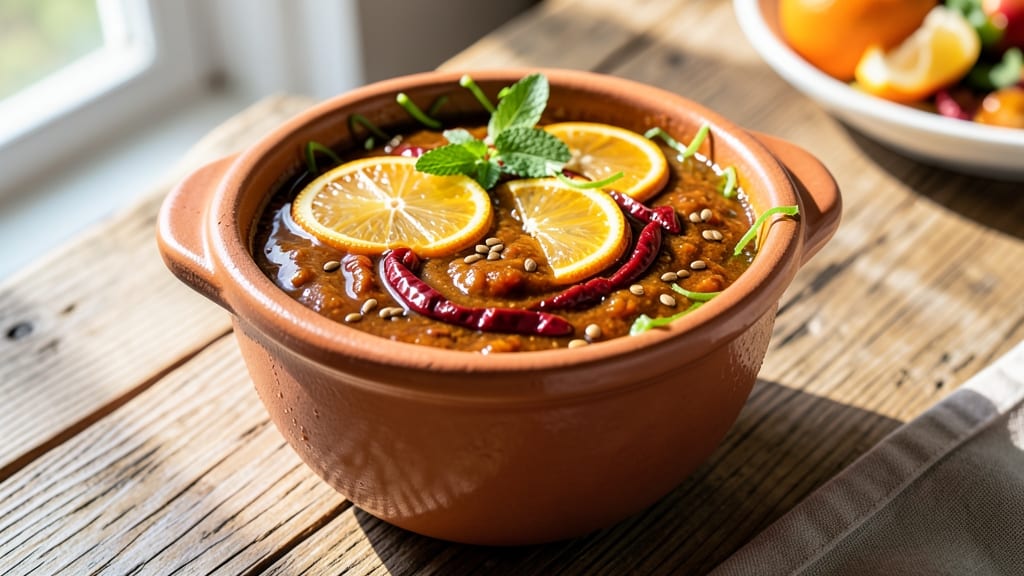
This authentic Puerto Rican hot sauce brings the fiery, smoky essence of the island straight to your kitchen—where ají dulce peppers meet bright citrus and bold spices. 🔥 The secret lies in charring the peppers for depth, then simmering them with vinegar and garlic to create a sauce that’s tangy, complex, and packed with heat.
I’ve perfected this recipe after years of tasting the real deal at local chinchorros (Puerto Rican street food stalls), and it’s the kind of sauce that transforms simple dishes into something extraordinary.
The process is straightforward but intentional: charring the peppers over an open flame (or under a broiler) unlocks their smoky potential, while a blend of white vinegar and citrus juice balances the heat with brightness.
Garlic and a touch of cumin add layers of warmth, ensuring every drizzle delivers that unmistakable Puerto Rican flavor. Unlike store-bought versions, this sauce builds in richness as it sits, making it even more irresistible after a few days.
What you’ll end up with is a vibrant, medium-hot sauce with a glossy finish—ready to elevate grilled meats, fried plantains, or even a classic mofongo. The charred peppers give it a smoky backbone, while the citrus keeps it fresh and lively.
This isn’t just a hot sauce; it’s a flavor bomb that turns every bite into an experience.
Store it in the fridge for up to a month, and watch as the flavors deepen over time. The best part? You’ll want to make it again and again. Let’s get started on this authentic, restaurant-quality condiment.
Ingredients for authentic puerto rican hot sauce
Nine bold ingredients—smoky peppers, bright citrus, and warm spices—come together for sauce that tastes like island street food.
| Ingredient | Amount | Notes |
|---|---|---|
| Ají Dulce Peppers 🌶️ | 4 whole | Fresh, medium-hot variety |
| White Vinegar 💧 | 1 cup | Distilled white vinegar preferred |
| Lime Juice 🍋 | ½ cup | Freshly squeezed, seeds removed |
| Garlic Cloves 🧄 | 4 cloves | Fresh, peeled, roughly chopped |
| Ground Cumin 🌿 | 1 tbsp | Toasted for deeper flavor |
| Orange Juice 🍊 | ¼ cup | Freshly squeezed, no pulp |
| Salt 🧂 | 1 tsp | Diamond Crystal preferred |
| Black Peppercorns 🌶️ | ½ tsp | Freshly cracked, coarse grind |
| Honey 🍯 | 1 tbsp | Light amber preferred |
| Olive Oil 🫒 | 1 tbsp | Extra-virgin for richness |
The ají dulce peppers are the heart of this sauce. Find them at Latin markets or well-stocked grocery stores—they’re milder than habaneros but pack serious flavor. If you can’t locate them, substitute 2-3 red Fresno peppers, but char them extra long for that authentic smoky depth. Toast the cumin seeds in a dry pan for 30 seconds first—toasted cumin adds a nutty warmth that store-bought ground can’t match. For vinegar, distilled white is best, but apple cider works in a pinch if you’ve got it on hand.
No ají dulce? Red jalapeños or serranos will work, but they’ll be hotter—adjust the amount to taste. The citrus is non-negotiable for that bright Puerto Rican tang—lime is essential, but orange juice adds sweetness that balances the heat. If you’re avoiding honey, agave nectar at half the amount keeps it vegan-friendly. For extra richness, add 1 tbsp of tomato paste with the peppers—it thickens the sauce and adds depth. And if you’re feeling fancy, infuse the olive oil with a whole garlic clove for 10 minutes before using.
This sauce gets better with age—3-5 days in the fridge lets the flavors meld beautifully. Store in a clean glass jar with a tight lid, and shake before each use. The charred peppers will sink, so give it a good stir. Keeps for up to 3 months in the fridge, but honestly, it won’t last that long. Freeze in ice cube trays for single-use portions—perfect for drizzling over grilled meats or fried plantains. The sauce thickens as it sits, so add a splash of water or vinegar if it gets too stiff.
Why You'll Love This Recipe
- Pantry Magic: I swear by this recipe—no specialty stores needed. Ají Dulce peppers (or even a jar of chopped ones) and a few pantry staples are all it takes. That cumin? It’s the secret that turns this from good to ridiculously good in seconds.
- Bright & Bold: The lime juice cuts through the heat like a summer breeze, while the garlic and vinegar create this perfect tangy punch. It’s not just spicy—it’s layered, like a little burst of Puerto Rico in every drop.
- Every Meal Upgrade: Slather it on mofongo, drizzle it over grilled shrimp, or toss it into beans—this sauce works everywhere. I keep a bottle in my fridge because I’m always reaching for it, no matter what’s on the menu.
- Long-Lasting Value: One batch stretches for weeks, and the flavor only gets better as it sits. Honestly, it’s my go-to for feeding a crowd without breaking the bank. Plus, the ingredients cost pennies compared to store-bought hot sauces.
Step-by-step instructions for authentic Puerto Rican hot sauce
Here's how to capture that bold, citrusy fire from Puerto Rican kitchens—simple steps for maximum flavor.
🔥 Step 1: Char the Ají Dulce Peppers Over Flame
Heat a dry skillet over medium-high heat until it's smoking hot. Place the 4 whole ají dulce peppers directly in the pan, turning occasionally with tongs for 8-10 minutes until their skins blacken in spots and you smell that smoky aroma. This charring develops deep, smoky flavors that define authentic Puerto Rican hot sauce.
I like to work in batches if my pan isn't large enough—just let it cool slightly between turns. The peppers should be blistered and slightly shriveled, with blackened patches but still firm. Don't worry about perfect even charring; those uneven spots add complexity. Once charred, immediately transfer them to a bowl and cover with a kitchen towel to steam for 10 minutes—this helps the skins loosen for easy peeling.
🍳 Step 2: Peel and Blend the Charred Peppers
After steaming, the pepper skins should slip off easily when you rub them between your fingers. Peel away all the charred skin, then remove stems and seeds. You should have about ½ cup of flesh remaining—this is the flavor foundation. Transfer the peeled peppers to a blender along with the 4 cloves garlic cloves, 1 tbsp ground cumin, and 1 tbsp olive oil.
Blend on high until completely smooth, scraping down the sides as needed. The mixture should be vibrant red-orange with no visible texture. Here's the thing—don't skip the olive oil. It helps emulsify the sauce later and carries those smoky flavors throughout. If your blender struggles, add 2 tablespoons of the white vinegar to help it along.
🥘 Step 3: Build the Citrus-Vinegar Base
With the blender still running, slowly pour in the 1 cup white vinegar and 0.5 cup lime juice through the feed tube. The vinegar will help break down the pepper oils and create that signature tang. Then add the 0.25 cup orange juice, 1 tbsp honey, 1 tsp salt, and 0.5 tsp black peppercorns. Blend again until completely smooth—about 30 seconds more.
The sauce should now be a bright, slightly thick liquid with a deep red hue. Taste it carefully—you want that perfect balance of heat, tang, and sweetness. If it's too sharp, add a pinch more honey. If it lacks heat, blend in one of the reserved pepper seeds. The key is to capture that authentic Puerto Rican profile where the citrus brightens the smoky peppers without overpowering them.
⏰ Step 4: Simmer and Strain for Clarity
Transfer the blended sauce to a medium saucepan and bring to a gentle simmer over medium-low heat. Let it cook uncovered for 15-20 minutes, stirring occasionally, until it reduces by about 25%. You're looking for a thicker, more concentrated sauce that coats the back of a spoon. The color will deepen to a rich amber-red as the flavors meld.
While it simmers, line a fine-mesh strainer with cheesecloth or a coffee filter. Pour the hot sauce through, pressing gently with a wooden spoon to extract all the liquid. This step removes any remaining pepper fibers for a silky-smooth finish. Let it cool completely before bottling—this helps the flavors settle and prevents mold growth.
🍽️ Step 5: Bottle and Age for Maximum Flavor
Transfer the strained sauce to clean 4-ounce glass bottles or jars, leaving ½-inch headspace at the top. Seal tightly and store at room temperature. For best results, let the sauce age for at least 1 week before using—this allows the flavors to develop and mellow slightly. I find that after 2-3 weeks, the sauce reaches its peak complexity with deeper smoky notes and balanced heat.
This hot sauce keeps for up to 6 months when stored properly. The first time you drizzle it over mofongo or use it to spice up a simple rice and beans dish, you'll understand why Puerto Rican cooks swear by this bold, citrusy heat. The authentic combination of charred peppers, bright citrus, and smoky cumin creates a sauce that's truly unique—nothing like store-bought versions.
Pro Tips For Making Authentic Puerto Rican Hot Sauce
- CHAR THE PEPPERS LOW: Ají dulces burn easily—simmer them in the vinegar on medium-low heat until they’re soft but not mushy. I learned this the hard way when I walked away for "just a minute" and came back to a charred, bitter sludge. Keep the heat gentle, and stir occasionally so they cook evenly.
- DESEED BEFORE COOKING: Remove the seeds and membranes from the ají dulces before adding them to the pot. The seeds add bitterness, and you want that sweet, fruity depth to shine. It’s a 30-second step that makes a real difference—trust me, you’ll taste it.
- TOAST THE CUMIN FIRST: Dry-toast the ground cumin in a separate pan for 30 seconds until it smells nutty and warm. This wakes up its flavor before it even hits the sauce. I was skeptical until I tried it—now I never skip it.
- STRAIN FOR SMOOTHNESS: After simmering, strain the sauce through a fine-mesh sieve or cheesecloth to remove any lingering pepper skin or garlic bits. It’s not the prettiest method, but it guarantees a silky texture. (Yes, even if you’re impatient like me.)
Flavor customization for these flavors
Smoky Heat Levels
Adjust the heat by controlling the char on your ají dulce peppers. For mild heat, char them for just 5-6 minutes—this keeps their natural sweetness while adding subtle smokiness. For medium heat (like the original recipe), go for 8-10 minutes of charring.
If you want fiery heat, char them 12-15 minutes until nearly blackened, then balance with extra honey or orange juice. 🌶️
Citrus Variations
Swap out lime juice for key lime juice to intensify the tang, or use grapefruit juice for a bitter-sweet twist. For a tropical twist, add ½ cup pineapple juice to the blend—it softens the heat while adding natural sweetness.
I once used passionfruit puree (just 2 tbsp) and it gave the sauce a floral note that paired perfectly with grilled shrimp.
Spice Blends
For a classic Puerto Rican touch, add ½ tsp ground coriander to the blend—it complements the cumin beautifully. Want depth? Toast ½ tsp fennel seeds with the cumin before grinding.
For a modern fusion, blend in ¼ tsp smoked paprika (about 1 tsp) for extra smokiness without charring extra peppers. Always taste as you go!
Sweet-Tang Balance
Need more sweetness? Swap honey for agave nectar (use 1½ tbsp since it’s less concentrated). For tang, add 1 tbsp apple cider vinegar to the blend. If your sauce tastes too sharp, a splash of orange liqueur (like Cointreau) adds complexity—just 1 tsp is enough.
The goal is that bright, balanced flavor that makes Puerto Rican food shine.
Texture Adjustments
For a chunkier sauce, reserve 1-2 tbsp of charred pepper pieces before blending—add them back at the end. Want it smooth as silk? Strain through a fine-mesh sieve lined with cheesecloth, then press gently with a spoon.
If it thickens too much after aging, thin with 1-2 tsp water or vinegar before bottling.
Flavor Boosters
Add 1 tsp soy sauce (about 1 tsp) for umami depth—it’s a secret weapon in many Puerto Rican sauces. For a herbaceous note, blend in 1 tbsp fresh cilantro stems (discard leaves).
If you love garlicky heat, infuse the olive oil with 2 extra garlic cloves for 10 minutes before using. These tweaks turn good sauce into exceptional sauce. ✨
Nutrition facts
Frequently asked questions
Can I substitute ají dulce peppers if I can't find them?
Yes! For a similar heat level, use 2-3 red Fresno peppers or 1 habanero (remove seeds for less heat). Char them longer (12-15 minutes) to mimic the smoky depth of ají dulce. If using habanero, reduce honey to ½ tbsp to balance the extra heat.
Why does the recipe call for both white vinegar and citrus juice?
The white vinegar provides the sharp, acidic backbone that defines Puerto Rican hot sauce, while citrus juice adds brightness and natural sweetness. The combination prevents the sauce from tasting overly sour or one-dimensional. Think of it as the perfect balance between tang and freshness—just like in traditional island dishes.
How do I know when the sauce is ready to bottle?
Your sauce is ready when it reduces by about 25% (about 15-20 minutes of simmering) and has a glossy, syrupy texture. It should coat the back of a spoon and have a deep amber-red color. Let it cool completely before bottling—this prevents condensation and mold growth. Always store in clean glass jars with tight lids.
Can I make this sauce without a blender?
If you don't have a blender, finely chop the charred peppers and garlic with a knife, then mash them with a mortar and pestle. For a smoother texture, strain through a fine-mesh sieve. The flavor will be slightly less refined, but still delicious. The key is to get the peppers as finely textured as possible before combining with the vinegar and citrus.
What's the best way to use this hot sauce?
Drizzle it over mofongo, grilled meats, or fried plantains for an authentic touch. It also elevates eggs, rice and beans, and even seafood like ceviche. For extra drama, mix 1 tsp into mayonnaise for a spicy sandwich spread. Start with small amounts—this sauce packs serious flavor!