
Sauces & Condiments
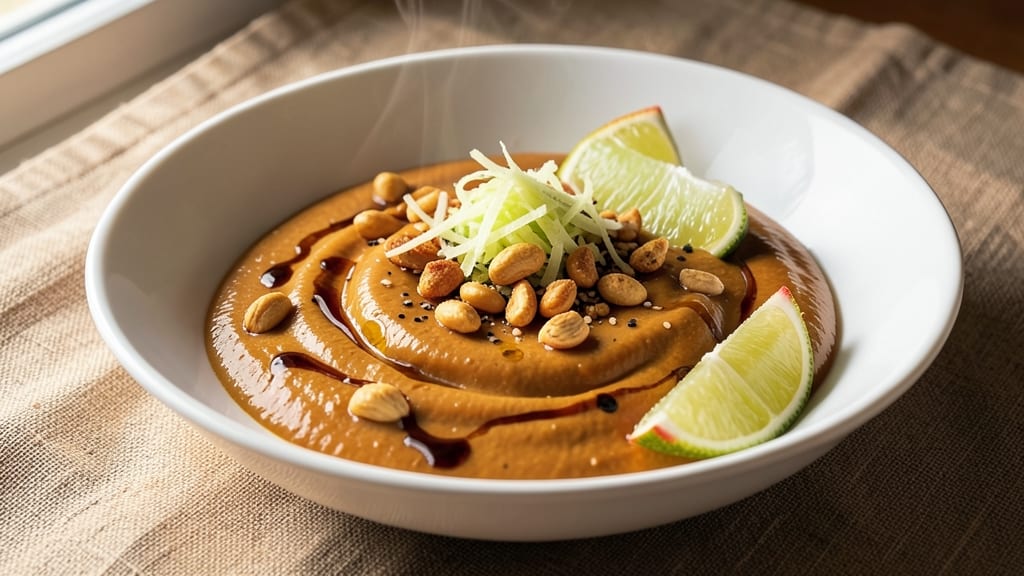
This ginger lime peanut sauce transforms ordinary dishes into vibrant, restaurant-quality meals with just a few simple ingredients. The bright citrus notes of lime and fresh ginger cut through the richness of peanuts, creating a perfect balance of sweet, spicy, and nutty flavors.
It’s the kind of sauce that elevates stir-fries, grilled meats, and even salads with minimal effort.
What makes this recipe stand out is its versatility—whether you drizzle it over noodles, toss it with vegetables, or use it as a dip for spring rolls, the flavors shine.
The sauce comes together in just 10 minutes with a blender and a saucepan, making it ideal for weeknight cooking or meal prep. The key lies in blending the ingredients smoothly for a silky texture that clings beautifully to food.
Once you taste this sauce, you’ll never go back to store-bought versions. The fresh ginger adds a subtle kick, while the lime juice keeps it bright and tangy. A touch of honey or maple syrup balances the flavors, ensuring it’s sweet enough to complement savory dishes without overpowering them.
Store it in the fridge for up to one week, and you’ll always have a flavorful sauce ready to enhance your meals.
Perfect for Asian-inspired dishes, this sauce pairs especially well with chicken, tofu, or shrimp stir-fries. It’s also a game-changer for dipping, adding depth to spring rolls, dumplings, or even fresh vegetables. Let’s get started on this easy yet impressive recipe!
Ingredients for ginger lime peanut sauce
Eight simple ingredients transform into this zesty, nutty sauce that elevates everything.
| Ingredient | Amount | Notes |
|---|---|---|
| Raw Peanuts 🥜 | 1 cup | Roasted, unsalted preferred |
| Fresh Ginger 🌿 | 2 tbsp | Grated finely, no peels |
| Lime Juice 🍋 | ¼ cup | Freshly squeezed, seeds strained |
| Maple Syrup 🍯 | ¼ cup | Pure, grade B preferred |
| Soy Sauce 🥢 | 2 tbsp | Light or regular, not low-sodium |
| Sesame Oil 🫒 | 1 tbsp | Toasted, not flavored |
| Garlic Cloves 🧄 | 3 cloves | Minced or finely grated |
| Water 💧 | ¼ cup | Room temperature preferred |
| Red Pepper Flakes 🌶️ | ½ tsp | Adjust for heat preference |
| Salt 🧂 | ½ tsp | Kosher or sea salt |
The peanuts are the star here—raw, unsalted gives you the most flavor, but roasted works too. Trader Joe's or Costco have the best bulk prices. Fresh ginger is non-negotiable; jarred won’t cut it. Look for plump, firm ginger roots with no soft spots. The lime juice should be bright and tangy—Mexican limes if you can find them, or regular limes in a pinch. For the maple syrup, grade B has a deeper flavor, but any pure maple works. Soy sauce matters too—Kikkoman or La Choy are safe bets.
No fresh ginger? Two teaspoons of ground ginger works in a bind, but it won’t be as vibrant. Running low on peanuts? Cashews or almonds blend just as smoothly. Skip the sesame oil? Avocado oil or neutral oil keeps the flavor, but you’ll miss that nutty depth. The sauce is naturally sweet, but if you want more, add an extra tablespoon of maple syrup. Too thick after blending? Thin with warm water, one tablespoon at a time. Too thin? Simmer in a saucepan for 2-3 minutes to reduce.
This sauce keeps beautifully—one week in the fridge, sealed tightly. For longer storage, freeze in ice cube trays, then transfer to a bag. Thaw overnight in the fridge. The flavor actually improves after a day or two as everything melds. Double the batch—it disappears fast! Store leftovers in a glass jar to keep the aroma fresh. Perfect for meal prep: make a big batch on Sunday and use it all week for stir-fries, dipping, or drizzling.
Why You'll Love This Recipe
- Five-Ingredient Magic: I swear by this—just toast the peanuts, grate the ginger, and pulse everything in a food processor. No fancy techniques, no waiting for hours. Honestly, I’ve made it while microwaving leftovers.
- Zingy, Nutty Bliss: That bright lime cuts through the richness of the peanuts, while the ginger adds a warm kick. The maple syrup ties it all together—sweet, tangy, and just a little salty from the soy. It’s the kind of sauce that makes you lick the bowl.
- Dip, Drizzle, Repeat: Slather it on grilled chicken, toss it with noodles, or serve it as a dip for veggies. I’ve even used it in stir-fries when I’m lazy. The best part? It’s just as good the second day—if there’s any left.
- Budget-Friendly Pantry Hero: Raw peanuts and ginger are cheap staples, and I bet you already have lime, soy sauce, and maple syrup. A little goes a long way, so you won’t be buying more just to use it up. (Yes, even on a Tuesday night.)
Step-by-step instructions for ginger lime peanut sauce
Here's how to make this vibrant, nutty sauce that's perfect for dipping or stir-fries.
Toast the Peanuts for Maximum Flavor
Start by dry toasting the 1 cup raw peanuts in a large skillet over medium heat for 5-7 minutes. You want them to turn a rich golden brown and release their nutty aroma. Stir them constantly so they don't burn—you're aiming for a toasty, not smoky, flavor. Remove from heat and let them cool for 2 minutes before transferring to a food processor. This step is crucial because toasted peanuts bring deep, roasted notes that balance the sauce's brightness.
While the peanuts cool, take a moment to smell them—they should have that warm, toasty peanut scent that'll carry through your sauce. If they're still hot when you process them, they'll melt the oils and create a greasy mess instead of a smooth sauce. Trust me, that 2-minute wait makes all the difference.
Process Peanuts into a Smooth Paste
Add the toasted peanuts to a food processor along with the 2 tbsp finely grated fresh ginger and 3 cloves minced garlic. Pulse for 10-15 seconds until everything is broken down. Then add the 0.5 tsp salt and 0.5 tsp red pepper flakes and pulse another 5 seconds just to distribute the seasoning.
Here's the thing—don't over-process yet. You want some texture in your sauce, not a completely smooth peanut butter. Leave it slightly chunky so you get that satisfying bite. Once you've got everything combined, scrape down the sides with a spatula to make sure all the peanut bits are incorporated. This ensures even flavor distribution throughout the sauce.
Blend Wet Ingredients for a Silky Texture
With the processor running, slowly drizzle in the 0.25 cup lime juice and 0.25 cup maple syrup. This gradual addition prevents the mixture from splattering all over your kitchen. Add the 2 tbsp soy sauce and 1 tbsp sesame oil next, then pulse until completely smooth. You'll know it's ready when it looks like a thick, glossy sauce that coats the back of a spoon.
Taste the mixture at this point—it should be tangy, sweet, and slightly spicy. If it needs more balance, add 1-2 tablespoons of the 0.25 cup water at a time until you reach your preferred consistency. The sauce should be thick enough to coat stir-fry vegetables or dip spring rolls but still pourable. This is where you can adjust the sweetness, tang, or spice to your exact preference.
Finish with Sesame Oil for Depth
Transfer the sauce to a bowl and let it sit for 5 minutes at room temperature. This resting period allows all the flavors to meld together. Before serving, drizzle in the remaining 1 tbsp sesame oil while whisking continuously. The sesame oil adds that final nutty aroma and rich depth that makes this sauce truly special.
Give it one final taste and adjust seasoning if needed—maybe a touch more lime for brightness or a pinch more salt for saltiness. The sauce should be vibrant, with a perfect balance of sweet, tangy, spicy, and nutty flavors. Serve immediately over your favorite stir-fry or with fresh spring rolls for the ultimate dipping experience.
Pro Tips For Making Ginger Lime Peanut Sauce
- TOAST PEANUTS UNTIL GOLDEN: I learned this the hard way—raw peanuts straight from the bag taste bland and chalky. Dry-toast them in a single layer over medium heat for 8-10 minutes until they’re fragrant and just starting to turn golden, shaking the pan every 2 minutes. That nutty aroma is the foundation of the sauce, and skipping this step means your sauce will taste flat.
- GRATE GINGER FINE, NOT PASTE: Fresh ginger loses its punch when you blend it into a pulp. Use the smallest holes on a box grater and work in short bursts—too much at once clogs the grater and makes your sauce bitter. Aim for a texture like wet sand; this way, the heat can coax out its bright, zesty flavor without turning it mushy.
- SALT THE PEANUTS FIRST: Don’t wait until the sauce comes together to season. Toss the toasted peanuts with a pinch of salt (about ¼ teaspoon) right after toasting—this draws out their oils and makes them taste richer when blended. I know, it seems counterintuitive, but it actually balances the sweetness later.
- SIMMER THE SAUCE LOW AND SLOW: After blending, resist the urge to rush the simmer. Heat the sauce over low-medium for 5-7 minutes, stirring often, until it thickens slightly. High heat burns the maple syrup and turns the sauce cloying; low heat lets the flavors meld without scorching. If it’s too thick, add a splash of warm water—just enough to loosen it.
Essential equipment for this recipe
Blender or Food Processor
You’ll need either a high-powered blender or a food processor to achieve that silky, smooth texture. I recommend a Vitamix or Ninja for blending—these handle nutty ingredients like peanuts without overheating. If using a food processor, make sure it’s at least 12 cups capacity to avoid overfilling.
A small immersion blender works too, but you’ll need to pulse frequently to avoid splattering. 💫
Skillet for Toasting
A non-stick skillet (like All-Clad or Calphalon) is ideal for toasting the peanuts—it prevents sticking and ensures even browning. If you don’t have non-stick, a cast-iron skillet works too, but you’ll need to oil it well first.
Keep heat at medium to avoid burning; peanuts release oils quickly. A small saucepan can also work if you’re short on skillet space.
Measuring Tools
Precision matters here, especially with the lime juice and maple syrup. Use a liquid measuring cup for accurate pours—no eyeballing! A microplane for ginger and a garlic press save time and ensure fine texture.
For the red pepper flakes, a spice scoop keeps measurements consistent. I keep these tools handy because small errors can throw off the sauce’s balance.
Whisk for Finishing
A balloon whisk or fork is perfect for emulsifying the sauce after blending. Whisk in the sesame oil slowly to incorporate it fully—this adds that signature nutty aroma. If you’re making a big batch, a hand mixer on low speed works too.
The key is gentle motion to avoid creating air bubbles, which can make the sauce look unappetizing.
Storage Containers
Transfer the sauce to an airtight glass jar or BPA-free plastic container for storage. Glass preserves flavor best and is microwave-safe for reheating. Label with the date—this sauce keeps for up to 1 week in the fridge.
For longer storage, freeze in ice cube trays and transfer to a bag. The sauce thickens when chilled, so thin with warm water before using again.
Nutrition facts
Frequently asked questions
Can I substitute honey for maple syrup in this sauce?
Yes, you can use honey in a 1:1 ratio, but the flavor profile will differ slightly. Honey adds a floral sweetness while maple syrup brings caramel notes. For best results, use raw, local honey—it blends more smoothly than processed versions. If you prefer, try agave nectar instead for a neutral sweetener that won't alter the sauce's tangy balance.
How can I make this sauce spicier?
Increase the red pepper flakes to 1-1.5 teaspoons for noticeable heat. For a smoky kick, add ½ teaspoon smoked paprika or a dash of Sriracha (start with ½ teaspoon and adjust). Fresh chili like jalapeño or serrano (minced) works too—add 1-2 tablespoons of seeds and pulp for extra punch. Always taste as you go!
What's the best way to thin this sauce if it's too thick?
Add warm water or broth (chicken or vegetable) 1 tablespoon at a time while whisking continuously. For a richer option, use lime juice or water from the cooked peanuts (save the liquid after toasting). Avoid cold liquids—they can cause the sauce to separate. If it's still too thick after thinning, gently simmer for 2-3 minutes to reduce it again.
Can I make this sauce nut-free?
Swap peanuts for sunflower seeds or cashews (soaked if dry). For extra creaminess, add 2 tablespoons tahini or silken tofu to the blender. The texture will be slightly different but still delicious. Just reduce the water by 1 tablespoon if using sunflower seeds, as they're less oily than peanuts.
Why did my sauce separate after refrigerating?
This happens when the oils (from peanuts/sesame) and liquids (lime juice/water) aren't properly emulsified. Next time, whisk vigorously after blending or add 1 teaspoon cornstarch mixed with 1 tablespoon water to stabilize it. To fix separated sauce, whisk or blend again with 1-2 tablespoons warm water until smooth. Store in a glass jar to prevent future separation.