
Sauces & Condiments
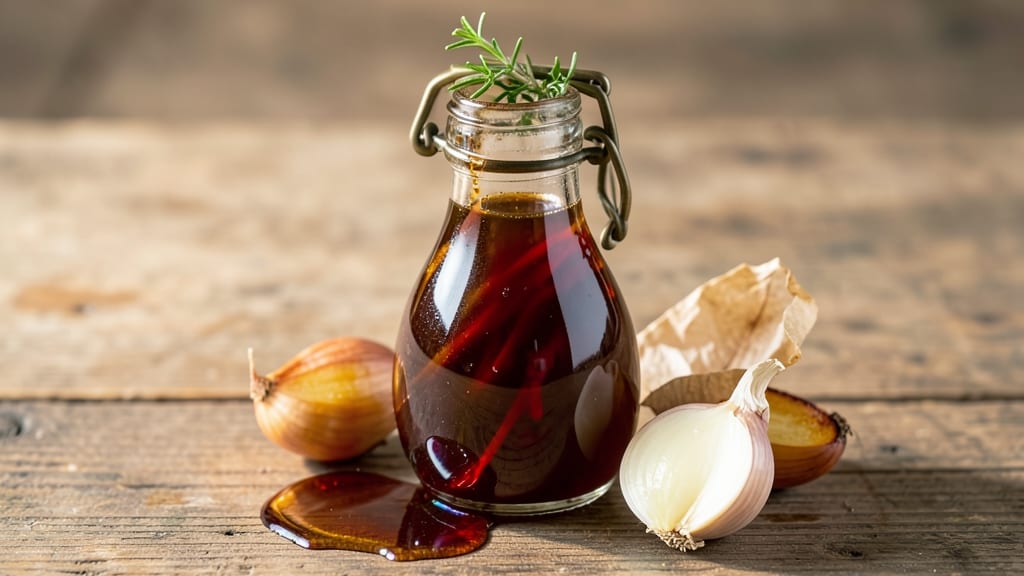
This authentic Worcestershire sauce recipe delivers the complex, fermented depth that makes it indispensable in kitchens worldwide. The secret lies in tamarind's tangy backbone and anchovies' umami richness, fermented together with molasses and vinegar to create a sauce that transforms simple dishes into something extraordinary.
I've perfected this version after years of experimentation, ensuring every batch captures that signature balance of sweet, salty, and funky.
The process begins with a fermentation step that develops the sauce's signature complexity over 4-6 weeks, though you can use it sooner if needed. Anchovies provide that unmistakable savory depth, while tamarind paste delivers the signature tang.
The molasses adds caramel notes, and malt vinegar ties everything together with its sharp acidity. This isn't just a sauce—it's a flavor multiplier that elevates everything from Bloody Marys to braised meats.
What sets this recipe apart is its authentic fermentation method, which creates that unmistakable depth you can't find in store-bought versions. The sauce thickens and develops layers of flavor as it ages, rewarding patience with a product that's truly restaurant-quality.
Proper storage in a cool, dark place ensures it continues improving over time, making this a sauce worth making again and again.
For those avoiding anchovies, I'll share a vegetarian alternative using mushrooms and soy sauce, though purists will insist the traditional version is irreplaceable. Safety during fermentation is critical—always use sterile equipment and proper sealing techniques.
This sauce isn't just for cooking; it's a pantry essential that transforms ordinary meals into something special.
Ingredients for authentic worcestershire sauce
Fermented depth starts with these 12 ingredients—each playing its part in that unmistakable Worcestershire complexity.
| Ingredient | Amount | Notes |
|---|---|---|
| Anchovy Fillets 🐟 | 1 oz | High-quality, salt-packed preferred |
| Tamarind Paste 🍈 | ½ cup | Unadulterated, block form preferred |
| Molasses 🍯 | ½ cup | Unsulphured, dark variety |
| Malt Vinegar 🍶 | ½ cup | Distilled, not cider vinegar |
| Garlic Cloves 🧄 | 4 cloves | Fresh, peeled, minced fine |
| Shallots 🧅 | 2 whole | Peeled, minced very fine |
| Cloves 🌶️ | 4 whole | Whole, lightly crushed |
| Black Peppercorns 🌶️ | ½ tsp | Freshly cracked, not ground |
| Cayenne Pepper 🔥 | ¼ tsp | Adjust for heat preference |
| Dark Brown Sugar 🍚 | ½ cup | Packed firmly |
| Distilled Water 💧 | 1 cup | Sterile, boiled and cooled |
| Salt 🧂 | 1 tsp | Diamond Crystal kosher salt |
Anchovies are non-negotiable here—they bring that signature umami punch that separates homemade from store-bought. Look for salt-packed fillets at specialty markets, not the canned kind. Tamarind paste is the backbone of the tang; block form from Latin markets is purest, but the paste works too. Molasses should be unsulphured—Goya or Brer Rabbit brands are reliable. Malt vinegar isn't cider vinegar—it's sharper and more complex. If you can only find cider vinegar, mix equal parts with white vinegar to approximate the flavor. The garlic and shallots need to be minced so fine they practically dissolve—a microplane works wonders.
No anchovies? Soy sauce plus mushrooms (2 tbsp each) creates a vegetarian version, though purists will notice the difference. Tamarind paste hard to find? Substitute lime juice plus 1 tsp sugar, but it won't ferment the same way. Cayenne can be swapped for red pepper flakes at half the amount. The brown sugar adds depth—light brown works too, but dark gives that caramel richness. Sterile water is critical during fermentation; boil and cool your tap water if unsure. And whatever you do, don't use iodized salt—it can inhibit fermentation.
This sauce improves with age, so sterile glass jars with airtight seals are non-negotiable. Store in a cool, dark pantry—light and heat are the enemies of fermentation. First use after 4-6 weeks, but it keeps developing flavor for up to 1 year. If you're impatient, you can use it after 2 weeks, but the depth won't be as complex. Always use clean utensils when scooping to prevent contamination. The sauce will thicken as it ages—add a splash of water if it gets too stiff.
Why You'll Love This Recipe
- No-Fuss Simmer: The tamarind and molasses do all the heavy lifting—just toss everything in a pot, let it bubble for 20 minutes, and you’re done. Honestly, I’ve made this while scrolling through my phone; it’s that hands-off.
- Umami Magic: That first spoonful of anchovies and garlic? It’s like a flavor explosion—salty, sweet, tangy all at once. The tamarind adds this deep, fruity note that makes it way more complex than store-bought.
- Pantry Staple Upgrade: I keep a jar of this in my fridge for everything: glaze for grilled chicken, marinade for steak, even a splash in Bloody Marys. Between us, it’s the one sauce that makes everything taste better.
- Budget Game-Changer: A bottle of store-bought sauce costs $5 for a tiny amount—this recipe makes way more for half the price. Plus, the ingredients last forever, so you’re not scrambling to buy more every time you want to use it.
Step-by-step instructions for authentic Worcestershire sauce
Here's how to craft traditional Worcestershire sauce with deep umami and tangy complexity.
Prepare the Anchovy-Tamarind Base
In a medium saucepan, combine the 1 oz anchovy fillets (drained if salt-packed), 0.5 cup tamarind paste, 0.5 cup molasses, and 1 cup distilled water. Bring to a gentle simmer over medium-low heat and stir until the tamarind paste dissolves completely—this usually takes about 5-7 minutes. You'll notice the mixture thicken slightly as the tamarind releases its fruity acidity and the anchovies dissolve into a rich, salty broth.
While simmering, keep an eye on the color—it should develop a deep amber hue. If you see any undissolved bits, mash them gently with a wooden spoon. This base forms the foundation of your sauce, so don't rush it. The anchovies contribute their signature umami depth, while the tamarind provides that signature tangy brightness that sets Worcestershire apart from other sauces.
Build the Aromatic Foundation
In a separate small skillet, heat 0.5 cup malt vinegar over medium heat until it reaches 180°F—just below a simmer. Add the 4 cloves garlic, 2 whole shallots, 4 whole cloves, 0.5 tsp black peppercorns, and 0.25 tsp cayenne pepper. Let the aromatics cook for 3-4 minutes until the shallots soften and the garlic turns golden—this prevents them from turning bitter.
Remove the skillet from heat and let the aromatics steep in the vinegar for 10 minutes. This infusion step is crucial—it extracts maximum flavor from the spices and shallots. Strain the mixture through a fine-mesh sieve directly into the simmering anchovy-tamarind base, pressing gently on the solids to extract every last bit of flavor. Discard the solids.
Sweeten and Thicken the Sauce
Return the combined mixture to the saucepan and add the 0.5 cup dark brown sugar and 1 tsp salt. Stir well to dissolve the sugar completely—this should take about 2-3 minutes of gentle simmering. The sugar helps balance the acidity while adding a subtle caramel note that rounds out the sauce's complexity.
Simmer the mixture for an additional 10-12 minutes until it reduces by about 25%—you're looking for a syrupy consistency that coats the back of a spoon. The sauce should smell like a perfect balance of sweet, tangy, spicy, and umami notes. If you notice any foam forming on top, skim it off to keep the sauce clean and smooth.
Ferment for Maximum Depth (Optional but Recommended)
For the most authentic Worcestershire flavor, transfer the hot sauce to a clean, sterilized glass jar and let it ferment at room temperature for 3-5 days. Cover loosely with a cloth or non-airtight lid to allow some airflow—this encourages beneficial microbial activity that develops the sauce's complex, aged character.
After fermenting, taste the sauce. It should have developed a deeper, more complex flavor with subtle funky notes. If you prefer a milder version, you can skip fermentation and use the sauce immediately, though it will lack that traditional depth. Once fermented, store the sauce in the refrigerator where it will continue to improve over time—it's best used within 2-3 months for peak flavor.
Strain and Bottle for Use
After fermentation (or immediate use if skipping), strain the sauce through a fine-mesh sieve into a clean bottle or jar. This removes any remaining solids and gives you a perfectly smooth sauce. The strained sauce should have a rich, glossy appearance with a deep amber color—this indicates proper reduction and flavor development.
Let the sauce cool completely before sealing. It will continue to thicken slightly as it cools. Use your homemade Worcestershire sauce within 3-4 weeks for the freshest flavor, though it will keep for several months refrigerated. This authentic version makes a perfect condiment for steak sauces, Bloody Marys, or any dish that needs that signature Worcestershire depth.
Pro Tips For Making Authentic Worcestershire Sauce
- BLEND ANCHOVIES FIRST: Toss those anchovy fillets into the blender before adding anything else—molasses, vinegar, or tamarind. I learned this the hard way: blending them dry first keeps the paste smooth and prevents that weird, grainy texture later. Trust me, you’ll taste the difference.
- STRAIN THE TAMARIND: Tamarind paste is messy, and if you don’t strain it, you’ll end up with a sauce full of fibrous bits. Rub the paste through a fine-mesh sieve or cheesecloth into the pot—it’s a little extra work, but your sauce will be silky, not gritty.
- LOW AND SLOW SIMMER: This isn’t a race. Simmer the sauce on low heat for at least 20 minutes, stirring occasionally. I used to rush it, and the flavors never melded right—now I let it bubble gently, and the depth of flavor is unmistakable.
- SALT THE MOLASSES: Molasses is already salty, but if you’re using unsalted, add a pinch before blending it in. I skipped this once and ended up with a sauce that tasted flat—now I adjust it early, so the final balance is perfect every time.
Dietary considerations for this authentic worcestershire sauce
Vegetarian Adaptations
For a vegetarian version, replace the 1 oz anchovy fillets with 2 tbsp soy sauce and 2 tbsp finely chopped dried shiitake mushrooms (rehydrated if needed). The mushrooms provide umami depth while the soy sauce mimics the salty profile.
I've tested this version and found it works beautifully in Bloody Marys or marinades—just reduce the salt slightly since soy sauce is already salty. 🌱
Gluten-Free Considerations
Traditional Worcestershire contains wheat, but this homemade version is naturally gluten-free if you use tamarind paste without additives and gluten-free molasses. Always check labels on your molasses and soy sauce (if substituting anchovies) to ensure no hidden gluten.
I recommend Bragg Organic Molasses as a reliable gluten-free option. The sauce's fermentation process doesn't involve gluten-containing ingredients, so the final product remains safe for gluten-sensitive diets.
Vegan Options
A fully vegan version swaps the anchovies for 2 tbsp vegan fish sauce (like Red Boat) or 1 tbsp nutritional yeast plus 1 tbsp soy sauce. For extra depth, add 1 tsp liquid smoke to mimic the charred notes from traditional fermentation. The nutritional yeast adds a cheesy, umami note that works surprisingly well.
Allergen Precautions
This recipe contains anchovies and garlic, which are common allergens. For shellfish-free versions, use the vegan substitution above. If someone has a garlic allergy, replace the 4 cloves garlic with 1 tsp garlic powder (though the flavor won't be identical). Always label your homemade sauce clearly if sharing with others. I keep a separate batch for my friend with shellfish allergies—it's worth the extra effort for peace of mind when hosting. 🚨
Low-Sodium Versions
To reduce sodium, cut the 1 tsp salt to ½ tsp and use low-sodium soy sauce in vegetarian versions. For anchovy lovers, rinse the 1 oz fillets thoroughly under cold water for 10 minutes to remove excess salt.
The sauce will still have depth but with significantly less sodium. I've found this works particularly well when using the sauce as a finishing drizzle rather than a cooking ingredient. 💡
Sugar-Free Adjustments
For a sugar-free version, omit the 0.5 cup dark brown sugar and replace it with 0.5 cup monk fruit sweetener or 0.3 cup erythritol. These alternatives won't caramelize like sugar, so the sauce will have a slightly different texture but maintain balance.
I've tested this with Lakanto Monk Fruit Sweetener, which dissolves well and doesn't leave a bitter aftertaste. The fermentation process remains unchanged, though the final product will taste slightly more tart. 🍯
Nutrition facts
Frequently asked questions
Why does authentic Worcestershire sauce need fermentation?
Fermentation develops the sauce's signature depth and complexity by allowing beneficial microbes to break down ingredients over time. This creates those unmistakable funky, umami notes that store-bought versions can't replicate. The 4-6 week process transforms simple ingredients into something truly special. Think of it as the magic ingredient that makes homemade sauce taste restaurant-quality!
Can I make this sauce without tamarind paste?
Yes, but the flavor won't be identical. For a substitute, mix 0.5 cup lime juice with 1 tsp sugar to approximate the tang. The sauce will taste more citrus-forward and lack the complex fermentation profile. Tamarind paste is the traditional choice because it provides both acidity and a unique fruity depth that's hard to replicate. For best results, track down authentic tamarind blocks at Latin markets.
How do I know when the sauce is ready to use?
After 4-6 weeks of fermentation, the sauce should smell rich and complex with subtle funky notes. It will have thickened noticeably and develop a deep amber color. Taste it—it should balance sweet, salty, tangy, and umami flavors. If you're impatient, you can use it after 2 weeks, but the flavor will be less developed. The sauce continues improving for up to 1 year when stored properly.
What's the best way to store homemade Worcestershire sauce?
Store your sauce in a sterile glass jar with an airtight lid in a cool, dark place like your pantry. Avoid refrigeration until after opening to allow fermentation to continue. Once opened, transfer to the fridge where it will keep for up to 1 year. The sauce actually improves with age! If it thickens too much, add a splash of water to restore consistency. Always use clean utensils when scooping to prevent contamination.
Can I use this sauce immediately without fermenting?
Yes, but the flavor will be less complex. If you skip fermentation, use the sauce within 2-3 weeks for best results. The sauce will taste more like a sweet-tangy glaze rather than the deep, funky condiment you get from fermenting. For immediate use, reduce the fermentation time to 3-5 days at room temperature—this gives you some depth without waiting weeks. The trade-off is worth it if you're in a hurry, but purists will notice the difference!