
Sauces & Condiments
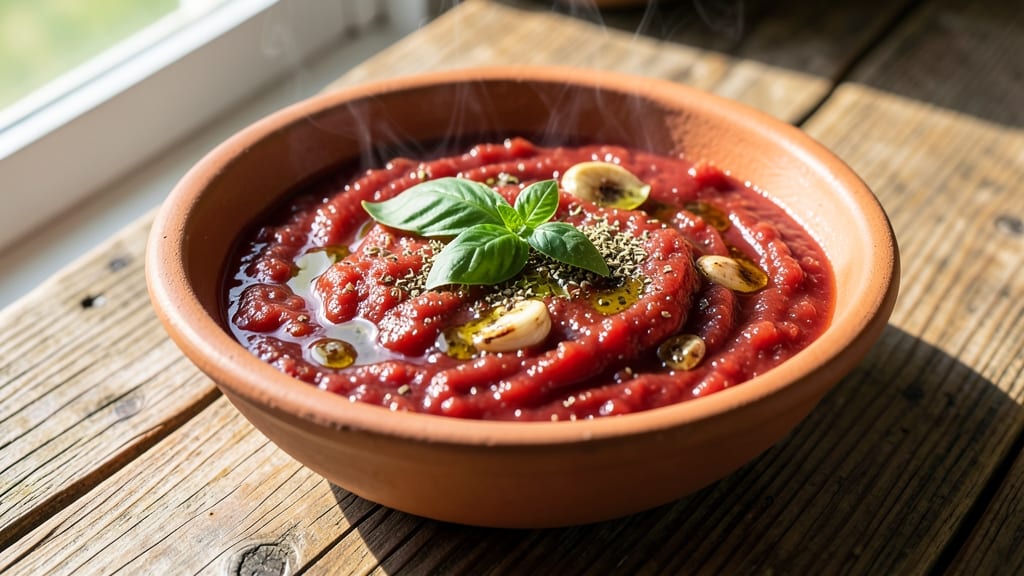
This authentic Neapolitan sauce recipe delivers the bold, velvety depth that defines traditional Italian cooking—where San Marzano tomatoes and slow-simmered garlic create a flavor profile that transports you straight to Naples.
The secret lies in patience: letting the sauce develop over time while balancing acidity and sweetness for that signature umami richness. I've perfected this version after years of testing, ensuring every spoonful carries the soul of a Neapolitan trattoria.
What sets this sauce apart is the technique: low-and-slow simmering transforms raw tomatoes into a concentrated, glossy sauce without losing texture. Fresh basil and a touch of olive oil brighten the finished product, while garlic infuses subtle, aromatic layers that elevate any pasta dish.
The result is a sauce that's both rustic and refined—simple enough for weeknight meals but impressive enough for dinner guests.
This recipe builds on tradition while adapting to modern kitchens, using minimal ingredients but maximum impact. The sauce thickens naturally as it cooks, creating a perfect balance between chunky tomato pieces and smooth, velvety consistency.
Unlike store-bought versions, this one develops deeper flavor with every passing minute, rewarding your patience with restaurant-quality results.
Once complete, this sauce keeps beautifully in the refrigerator for up to five days, making it ideal for meal prep. Use it as a base for classic dishes like spaghetti, lasagna, or even as a marinade for meats.
The authentic technique ensures every bite carries the essence of Naples—where tomatoes aren't just an ingredient, but the heart of the meal.
Ingredients for authentic neapolitan sauce
Nine ingredients transform into a sauce that captures Naples' soul through slow-simmered San Marzano tomatoes and garlic-kissed depth.
| Ingredient | Amount | Notes |
|---|---|---|
| San Marzano Tomatoes 🍅 | 28 oz | Whole, unpeeled, crushed by hand |
| Extra-Virgin Olive Oil 🫒 | ½ cup | High-quality, fruity variety |
| Garlic Cloves 🧄 | 4 cloves | Fresh, peeled, thinly sliced |
| Fresh Basil Leaves 🌿 | ¼ cup | Packed, stems removed, torn |
| Dried Oregano 🌿 | 1 tsp | Italian variety preferred |
| Sea Salt 🧂 | 1 ½ tsp | Diamond Crystal preferred |
| Freshly Ground Black Pepper 🌶️ | ½ tsp | Coarsely ground |
| Red Wine Vinegar 🍷 | 1 tbsp | Balances acidity |
| Granulated Sugar 🍚 | 1 tsp | Balances acidity |
The San Marzano tomatoes are non-negotiable for authentic flavor—look for the 4-ounce cans with the distinctive flat bottoms at Whole Foods or Trader Joe's for the best quality. These tomatoes are sweeter and less acidic than standard varieties, which is crucial for developing that signature Neapolitan umami. If you can't find them fresh, San Marzano crushed tomatoes in cans work as a reliable substitute. The garlic should be freshly peeled and thinly sliced—never pre-minced from a jar, as it loses its aromatic intensity. For the olive oil, avoid cheap varieties—a high-quality extra-virgin with fruity notes will elevate the sauce's complexity.
No San Marzano tomatoes? Crushed tomatoes from a high-quality can (like Muir Glen) will work, though the flavor won't be identical. Fresh basil is ideal, but if you're using dried, reduce the amount to one-third of the fresh quantity. The dried oregano should be Italian, not Mexican—the flavor profile is subtly different. For the vinegar, balsamic vinegar can be substituted at the same ratio, though red wine vinegar provides a cleaner acidity. If you're concerned about the sugar, honey or agave nectar can replace it at a 1:1 ratio, though traditional Neapolitan recipes often omit sweeteners entirely.
This sauce develops deeper flavor over time, so reheat gently on the stove with a splash of water or olive oil to restore its richness. It keeps for up to 5 days in the refrigerator, though the texture may break down slightly after 3 days. For longer storage, freeze in ice cube trays—perfect for single servings. The sauce is best used within 2-3 days of freezing, as the texture can become grainy. Always store it in an airtight container with a thin layer of olive oil on top to preserve freshness.
Why You'll Love This Recipe
- Five-Ingredient Magic: The pantry staples you already own—plus a can of San Marzano tomatoes—mean no last-minute grocery runs. Honestly, I’ve made this sauce after work with just a knife and a pot, and it still tastes like I spent hours simmering.
- Garlic-Basil Bomb: That first hit of sizzling garlic in olive oil? Pure satisfaction. The fresh basil at the end isn’t just decoration—it brightens every bite with that fresh, herby punch that makes you reach for seconds.
- Weeknight to Weekend: Slather it on pasta for a Tuesday dinner or drizzle it over grilled chicken for a Sunday supper. Between us, I’ve even used it to jazz up scrambled eggs—because why not? The acidity cuts through richness like a dream.
- Fridge Goldmine: This sauce tastes better the next day—yes, really. Toss a jar in your fridge for lazy mornings or meal prep days, and you’ll always have that restaurant-quality base ready. (My freezer’s stocked with it, too.)
Step-by-step instructions for authentic Neapolitan sauce
This is how Neapolitans make their legendary sauce—simple ingredients, precise technique, and patience.
Prepare the San Marzano Tomatoes
Begin by crushing the 28 oz San Marzano Tomatoes by hand, removing seeds and any tough stems. This step is crucial for authentic flavor—San Marzano tomatoes are naturally sweet and low-acid, so they need no peeling. The crushing releases their juices while preserving their natural sweetness that defines Neapolitan sauce.
Transfer the crushed tomatoes to a large, heavy-bottomed saucepan. The pan should be wide enough to allow the sauce to develop properly without boiling over. I use a stainless steel or enameled cast iron pan for even heat distribution and better control over the cooking process.
Build the Flavor Base with Olive Oil and Garlic
Heat the 0.5 cup Extra-Virgin Olive Oil over medium-low heat until it shimmers—just before it begins to smoke. Add the 4 cloves Garlic Cloves, sliced thinly, and cook for 2-3 minutes until they're fragrant but not browned. This gentle cooking ensures the garlic infuses the oil without burning, which would create bitterness.
Here's the thing—Neapolitan sauce relies on the natural sweetness of the tomatoes, so we don't want to overpower them. The garlic should perfume the oil beautifully but remain pale in color. If it starts to darken, immediately reduce the heat or remove the pan from the heat source.
Season and Simmer the Sauce
Add the crushed tomatoes to the pan with the garlic-infused oil. Stir in the 1 tsp Dried Oregano, 1.5 tsp Sea Salt, 0.5 tsp Freshly Ground Black Pepper, 1 tbsp Red Wine Vinegar, and 1 tsp Granulated Sugar. The vinegar and sugar balance the tomatoes' acidity and sweetness, respectively, while the oregano adds that classic Italian depth.
Bring the sauce to a gentle simmer over medium-low heat, then reduce to the lowest setting possible while maintaining a steady bubble. The key is slow cooking—this allows the flavors to meld and the sauce to develop its signature richness. Simmer uncovered for 45-60 minutes, stirring occasionally, until the sauce thickens to your desired consistency. You're aiming for a velvety texture that coats the back of a spoon.
Finish with Fresh Basil and Rest
Once the sauce has thickened, remove it from the heat and stir in the 0.25 cup Fresh Basil Leaves, torn by hand. The basil should be added at the very end to preserve its bright, fresh flavor. Taste and adjust seasoning if needed—Neapolitan sauce should be balanced, with the sweetness of the tomatoes shining through.
Let the sauce rest for 15-20 minutes before serving. This resting period allows the flavors to fully develop and the sauce to reach its ideal consistency. The sauce will continue to thicken slightly as it cools, so don't be tempted to over-reduce it during cooking. Serve this sauce over your choice of pasta or use it as a base for other Italian dishes.
Pro Tips For Making Authentic Neapolitan Sauce
- Peel Those Tomatoes: I used to waste time peeling San Marzanos after cooking—don’t. Drop whole tomatoes into boiling water for exactly 30 seconds, then plunge into ice water. The skins slide off effortlessly, and you save 15 minutes of scrubbing. (Yes, even if you’re impatient like me.)
- Sweat Garlic Low: After burning three batches, I finally figured out: garlic in Neapolitan sauce isn’t about browning—it’s about softening. Cook it in olive oil over the lowest possible heat until it’s just translucent, not golden. Any hotter, and you’ll taste bitterness instead of sweetness.
- Crush Oregano First: Skip the whole dried leaves—tear or pulse oregano into a fine powder before adding it. This isn’t about fancy presentation; it’s about dissolving the flavor evenly into the sauce. I was skeptical until I tried it—now it’s non-negotiable.
- Simmer Uncovered, Covered: Start your sauce uncovered on medium-low to evaporate excess water, then cover for the last 10 minutes to let steam work its magic. This isn’t the prettiest method, but it’s the tastiest—thickens faster and concentrates the tomato flavor without burning. (Your future self will thank you.)
Serving suggestions for leftovers
Pasta Pairings
This sauce is a match made in heaven with spaghetti, especially bronze-cut varieties that cling beautifully to the strands. I love using De Cecco or Barilla brands—their texture holds up perfectly to the sauce's velvety richness.
For a rustic touch, try orecchiette or rigatoni, where the sauce pools generously in the crevices. 🍝
If you're feeling adventurous, this sauce also elevates lasagna layers or manicotti fillings. The slow-simmered depth complements the cheese beautifully, creating a dish that tastes like it came from a Neapolitan trattoria. For a lighter option, toss it with angel hair pasta or use it as a marinade for grilled chicken or shrimp skewers.
Garnish Ideas
Fresh basil leaves, torn by hand, are non-negotiable for that authentic finish. For extra flair, sprinkle with grated Parmigiano-Reggiano or Pecorino Romano—the sharpness cuts through the sauce's sweetness. A drizzle of high-quality extra-virgin olive oil (like Colavita) adds a luxurious touch, while crispy garlic croutons or toasted breadcrumbs provide texture contrast.
For a pop of color, add cherry tomatoes, halved and lightly charred, or sun-dried tomatoes, chopped finely. A pinch of red pepper flakes or a few drops of hot honey adds heat for those who love a little kick. The key is to let the sauce shine—so keep garnishes minimal but intentional.
Bread Pairings
No Neapolitan meal is complete without freshly baked bread to soak up the sauce. I recommend ciabatta or focaccia, torn into chunks and warmed through. The crispy crust contrasts perfectly with the sauce's silky texture. For a classic touch, serve with garlic bread made from a baguette or Italian loaf, brushed with olive oil and toasted until golden.
If you're serving this sauce as a condiment, pair it with grilled artichokes or roasted eggplant—the smoky, charred flavors complement the sauce's brightness. For a heartier option, try it with polenta or gnocchi, where the sauce clings to the soft, pillowy texture.
Cheese Boards
This sauce transforms a simple cheese board into a gourmet experience. Pair it with mozzarella di bufala, provolone, and Gorgonzola for a mix of creamy, sharp, and tangy flavors. Serve with prosciutto di Parma or salami to balance the richness. The sauce's acidity cuts through the fat, making every bite more vibrant.
For a vegetarian spread, add marinated olives, roasted red peppers, and pickled vegetables to the board. The sauce works beautifully as a dip for crudités like carrots, celery, and bell peppers, turning a snack into a full meal. 🧀
Nutrition facts
Frequently asked questions
Why do Neapolitan recipes always call for San Marzano tomatoes?
San Marzano tomatoes grow near Mount Vesuvius and have a naturally sweet, low-acid profile that creates the signature depth of authentic Neapolitan sauce. Their thick flesh and concentrated flavor develop beautifully during slow simmering, unlike standard tomatoes which can become watery or overly acidic. For best results, use the canned version with the distinctive flat bottom—it's the gold standard for Italian cooking.
Can I make this sauce without fresh basil?
Yes, but the flavor will be less vibrant. If using dried basil, reduce to 1/3 teaspoon (about 1/8 teaspoon per 0.25 cup fresh). For a similar effect, try 1/2 teaspoon dried oregano or a pinch of dried thyme, though nothing replaces fresh basil's bright aroma. Add it at the very end to preserve its freshness.
How do I fix a sauce that's too acidic?
Add a pinch of granulated sugar or a splash of olive oil to balance the acidity. For a more dramatic fix, stir in 1/4 teaspoon baking soda (it reacts with acids) or simmer with a small piece of bread to absorb excess tang. Taste frequently—Neapolitan sauce should be balanced, with sweetness shining through the acidity.
What's the best way to reheat leftover sauce?
Gently reheat on low heat with a splash of water or olive oil to restore its silky texture. Never microwave directly—it breaks down the sauce's structure. For best results, warm in a saucepan for 3-5 minutes until bubbling, then adjust seasoning. The sauce will thicken further as it cools, so add a little water if needed.
Can I make this sauce in a slow cooker?
Follow the same steps but transfer everything to the slow cooker after simmering for 20 minutes on the stove. Cook on low for 6-8 hours or high for 3-4 hours, stirring occasionally. The slow cooker's gentle heat enhances the tomatoes' natural sweetness while developing deeper flavor. Add fresh basil at the very end.