
Sauces & Condiments
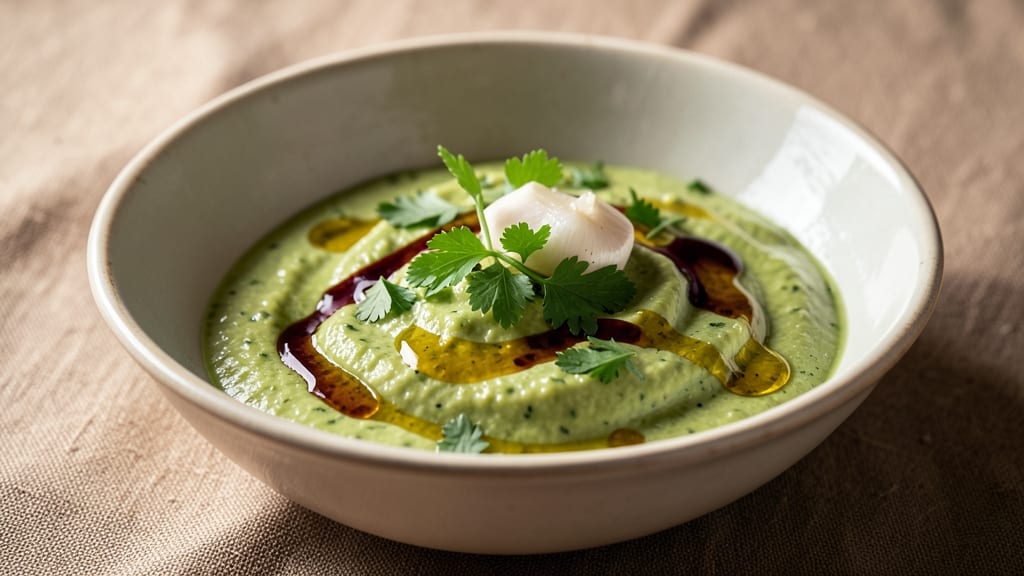
This avocado chimichurri sauce recipe transforms traditional chimichurri into something richer and more vibrant, blending bright herbs with velvety avocado for a perfect balance of creaminess and freshness.
The secret lies in blending fresh parsley, garlic, and red wine vinegar with ripe avocado until perfectly smooth—no cooking required, just pure, restaurant-quality flavor in minutes.
What makes this sauce special is its versatility and ease. Unlike traditional chimichurri, which can be too acidic or dry, this version stays luscious and spreadable while maintaining that signature herby brightness.
The avocado adds a natural richness that pairs beautifully with grilled meats, toasts, or even as a dip for crispy vegetables.
You’ll end up with a sauce that’s creamy yet tangy, with layers of garlic and parsley that elevate any dish. It’s vegetarian-friendly and can be adapted for vegan diets by omitting optional dairy or egg.
The best part? It keeps well in the fridge for up to 3 days, making it perfect for meal prep.
Use it as a marinade, a drizzle, or a dip—this sauce is the ultimate upgrade for any dish that needs a fresh, herby, and creamy twist. Let’s make it!
Ingredients for avocado chimichurri sauce
Eight ingredients, creamy texture, and that signature herby punch—this sauce is a game-changer for any dish.
| Ingredient | Amount | Notes |
|---|---|---|
| Fresh Parsley Leaves 🌿 | 1 ½ cups | Packed, stems removed |
| Ripe Avocados 🥑 | 2 whole | Firm but yielding, pitted |
| Garlic Cloves 🧄 | 4 cloves | Peeled, roughly chopped |
| Red Wine Vinegar 🍷 | ¼ cup | Bottled or homemade |
| Extra-Virgin Olive Oil 🫒 | ½ cup | High quality, fruity |
| Lemon Juice 🍋 | 2 tbsp | Freshly squeezed |
| Sea Salt 🧂 | 1 tsp | Fine grain preferred |
| Ground Black Pepper 🌶️ | ½ tsp | Freshly ground preferred |
| Fresh Cilantro Leaves 🌱 | ¼ cup | Optional, for extra brightness |
| Raw Cashews 🥜 | ¼ cup | Soaked for creaminess (optional) |
The parsley and avocado are your MVP ingredients here. Grab the freshest parsley you can find—the bright green kind from the grocery store's produce section, not the wilted stuff. For avocados, pick ones that yield slightly to gentle pressure—they should be firm but not rock hard. I always buy organic Hass avocados from Trader Joe's or Whole Foods—they ripen perfectly at home. The garlic? Freshly peeled and roughly chopped adds way more flavor than pre-minced. And don't skip the extra-virgin olive oil—California-grown brands like Corto or Colavita have that perfect fruity kick.
No red wine vinegar? Apple cider vinegar works in a pinch, though it'll have a slightly sweeter profile. Fresh cilantro giving you grief? Skip it entirely—this sauce still shines. Want extra creaminess without cashews? Add 1 tbsp tahini or blend in a ripe banana. The lemon juice can be swapped for lime juice if you prefer that zing. And if you're making this ahead, add the lemon juice last to prevent browning. Pro tip: Use a high-powered blender for the smoothest texture—regular blenders can leave chunks.
This sauce keeps beautifully—up to 3 days in the fridge if you cover it with a thin layer of olive oil. For longer storage, freeze in ice cube trays and pop out what you need. I always make a double batch because it disappears fast—perfect for drizzling on grilled veggies, tossing with pasta, or as a dip for chips. If it thickens in the fridge, just add a splash of water or vinegar to loosen it up. And trust me, the first time you spread this on warm toast? You'll be hooked.
Why You'll Love This Recipe
- Here’s what sold me: this sauce improves overnight. The flavors meld, the texture stays perfect (no weird separation), and you’ve got a jar of green gold ready for breakfast, lunch, or a last-minute dinner. Plus, it’s cheap to make—just a handful of ingredients, and you’ll use them up fast.
- No-Fuss Blender Magic: I swear by this recipe because it’s basically one press away from done. Toss the parsley, avocado, garlic, and a splash of vinegar into the blender—no chopping, no straining—just pulse until it’s smooth. The olive oil comes next, and boom, you’ve got a sauce that’s ready to transform whatever’s on your plate.
- Herby-Garlicky Umami Bomb: That first bite? Chef’s kiss. The avocado gives it this luscious creaminess, but the parsley and garlic punch through with bright, tangy depth. Honestly, the red wine vinegar is the secret—it cuts through the richness and makes every spoonful irresistible.
- Works for Everything: Between us, this sauce is my lazy genius for weeknights. Drizzle it over grilled chicken, toss it with roasted veggies, or even slather it on avocado toast. It’s the kind of thing that makes you feel fancy without trying—perfect for date nights or when you’re feeding a crowd and want zero stress.
Step-by-step instructions for avocado chimichurri sauce
This vibrant sauce combines classic chimichurri with creamy avocado for a perfect balance of texture and flavor.
Combine the Base Ingredients
In a food processor, add the 1.5 cups fresh parsley leaves and 0.25 cup fresh cilantro leaves. Pulse until finely chopped but not completely pureed—you want to preserve some texture. This herb blend forms the aromatic foundation of your sauce.
Next, add the 4 cloves garlic cloves and pulse again until the garlic is minced but still visible. The raw garlic will infuse bold flavor without overpowering the delicate herbs. I like to keep the garlic slightly chunky so it doesn't turn bitter during blending.
Add Wet Ingredients and Pulse
With the food processor running, slowly drizzle in the 0.5 cup extra-virgin olive oil through the feed tube. This gradual addition prevents the oil from splattering and ensures even distribution throughout the herb mixture. The oil should be fully incorporated before moving to the next step.
Add the 0.25 cup red wine vinegar and 2 tbsp lemon juice, then pulse again until everything is well combined. The acidity from the vinegar and lemon will brighten the flavors and help emulsify the sauce later. Taste at this point—you should notice a fresh, herby, slightly tangy base.
Incorporate Creamy Elements
Add the 2 whole ripe avocados (pitted and peeled) to the food processor. Pulse until the avocados are mostly broken down but still slightly chunky. This creates that signature creamy texture while keeping the sauce vibrant. The avocado fat will help bind the sauce beautifully.
For extra creaminess, add the 0.25 cup raw cashews (if using). These add a subtle nutty depth and help stabilize the sauce's texture. Pulse until everything is perfectly smooth, scraping down the sides as needed. The sauce should now have a thick, spreadable consistency.
Season and Finish
Transfer the sauce to a bowl and stir in the 1 tsp sea salt and 0.5 tsp ground black pepper. Taste and adjust the seasoning as needed—you might want to add a bit more salt to enhance the flavors or a touch more lemon juice for brightness.
Let the sauce sit for 10-15 minutes at room temperature before serving. This resting time allows the flavors to meld together beautifully. The sauce will thicken slightly as it comes to room temperature, achieving that perfect balance between creamy and herby.
Pro Tips For Making Avocado Chimichurri Sauce
- STORE AVOCADOS RIGHT: Buy them firm and let them ripen on the counter for 1-2 days—this gives you the perfect creamy texture without mush. Once ripe, store them in the fridge for up to 3 days, but take them out 30 minutes before using so they don’t turn to avocado paste in your hands.
- PULSE THE GARLIC: Don’t mince it—pulse 2-3 raw garlic cloves in the food processor with the parsley first. This distributes the flavor evenly and prevents that harsh, clovey bite that sneaks in when you chop it separately.
- SALT THE AVOCADO: Toss the diced avocado with ¼ teaspoon of salt right as you add it to the mix. It draws out moisture, keeping the sauce from turning watery and giving it a brighter, more balanced flavor.
- EMULSIFY THE OIL: Start with just 1 tablespoon of olive oil, then drizzle in the rest while pulsing. This creates a silky, cohesive sauce instead of a chunky mess—no blender required. If it breaks, add another splash of vinegar to rebind it.
Serving suggestions for this recipe
Grilled Meats
This sauce is a game-changer for grilled meats like steak, chicken, or shrimp. The creamy avocado balances the charred flavors beautifully—I love drizzling it over grilled ribeye or skirt steak right after cooking. For chicken, brush it on before grilling for a herb-infused crust that stays juicy inside. 🔥
For shrimp, toss them in the sauce before grilling and finish with a squeeze of fresh lime for extra brightness. The avocado keeps the shrimp from drying out while adding a luxurious texture.
I also use it as a marinade for pork chops—just let them sit for 15-20 minutes before cooking for maximum flavor penetration.
Toasted Breads
Warm, crusty bread is the perfect canvas for this sauce. Slather it on sourdough toast or baguette slices, then broil for 2-3 minutes until golden and bubbly. Add a sprinkle of flaky sea salt and a few crispy fried shallots for a gourmet touch. 🥖
For a hearty option, try spreading it on garlic bread or focaccia—the herbs and garlic in the sauce amplify the flavors. I also love it on avocado toast (yes, double avocado!) for a creamy, herby twist on a classic.
Pair it with a crisp white wine like Sauvignon Blanc for the ultimate brunch.
Crudité Platter
This sauce doubles as an elegant dip for fresh vegetables. Arrange carrot sticks, cucumber slices, bell pepper strips, and cherry tomatoes on a platter, then serve with the sauce in a small bowl. The creamy texture contrasts perfectly with the crunch of raw veggies. 🥕
For extra flair, add toasted pumpkin seeds or crumbled feta on top. It’s a crowd-pleaser at parties or as a light snack—just
Pasta & Grains
Toss this sauce with warm pasta like linguine or spaghetti for an instant herby, creamy meal. I recommend whole wheat or chickpea pasta for extra texture. The sauce clings beautifully to the noodles without making them soggy. 🍝
For grains, stir it into quinoa or farro salad after cooking. The avocado adds richness while the herbs keep it light.
You can also use it as a cold sauce for grain bowls—just mix it with cooked grains, sliced avocado, and a handful of arugula for a fresh, vibrant dish.
Nutrition facts
Frequently asked questions
Can I make this sauce without avocado?
Yes! If you prefer a lighter texture, replace the avocado with 2 tbsp tahini or 1/4 cup Greek yogurt for creaminess. The sauce will still have that bright, herby flavor but will be less rich. For a vegan option, use silken tofu blended until smooth. Just remember, the avocado is what gives this sauce its signature velvety texture and healthy fats.
How do I prevent the avocado from browning in the sauce?
Add the lemon juice and red wine vinegar last, right before serving. These acids help preserve the avocado's color. If you need to prep ahead, store the sauce in an airtight container with a thin layer of olive oil on top—this creates a protective barrier. The sauce will keep for 3 days in the fridge, and the avocado will stay fresh and green.
What's the best way to adjust the thickness of this sauce?
If your sauce is too thick, stir in 1-2 tbsp water or extra red wine vinegar to loosen it. For a thicker consistency, let it sit at room temperature for 10-15 minutes—it naturally thickens as it cools. If you prefer a chunkier texture, pulse the ingredients less in the food processor. The sauce should be spreadable but not watery for the best results.
Can I use this sauce as a marinade?
This sauce makes an excellent marinade for grilled meats like chicken or shrimp. Let the protein sit in the sauce for 15-20 minutes before cooking (no longer, or the acidity can start to "cook" the meat). For tougher cuts like steak, use it as a finishing sauce instead. The avocado adds moisture, so you won't need to worry about dryness. Just pat the meat dry before grilling for the best sear.
What herbs can I substitute if I don't have parsley?
If you're missing parsley, use a mix of cilantro and mint (equal parts) for brightness, or basil for a sweeter note. For a more traditional chimichurri flavor, try oregano or thyme, but reduce the amount to 1/2 cup total since these herbs are stronger. Avoid using only dill—it can overpower the delicate garlic and vinegar flavors. Fresh herbs work best, but dried herbs can be used at 1/4 the amount.