
Sauces & Condiments
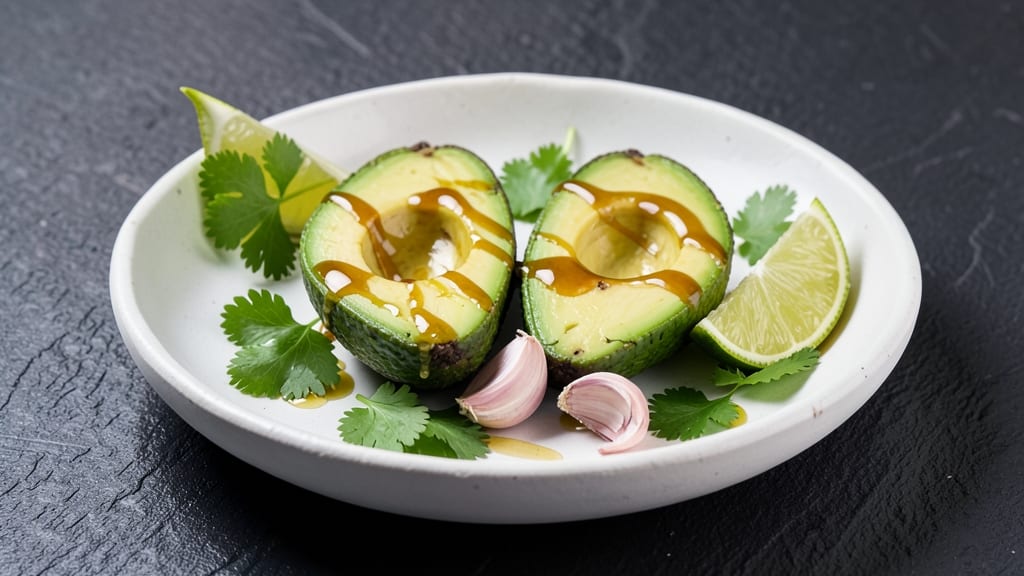
This avocado fish sauce recipe transforms simple pantry staples into a velvety, umami-rich condiment that elevates everything from noodles to grilled proteins. The secret lies in balancing creamy avocado with the bold punch of fish sauce, creating a sauce that's both sophisticated and effortlessly versatile.
I developed this after craving a lighter alternative to traditional creamy dressings—one that delivers depth without heaviness.
The magic happens when you blend ripe avocado with fish sauce, lime juice, and a touch of garlic until smooth, then finish with fresh herbs like cilantro or Thai basil. This combination delivers a perfect harmony of creamy texture, salty umami, and bright acidity that cuts through rich dishes.
The sauce keeps well in the fridge for up to a week, making it ideal for meal prep or spontaneous flavor boosts.
What makes this sauce special is its adaptability—drizzle it over steaming hot ramen for instant richness, use it as a marinade for shrimp or tofu, or serve it as a dipping sauce for spring rolls.
The balance of flavors ensures it works equally well in bold dishes or delicate ones. Once you try it, you'll never reach for store-bought again.
With just 5 ingredients and 10 minutes of prep, this sauce is a game-changer for home cooks who want restaurant-quality flavor without the fuss. The creamy avocado base provides a luxurious mouthfeel, while the fish sauce adds that unmistakable umami kick that makes every bite unforgettable. Let's get blending!
Ingredients for avocado fish sauce
Five simple ingredients blend into a velvety sauce with restaurant-quality depth and zing.
| Ingredient | Amount | Notes |
|---|---|---|
| Ripe Avocados 🥑 | 2 whole | Firm but yielding when squeezed |
| Fish Sauce 🍶 | 3 tbsp | Red Boat preferred for quality |
| Fresh Lime Juice 🍋 | 2 tbsp | Freshly squeezed, no pulp |
| Garlic Cloves 🧄 | 2 cloves | Fresh, minced or finely chopped |
| Fresh Cilantro Leaves 🌿 | ¼ cup | Stems removed, loosely packed |
| Extra-Virgin Olive Oil 🫒 | ¼ cup | For creaminess and balance |
| Sea Salt 🧂 | ½ tsp | Diamond Crystal preferred |
| Black Pepper 🌶️ | ¼ tsp | Freshly ground for best flavor |
The avocados are the star here—look for ones that yield slightly to gentle pressure (they should still have a little firmness). Trader Joe's or Whole Foods usually carry the ripest ones, or grab a few extra and let them sit out overnight if they're a little hard. Red Boat fish sauce is worth the splurge for its clean, salty umami punch, but any quality brand works in a pinch. Fresh lime juice is non-negotiable—bottled won't cut it. The cilantro adds that fresh herb zing, so don't skip it unless you're making this for someone who hates cilantro (in which case, swap for Thai basil).
No fresh cilantro? Dried cilantro powder at half the amount works, though it won't have the same brightness. Short on lime juice? Key lime juice or even lemon juice in a bind, but the acidity will be slightly different. Want more depth? Add a dash of soy sauce or a pinch of sugar to balance the flavors. The olive oil is key for that creamy texture—don't use anything less than extra-virgin. If you're making this ahead, prep your garlic and lime juice first so they're ready to go when you're blending.
This sauce keeps beautifully in the fridge for up to 7 days—just store it in an airtight container with a thin layer of olive oil on top to preserve freshness. For longer storage, freeze in ice cube trays and transfer to a bag for up to 3 months. I like to make a double batch so I always have some on hand for quick meals. The flavor actually improves after a day or two as everything melds together—perfect for meal prep!
Why You'll Love This Recipe
- Five-Ingredient Magic: I swear by this combo—ripe avocados, a splash of fish sauce, lime, garlic, and cilantro. That’s it. No fancy prep, no last-minute grocery runs. Honestly, I keep everything in my pantry or fridge already.
- Umami Creamy Bomb: The fish sauce cuts through the avocado’s richness while adding that salty, savory punch—like a little flavor explosion. And when you toss in fresh lime and garlic? Instantly addictive. (Yes, even on a Tuesday night.)
- Lunchbox Superstar: This recipe works as a dip, spread, or even a quick salad dressing. I’ve used it to jazz up tortilla chips, toss it with grilled shrimp, or just eat it straight with toast. It’s my go-to for when I need something fast but still feels special.
- Budget Bright Spot: Avocados are pricey, but a little goes a long way here—stretch it over rice bowls, tacos, or as a sauce for veggies. The fish sauce and lime? Game-changers for flavor without breaking the bank. (My wallet thanks me.)
Step-by-step instructions for avocado fish sauce
Here’s how to blend rich avocado with bold fish sauce for a silky, umami-packed dip.
Halve and Pit the Avocados
Cut the 2 whole ripe avocados in half lengthwise and remove the pits using a sturdy spoon or avocado pitter. I press down firmly on the pit with the spoon to dislodge it cleanly—no need to force it. Once pitted, scoop the flesh into a food processor or blender, leaving the skins behind.
This step is crucial for smooth texture. If your avocados aren’t perfectly ripe (yielding slightly when squeezed but not mushy), let them sit at room temperature for 10-15 minutes before processing. The flesh should be creamy but not dry—this ensures your sauce stays lusciously thick without separation.
Add Garlic and Olive Oil
Add the 2 minced garlic cloves and 0.25 cup extra-virgin olive oil to the food processor. Pulse the garlic lightly—just until it’s finely chopped, not paste-like. Then, with the processor running, slowly drizzle in the 0.25 cup olive oil to help emulsify the mixture as you go.
The olive oil here isn’t just for flavor; it’s the secret to a stable emulsion. If you add it all at once, the sauce might break. Instead, let the processor blend it gradually while you scrape down the sides to ensure everything incorporates evenly. You’ll see the mixture turn pale green and thicken slightly.
Blend in Fish Sauce and Lime Juice
With the processor running, add the 3 tablespoons fish sauce and 2 tablespoons fresh lime juice through the feed tube. Start with the fish sauce first—its salty umami balances the avocado’s richness. Then add the lime juice, which brightens the flavors and prevents the sauce from tasting too heavy.
Blend until completely smooth, stopping to scrape down the sides as needed. The sauce should look velvety and cohesive, with no visible chunks. Taste at this stage—if it’s too salty, you can add a pinch more lime juice to cut through it, but trust the recipe first. The fish sauce’s depth is what makes this dip uniquely addictive.
Season and Finish with Herbs
Add the 0.25 cup fresh cilantro leaves, 0.5 teaspoon sea salt, and 0.25 teaspoon black pepper to the processor. Pulse just until the cilantro is finely chopped and evenly distributed—you want a bright herbaceous note, not a chunky texture. Taste again and adjust the salt if needed; the fish sauce and lime juice can sometimes throw off the balance.
For the best consistency, transfer the sauce to a bowl and give it a quick stir with a spatula. This helps release any air bubbles and ensures the herbs are fully incorporated. The final texture should be thick but pourable, with a luxurious mouthfeel that clings to every bite. If it’s too thick, add 1-2 teaspoons water to loosen it slightly.
Chill and Serve
Cover the sauce and refrigerate for at least 30 minutes before serving. This step is non-negotiable—chilling allows the flavors to meld and the texture to set properly. When ready, give it one last stir to redistribute any settled oils or herbs.
Serve the avocado fish sauce with crispy spring rolls, fresh spring vegetables, or as a dip for grilled shrimp. The contrast of cool, creamy sauce against warm, crispy textures is what makes this recipe shine. Store any leftovers in an airtight container, submerged in a thin layer of water to prevent browning, for up to 3 days in the fridge.
Pro Tips For Making Avocado Fish Sauce
- Mash, Don’t Blend: Avocados should be fork-mashed—not pureed—into the sauce. A quick mash keeps texture interesting and prevents the dish from turning into a heavy, gloopy paste. (Yes, even if you’re tempted to grab the blender.)
- Toast the Garlic: Lightly fry the minced garlic in a dry pan for 30 seconds until fragrant before adding fish sauce. This step deepens the flavor and cuts through the avocado’s richness without overpowering it.
- Taste the Fish Sauce First: Open that bottle and taste it straight—some brands are saltier than others. Adjust your lime and garlic ratios based on what you’re working with, or the balance will swing wildly off-course.
- Add Lime Last: Stir in the lime juice at the very end, just before serving. The acid breaks down the avocado’s texture over time, so waiting keeps it creamy and bright. (I learned this after watching my sauce turn mushy mid-meal.)
Regional styles of this avocado fish sauce
Thai-Inspired Variation
In Thailand, this sauce becomes a dip for grilled seafood called Nam Prik Pla. Add 1 tablespoon of Thai chili paste and 1 teaspoon of palm sugar to the base recipe for a sweet-spicy kick.
Garnish with thinly sliced Thai chilies and crushed peanuts for texture. Serve with steamed rice or as a marinade for shrimp skewers. The heat balances the creamy avocado beautifully. 🌶️
Mexican Lime-Cilantro Twist
For a taco-friendly version, swap the fish sauce for 2 tablespoons of lime-cured shrimp sauce (or 1 tablespoon of soy sauce). Add 1 teaspoon of cumin and ½ teaspoon of smoked paprika to the garlic.
Top with diced jalapeños and crumbled cotija cheese before serving. This works perfectly as a tostada sauce or seafood dip. The smoky notes elevate the umami depth. 🌮
Japanese-Inspired Umami Boost
Transform this into a sushi rice dressing by replacing the fish sauce with 1 tablespoon of soy sauce and 1 teaspoon of mirin. Add ½ teaspoon of grated ginger and 1 teaspoon of sesame oil for a Japanese-inspired twist.
Drizzle over sushi rolls or use as a dipping sauce for tempura. The avocado adds a luxurious creaminess that pairs well with rice. 🍣
Vietnamese-Inspired Fresh Herb Zing
For a Vietnamese-inspired version, replace the cilantro with ½ cup of mint leaves and ½ cup of Thai basil. Add 1 tablespoon of fish sauce and 1 teaspoon of rice vinegar for tang.
Garnish with crushed roasted peanuts and sliced red onion. This sauce is perfect for spring rolls or as a dipping sauce for grilled lemongrass shrimp. The herby notes add a refreshing contrast. 🌿
Korean-Inspired Spicy Kick
Create a Korean-inspired version by adding 1 tablespoon of gochujang (Korean chili paste) and 1 teaspoon of sesame seeds. Swap the olive oil for 1 tablespoon of toasted sesame oil.
This sauce pairs well with kimchi pancakes or grilled bulgogi beef. The gochujang adds a fermented depth that complements the avocado’s creaminess. 🔥
Mediterranean Olive Oil Upgrade
For a Mediterranean twist, replace the fish sauce with 2 tablespoons of capers and 1 teaspoon of lemon zest. Add 1 tablespoon of chopped Kalamata olives for briny contrast. Drizzle with extra-virgin olive oil and crumbled feta cheese before serving.
This works beautifully as a dip for grilled octopus or marinated seafood. The olive oil adds a bright, fruity finish. 🫒
Nutrition facts
Frequently asked questions
Can I make this sauce without a food processor?
Use a high-quality blender or even a mortar and pestle for a more rustic texture. For the blender method, chop the avocado into small chunks first and pulse everything together. If using a mortar and pestle, start with the garlic and avocado, then gradually incorporate the fish sauce and lime juice while mashing. The texture will be slightly chunkier but still delicious.
How do I adjust the spice level?
For milder flavor, reduce the fish sauce to 2 tablespoons and add 1 extra tablespoon of lime juice to balance. For heat, add ½ teaspoon of red pepper flakes or 1 teaspoon of sriracha at the end. The lime juice helps control saltiness while keeping the sauce bright.
What's the best way to prevent browning?
Store the sauce in an airtight container with a thin layer of olive oil on top or pressed against the surface. This creates a barrier that blocks oxygen. For extra protection, add a lemon juice-soaked paper towel to the container. The acidity helps preserve the green color longer.
Can I use this sauce as a marinade?
Yes! It works beautifully for seafood like shrimp or scallops. Use ½ cup of sauce per pound of protein and marinate for 15-20 minutes max—fish absorbs flavors quickly and can get mushy. For chicken or tofu, marinate for 30 minutes to an hour. The avocado adds moisture while the fish sauce creates incredible depth.
What if my sauce separates?
This usually happens if the avocado wasn't ripe enough or if you added too much liquid. Fix it by blending in 1 extra tablespoon of olive oil and ½ teaspoon of salt, then processing again. The oil helps re-emulsify the mixture. If it's still too thick, add 1 teaspoon of water at a time until smooth.