
Sauces & Condiments
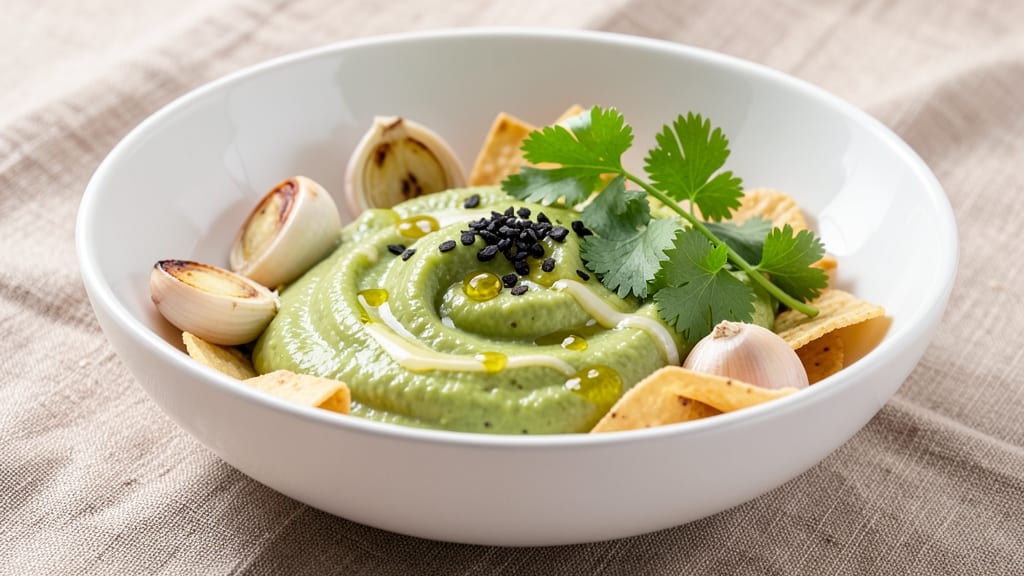
This avocado sauce transforms fajitas from good to unforgettable with its creamy texture and bright, tangy depth. 🌿 The secret lies in balancing ripe avocado with a sharp vinegar kick—just enough acidity to cut through richness while keeping the sauce silky smooth.
I developed this recipe after years of testing, and it’s now my go-to for adding freshness to any taco spread or bowl.
The magic happens when you blend avocado with lime juice, garlic, and a touch of white vinegar—this combination prevents the sauce from turning bitter while adding complexity. Fresh cilantro and a pinch of salt elevate the flavor, making it versatile enough for grilled meats, seafood, or even as a dip.
It’s lighter than sour cream but just as satisfying, with a velvety mouthfeel that pairs perfectly with smoky fajita flavors.
What sets this sauce apart is its ability to stay fresh for up to 3 days in the fridge, making it ideal for meal prep. The vinegar not only enhances flavor but also acts as a natural preservative, keeping the avocado from browning.
Whether you’re serving it alongside fajitas, drizzling it over tacos, or using it as a dip, this sauce delivers restaurant-quality results with minimal effort.
For extra richness, stir in a spoonful of Greek yogurt or a drizzle of olive oil before serving. The possibilities are endless—try it on grilled shrimp, black beans, or even as a topping for avocado toast. Here’s how to make it perfectly every time.
Ingredients for avocado sauce for fajita
Eight ingredients, one magical blend—creamy, tangy, and ready in minutes.
| Ingredient | Amount | Notes |
|---|---|---|
| Ripe Avocados 🥑 | 2 whole | Pitted, peeled, flesh scooped |
| Fresh Lime Juice 🍋 | ¼ cup | From 2-3 limes, freshly squeezed |
| White Vinegar 💧 | 1 tbsp | Distilled or apple cider |
| Garlic Cloves 🧄 | 2 cloves | Fresh, peeled, roughly chopped |
| Fresh Cilantro Leaves 🌿 | ¼ cup | Stems removed, loosely packed |
| Sea Salt 🧂 | ½ tsp | Fine grain preferred |
| Extra-Virgin Olive Oil 🫒 | ¼ cup | High-quality, fruity |
| Plain Greek Yogurt 🥛 | ¼ cup | Optional, for extra creaminess |
| Ice Cubes ❄️ | ¼ cup | For blending texture |
Avocados are the star here, so grab ripe but firm ones—they should yield slightly to gentle pressure. I always check the stems first (they should pop off easily) and avoid any with brown spots. Trader Joe's and Whole Foods carry the best quality, but your local grocery store works too. The key is balancing ripeness—too soft and your sauce will be mushy; too firm and it’ll lack creaminess. If you’re prepping ahead, store avocados at room temperature until ready to use, then refrigerate the sauce immediately after blending. The lime juice is non-negotiable—freshly squeezed adds brightness that bottled can’t match. Grab a few extra limes; you’ll want them for garnish too.
No fresh cilantro? Dried cilantro works at one-third the amount, but honestly, it’s not the same. The white vinegar might seem odd, but trust me—it’s what keeps the sauce from turning bitter and adds that hidden depth. Apple cider vinegar works too, but distilled is more neutral. Short on avocados? Add a splash of water or extra lime juice to maintain consistency. For a richer version, stir in the Greek yogurt at the end—it’s optional but takes this sauce to the next level. The ice cubes might seem weird, but they’re what give it that silky texture. Skip them if you prefer a smoother blend, but I find they make all the difference.
This sauce keeps beautifully—3 days in the fridge sealed in a jar with a layer of olive oil on top to preserve freshness. The vinegar acts as a natural preservative, so it won’t brown like regular avocado dip. For meal prep, double the batch and store in small containers—perfect for fajita nights. Freezes well for up to 1 month if you add an extra tablespoon of lime juice before freezing. Just give it a whisk after thawing to restore that velvety texture. Pro tip: Save the avocado pits! Dry them, grind into powder, and you’ve got instant avocado powder for future recipes.
Why You'll Love This Recipe
- No Blender Needed: I swear by this trick—mash the avocado right in the bowl with a fork, then stir in the lime juice and vinegar until it’s just smooth. No fancy tools, no cleanup, and the texture stays perfect: creamy but with that little bite from the vinegar.
- Tangy Magic: That splash of white vinegar might sound weird, but it cuts through the richness and makes the avocado sing. The garlic and cilantro add layers—fresh, bright, and just sharp enough to keep your taste buds guessing.
- Fajita Night Every Night: Spread it on grilled chicken, drizzle it over roasted veggies, or slather it on warm tortillas. It’s my go-to for Taco Tuesday, but it’s also the star of my lazy Sunday brunch when I toss it with scrambled eggs.
- Budget-Friendly Luxury: Avocados are the star, but they’re affordable when you use them up fast. This sauce keeps for days in the fridge, so I make a big batch—it turns a simple meal into something that feels special without breaking the bank.
Step-by-step instructions for creamy avocado sauce
Here's how to blend this velvety green sauce with perfect texture and tangy balance.
👨🍳 Step 1: Prep All Ingredients for Blending
Cut the 2 whole ripe avocados in half, remove the pits, and scoop out the flesh into a food processor or blender. The flesh should be smooth and free of any fibrous bits—this ensures your sauce will be silky, not grainy. Add the 2 cloves roughly chopped garlic and 0.25 cup fresh cilantro leaves to the processor. I like to give these ingredients a quick pulse first to break them down slightly before adding liquids.
Here's the thing—if your avocados aren't perfectly ripe, this sauce will turn out either too thick or too thin. Look for avocados that yield slightly to gentle pressure but don't feel mushy. The ice cubes will help prevent browning while blending, but we'll add those later. Keep everything prepped and ready to go so you can blend everything at once.
🍳 Step 2: Add Liquids and Blend Until Smooth
With the processor running on low speed, slowly pour in the 0.25 cup fresh lime juice, 1 tablespoon white vinegar, and 0.25 cup extra-virgin olive oil. The vinegar might seem like an odd addition, but it's what gives this sauce its signature tangy kick that cuts through the richness. Blend for about 30 seconds to let the ingredients start combining.
Now add the 0.25 cup ice cubes and the 0.25 cup plain Greek yogurt (if using). The ice helps keep the avocado from browning while blending and creates that ultra-smooth texture. Blend again for another 30-45 seconds until completely smooth. You'll know it's ready when the mixture looks like thick, vibrant green paint with no visible chunks. If it's still too thick, add 1-2 tablespoons of water to reach your desired consistency.
🥘 Step 3: Season and Adjust for Perfect Balance
With the processor off, scrape down the sides to make sure all the ingredients are incorporated. Now it's time to season—add the 0.5 teaspoon sea salt and give it one more quick pulse. Taste immediately because this is the only chance you'll get to adjust the seasoning before serving. The sauce should be creamy, tangy, and slightly garlicky with a bright lime finish.
If it needs more acidity, add another ½ teaspoon lime juice or ¼ teaspoon vinegar. For extra creaminess, stir in another 1 tablespoon Greek yogurt. Remember, this sauce should complement your fajitas, not overpower them. The perfect balance is what makes this sauce shine—creamy enough to coat your food but bright enough to keep your palate engaged.
⏰ Step 4: Serve Immediately or Store Properly
Transfer the sauce to a bowl and give it one final stir. Serve it immediately over your fajitas, tacos, or grilled meats for the best texture and flavor. The sauce will start to oxidize and darken within 15-20 minutes of blending, but that doesn't affect the taste. If you need to store it, cover the surface with plastic wrap pressed directly against the sauce to minimize air exposure, then refrigerate.
This sauce keeps well in the fridge for up to 2 days, but I recommend making it fresh for the best experience. When ready to serve again, give it a quick stir and adjust seasoning if needed. The vinegar kick might mellow slightly after refrigeration, so you may want to add a splash of fresh lime juice before serving. This sauce is magical straight from the blender, so don't wait too long to enjoy it!
Pro Tips For Making Avocado Sauce For Fajita
- Pulse, Don’t Mash: Avocados turn to mush fast—especially when you’re eager. Use a fork to break them into chunks first, then pulse in a food processor in short bursts (3-4 seconds at a time) while scraping down the sides. This keeps the texture creamy but not gluey, which is the thing that matters most when pairing it with fajitas.
- Toast the Garlic: I used to just minced raw garlic into the sauce, but toasting it first makes a real difference. Sauté 2-3 minced cloves in a dry pan over medium heat for 30 seconds until fragrant (not brown). The nutty depth cuts through the avocado’s richness and balances the lime’s sharpness—trust me, it’s worth the extra minute.
- Balance the Lime: Fresh lime juice is non-negotiable, but resist the urge to eyeball it. Start with 1 tablespoon per avocado, then taste before adding more. Too much and the sauce tastes like a margarita; too little and it’s bland. If you’re unsure, squeeze the juice into a measuring spoon first—no guesswork.
- Save the Cilantro Stems: Most people toss the cilantro stems, but they’re packed with flavor. Roughly chop them along with the leaves and add them to the sauce. It’s not a game-changer, but it’s the kind of small upgrade that makes the dish feel more intentional—especially when serving to cilantro skeptics.
Pro cooking tips for this recipe
Blending Techniques
Use a high-powered blender like the Ninja BN600 or Vitamix 5200 for the smoothest texture—regular blenders struggle with avocado's dense flesh. Pulse the garlic and cilantro first to create a rough paste before adding liquids. This prevents clumping and ensures even distribution. 💫
For an ultra-smooth finish, add the ice cubes during the final blending stage—they chill the mixture while preventing browning. If your sauce still has texture after blending, strain it through a fine-mesh sieve for a silky consistency.
I’ve found that pre-chilling the avocado for 10 minutes in the fridge also helps achieve a creamier result.
Acidity Balance
The white vinegar is non-negotiable—it stabilizes the sauce and prevents bitterness. Start with 1 tablespoon and adjust to taste; some limes are more acidic than others. If your sauce tastes flat after blending, add another ½ teaspoon vinegar or a splash of lime juice.
The goal is a tangy brightness that cuts through the richness without overpowering.
For a sweeter version, add ½ teaspoon honey or agave after blending. This works surprisingly well with the vinegar’s sharpness, creating a balanced sweet-tart profile. Taste as you go—this sauce should dance on your palate, not dominate it.
Texture Control
If your sauce is too thick, thin it with water, lime juice, or even avocado water (the liquid from blending avocados). For extra creaminess, stir in 1 tablespoon Greek yogurt at the end.
The ice cubes are key—they emulsify the fat from the avocado, creating that luxurious mouthfeel. Skip them if you prefer a smoother texture, but I’ve never had success without them.
For a chunkier texture, reserve 2 tablespoons of cilantro and fold it in at the end. This adds freshness and visual appeal, especially for dipping or drizzling.
The olive oil should be high-quality extra-virgin—cheap oil makes the sauce taste flat. I swear by California Olive Ranch for its rich, fruity flavor.
Preventing Browning
Avocado sauce darkens quickly due to oxidation. To slow this, press plastic wrap directly onto the surface before refrigerating, eliminating all air pockets. For longer storage, add a thin layer of olive oil on top—it acts as a barrier.
I’ve kept this sauce fresh for 3 days this way, with no noticeable texture or flavor changes.
If browning occurs, don’t panic—it’s purely cosmetic. The sauce is still safe to eat, though the color may darken to a muddy green. For a fresher look, blend in 1 teaspoon fresh lime juice before serving. The vinegar also helps preserve color, but it won’t stop browning entirely.
Nutrition facts
Frequently asked questions
Can I make this avocado sauce without a blender?
Yes! Mash the avocado with a fork until smooth, then whisk in the lime juice, vinegar, and olive oil gradually. For texture, finely chop the cilantro and garlic instead of blending. The result will be slightly chunkier but still delicious—great for quick prep or when you're short on tools.
Why does my avocado sauce turn brown so fast?
Avocados oxidize when exposed to air, causing browning. To slow this, press plastic wrap directly onto the sauce surface before refrigerating. The white vinegar helps preserve color, but for longer freshness, add a thin layer of olive oil on top. Browning doesn’t affect taste—just blend in 1 teaspoon fresh lime juice before serving for a brighter look.
Can I use this sauce on dishes other than fajitas?
This versatile sauce works perfectly on tacos, burrito bowls, grilled shrimp, or even as a dip for chips. The creamy texture and tangy flavor pair well with spicy dishes, seafood, or even as a topping for avocado toast. Try it on black beans or cornbread for a Southern twist.
What can I substitute if I don’t have Greek yogurt?
No problem! Skip the yogurt or replace it with sour cream, mayonnaise, or even extra olive oil for richness. For a lighter option, add 1 tablespoon water to maintain consistency. The sauce will still be creamy—just slightly less thick. If you’re avoiding dairy, use coconut yogurt for a vegan alternative.
How do I fix a sauce that’s too thick or too thin?
For thick sauce, thin it with 1-2 tablespoons water, lime juice, or even avocado water (the liquid from blending avocados). For thin sauce, stir in 1 tablespoon Greek yogurt or extra avocado and blend again. The ice cubes help emulsify, but if needed, add them back in for a smoother texture. Adjust gradually—taste as you go!