
Sauces & Condiments
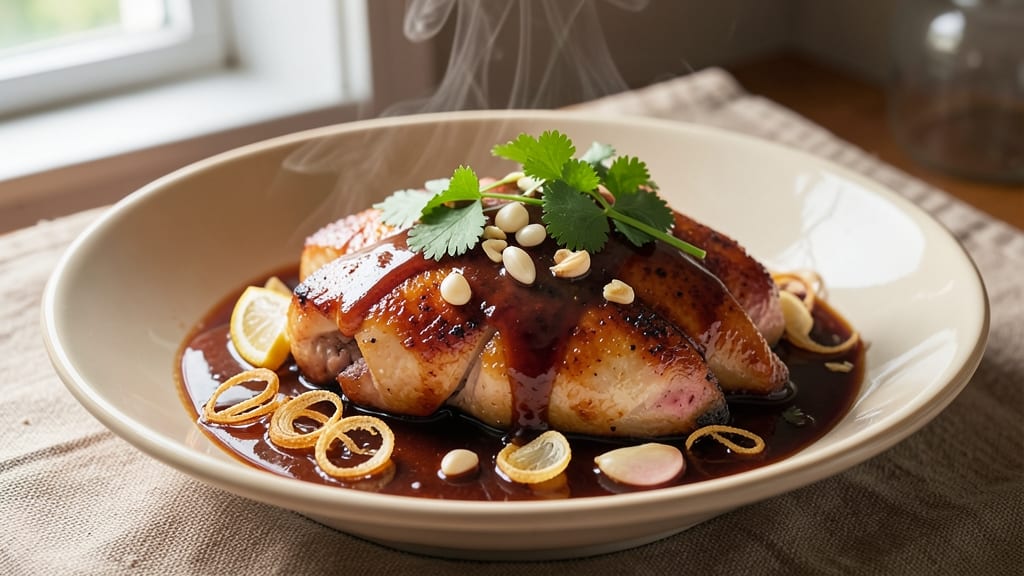
This Bachan teriyaki sauce recipe delivers the perfect balance of smoky depth and sweet-tangy brightness—no store-bought substitutes needed. The secret lies in a slow reduction that caramelizes the sugar while preserving that signature vinegar zing that sets it apart.
Professional chefs swear by this method for achieving restaurant-quality results at home, where the sauce thickens just enough to cling beautifully to meats and vegetables.
The foundation starts with a simple combination of soy sauce, mirin, and sugar, but it's the careful reduction and optional cornstarch slurry that transforms it into something extraordinary.
What makes this sauce truly special is how the flavors develop over time—starting with a bright, acidic tang that mellows into a rich, umami-forward glaze with a subtle smokiness. This isn't your average teriyaki; it's a sauce that adds complexity to every dish it touches.
By the time you're done simmering, you'll have a glossy, aromatic sauce that's perfect for glazing grilled chicken, searing steak, or tossing with stir-fried vegetables. The balance of sweetness and acidity ensures it won't overwhelm delicate flavors, while the slight thickness gives it that signature cling you crave.
Whether you're prepping for a weeknight dinner or a special occasion, this sauce elevates everything it touches.
Use it immediately for best results, though it keeps well in the refrigerator for up to two weeks. The instructions walk you through each step—from combining ingredients to achieving that perfect consistency—so you can confidently create a sauce that rivals your favorite takeout.
Let's get started on making this versatile glaze that will become a staple in your kitchen.
Ingredients for bachan teriyaki sauce
Nine ingredients transform into a restaurant-quality sauce—no shortcuts needed.
| Ingredient | Amount | Notes |
|---|---|---|
| Soy Sauce 🥢 | ½ cup | High-quality Japanese soy sauce preferred |
| Mirin 🍶 | ½ cup | Sweet cooking wine, not dry mirin |
| Granulated Sugar 🍚 | ½ cup | Light brown sugar for deeper caramel notes |
| Rice Vinegar 🍶 | ¼ cup | White or seasoned rice vinegar |
| Fresh Ginger 🌿 | 1 tbsp | Finely grated, aromatic freshness |
| Garlic Cloves 🧄 | 3 cloves | Minced, for umami depth |
| Sesame Oil 🫒 | 1 tbsp | Toasted sesame oil for nutty aroma |
| Cornstarch 🌾 | 1 tbsp | Optional for thickening slurry |
| Water 💧 | 2 tbsp | For cornstarch slurry |
| Smoked Paprika 🌶️ | ½ tsp | For subtle smoky depth |
The soy sauce is your flavor foundation—Kikkoman or Yamasa are my go-tos, but any high-quality Japanese soy will do. Mirin adds that signature sweetness, but don't grab the dry stuff from the wine aisle—look for sweet mirin in the Asian foods section. The rice vinegar is what gives Bachan teriyaki its signature tang; Mizkan is my favorite brand, but any white rice vinegar works. Fresh ginger and garlic are non-negotiable here—they're what elevate this from basic teriyaki to something truly special. For the sesame oil, Kadoya or La Choy are reliable, but check the label for 100% pure sesame oil (no additives).
No mirin? Substitute with 1 tbsp honey plus 4 tbsp water—it won't be identical, but it'll get you close. Running low on rice vinegar? Apple cider vinegar at half the amount works in a pinch, though the flavor will be slightly different. The cornstarch slurry is optional but recommended—it gives that perfect glossy finish. If you skip it, the sauce will still be delicious, just slightly thinner. For the smoked paprika, Penzeys or McCormick are great brands, but any good-quality smoked paprika will add that subtle smokiness that sets this sauce apart.
This sauce develops best when made fresh, but it keeps beautifully in the fridge for up to 2 weeks in an airtight container. For longer storage, freeze in ice cube trays—perfect for single-use portions. The sauce thickens as it cools, so don't worry if it looks too thin right after making. A quick simmer will bring it back to that perfect glaze consistency. Double the batch if you can—once you taste this, you'll want it on everything.
Why You'll Love This Recipe
- Pantry Magic: I swear by this sauce—no fancy shopping list, just soy sauce, mirin, and sugar from my cabinet. The ginger adds that zingy kick without needing a spice rack.
- Sweet-Savory Balance: That perfect umami punch from the soy and mirin? It’s like a hug in a bottle. The sugar cuts through the richness, and the rice vinegar keeps it bright—no aftertaste, just pure flavor.
- Weeknight Workhorse: Drizzle it over grilled chicken, toss it with noodles, or slather it on baked fish—it’s my go-to for when I’m too tired to think. Honestly, it’s the only sauce I keep on hand.
- Leftovers That Shine: Make a double batch and store it in the fridge—it only gets better with time. I’ve had this sauce last me a full week, and it’s still the star of whatever I’m cooking. No waste, all win.
Step-by-step instructions for Bachan teriyaki sauce
This smoky-sweet glaze comes together in minutes with bold flavors and perfect balance.
Build the Flavor Base
In a medium saucepan, combine the 0.5 cup soy sauce, 0.5 cup mirin, and 0.5 cup granulated sugar. Bring to a gentle simmer over medium heat, stirring constantly until the sugar dissolves completely—this should take about 3-4 minutes. The mixture will smell rich and aromatic, with sweet caramel notes developing.
Here's the thing—don't rush this step. You want the sugar to fully integrate, creating a smooth foundation for the sauce. If you see any undissolved sugar crystals, keep stirring until they disappear completely. This ensures your final glaze has a silky texture rather than grainy spots.
Infuse with Aromatics
Reduce heat to low and add the 1 tbsp finely grated fresh ginger, 3 minced garlic cloves, and 0.5 tsp smoked paprika. Stir gently to combine, letting the mixture simmer for 5-6 minutes until the raw garlic scent disappears and you can smell the warm, earthy aromatics. The sauce should thicken slightly as moisture evaporates.
Watch for visual cues—the sauce will darken to a deep amber color, and the ginger will soften into the mixture rather than remaining distinct. This is when you know the flavors have melded properly. If you see any foam forming on top, skim it off with a spoon to keep the sauce clean.
Add Acid and Oil for Balance
Increase heat to medium-low and stir in the 0.25 cup rice vinegar and 1 tbsp sesame oil. The vinegar will cause the sauce to bubble briefly—this is normal. Let it simmer for another 3-4 minutes until the acidity mellows and the oil integrates completely. The sauce should now have a glossy sheen and balanced sweet-savory-tangy profile.
This is where the magic happens—the vinegar cuts through the sweetness while the sesame oil adds nutty depth. Taste the sauce at this point. It should be rich but still bright, with all flavors harmonizing. If it's too sharp, let it simmer another minute to let the acidity mellow further.
Thicken to Glaze Consistency
In a small bowl, whisk together the 1 tbsp cornstarch and 2 tbsp water to create a smooth slurry. Slowly pour this into the simmering sauce while stirring constantly. The sauce will thicken immediately—keep stirring for 2-3 minutes until it reaches a glossy, coatable consistency that clings to the back of a spoon.
Here's the critical part: you want a sauce that's thick enough to glaze but still pourable. If it's too thick, add 1 teaspoon water at a time until you reach the perfect balance. The sauce should coat the back of a spoon but still flow smoothly when poured. For best results, use the sauce immediately or store it in an airtight container in the refrigerator for up to 1 week.
Pro Tips For Making Bachan Teriyaki Sauce
- Simmer Low and Slow: The sauce will clump or burn if you rush it—keep heat at a gentle simmer (barely bubbling) and stir every 30 seconds. I learned this the hard way after watching a batch turn into glue.
- Peel and Mince Ginger: Skip the pre-grated jar—it’s waterlogged and bland. Fresh ginger adds depth, but only use the juicy middle (peel off the tough skin) and mince it fine so it dissolves completely.
- Balance the Sugar First: Taste the sauce before adding rice vinegar. If it’s too sweet, add a splash of vinegar early; if it’s too sharp, a pinch of sugar later fixes it. The ratio matters more than exact measurements.
- Use a Splatter Screen: This sauce boils up fast—cover the pot with a screen or lid tilted open to let steam escape. No screen? Just crack the lid and stir aggressively. The goal is to keep it moving without a mess.
Wine and beer pairings for this dish
Japanese Sake Pairings
For authentic harmony, pair this Bachan teriyaki sauce with a crisp Japanese sake like Dassai Junmai from Niigata. This dry sake with its clean finish and subtle fruit notes complements the sauce's sweet-savory balance without overpowering it.
The slight acidity in the sake mirrors the rice vinegar in the sauce, creating a perfect marriage of flavors. 🍶
If you prefer something lighter, try a Yamahai-style sake such as Kubota Junmai. Its refreshing, slightly citrusy profile cuts through the richness of the teriyaki beautifully. Both options are widely available at specialty liquor stores or online retailers like Sake One or Sake World.
Dry Riesling Complements
A German dry Riesling like Dr. Loosen Blue Slate from the Mosel region works surprisingly well. The Riesling's bright acidity and mineral notes contrast the sauce's sweetness, while its subtle stone fruit undertones enhance the teriyaki's umami depth. Look for bottles labeled "trocken" to ensure you're getting the dry version.
For a more affordable option, try Chateau Ste. Michelle Riesling from Washington State. Its crisp, citrus-forward profile provides excellent balance to the smoky-sweet teriyaki. The slightly higher alcohol content (around 12% ABV) also stands up to the sauce's richness.
Craft Beer Options
For beer lovers, a Japanese IPA like BrewDog Punk IPA offers a fun contrast. The hoppy bitterness balances the teriyaki's sweetness while the malty backbone complements its umami depth. This pairing works especially well with grilled meats glazed in the sauce.
Alternatively, try a Belgian witbier such as Hoegaarden. The coriander and orange peel notes in the beer enhance the sauce's aromatic ginger and garlic, creating a refreshing yet complex flavor combination. The slight effervescence also cleanses the palate between bites.
Sparkling Wine Elevation
For a celebratory touch, serve this teriyaki with a dry sparkling wine like La Marca Prosecco. The bubbles and citrus notes cut through the sauce's richness while the slight sweetness in Prosecco complements its caramelized sugar.
This pairing works beautifully for special occasions or when serving the sauce with delicate seafood dishes.
For a more premium option, try Rupert Brut from Australia. Its crisp acidity and green apple notes provide excellent contrast to the teriyaki's smoky depth. The slightly higher alcohol content (around 12.5% ABV) also pairs well with richer dishes like glazed pork or duck.
Nutrition facts
Frequently asked questions
What makes Bachan teriyaki sauce different from regular teriyaki?
The key difference lies in the vinegar and aromatic depth. Bachan teriyaki incorporates rice vinegar and smoked paprika for a tangier, slightly smoky profile that's brighter than traditional teriyaki's sweet-heavy balance. The ginger and garlic infusion also gives it a more complex, layered flavor that stands out in marinades and glazes.
Can I make this sauce without mirin?
Yes! For a quick substitute, mix 1 tbsp honey with 4 tbsp water to mimic mirin's sweetness and slight acidity. The texture will be slightly different, but it'll still deliver that signature sweet-tangy balance. For best results, use this substitute immediately rather than storing the sauce long-term with it.
How do I know when the sauce is thick enough?
The perfect consistency coats the back of a spoon but still flows smoothly when poured. You'll see a glossy sheen develop as it thickens. If it's too thin after adding the cornstarch slurry, simmer for another 1-2 minutes. If it's too thick, thin with 1 tsp water at a time. The sauce will naturally thicken more as it cools, so don't worry if it looks slightly runny right after making.
What are the best dishes to use this sauce on?
This versatile glaze works beautifully on grilled or seared chicken thighs, salmon fillets, and pork chops. It also elevates stir-fries, noodle dishes, and even as a dipping sauce for tofu or dumplings. For extra flavor, marinate proteins in the sauce for 30 minutes before cooking to let the flavors penetrate.
Why does my sauce taste too sweet?
If your sauce tastes overly sweet, it's likely because the sugar didn't fully caramelize during the initial simmer. Reduce heat to low and simmer for another 3-5 minutes, stirring constantly, to let the flavors meld. For immediate balance, add 1 tsp rice vinegar or 1 tsp soy sauce to cut through the sweetness. The cornstarch slurry can also help concentrate flavors as it thickens.