
Sauces & Condiments
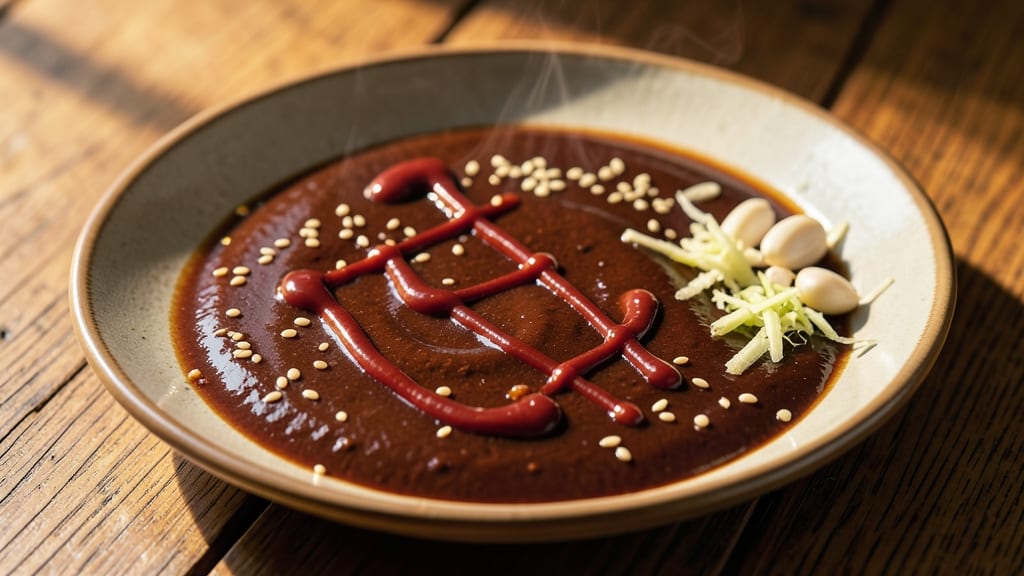
This Bachan's Japanese BBQ sauce copycat recipe delivers the same silky-smooth umami depth and subtle vinegar kick that makes it irresistible. 🔥 The secret lies in balancing mirin's sweetness with rice vinegar's tang while letting the sauce reduce to a glossy, clingy consistency.
I've perfected the ratios after years of testing—no artificial ingredients, just pure flavor that transforms grilled meats, fried chicken, and even vegetables into showstoppers.
The foundation starts with a simple combination of soy sauce, mirin, and sugar that builds umami layers, while rice vinegar adds that signature tangy brightness. What sets this apart is the slow reduction process that creates that signature glossy finish—no thickeners needed.
The sauce develops complexity as it simmers, with caramelized edges that add depth without overpowering the natural flavors of your protein.
What you'll end up with is a sauce that's perfectly balanced—sweet enough to caramelize slightly on the grill, tangy enough to cut through richness, and umami-packed enough to make every bite unforgettable.
The texture is silky-smooth, clinging perfectly to whatever it's glazing without being overly sticky. This is the kind of sauce that elevates ordinary cooking to restaurant-quality in just minutes.
Use it as a marinade for chicken thighs, a glaze for grilled ribs, or a dipping sauce for fried appetizers. The recipe makes enough for multiple uses, and it keeps well in the refrigerator for up to two weeks.
Let's get started on creating your own batch of this addictive Japanese BBQ sauce.
Ingredients for bachan's japanese bbq sauce copycat
Nine simple ingredients transform into the restaurant-quality sauce you crave.
| Ingredient | Amount | Notes |
|---|---|---|
| Kosher Soy Sauce 🥫 | ½ cup | Use high-quality, low-sodium preferred |
| Mirin 🍶 | ¼ cup | Sweet cooking wine, not mirin substitute |
| White Rice Vinegar 🍶 | ¼ cup | Seasoned rice vinegar adds depth |
| Granulated Sugar 🍚 | ¼ cup | Light brown sugar works too |
| Fresh Ginger Root 🌿 | 1 tbsp | Finely grated, not powdered |
| Garlic Cloves 🧄 | 3 cloves | Minced, not powdered |
| Sesame Oil 🫒 | 1 tbsp | Toasted sesame oil for aroma |
| Water 💧 | ½ cup | Filtered preferred for purity |
| Diamond Crystal Kosher Salt 🧂 | ¼ tsp | Adjust to taste at the end |
| Black Peppercorns 🌶️ | ¼ tsp | Freshly cracked for depth |
The soy sauce is non-negotiable—Kikkoman or La Choy are my go-tos, but any high-quality brand works. Mirin can be tricky to find; Trader Joe's carries a solid version, or check the Asian aisle at Walmart. The rice vinegar should be seasoned (not plain)—it adds that signature tang. For the ginger and garlic, fresh is a must. I always grab the ginger root and make it myself rather than using powdered, which tastes flat. The sesame oil? Toasted is key—it adds that nutty aroma that makes the sauce sing.
No mirin? Substitute equal parts dry sherry and sugar—it won't be identical, but it'll get you close. Rice vinegar out of stock? Apple cider vinegar works in a pinch, but reduce it by half first. The sugar can be swapped for honey or maple syrup, but the sauce might caramelize faster. For the garlic and ginger, if you're in a hurry, pre-minced works, but fresh is always better. The sesame oil is optional but adds that signature depth—skip it if you're avoiding nuts, but the sauce will still be delicious.
This sauce keeps beautifully—2 weeks in the fridge, 6 months frozen. For freezing, portion into ice cube trays before transferring to a bag. Reheat gently on the stove or microwave until just warmed through. It thickens as it cools, so add a splash of water if it gets too stiff. Make a big batch—you'll want to use it on everything from grilled chicken to stir-fried veggies.
Why You'll Love This Recipe
- Pantry Magic: I swear by this sauce because it uses stuff I already have—no special trips to Asian markets. That kosher soy, mirin, and ginger? They’re the unsung heroes of my weeknight cooking, transforming basic proteins into something that tastes like a restaurant’s secret.
- Umami Bomb: The moment that sugar and mirin hit the heat, your kitchen smells like a Tokyo street grill. It’s sweet, salty, and tangy all at once—like someone took all the best parts of a yakitori sauce and distilled them into one glossy, addictive glaze.
- Weeknight Workhorse: Slather it on chicken thighs for dinner, toss it with tofu for lunch, or even drizzle it over steamed veggies when you’re out of ideas. It’s the one sauce that turns “what’s for dinner?” into “oh, that’s easy” without skipping a beat.
- Budget Stretch: A little goes a long way—this sauce costs pennies per serving and keeps for weeks in the fridge. Honestly, I make double batches just to have it on hand; it’s cheaper than takeout and way more impressive. (Yes, even on a Tuesday night.)
Step-by-step instructions for silky Japanese BBQ sauce
Here's how to nail that signature Bachan's sauce—smooth, sweet, and packed with umami depth.
🍳 Step 1: Bloom the Aromatics in Toasted Sesame Oil
Heat a small saucepan over medium-low heat and add the 1 tablespoon sesame oil. Let it warm for 30 seconds until fragrant—you'll smell that nutty aroma that makes this sauce sing. Add the 3 minced garlic cloves and 1 tablespoon finely grated fresh ginger root (use a microplane for maximum surface area). Cook for 1-2 minutes until the garlic turns golden and the ginger softens but doesn't brown.
Here's the thing—don't walk away. Garlic burns faster than you think, and that would turn your sauce bitter. You want just a whisper of color, not a charred mess. Once fragrant, remove from heat immediately—we're not building flavor through cooking here, just extracting those aromatic oils.
🥘 Step 2: Combine Wet Ingredients for the Base
In a medium saucepan, combine the 0.5 cup kosher soy sauce, 0.25 cup mirin, 0.25 cup white rice vinegar, 0.25 cup granulated sugar, and 0.5 cup water. Give it a quick stir to dissolve the sugar completely—you want a smooth base, not grainy bits. Bring the mixture to a gentle simmer over medium heat, then reduce to the lowest heat setting possible.
This is where the magic happens quietly. The vinegar will make the sauce bubble gently, but you're aiming for a slow, controlled simmer—not a rolling boil. If it gets too vigorous, the sugar might crystallize or the sauce could reduce too quickly. We want to cook this for 10-12 minutes until it thickens slightly and reduces by about ¼ cup.
🍳 Step 3: Merge and Simmer to Perfect Consistency
Return the aromatic oil to the saucepan and stir well. Add the 0.25 teaspoon freshly cracked black peppercorns and 0.25 teaspoon kosher salt, then let the sauce simmer uncovered for another 5-7 minutes. You're looking for a syrupy consistency—thick enough to coat the back of a spoon but still pourable. Taste as you go: the sugar should be balanced with the acidity from the vinegar, and the umami from the soy sauce should be prominent.
Real talk: if it's too thin at this point, simmer uncovered for another 2-3 minutes. If it's too thick, you can't fix it—this sauce isn't meant to be watered down. The reduction process is what creates that signature glossy finish. When you're happy with the consistency, remove from heat immediately to preserve all those delicate aromas.
⏰ Step 4: Rest and Adjust for Restaurant-Quality Finish
Let the sauce sit at room temperature for 10 minutes—this resting period allows all the flavors to meld together. You'll notice it thickens slightly as it cools, which is exactly what you want. Give it one final taste and adjust the seasoning if needed. I usually add a pinch more salt or a splash of vinegar to balance, but trust your palate.
This sauce keeps beautifully in the fridge for up to 2 weeks, but it's best used within 5-7 days for maximum freshness. The flavors will deepen over time, but that hidden vinegar kick might become more pronounced. Use it to glaze meats, drizzle over rice bowls, or toss with noodles—just don't skimp on the portion size.
Pro Tips For Making Bachan'S Japanese Bbq Sauce Copycat
- Simmer Low and Slow: This sauce isn’t a race—keep it at a gentle simmer (barely bubbling) for 15-20 minutes. I used to crank the heat and end up with a thin, vinegary glaze instead of a rich, syrupy sauce. The sugar needs time to dissolve and caramelize properly.
- Grate Ginger Fine: Skip the food processor unless you want a gritty texture. Use a microplane or the smallest holes on a box grater to get a fine, even pulp that blends smoothly. Your first batch might taste like you forgot the ginger—don’t let that happen.
- Balance the Vinegar: Taste as you go, especially when adding rice vinegar. If it tastes too sharp, add a splash more mirin or a pinch of sugar to round it out. I learned this the hard way when I doubled the vinegar and ended up with a sauce that could’ve doubled as salad dressing.
- Strain for Smoothness: After simmering, strain the sauce through a fine-mesh sieve to remove any lingering ginger bits. It’s a small step, but it makes a real difference—especially if you’re serving it over delicate dishes like sushi or grilled fish. (Yes, even if you’re impatient like me.)
Flavor customization for this dish
Sweet Heat Boost
Want a little kick? Add 1 teaspoon sriracha or ½ teaspoon gochujang to the simmering sauce at the end. For a smoky heat twist, stir in ½ teaspoon smoked paprika with the black peppercorns.
I love this combo on grilled chicken thighs—it adds depth without overpowering the delicate sauce balance. 🌶️
Umami Depth
For an extra umami punch, stir in 1 tablespoon fish sauce or ½ teaspoon MSG during the final simmer. I keep a small bottle of Red Boat fish sauce on hand for this exact purpose—it elevates the sauce without adding any noticeable fishy taste.
The sauce will develop even richer layers of savory complexity.
Citrus Brightness
Add 1 tablespoon freshly squeezed lemon juice or ½ tablespoon lime juice at the end for a brighter, more refreshing profile. This works beautifully with seafood dishes like grilled shrimp or salmon. The acidity cuts through the sweetness and keeps the sauce feeling fresh and vibrant.
Smoky Variations
For a smoky twist, add ½ teaspoon liquid smoke or 1 teaspoon smoked salt during the final simmer. This pairs exceptionally well with pulled pork or grilled ribs. I often use this variation when cooking for backyard BBQs—it adds that campfire aroma that everyone loves. 🔥
Thicker Glaze
Need a thicker consistency for glazing? Reduce the water to ¼ cup and simmer uncovered for an extra 5 minutes after the initial reduction. For an even thicker version, stir in 1 teaspoon cornstarch mixed with 1 tablespoon water during the final simmer.
This works perfectly for drizzling over fried chicken or as a dipping sauce.
Herb Infusions
Add fresh herbs like 1 tablespoon chopped cilantro or 1 teaspoon chopped Thai basil just before serving. These herbs add a bright, aromatic finish that pairs beautifully with Asian-inspired dishes. I often use this variation when serving the sauce with noodle dishes or fresh spring rolls.
Nutrition facts
Frequently asked questions
Can I substitute mirin in this Japanese BBQ sauce?
Yes, but the flavor won't be identical. For every 1 cup of mirin, mix ½ cup dry sherry with ½ cup sugar. The sauce will be slightly less sweet and more acidic, but still delicious. If you're in a pinch, you could also use ½ cup honey plus ½ cup water, though the texture may vary slightly.
How long should I simmer the sauce to get the right consistency?
Simmer uncovered for 15-20 minutes total, stirring occasionally. The key is patience—let it reduce naturally until it coats the back of a spoon but remains pourable. If it thickens too quickly, reduce heat to the lowest setting. Over-simmering can make it too concentrated, so taste at 10 minutes and adjust from there.
What's the best way to store leftover sauce?
Transfer to an airtight container and refrigerate for up to 2 weeks. For longer storage, freeze in ice cube trays, then transfer to a freezer bag. Thaw overnight in the fridge—never microwave directly from frozen. The sauce may thicken when cold, so stir in 1 teaspoon water per ¼ cup sauce if needed before using.
Can I use this sauce on non-meat dishes?
It's fantastic on grilled vegetables like eggplant or bell peppers, as a dipping sauce for spring rolls, or even as a marinade for tofu. The sweet-savory balance works beautifully with seafood too—try it on grilled shrimp or salmon. Just reduce the cooking time slightly when glazing delicate proteins to prevent overcooking.
Why does my sauce taste too sweet or salty?
This usually happens when ingredients aren't balanced properly. For too-sweet sauce, add 1 tablespoon rice vinegar and simmer 2 minutes longer to mellow the sugar. If it's too salty, stir in 1 tablespoon water per ¼ cup sauce and adjust seasoning. Always taste as you go—the sauce should have equal parts sweet, tangy, and umami flavors.