
Sauces & Condiments
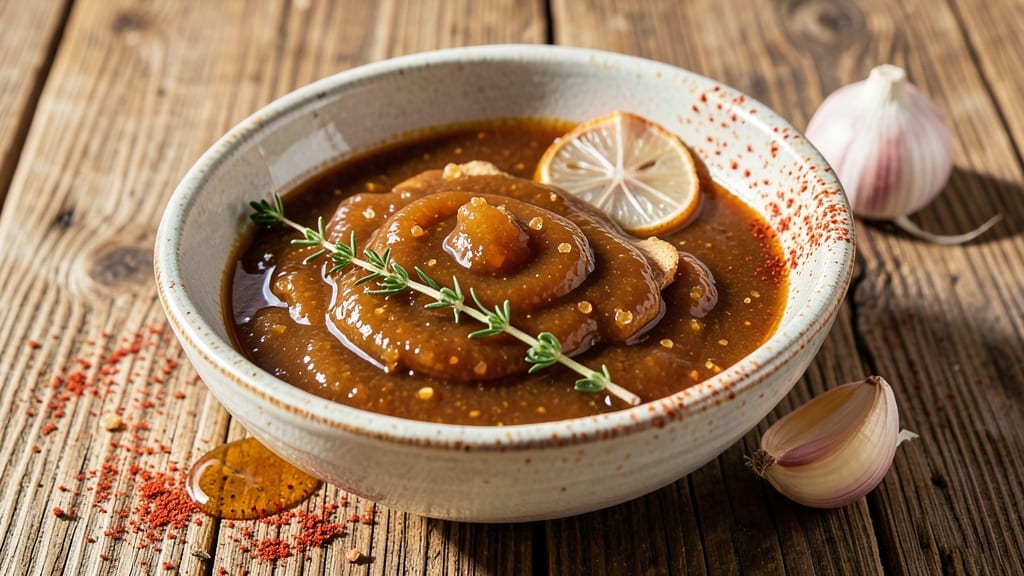
This Bahamian tamarind sauce recipe transforms simple ingredients into a vibrant, tangy-sweet condiment that bridges Caribbean flavors with bold heat. 🌊 The secret lies in balancing tamarind’s natural tartness with just the right amount of sweetness and aromatic spices, creating a sauce that elevates grilled meats, seafood, or even fresh fruit.
I developed this version after years of experimenting with traditional Bahamian techniques, ensuring every spoonful delivers that signature tropical depth.
The process is straightforward but requires patience—simmering tamarind pulp with spices until it thickens into a glossy, syrupy consistency.
No special equipment is needed beyond a saucepan and whisk, and the ingredients are easy to find: tamarind paste, brown sugar, garlic, ginger, and a pinch of cayenne for that signature kick. The result? A sauce that’s equally at home as a marinade, glaze, or dipping sauce for jerk-spiced dishes.
What sets this sauce apart is its versatility—use it to baste grilled mahi-mahi for a sticky, caramelized crust, drizzle over roasted plantains for a sweet-spicy contrast, or mix into marinades for chicken or pork.
The flavors develop even more after 24 hours in the fridge, making it perfect for meal prep. Once you taste the balance of tart, sweet, and spicy, you’ll reach for this sauce again and again.
For those new to tamarind, start with a small batch to adjust the sweetness to your taste. The sauce keeps well in the refrigerator for up to two weeks, so double the recipe and store it for future flavor boosts.
Ready to unlock the bold, tangy soul of the Bahamas in every bite? Let’s make this sauce.
Ingredients for bahamian tamarind sauce
Tamarind paste, brown sugar, and aromatic spices—this tropical trio creates a sauce bursting with Bahamian soul.
| Ingredient | Amount | Notes |
|---|---|---|
| Tamarind Paste 🍈 | 1 cup | Unblocked, high-quality preferred |
| Light Brown Sugar 🍬 | 1 cup | Packed, not granulated |
| Garlic Cloves 🧄 | 4 cloves | Freshly minced for aroma |
| Fresh Ginger 🌿 | ½ cup | Finely grated, peeled |
| Apple Cider Vinegar 🍏 | ¼ cup | For tangy depth |
| Ground Cayenne Pepper 🌶️ | 1 tsp | Adjust for heat preference |
| Ground Allspice 🌶️ | ½ tsp | Key for Bahamian warmth |
| Ground Cinnamon 🌿 | ¼ tsp | Enhances sweetness |
| Salt 🧂 | ½ tsp | Diamond Crystal preferred |
| Water 💧 | ½ cup | For thinning if needed |
Tamarind paste is the heart of this sauce, so quality matters. Look for unblocked paste at Latin markets or specialty stores like Whole Foods—it should be sticky and dark brown, not dry or crumbly. If you can't find it, tamarind concentrate works in a pinch (adjust water accordingly). Fresh ginger and garlic are non-negotiable here; frozen won't give the same punch. For spices, Penzeys or bulk bins at natural grocery stores ensure maximum flavor. The brown sugar should be packed—lightly tap the measuring cup to settle it.
No tamarind paste? Lemon juice plus 1 tbsp molasses mimics some of the tartness, though it won't be identical. Skip the allspice? Nutmeg at half the amount adds warmth, but you'll lose that signature Bahamian depth. Cayenne too spicy? Swap for smoked paprika at double the amount—it adds color and mild heat. The apple cider vinegar can be substituted with white vinegar or lime juice, but the flavor profile shifts slightly. If your sauce thickens too much, add water 1 tbsp at a time until you reach a glossy, syrupy consistency.
This sauce thickens as it cools, so don't worry if it looks too thin while warm. Store it in an airtight jar in the fridge for up to 2 weeks, or freeze for 3 months in ice cube trays for single-serving portions. The flavors deepen over time—24 hours in the fridge is ideal before using. For meal prep, double the recipe and keep it on hand for grilled meats, seafood, or even drizzled over fruit salads. Label your jar with the date to track freshness.
Why You'll Love This Recipe
- Five-Ingredient Magic: I swear by this—just tamarind, sugar, garlic, ginger, and vinegar. No fancy gadgets, no stress. The sauce practically makes itself while you chop (and even that’s minimal).
- Tangy-Sweet Balance: That first sip? Pure contrast—sour tamarind cutting through the caramelized sugar, with garlic and ginger adding warmth. It’s the kind of flavor that makes you pause mid-bite, like a secret handshake for your taste buds.
- Weeknight Hero: Drizzle it over grilled fish, toss it with roasted veggies, or use it as a dipping sauce for fried plantains. Honestly, I’ve used it in everything from breakfast eggs to Sunday dinner, and it never lets me down.
- Pantry Staple Power: A jar of this lasts forever—no spoilage, no waste. I make a big batch, store it in the fridge, and pull it out for months. Plus, tamarind paste and brown sugar are cheap, so you’re saving cash without sacrificing taste.
Step-by-step instructions for Bahamian tamarind sauce
This vibrant sauce balances sweet, tangy, and spicy flavors—here's how to craft it perfectly.
🍳 Step 1: Bloom the Spices in Oil
Heat a medium saucepan over medium-low heat and add 2 tablespoons neutral oil (like vegetable or canola). Once the oil shimmers, add the 4 cloves minced garlic cloves and 0.5 cup finely grated fresh ginger. Cook for 2-3 minutes until the garlic turns golden and fragrant—this prevents raw garlic flavor.
Next, stir in the 1 tsp ground cayenne pepper, 0.5 tsp ground allspice, and 0.25 tsp ground cinnamon. Toast the spices for 30 seconds until you smell their warm, aromatic essence. This step unlocks their full flavor potential—don't rush it, but watch closely to avoid burning.
👨🍳 Step 2: Combine Wet Ingredients
Pour in the 1 cup light brown sugar and stir constantly for 1 minute until it melts completely and the mixture becomes bubbly. This caramelizes the sugar slightly, deepening the sauce's complexity. Add the 0.25 cup apple cider vinegar and 0.5 tsp salt, stirring well to dissolve.
Now add the 1 cup tamarind paste and the 0.5 cup water. Stir vigorously for 2-3 minutes until the tamarind fully dissolves and the mixture thickens slightly. You'll notice the sauce transform from grainy to smooth—this is when the flavors start melding together. If it's too thick, add 1-2 tablespoons water to reach your desired consistency.
🔥 Step 3: Simmer and Thicken
Increase heat to medium-high and bring the sauce to a gentle boil. Once boiling, reduce heat to medium-low and let it simmer uncovered for 15-20 minutes, stirring occasionally. You're looking for the sauce to reduce by about 25%—it should coat the back of a spoon and develop a glossy sheen.
Taste and adjust seasoning: if it needs more heat, add a pinch of cayenne; if it needs more sweetness, stir in 1-2 teaspoons brown sugar. The sauce should balance all flavors—tangy from the vinegar, sweet from the sugar, and a subtle kick from the spices. If it thickens too much, whisk in 1 tablespoon water to restore balance.
⏰ Step 4: Cool and Rest (Critical Step)
Remove the sauce from heat and let it cool for 10 minutes at room temperature. This resting period allows the flavors to fully meld and the sauce to thicken naturally. Don't skip this—rushing leads to a thin, watery sauce that lacks depth.
Once cooled, taste again and make any final adjustments. The sauce should be thick enough to coat the back of a spoon but still pourable. For a smoother texture, strain through a fine-mesh sieve to remove any remaining bits. Transfer to a clean jar and store in the refrigerator for up to 2 weeks—it'll only get better with time as the flavors develop.
Pro Tips For Making Bahamian Tamarind Sauce
- Bloom the Tamarind: DESCRIPTION:
- Grate, Don’t Mince Ginger: DESCRIPTION:
- Simmer, Don’t Boil: DESCRIPTION:
- Vinegar Last: DESCRIPTION:
Make-ahead tips for this recipe
Batch Prep Strategy
Double the recipe and store it in quart-sized mason jars—this gives you enough for 4-6 meals while keeping prep manageable. I like using amber glass jars to protect the sauce from light, which helps preserve its vibrant color.
Label each jar with the date and "Tamarind Sauce" so you don’t forget what’s inside. 📅
Freezer-Friendly Tips
For long-term storage, freeze the sauce in ice cube trays—each cube equals about 1 tablespoon, perfect for quick marinades or glaze drizzles. Once frozen, transfer cubes to a freezer bag and flatten to save space.
Thaw overnight in the fridge before using, or microwave for 10-15 seconds if you’re in a rush. The texture stays glossy and smooth after freezing. ❄️
Flavor Development Timeline
Let the sauce sit in the fridge for at least 24 hours before using—this is when the flavors truly meld. I’ve found that 48 hours yields the deepest, most balanced taste.
The sugar caramelizes slightly, the spices mellow, and the tanginess softens into a harmonious sweet-spicy profile. Trust the process—rushing means missing out on the magic. ✨
Portioning for Meals
Divide the sauce into small glass jars (like 8-ounce portions) for easy grab-and-go use. These are perfect for weeknight dinners or BBQs—just grab one and toss it in your cooler.
I keep one jar in the fridge at all times for last-minute drizzles over grilled fish or roasted veggies. The smaller portions also make it easier to experiment with different heat levels. 🍽️
Reviving Stored Sauce
If your sauce thickens too much after refrigeration, whisk in 1 tablespoon water at a time until it reaches a syrupy consistency. For a smoother texture, strain through a fine-mesh sieve before reheating.
If it separates, gently warm it over low heat while stirring constantly—this restores its glossy finish. A quick 30-second zap in the microwave works too. 💫
Nutrition facts
Frequently asked questions
Can I substitute tamarind paste with something else?
If you can't find tamarind paste, mix 1 cup lemon juice with 1 tablespoon molasses for a similar tangy profile. For a closer match, use 2 tablespoons tamarind concentrate (common in Asian markets) plus 3 tablespoons water. The texture will be slightly thinner, but the flavor remains authentic. For a sweeter alternative, try 1 cup orange marmalade blended with 2 tablespoons vinegar.
How spicy should this sauce be?
The recipe includes 1 teaspoon cayenne for a mild kick, but adjust to taste! For a milder version, reduce to ½ teaspoon or swap for ½ teaspoon smoked paprika. If you love heat, add ½ teaspoon extra cayenne or a pinch of red pepper flakes. Remember, spices intensify as the sauce cools—taste before storing.
What’s the best way to use this sauce?
This versatile sauce works as a glaze for grilled meats (especially mahi-mahi or chicken), a marinade base (mix with olive oil), or a dip for fried plantains and jerk-spiced dishes. Drizzle it over fruit salads for a sweet-spicy contrast, or use it to deglaze pans after cooking. The thickened version is perfect for basting, while thinned sauce (with water) works well for dipping.
Why did my sauce turn grainy?
Graininess usually means the tamarind paste didn’t dissolve fully. Stir vigorously for 3-5 minutes while heating to break up clumps, or blend briefly with an immersion blender. If it’s too thick, add 1 tablespoon water at a time. For a smoother texture, strain through a fine-mesh sieve before serving. Always use high-quality tamarind paste—low-quality versions often contain fillers that cause graininess.
Can I make this sauce without sugar?
Yes! Replace the 1 cup brown sugar with 1 cup coconut sugar or agave nectar for a lower-glycemic option. For a sugar-free version, use ½ cup monk fruit sweetener (adjust to taste) or ¼ cup erythritol. Keep in mind the sauce will be less rich and may separate slightly—stir well before using. The allspice and cinnamon will still provide warmth, but the balance of flavors shifts toward tart and spicy.