
Sauces & Condiments
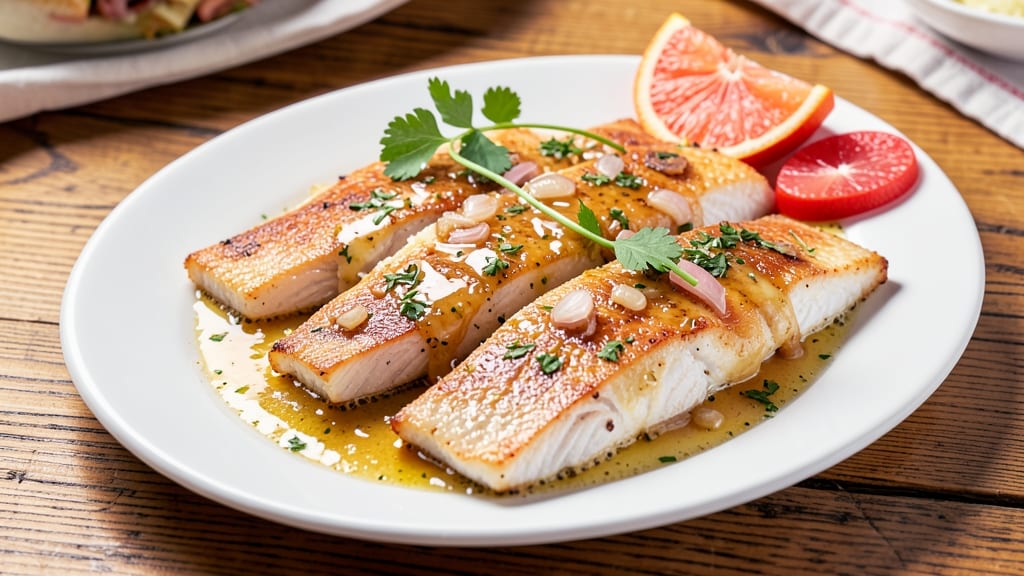
This baked fish with lemon sauce recipe transforms simple weeknight dinners into restaurant-worthy meals with minimal effort. The secret lies in a bright, tangy lemon sauce that cuts through delicate fish fillets, creating a perfect balance of zesty and savory flavors.
I developed this method after years of testing—it’s foolproof for beginners but impressive enough for any occasion.
The recipe focuses on two key elements: perfectly cooked fish with crisp edges and a velvety lemon sauce that ties everything together.
You’ll need just 15 minutes of prep time, followed by 12-15 minutes in the oven at 400°F. The sauce, made with fresh lemon juice, butter, and herbs, adds a burst of freshness that elevates even the simplest fish fillets.
What you’ll end up with is tender, flaky fish bathed in a glossy, aromatic sauce that’s bright enough to stand alone but rich enough to complement any side dish. The lemon’s acidity keeps the fish from drying out, while the butter adds a luxurious finish.
This dish is perfect for weeknight dinners, special occasions, or when you want to impress without spending hours in the kitchen.
The beauty of this recipe is its versatility—pair it with roasted vegetables, a fresh salad, or crusty bread to soak up every last drop of that zesty sauce. Once you try this method, you’ll never settle for boring baked fish again. Let’s get started!
Ingredients for baked fish with lemon sauce
Bright fish fillets and zesty lemon sauce—just 12 ingredients for restaurant-quality flavor.
| Ingredient | Amount | Notes |
|---|---|---|
| White Fish Fillets 🐟 | 4 pieces | Cod, halibut, or tilapia preferred |
| Unsalted Butter 🧈 | ½ cup | Cold, cut into small cubes |
| Fresh Lemon Juice 🍋 | ½ cup | Freshly squeezed, no pulp |
| Fresh Parsley 🌿 | ¼ cup | Chopped, flat-leaf preferred |
| Garlic Cloves 🧄 | 3 cloves | Minced, fresh preferred |
| Shallots 🧅 | 2 whole | Minced, or substitute 2 tbsp onion |
| Heavy Cream 🥛 | ¼ cup | Full-fat for best texture |
| Dijon Mustard 🍯 | 1 tbsp | Mild or regular strength |
| Salt 🧂 | 1 ½ tsp | Kosher or sea salt |
| Black Pepper 🌶️ | ½ tsp | Freshly ground preferred |
| Olive Oil 🫒 | 1 tbsp | For greasing baking dish |
| Lemon Zest 🍋 | 1 tbsp | From 1 large lemon |
The fish is where it all starts. Cod or halibut hold up best to the lemon sauce, but tilapia or mahi-mahi work too. Look for fillets with even thickness—about 1-inch thick—so they cook uniformly. If your fishmonger doesn't have them pre-cut, ask for skin-on fillets with the pin bones removed. The skin adds crispiness, but it's not mandatory. For sourcing, Whole Foods or local seafood markets often have the freshest cuts, but don't overlook the seafood counter at Trader Joe's—their frozen fillets thaw beautifully and save money. Always check the sell-by date, and if the fish smells fishy (not briny), walk away.
No fresh parsley? Dried parsley at half the amount works in a pinch, though fresh is ideal for that bright pop of color. The shallots can be swapped for 2 tbsp finely chopped red onion if you're in a hurry, but they add a subtle sweetness that's worth the effort. Heavy cream giving you pause? Coconut cream works for a dairy-free version, though the texture will be slightly different. The Dijon mustard is non-negotiable—it adds depth that regular yellow mustard can't match. For extra zing, add 1/4 tsp red pepper flakes to the sauce. And if you're prepping ahead, zest the lemon first and store it in the freezer—it keeps for months in an airtight container.
The sauce comes together in minutes, but the real magic happens when you let it sit for 10 minutes before serving—it thickens up beautifully. Store leftovers in the fridge for 3 days, though I can't promise the fish will stay as tender after reheating. The sauce reheats well, though, so save it for drizzling over rice or toast. For freezing, portion the sauce into ice cube trays first—thaw and warm gently on the stove. The lemon zest loses potency over time, so add a little extra fresh zest when reheating if you're feeling fancy. This dish is all about freshness, so don't make it too far ahead.
Why You'll Love This Recipe
- Foolproof Timing: I swear by this—just 15 minutes of hands-on work, then hands-off baking. No hovering, no stress. The fish stays flaky while the sauce bubbles into something golden and glossy without a single second of fuss.
- Bright, Zesty Magic: That lemon juice cutting through the butter? It’s like sunshine in a pan. The parsley and garlic add this fresh, herbal punch that makes even the simplest white fish feel like a restaurant-worthy dish.
- Weeknight to Dinner Party: Honestly, I make this for lazy Tuesdays and still bring it to potlucks. The sauce thickens beautifully, so it’s just as happy on a sheet pan as it is drizzled over rice or crusty bread—no one will guess it’s a 20-minute meal.
- Budget-Friendly Luxury: Fish fillets stretch further than you’d think when paired with this sauce—it feels fancy without breaking the bank. And leftovers? Reheat with a splash of water, and it’s just as good the next day. My wallet and my freezer both thank me.
Step-by-step instructions for baked fish with lemon sauce
Here's how to create a bright, tangy lemon sauce that transforms simple fish into a restaurant-worthy dish.
Prep and Season the Fish Fillets
Pat the 4 pieces white fish fillets completely dry with paper towels—this ensures crispy skin and even cooking. Place them on a cutting board and season both sides generously with 1.5 teaspoons salt and 0.5 teaspoon black pepper. I like to sprinkle the seasoning evenly, focusing on the edges where flavor tends to get lost.
Transfer the seasoned fillets to a baking dish lined with parchment paper. Brush the tops lightly with the 1 tablespoon olive oil from the ingredients list. This creates a barrier that helps prevent the fish from sticking to the dish and adds a subtle richness to the flavor. Arrange the fillets in a single layer, leaving about ½ inch between each piece for even cooking.
Sauté Shallots and Garlic for the Base
While the oven preheats to 400°F, heat a small skillet over medium heat. Add the 2 minced shallots and cook for 3-4 minutes until they become translucent and just beginning to soften. This step builds the aromatic foundation for your sauce—don't rush it, or you'll miss that sweet, mellow flavor.
Add the 3 minced garlic cloves and cook for another 30 seconds until fragrant. You'll know it's ready when you can smell that unmistakable garlic aroma filling your kitchen. Immediately remove the skillet from heat and set it aside—garlic burns faster than you think, and you want it to add flavor, not bitterness.
Create the Lemon Cream Sauce
In a separate saucepan, melt the ½ cup unsalted butter over low heat. Once melted, add the sautéed shallots and garlic mixture, stirring to combine. Pour in the ½ cup fresh lemon juice and bring to a gentle simmer. Let it reduce by about half—this takes roughly 3-4 minutes—until it thickens slightly and coats the back of a spoon.
Reduce heat to low and stir in the 1 tablespoon Dijon mustard, 1 tablespoon lemon zest, and ¼ cup heavy cream. The sauce should become silky and glossy. Taste and adjust seasoning if needed—this is your chance to balance the acidity with a touch more salt or a pinch of pepper. The sauce should be tangy but not overpowering, with a hint of mustard depth.
Bake the Fish to Flaky Perfection
Place the baking dish with fish fillets in the preheated 400°F oven and bake for 12-15 minutes. You'll know it's done when the fish flakes easily with a fork and the edges turn opaque white—no more translucent centers. Overcooking is the enemy here; once the fish reaches 145°F internally, it's time to pull it out.
During the last 2 minutes of baking, pour the lemon cream sauce evenly over the fish fillets. The residual heat will gently warm the sauce, allowing it to meld with the fish's natural flavors. Remove from the oven and let the fish rest for 3-5 minutes before serving—this ensures the juices redistribute, keeping every bite moist and flavorful.
Garnish and Serve with Fresh Parsley
Spoon any remaining sauce from the pan over the fish and sprinkle with the ¼ cup chopped fresh parsley. The parsley adds a fresh, bright contrast to the rich sauce and fish. Serve immediately with steamed vegetables, crusty bread, or a simple green salad to balance the dish.
Each bite should deliver tender, flaky fish with a vibrant lemon sauce that brightens the entire plate. The sauce clings beautifully to the fish, making every mouthful a harmonious blend of citrus, cream, and herbs. Trust the process—this method guarantees a dish that's both elegant and effortless.
Pro Tips For Making Baked Fish With Lemon Sauce
- Pat the Fish Dry: Wet skin sticks to the pan and steams instead of browning. Grab paper towels and press firmly—don’t just wipe—get it actually dry before adding butter. This isn’t just about looks; crispy skin means flavor, and that’s the thing that matters most when you’re baking fish.
- Use Cold Butter: I used to melt the butter first, thinking it’d spread easier. Wrong. Cold, cubed butter melts just enough to coat the fish while baking, creating pockets of golden, buttery goodness instead of a greasy mess. Toss the cubes on the fish right before baking—trust the process.
- Zest Before Juicing: Skip the bottled stuff—fresh lemon juice is non-negotiable, but don’t stop at the juice. Zest the peel first (about 1 teaspoon) and toss it into the sauce. The oils in the zest make the lemon flavor sing, and it’s the upgrade no one talks about. (Yes, even if you’re impatient like me.)
- Don’t Overbake the Garlic: Minced garlic burns faster than you think. Sauté it in a separate pan with a splash of lemon juice and a pinch of salt until just fragrant—about 30 seconds—then fold it into the sauce at the end. Overcooked garlic turns bitter, and nobody wants that in their lemon butter. Timing is everything here.
Wine and beer pairings for this dish
Crisp White Wines
For this bright lemon sauce, I always reach for a dry Riesling or Sauvignon Blanc—both wines have enough acidity to match the dish's zesty profile. A 2022 German Riesling from the Mosel region, with its crisp apple and citrus notes, mirrors the lemon sauce beautifully.
For a New World twist, try a New Zealand Sauvignon Blanc—its herbal and grapefruit flavors complement the parsley and garlic. Serve slightly chilled (45-50°F) to enhance the wine's refreshing qualities. 🍷
Light-Bodied Reds
If you prefer red wine, opt for a Pinot Noir with bright acidity and red fruit notes. A Willamette Valley Pinot from Oregon balances the dish's richness without overpowering it. Look for wines with subtle earthiness—this pairs wonderfully with the lemon's tang.
Keep the bottle at 55-60°F to preserve its delicate aromas. Avoid heavy Cabernets or Syrahs, as their tannins clash with the sauce.
Crisp Beer Pairings
A Belgian Witbier like Hoegaarden or Stella Artois adds a fun, effervescent contrast to the creamy sauce. The coriander and citrus notes in these beers echo the lemon's brightness.
For something lighter, a German Pilsner (like Warsteiner) cuts through the richness without competing. Serve both at 40-45°F to keep the crispness intact. 🍺
Unexpected Sparkling
Don't overlook Prosecco or Cava—their light bubbles and citrus undertones enhance the dish's freshness. A Veneto Prosecco with its green apple and almond notes creates a delightful contrast.
For a budget-friendly option, Freixenet Cordon Negro offers similar brightness. Chill to 40-45°F and serve in flutes to elevate the dining experience.
Non-Alcoholic Options
For a mocktail, mix ½ cup sparkling water, 2 tbsp fresh lemon juice, and a splash of ginger beer over ice. Garnish with a lemon wheel and fresh mint for a refreshing alternative.
Alternatively, try a sparkling apple cider—its crisp acidity mirrors the wine pairings perfectly. Both options work beautifully with the dish's tangy profile.
Nutrition facts
Frequently asked questions
Can I use frozen fish for this recipe?
Yes, but thaw it properly first! Place frozen fillets in a sealed bag and submerge in cold water for 30-60 minutes until fully thawed. Never use warm water or the fish will develop a mushy texture. Pat completely dry before seasoning to ensure crisp edges. For best results, use fish that's been frozen for 3 months or less.
How do I adjust the lemon sauce for spicier flavors?
Add ½ teaspoon red pepper flakes to the sauce when combining all ingredients, or stir in 1 teaspoon hot sauce at the end. For a smoky kick, replace ½ teaspoon of the garlic with smoked paprika. Always taste first—the sauce should complement, not overpower, the delicate fish.
What's the best way to reheat leftovers?
Reheat only the sauce portion in a saucepan over low heat for 2-3 minutes until warmed through. The fish reheats poorly—it's best served fresh. For a quick fix, spoon warm sauce over toasted bread with a sprinkle of parsley. Store leftovers in an airtight container for up to 3 days.
Can I make this sauce ahead of time?
Prepare the sauce up to 1 day ahead and store it in the fridge. When ready to use, reheat gently over low heat until warmed through. For extra brightness, add 1 teaspoon fresh lemon juice before serving. The sauce thickens as it cools, so thin with a splash of water if needed.
What if my fish comes out dry?
Overcooking is the most common cause. For future attempts, bake at 375°F instead of 400°F and reduce time to 10-12 minutes. Add 1 tablespoon butter to the baking dish before adding fish, or cover loosely with foil during the last 5 minutes of baking. The lemon sauce helps too—its acidity keeps the fish moist.