
Sauces & Condiments
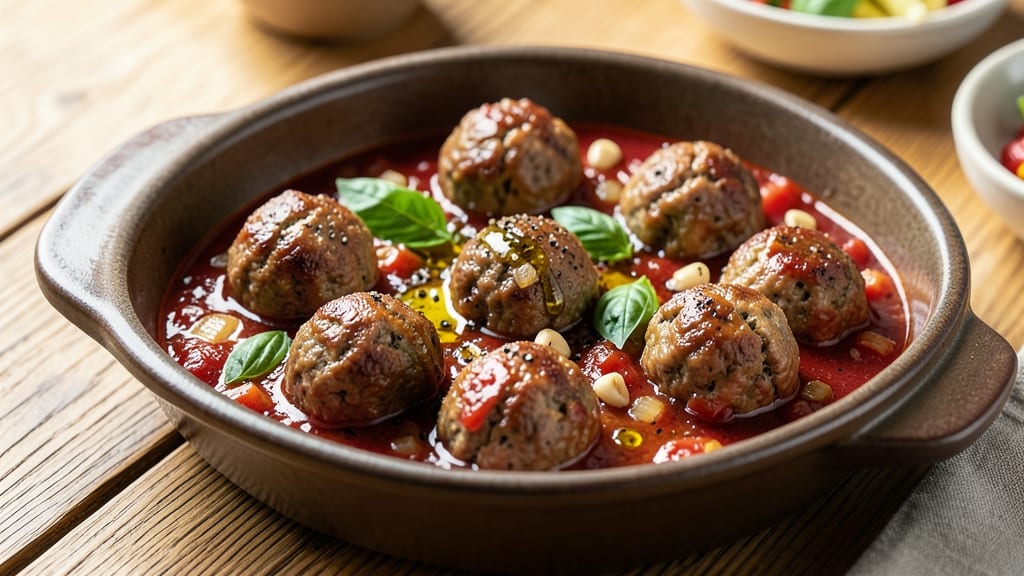
This baked meatball sauce recipe transforms simple ingredients into a rich, slow-simmered sauce that clings to every bite of tender meatballs.
The secret lies in a balanced blend of tomatoes, aromatic herbs, and a touch of sweetness that deepens as it simmers—creating layers of umami that elevate even the most basic meatballs to restaurant-quality.
I perfected this sauce after years of testing, ensuring it’s versatile enough to serve over pasta, drizzled on bread, or spooned alongside meatballs without overpowering them.
The foundation of this sauce is a slow simmer, which allows the flavors to meld and intensify over time. You’ll start with a simple base of crushed tomatoes, garlic, and onions, then build depth with dried herbs like oregano and basil, plus a splash of red wine for acidity.
The sauce thickens naturally as it cooks, developing a velvety texture that coats meatballs perfectly without being overly heavy. This method ensures every spoonful delivers a harmonious balance of tangy, savory, and slightly sweet notes.
What makes this sauce truly special is its ability to cling to meatballs, creating a bite that’s impossible to resist. The reduced tomatoes and caramelized aromatics create a glossy finish, while the herbs add freshness that brightens the rich flavors.
Unlike store-bought sauces, this one develops complexity as it simmers, making it even better the next day. Whether you’re serving it with meatballs, pasta, or as a dip, the sauce’s versatility ensures it becomes a staple in your cooking repertoire.
Ready in just 45 minutes, this sauce requires minimal effort but delivers maximum flavor. The slow simmering process means you can prep ahead and let the flavors develop while you focus on baking the meatballs. Once you taste the difference, you’ll never settle for anything less than homemade again.
Ingredients for baked meatball sauce
Rich, slow-simmered sauce with layers of umami and aromatic herbs for perfect meatball coating.
| Ingredient | Amount | Notes |
|---|---|---|
| Crushed Tomatoes 🍅 | 2 cups | Canned San Marzano preferred |
| Red Wine 🍷 | ½ cup | Bold dry variety like Cabernet |
| Garlic Cloves 🧄 | 4 cloves | Freshly minced for aroma |
| Yellow Onion 🧅 | 1 whole | Diced medium size |
| Dried Oregano 🌿 | 1 tbsp | Meditranean blend preferred |
| Dried Basil 🌿 | 1 tbsp | Or 0.25 cup fresh |
| Tomato Paste 🍅 | 1 tbsp | Squeeze tube preferred |
| Granulated Sugar 🍚 | 1 tbsp | Balances acidity |
| Extra-Virgin Olive Oil 🫒 | 2 tbsp | For initial sautéing |
| Salt 🧂 | 1 tsp | Diamond Crystal preferred |
| Black Pepper 🌶️ | ½ tsp | Freshly cracked |
| Bay Leaf 🌿 | 1 whole | Removed before serving |
The tomatoes are the heart of this sauce—San Marzano cans from Trader Joe's or any Italian market give the sweetest, most balanced flavor. If you can't find them, any good-quality crushed tomatoes work, but avoid the watery kinds. The red wine adds depth, so pick something bold like Cabernet or Merlot—none of that fruity Zinfandel nonsense. Garlic and onion are non-negotiable for that caramelized base, so don't skip them. I like to char the onions slightly in olive oil first for extra sweetness, but it's not required. The herbs? Mediterranean oregano and basil make all the difference—avoid the Mexican oregano unless you want a completely different flavor profile.
No red wine? Substitute with beef broth plus 1 tsp balsamic vinegar—it won't be identical, but it'll work. Fresh basil is ideal, but dried works at one-third the amount. The tomato paste can be skipped if you're using high-quality crushed tomatoes, but I find it adds that deep, concentrated flavor that takes this sauce from good to restaurant-quality. For extra richness, add 1 tbsp heavy cream at the end—it blends right in and makes the sauce velvety. The sugar balances the acidity, so don't omit it unless you're using particularly sweet tomatoes. And yes, you can make this sauce without meatballs—it's fantastic over pasta or as a dip with crusty bread.
This sauce tastes even better the next day as the flavors meld. Store it in an airtight container in the fridge for up to 5 days—the longer it sits, the more complex it gets. For freezing, portion into ice cube trays and transfer to a bag—perfect for adding to future meals. I like to make a double batch because it disappears so fast. The sauce thickens as it cooks, but if it gets too thick, just add a splash of water or broth. And trust me, the bay leaf is worth including—it adds subtle earthiness that disappears when removed, but makes the sauce sing.
Why You'll Love This Recipe
- No Chopping Chaos: I swear by this—just dice one onion and mince three garlic cloves. That’s it. The rest? Toss in crushed tomatoes straight from the can, a splash of red wine, and oregano. My hands stay clean while the flavor builds.
- Wine-Infused Magic: That red wine isn’t just for show—it deepens the sauce into something rich and layered, like a hug in a bowl. The oregano and garlic? They turn simple crushed tomatoes into a complex, savory-sweet masterpiece.
- Meal Prep MVP: Make a double batch on Sunday, and you’ve got lunch for the week. Freeze half, reheat it later, or serve it over pasta, polenta, or even toasted bread. It’s the ultimate lazy-day hero.
- Budget-Friendly Luxury: Ground meat, canned tomatoes, and a bottle of wine? This sauce costs next to nothing but tastes like you spent hours. Leftovers stretch across three meals, and the flavor only gets better as it sits. Win.
Step-by-step instructions for slow-simmered umami sauce
Here's how to build rich, velvety sauce using just pantry staples and patience.
Build the Flavor Base with Olive Oil and Onion
Heat the 2 tablespoons extra-virgin olive oil in a heavy-bottomed saucepan over medium-low heat. Add the 1 whole yellow onion, diced into ¼-inch pieces, and cook for 8-10 minutes until the onion becomes translucent and just begins to caramelize at the edges. You're not looking for deep browning yet—just softness and a gentle sweetness developing.
This slow cook is crucial. If the onion browns too quickly, reduce the heat and stir occasionally to prevent burning. The goal is to create a flavor foundation without any bitter notes that will carry through your entire sauce. I like to press down gently on the onion with a wooden spoon to help it release its moisture and cook evenly.
Add Aromatics and Toast the Spices
Push the onion to one side of the pan and add the 4 cloves garlic cloves, minced. Stir for 30 seconds until fragrant—you should smell that fresh garlic aroma immediately. If it starts to brown too quickly, move the pan to a cooler spot on the burner.
Return the onion to the center and stir in the 1 tablespoon tomato paste, spreading it evenly to coat the onion. Cook for 2 minutes until the paste darkens slightly and the raw taste disappears. This step deepens the umami flavor and helps thicken the sauce later. Next, add the 1 tablespoon dried oregano, 1 tablespoon dried basil, 1 tablespoon granulated sugar, 1 teaspoon salt, and ½ teaspoon black pepper. Stir everything together and cook for 1 minute to toast the spices and let their aromas meld.
Deglaze with Red Wine
Pour in the ½ cup red wine and scrape up any browned bits from the bottom of the pan with a wooden spoon. These bits are packed with flavor, and this step, called deglazing, captures them all. Let the wine simmer for 3-4 minutes until it reduces by about half and becomes slightly syrupy. You'll see the liquid turn from a pale ruby to a deeper, more concentrated color.
I know it might seem like too much wine for the quantity of sauce, but this reduction step is what concentrates the flavors. If you're nervous about the alcohol taste, don't be—it will cook off completely during the simmering process. The wine adds depth and complexity that you just can't get with tomato sauce alone.
Incorporate Tomatoes and Simmer
Add the 2 cups crushed tomatoes and the 1 whole bay leaf to the pan. Stir gently to combine, then bring the mixture to a gentle simmer over medium-low heat. The sauce should bubble softly but not vigorously—you're looking for a steady, slow cook that develops deep flavors. Partially cover the pan with a lid and let it simmer for 30-40 minutes, stirring occasionally.
Here's the thing—patience is key. The sauce will gradually thicken as the liquid reduces, and the flavors will meld together beautifully. If the sauce gets too thick before the 30 minutes are up, add 1-2 tablespoons of water to loosen it slightly. Taste after 20 minutes and adjust seasoning if needed—you might need a bit more salt or sugar to balance the acidity.
Finish and Serve
Once the sauce has simmered for 30-40 minutes, remove the bay leaf and taste. The sauce should be rich, slightly thick, and balanced—sweet from the sugar, tangy from the tomatoes, and deep from the wine and spices. If it's too acidic, add a pinch more sugar. If it's too thin, simmer uncovered for another 5-10 minutes to reduce it further.
This sauce is perfect for serving over meatballs, pasta, or even as a dipping sauce. It keeps well in the refrigerator for up to 5 days and freezes beautifully for up to 3 months. The longer it sits, the more the flavors develop and deepen, so if you can make it a day ahead, do it—you'll be rewarded with even more complex taste.
Pro Tips For Making Baked Meatball Sauce
- Sweat the Onion First: I learned this the hard way—skipping the slow sweat with garlic makes the sauce taste raw. Dice the onion fine (1/4-inch pieces) and cook it in olive oil over medium-low for 8–10 minutes until translucent but not browned. The wine will caramelize better, and the garlic won’t burn when you add it later.
- Deglaze with Wine Early: Pour the red wine in right after the onions soften, before adding tomatoes. Let it reduce by half (about 3–4 minutes) so the alcohol cooks off and the sauce gets deeper flavor. If you wait until later, you’ll just be boiling off alcohol instead of building layers.
- Crush Tomatoes by Hand: Skip the canned crushed tomatoes—use whole San Marzano instead. Break them open with your hands, squeeze out the pulp, and reserve the juices. This gives you control over texture (no watery sludge) and lets you adjust thickness with the reserved juices later. Yes, it’s more work, but the sauce tastes like it was made by someone who cares.
- Simmer Sauce Uncovered: After adding crushed tomatoes and oregano, let the sauce bubble uncovered for the first 10 minutes. This burns off excess acidity and intensifies the wine’s flavor. Only cover it later if it’s getting too thick—you’re not making soup here, you’re building depth.
Dietary considerations for this recipe
Gluten-Free Adaptation
This sauce is naturally gluten-free, but always double-check your ingredients—especially the crushed tomatoes and tomato paste. I use San Marzano tomatoes from Trader Joe's, which are certified gluten-free, but some brands add thickeners with wheat.
For extra safety, opt for certified gluten-free tomato products from brands like Muir Glen. The red wine and olive oil are also gluten-free staples, so no substitutions are needed here. 🌱
Dairy-Free Options
While the original recipe doesn't include dairy, you can enhance it with dairy-free alternatives if desired. For a creamier texture, stir in 2 tablespoons coconut cream or cashew cream at the end of cooking.
I've also had great results with nutritional yeast (about 1 tablespoon) for a cheesy flavor without dairy. Just add these after removing the bay leaf to prevent curdling. The sauce's rich tomato base stands up beautifully to these additions.
Low-Carb/Keto Version
To make this sauce keto-friendly, reduce the 1 tablespoon granulated sugar to ½ teaspoon erythritol or monk fruit sweetener. The tomatoes and wine provide enough natural sweetness that you won't miss the sugar.
For extra depth, add 1 tablespoon balsamic vinegar when deglazing the pan—it mimics the sweetness while keeping carbs low. This version still delivers that velvety texture and umami richness that keto dieters crave. 💪
Allergy-Friendly Swaps
If you need to avoid tomatoes entirely, substitute the 2 cups crushed tomatoes with 2 cups tomato-free marinara (check for gluten-free certification) or a blend of 1 cup tomato-free pasta sauce and 1 cup beef or chicken broth.
For a completely tomato-free option, use 2 cups mushroom broth infused with 1 diced portobello mushroom cooked down first. The umami from mushrooms works beautifully in this sauce. Always taste as you go—these swaps change the flavor profile slightly.
Vegetarian Adaptations
This sauce pairs perfectly with plant-based meatballs, but you can also use it as a standalone vegetarian dish. For extra richness, stir in 1 tablespoon nutritional yeast or 1 teaspoon miso paste after removing the bay leaf. The umami from these ingredients complements the wine and herbs beautifully.
I've also had success using this sauce as a marinade for grilled portobello mushrooms or as a dip for roasted vegetables. The slow simmer process ensures the flavors develop fully regardless of what you're serving it with. 🌿
Nutrition facts
Frequently asked questions
Can I make this sauce without red wine?
For a wine-free version, substitute the ½ cup red wine with ½ cup beef broth plus 1 teaspoon balsamic vinegar. This combo mimics the depth and acidity of wine while keeping the sauce flavorful. The broth adds richness, and the vinegar helps balance the tomatoes' acidity.
How do I prevent the sauce from getting too thick?
If your sauce thickens too quickly, simply add 1-2 tablespoons of water or broth while simmering. Stir well and let it cook for another 5 minutes to rebalance the consistency. For extra insurance, keep the pan partially covered to slow evaporation. The sauce will continue thickening as it cooks, so start with a slightly looser texture if needed.
What's the best way to reheat leftover sauce?
Reheat your sauce gently on the stove over low heat for 5-10 minutes, stirring occasionally. Avoid high heat to prevent separation or burning. If the sauce seems too thick after reheating, thin it with a splash of water or broth. For microwave reheating, use 30-second intervals on medium power, stirring between each interval. The sauce tastes even better reheated!
Can I use fresh herbs instead of dried?
Yes! Use ¼ cup fresh basil and 2 tablespoons fresh oregano (or ¼ cup fresh marjoram if oregano isn't available). Chop the fresh herbs finely and add them at the very end of cooking to preserve their bright flavors. Fresh herbs add a vibrant note that dried can't match, but they'll wilt quickly in the simmering sauce.
How can I make this sauce spicier?
Add ½ teaspoon red pepper flakes when toasting the spices, or stir in 1 teaspoon hot sauce or ½ teaspoon cayenne pepper at the end. For a smoky kick, add ½ teaspoon smoked paprika with the other spices. Always taste as you go—start with less and adjust to your preference. The sauce's rich tomato base balances heat beautifully.