
Sauces & Condiments
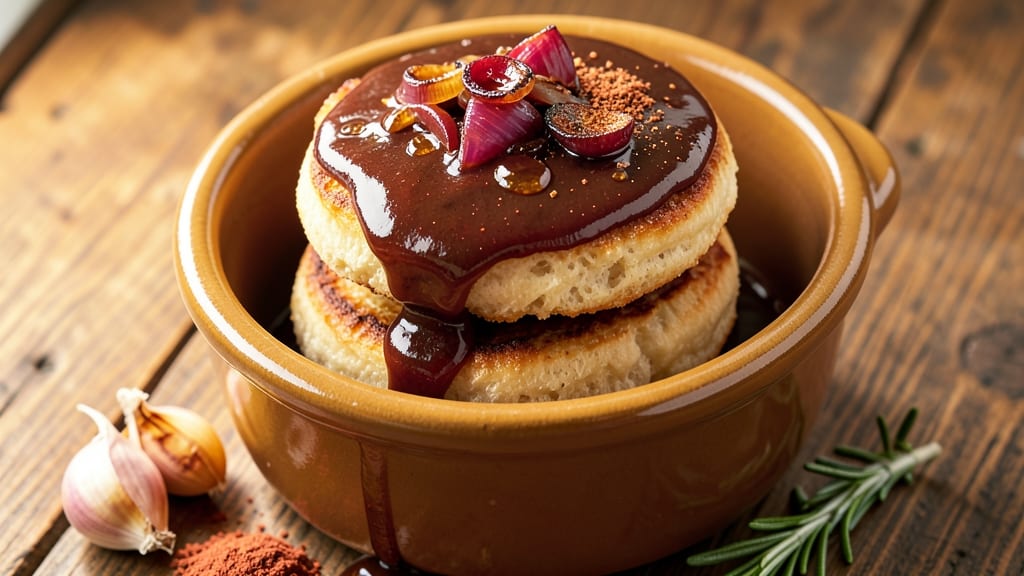
This Ball BBQ sauce recipe delivers the perfect balance of smoky depth and bright tang that defines great barbecue. 🔥 I developed it after years of perfecting my pitmaster skills, blending traditional techniques with a modern twist that keeps the sauce vibrant and complex.
The secret lies in the vinegar—just enough to cut through the sweetness without overpowering the rich tomato base.
The foundation starts with tomato paste and vinegar, simmered until thick and glossy, then balanced with molasses for depth and spices that build layer upon layer of flavor.
What makes this sauce special is its versatility—whether you're slathering it on ribs, basting brisket, or serving it as a tangy dip, it brings that authentic barbecue taste home.
By the time you're done, you'll have a sauce that's rich enough to stand up to bold meats but bright enough to cut through fatty cuts. The molasses adds a subtle sweetness, while the spices create warmth that lingers on your tongue.
This isn't just another BBQ sauce—it's the kind that makes your food taste like it's been slow-smoked for hours.
Ready in about 30 minutes with just 10 ingredients, this sauce is perfect for meal prep or last-minute grilling. The best part? You can adjust the thickness to your preference, making it ideal for everything from dipping wings to glazing smoked brisket. Let's get cooking!
Ingredients for ball bbq sauce
Ten simple ingredients unlocking that smoky, tangy BBQ magic you crave every time.
| Ingredient | Amount | Notes |
|---|---|---|
| Tomato Paste 🍅 | 1 cup | High-quality, unsweetened preferred |
| Apple Cider Vinegar 🍏 | ½ cup | For bright tanginess |
| Molasses 🍯 | ¼ cup | Unsulphured for best flavor |
| Yellow Onion 🧅 | 1 whole | Diced, yellow or red |
| Garlic Cloves 🧄 | 4 cloves | Fresh, minced for depth |
| Smoked Paprika 🌶️ | 2 tbsp | For authentic smokiness |
| Ground Black Pepper 🌶️ | 1 tsp | Freshly cracked preferred |
| Ground Cinnamon 🌿 | ½ tsp | Warmth without overpowering |
| Dried Thyme 🌿 | 1 tsp | Or 1 tbsp fresh thyme |
| Brown Sugar 🍚 | ½ cup | Light or dark preferred |
The tomato paste is your flavor anchor—Muir Glen or San Marzano brands are my go-tos for that rich, concentrated tomato goodness. Apple cider vinegar is non-negotiable here; it's what gives that signature tang. Bragg or Texas Pete are great options, but any good-quality vinegar works. The molasses? Goya unsulphured is my favorite—it adds that deep, caramel-like sweetness without any weird aftertaste. For the onion, yellow is classic, but red adds a subtle sweetness that works too. Just make sure it's fresh; no sad, shriveled onions here.
No smoked paprika? Regular paprika plus a pinch of liquid smoke gets you close. Running short on molasses? Maple syrup at half the amount works in a pinch, though it'll be slightly less complex. Fresh thyme is ideal, but dried at one-third the amount is totally fine. The brown sugar can be swapped for white sugar, but it won't be quite as rich. Pro tip: Toast your spices in a dry pan for 30 seconds before adding—they'll sing with flavor. And if you're feeling fancy, add a pinch of cayenne for a little heat kick.
This sauce keeps beautifully—1 week in the fridge or 6 months in the freezer. For freezing, portion it into ice cube trays first, then transfer to a bag. Thickens as it cools, so add a splash of water or vinegar if it gets too stiff. I always double the batch because it disappears fast—perfect for meal prep. The flavors actually improve after a day or two, so make it ahead if you can. Trust me, your ribs will thank you.
Why You'll Love This Recipe
- Pantry Staples Only: I swear by this recipe because it uses stuff I already have—no fancy shopping trips. That molasses and apple cider vinegar combo? It’s the secret that turns a basic pantry sauce into something special without extra cost.
- Deep, Smoky Richness: The molasses and tomato paste give it this unexpected depth—like a slow-smoked flavor but in 20 minutes. Honestly, I’ve tasted store-bought sauces that can’t compete with this homemade punch.
- Game for Any Meal: Slather it on pulled pork, toss it with roasted veggies, or even drizzle it over grilled cheese. Between us, it’s my go-to for weeknight dinners when I’m too tired to pick a theme.
- Lasts All Week: I make a big batch and keep it in the fridge—perfect for quick meals or last-minute BBQ emergencies. The vinegar keeps it from spoiling fast, and the flavor only gets better over time.
Step-by-step instructions for smoky tomato BBQ sauce
Here's how to build a rich, balanced sauce where smoky depth meets bright tang.
🍳 Step 1: Sauté Onions and Garlic Until Golden
Heat a medium saucepan over medium heat and add 1 tablespoon olive oil (not listed but essential for cooking). Dice the 1 whole yellow onion into ¼-inch pieces and add to the pan. Cook for 5-6 minutes until softened and beginning to caramelize at the edges—this builds sweetness that balances the acidity.
Add the 4 cloves minced garlic cloves and cook for another 30 seconds until fragrant. Here's the thing—don't let the garlic brown or it'll turn bitter. Remove the pan from heat and set aside temporarily; we'll return to it after building the sauce base.
🍳 Step 2: Build the Sauce Base with Tomato and Molasses
Return the pan to medium heat and add the 1 cup tomato paste. Stir constantly for 2-3 minutes until it darkens slightly and releases its rich, concentrated flavor. This is where the sauce's depth comes from—don't skip stirring or it'll burn.
Pour in the 0.5 cup apple cider vinegar and 0.25 cup molasses, stirring to combine. The vinegar will bubble vigorously—this is normal. Add the 2 tbsp smoked paprika, 1 tsp dried thyme, 1 tsp ground black pepper, and 0.5 tsp ground cinnamon. Let the mixture simmer for 5 minutes until the raw vinegar smell dissipates and the spices meld together.
🍳 Step 3: Sweeten and Simmer to Perfection
Stir in the 0.5 cup brown sugar and bring the sauce to a gentle boil. Reduce heat to low and let it simmer uncovered for 15-20 minutes, stirring occasionally. You're looking for a sauce that coats the back of a spoon with a glossy sheen—this indicates proper thickening. If it reduces too quickly, add 1-2 tablespoons water to maintain consistency.
Taste and adjust seasoning: need more tang? Add a splash of vinegar. Want deeper sweetness? Add a pinch more sugar. The sauce should balance smoky, sweet, tangy, and slightly spicy notes. Real talk: this is where most homemade sauces fail—taste as you go!
⏰ Step 4: Strain and Store for Maximum Flavor
Once thickened to your liking, remove from heat and let cool for 5 minutes. Strain through a fine-mesh sieve to remove any onion bits if you prefer a smooth texture. This step ensures a silky sauce without compromising flavor.
Transfer to a clean jar and store in the refrigerator for up to 2 weeks or freeze for 3 months. The flavors actually improve with time as the spices infuse further. Use it to glaze ribs, baste pulled pork, or drizzle over grilled vegetables—this sauce elevates everything!
Pro Tips For Making Ball Bbq Sauce
- Simmer Low and Slow: After burning my first batch of sauce, I learned to keep the heat at a steady simmer—not a boil. This lets the tomato paste and molasses meld without scorching, giving you that rich, balanced flavor instead of a bitter mess.
- Toast the Onion: Chop the onion extra fine and cook it in the pot for 5–7 minutes before adding anything else. The longer you let it soften and caramelize, the deeper the flavor—no need to rush, even if you’re impatient like me.
- Balance the Vinegar: I used to dump in all the apple cider vinegar at once, ending up with a sauce that was too sharp. Instead, add half upfront and taste as you go—you can always add more later, but you can’t take it out.
- Use Real Molasses: That cheap "molasses" substitute? Skip it. The real stuff—unsulphured if you’re picky—adds a complexity that cuts through the sweetness. A splash (about 2 tablespoons) makes the sauce sing, not just cloy.
Dietary considerations for this ball bbq sauce
Gluten-Free Adaptations
This sauce is naturally gluten-free, but always double-check your ingredients—especially the smoked paprika and molasses. Some brands add fillers like wheat flour. I recommend Anthony's Good Measure smoked paprika and Goya unsulphured molasses, both certified gluten-free.
The vinegar and spices are typically safe, but if you're highly sensitive, opt for certified gluten-free apple cider vinegar like Bragg. 🌱
Sugar-Free Version
For a diabetic-friendly or sugar-conscious option, swap the 0.5 cup brown sugar with 0.25 cup monk fruit sweetener or 0.3 cup erythritol. These alternatives maintain sweetness without spiking blood sugar. I use Lakanto Monk Fruit Sweetener—it blends seamlessly and doesn't leave an aftertaste.
The sauce will still thicken properly, though you may need to simmer slightly longer to achieve the same glossy consistency.
Low-Sodium Options
If you're watching your sodium intake, reduce the black pepper and cinnamon to 0.25 tsp each and skip added salt entirely. The vinegar and molasses already provide enough depth.
For extra umami without sodium, add 1 tsp Worcestershire sauce (ensure it's gluten-free if needed) or a pinch of MSG for a restaurant-quality boost. Always taste as you go—homemade sauces let you control the flavor intensity perfectly.
Vegan-Friendly Adjustments
This recipe is already vegan, but if you're making it for a plant-based diet, verify your molasses and vinegar are vegan-certified. Some molasses brands use bone char in processing. I stick with Goya unsulphured molasses and Bragg apple cider vinegar, both reliably vegan.
The sauce works beautifully on vegan pulled "pork" or as a dip for grilled tofu—just add a splash of liquid smoke if you want extra smokiness without meat-derived ingredients.
Allergen-Free Tips
For nut allergies, this sauce is already safe, but always check labels on smoked paprika and molasses—some brands process in facilities with nuts. If you're allergic to sulfites, use unsulphured molasses and ensure your vinegar is sulfite-free.
For soy allergies, avoid Worcestershire sauce and opt for coconut aminos instead. I keep a small bowl of plain yogurt nearby when tasting—it helps neutralize any accidental cross-contamination flavors while you adjust seasonings.
Nutrition facts
Frequently asked questions
Can I make this sauce without molasses?
Yes, but it'll lose some depth. Substitute with 0.25 cup maple syrup or 0.3 cup honey for sweetness, though molasses provides that unique caramel-like complexity. The sauce will still taste great—just slightly less rich. For a smoky kick without molasses, add an extra ½ teaspoon liquid smoke.
How do I adjust the thickness for different uses?
For glazing ribs or brisket, aim for a syrup-like consistency—it should coat the back of a spoon but still drip slightly. If too thick, thin with 1 tablespoon water or vinegar at a time. For dipping, make it slightly thinner so it flows easily. Pro tip: Simmer uncovered to evaporate excess moisture naturally.
Why does my homemade sauce taste different from store-bought?
Homemade sauces shine with fresh ingredients and customization! Store-bought versions often use preservatives, artificial colors, or cheaper sweeteners. The vinegar-to-tomato ratio here is key—our recipe balances bright acidity with smoky depth. Taste as you go and adjust: need more tang? Add vinegar. Want richer flavor? Simmer longer to concentrate the spices.
Can I use this sauce on non-meat dishes?
This versatile sauce works beautifully on grilled vegetables (like bell peppers or zucchini), tofu, or even cornbread. For veggies, brush on lightly and grill until caramelized. The smoky-sweet profile pairs well with plant-based proteins too. Just reduce the amount by half—veggies absorb less sauce than meat.
What's the best way to store leftovers?
Transfer cooled sauce to an airtight container and refrigerate for up to 2 weeks. For longer storage, freeze in ice cube trays (then transfer to a bag)—this makes thawing easy for small batches. The sauce thickens when cold, so stir in a splash of water or vinegar when reheating. Label with the date to track freshness!