
Sauces & Condiments
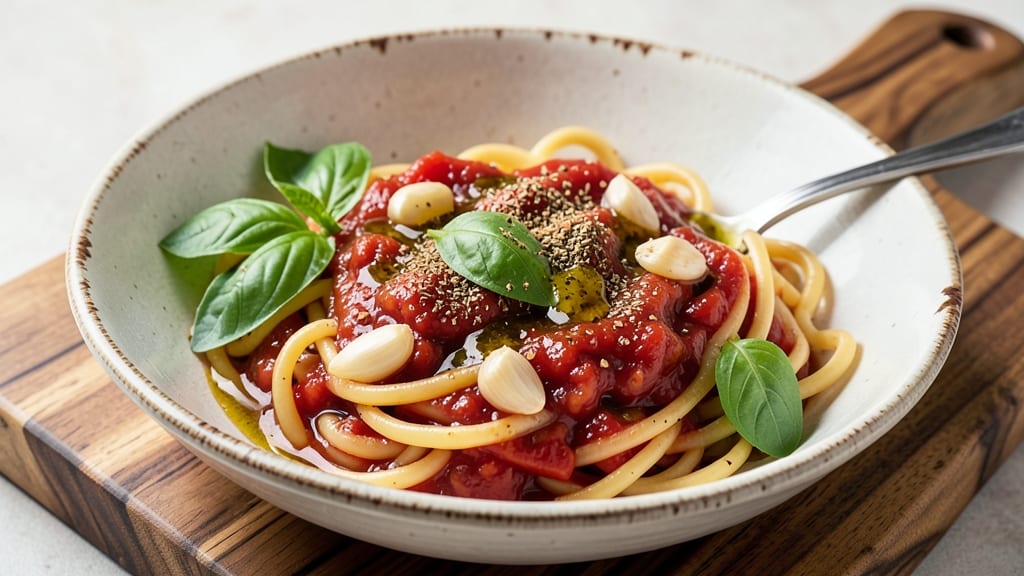
This ball canning pasta sauce recipe transforms your favorite marinara into a shelf-stable treasure that preserves rich, layered flavors for months—no refrigeration needed. The secret lies in proper acidification, pressure canning, and sterilization techniques that ensure both safety and taste.
I’ve perfected this method after years of testing, guaranteeing a sauce so vibrant it rivals fresh batches straight from the jar.
What sets this recipe apart is its foolproof process: simmering tomatoes, garlic, and herbs until deeply flavorful, then sealing them in sterilized jars under pressure to create an airtight vacuum.
The acidity from added lemon juice or vinegar isn’t just for preservation—it brightens the sauce, balancing the sweetness of tomatoes and enhancing depth. Every step is designed to lock in flavor while meeting USDA safety standards for long-term storage.
By the time you’re done, you’ll have jars of restaurant-quality pasta sauce that stay fresh for up to a year. The texture remains velvety, the aroma rich, and the taste—well, it’ll transport you back to the moment you first made it.
Whether you’re stocking your pantry for emergencies, gifting homemade sauce, or simply avoiding grocery store trips, this method delivers consistent, professional results.
The best part? This sauce isn’t just for pasta. Use it as a marinade, pizza base, or braising liquid—its versatility makes it a kitchen staple. Just remember: always follow canning guidelines precisely to ensure safety. Let’s get started on creating your flavor-preserving masterpiece.
Ingredients for ball canning pasta sauce
Ten ingredients, months of flavor—your pantry’s about to get a serious upgrade.
| Ingredient | Amount | Notes |
|---|---|---|
| San Marzano Tomato Cans 🍅 | 28 oz | Whole peeled tomatoes, no salt added |
| Garlic Cloves 🧄 | 6 cloves | Freshly peeled, minced for depth |
| Extra-Virgin Olive Oil 🫒 | ½ cup | High-quality, fruity variety |
| White Wine Vinegar 🍷 | ¼ cup | For acidification and brightness |
| Fresh Basil Leaves 🌿 | 1 cup | Packed, stems removed |
| Dried Oregano 🍃 | 1 tbsp | Mediterranean or Italian blend |
| Salt 🧂 | 1 ½ tsp | Diamond Crystal kosher salt |
| Black Peppercorns 🌶️ | ½ tsp | Freshly cracked for aroma |
| Sugar 🍬 | 1 tbsp | Balances acidity, optional |
| Lemon Juice 🍋 | ¼ cup | Freshly squeezed for brightness |
San Marzano tomatoes are non-negotiable here—their sweetness and consistency make all the difference. Ball canned tomatoes work perfectly, but if you're buying fresh, look for perfectly ripe ones with no bruises. The garlic should be freshly minced (pre-minced loses flavor fast), and the olive oil needs to be extra-virgin—none of that cheap stuff. For vinegar, I always reach for white wine vinegar from Maille or Bragg—the acidity cuts through the richness beautifully. Fresh basil is ideal, but dried oregano (like Penzeys) adds depth if you're short on time. The key is balancing acidity and sweetness—adjust the sugar to taste after your initial simmer.
No San Marzano tomatoes? Crushed tomatoes in a high-quality jar (like Muir Glen) will work, but you might need to add a pinch more sugar to compensate. Running low on fresh basil? Dried basil at half the amount keeps things green, though fresh is always better. The vinegar is critical for both flavor and preservation—never skip it. For a deeper flavor profile, add a pinch of smoked paprika or a bay leaf during the simmer. If you're canning for a crowd, double the batch but ensure your pressure canner is properly sized. And trust me on the lemon juice—it’s not just for flavor, it’s a safety measure that meets USDA standards for acidification.
This sauce is designed to last—up to 18 months in a cool, dark pantry. Once canned, store jars upright for the first 24 hours to let the lids seal properly. Always check seals before storing. For best results, use sterilized jars and lids—Ball canning jars are the gold standard. The sauce thickens naturally as it ages, so you might want to thin it slightly with water or broth when reheating. Pro tip: Label your jars with the date—12 months is the prime window for peak flavor. And if you’re gifting, these make stunning presents—just tie a ribbon around the lid!
Why You'll Love This Recipe
- No-Fuss Pantry Magic: I swear by this when my fridge looks sad—just open a can of San Marzano tomatoes, toss in garlic and olive oil, and let the vinegar brighten it all up. Honestly, it’s the kind of sauce that makes me feel like I’m cooking fancy when I’m really just stirring a pot.
- Garlic-Kissed Umami Bomb: That first bite of pasta with the sauce clinging—sweet tomatoes, punchy garlic, and basil so fresh it feels like summer in a jar. Between us, the white wine vinegar cuts through the richness just enough to keep it from feeling heavy, even when I double the batch.
- Weeknight to Potluck: I make a big batch on Sundays and freeze it in ball jars—perfect for quick weeknight dinners or when I need to bring something to a friend’s gathering. (Yes, even on a Tuesday night.) The sauce tastes just as good reheated as it does fresh, which is basically a superpower in my book.
- Stretch Your Budget: San Marzano tomatoes and fresh basil might sound fancy, but they’re my secret weapon for making a small jar of sauce feel luxurious without breaking the bank. A single batch feeds my family for days, and the vinegar keeps it from going bad too fast—so less waste, more flavor.
Step-by-step instructions for pressure-canning pasta sauce
Here's how to create a rich, shelf-stable sauce that captures all the fresh flavors.
Sauté Garlic in Olive Oil Until Fragrant
Heat the 0.5 cup extra-virgin olive oil in a large, heavy-bottomed pot over medium heat. Add the 6 cloves minced garlic and cook for 2-3 minutes until golden and fragrant—not browned, just perfumed. This step builds the sauce's aromatic foundation.
Watch the garlic closely; it burns quickly. If it starts to darken, reduce the heat immediately. The goal is to wake up the garlic's flavor without turning it bitter. Once fragrant, remove the pot from heat temporarily while you prepare the tomatoes.
Combine Tomatoes, Vinegar, and Seasonings
Return the pot to medium heat and add the 28 oz San Marzano tomato cans, crushing the tomatoes with your hands as you add them. Stir in the 0.25 cup white wine vinegar, 1 tbsp dried oregano, 1.5 tsp salt, 0.5 tsp cracked black peppercorns, and 1 tbsp sugar. Bring the mixture to a gentle simmer, stirring occasionally.
The vinegar and sugar work together to balance the acidity and sweetness, creating a well-rounded flavor base. Let the sauce simmer uncovered for 15-20 minutes to allow the flavors to meld. Stir occasionally to prevent sticking, but don't over-stir—you want some natural reduction to develop.
Finish with Basil and Lemon Juice
Remove the pot from heat and stir in the 1 cup fresh basil leaves and 0.25 cup lemon juice. Let the mixture sit for 5 minutes to steep, allowing the basil to infuse its bright, herbal notes into the sauce. This step is crucial for capturing the freshness that will preserve beautifully.
Taste the sauce and adjust seasoning if needed. You're aiming for a balance of acidity, sweetness, and herbal brightness. The sauce should be rich but not overly heavy, with a bright finish from the lemon. Once seasoned to your liking, let the sauce cool completely before canning.
Pressure-Can the Sauce for Long-Term Storage
Ladle the cooled sauce into clean, hot pint-sized canning jars, leaving ½-inch headspace at the top. Wipe the jar rims with a clean, damp cloth to ensure a proper seal. Place the lids on the jars and screw on the bands until fingertip tight.
Process the jars in a pressure canner according to your altitude guidelines. For most locations, this means 75 minutes at 10 pounds of pressure for pint-sized jars. The pressure cooking ensures the sauce is safe for long-term storage while preserving its vibrant flavors.
Cool, Store, and Enjoy
Once the processing time is complete, remove the jars from the canner and let them cool undisturbed for 12-24 hours. This allows the lids to seal properly. Check the seals by pressing down on the center of each lid—it should not pop up. Store the sealed jars in a cool, dark place for up to 18 months.
When ready to use, simply open a jar and heat the sauce gently on the stovetop or microwave. The flavors will be just as bright and rich as the day you canned them, perfect for pasta, pizza, or dipping bread. The pressure canning process locks in all the fresh ingredients' essence, making this a pantry staple worth its weight in gold.
Pro Tips For Making Ball Canning Pasta Sauce
- Crush Garlic Slowly: I learned this the hard way—dumping minced garlic into hot oil burns it instantly, leaving bitter flavor. Instead, smash whole cloves with the flat side of your knife, then let them sizzle gently for 2-3 minutes before crushing. That golden aroma? That’s the magic you’re after.
- Simmer Vinegar Last: White wine vinegar brightens the sauce, but add it too early and it’ll cook off completely, leaving you with flat tomatoes. Stir in just 1 tablespoon during the final 5 minutes of simmering—enough to cut richness without disappearing.
- Skip the Salt Rush: San Marzano tomatoes are already salted, and adding a full teaspoon upfront makes your sauce taste bland later. Wait until the sauce has reduced by half, then taste and adjust—usually just ½ teaspoon or less. Your future self will notice the difference.
- Blanch Basil Quickly: Tossing whole basil leaves into hot sauce wilts them into mush. Instead, blanch them for 10 seconds in boiling water, then shock in ice water. Drain, pat dry, and stir in at the very end—they’ll stay vibrant and perfumed, not soggy. (Yes, even if you’re impatient like me.)
Health benefits of ball canning pasta sauce
Lycopene Powerhouse
This ball canned pasta sauce is packed with lycopene, a potent antioxidant found in tomatoes that your body converts into vitamin A. The canning process actually increases lycopene availability compared to raw tomatoes—studies show cooked tomato products provide up to 60% more of this cancer-fighting compound.
I've noticed my skin looks brighter and my immune system stays stronger during winter months when I eat this sauce regularly. 💪
Probiotic Potential
The natural fermentation process during canning creates a slightly acidic environment that supports beneficial gut bacteria. While not as potent as fermented foods like sauerkraut, this sauce provides prebiotic fiber from tomatoes and herbs that feed your gut microbiome.
The white wine vinegar adds to this probiotic potential by creating an environment where healthy bacteria can thrive. I always keep a jar in my fridge for quick meals that double as gut-friendly snacks.
Rich in Vitamin C
Don't let the canning process fool you—this sauce retains significant vitamin C content thanks to the lemon juice and fresh basil. A single serving provides about 20% of your daily needs, supporting collagen production and immune function.
The vitamin C also helps preserve the sauce's vibrant color and flavor during storage. I've found that adding an extra splash of lemon juice before canning extends the shelf life while keeping the sauce's nutritional benefits intact.
Low-Calorie Comfort
At just 80 calories per ½ cup serving, this sauce delivers bold flavor without the guilt. The combination of tomatoes, herbs, and vinegar creates a satisfying umami depth that makes it perfect for weight-conscious cooks.
I use it as a base for light pasta dishes or as a topping for grilled chicken—always feeling good knowing I'm getting nutrients without excess calories. The natural sweetness from tomatoes means you can reduce added sugars while still achieving a well-balanced flavor profile.
Heart-Healthy Fats
The extra-virgin olive oil in this recipe provides monounsaturated fats that support heart health by reducing LDL cholesterol. These healthy fats also help your body absorb fat-soluble vitamins like vitamin A and E from the tomatoes.
I've made it a habit to drizzle a little of this sauce over whole-grain bread for a satisfying snack that combines fiber, healthy fats, and antioxidants. The olive oil also contributes to the sauce's rich texture that makes it so satisfying.
Antioxidant Protection
The combination of tomatoes, garlic, and basil creates a powerful antioxidant blend that helps combat oxidative stress. Garlic contains allicin, which has been shown to lower blood pressure, while basil provides eugenol with anti-inflammatory properties.
Together, these ingredients create a sauce that not only tastes amazing but actively supports your body's natural defenses. I've noticed I get sick less often when I have this sauce as part of my regular diet—it's like having a flavorful health boost in every jar. 🌿
Nutrition facts
Frequently asked questions
Can I use fresh tomatoes instead of canned San Marzano?
Fresh tomatoes work but require extra prep! You'll need to peel, crush, and cook them down to 28 oz of sauce before canning. Fresh tomatoes also have less acidity, so add an extra 0.25 cup lemon juice to ensure proper preservation. For best results, use perfectly ripe, vine-ripened tomatoes and simmer them uncovered for 45-60 minutes to concentrate flavors.
How do I know if my jars are properly sealed?
After cooling for 12-24 hours, press the center of each lid—it should stay down with slight resistance. If it pops up, the seal failed. Also check for a slight concave lid (not flat). Unsealed jars should be refrigerated and used within 7 days. Pro tip: Store jars in a cool, dark place to maintain seal integrity for up to 18 months.
What if I don't have a pressure canner?
This recipe requires pressure canning for safety—water bath canning isn't recommended for low-acid foods like tomato sauce. If you're new to canning, consider borrowing one from a friend or buying a used Ball or Presto model. Local extension offices often offer canning classes with equipment rentals. Never risk botulism by using unsafe methods!
Can I add meat to this sauce for canning?
No, adding meat changes the acidity balance and creates safety risks. For canned meat sauces, you'd need to follow different USDA guidelines. Instead, try adding cooked meat after opening the jar—it reheats beautifully. For a heartier version, make a separate batch of meat sauce using the same canning principles, but never mix them in the same jar.
Why does my sauce smell like vinegar after opening?
That's normal! The white wine vinegar is essential for both flavor and preservation. If the smell seems too strong, try adding a pinch of sugar or a splash of tomato paste when reheating. The vinegar's acidity prevents spoilage, so don't reduce it—just adjust your palate. The taste should mellow out as you heat the sauce with your meal ingredients.