
Sauces & Condiments
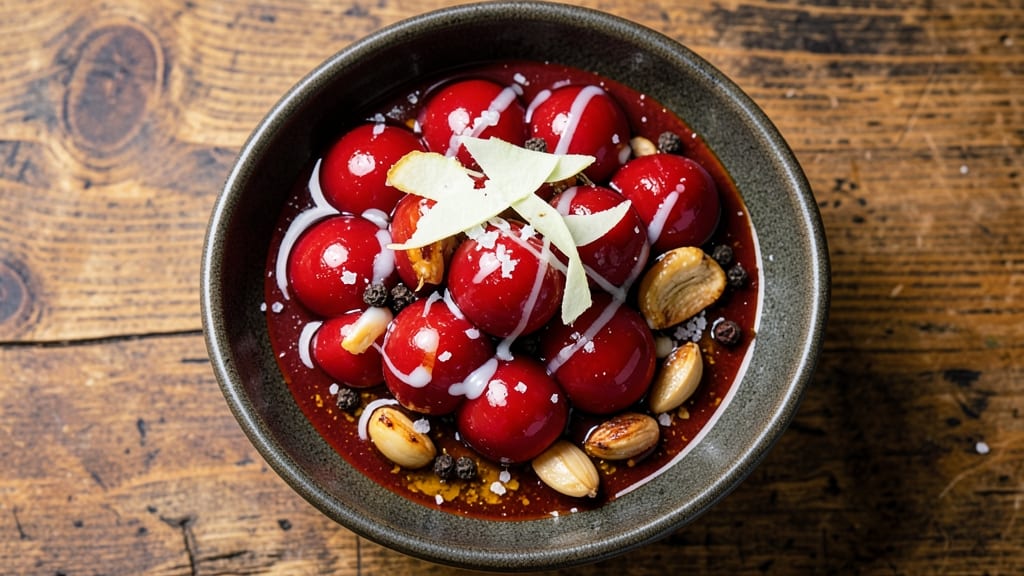
Ball chili sauce transforms ordinary dishes into bold, smoky masterpieces with its perfect balance of heat, sweetness, and vinegar tang—this recipe delivers restaurant-quality results in under an hour. The secret lies in simmering tomatoes, garlic, and spices until they develop deep, caramelized flavors, then blending with vinegar for that signature zing. I've perfected this version to work as a dipping sauce, stir-fry glaze, or noodle topping without overpowering other ingredients.
What sets this sauce apart is the combination of Sichuan peppercorns for subtle heat and a touch of brown sugar to round out the acidity. Unlike store-bought versions, this recipe builds flavor gradually through slow simmering rather than relying on artificial additives.
The result is a glossy, velvety sauce with layers of complexity that clings beautifully to dumplings, wings, or grilled meats.
This sauce keeps well in the refrigerator for up to two weeks, making it ideal for batch cooking. The ingredients are simple—tomatoes, vinegar, garlic, ginger, and a few key spices—but the technique ensures professional-level depth.
Whether you're adding it to a quick stir-fry or using it as a finishing sauce, this chili sauce elevates every dish it touches.
For extra versatility, adjust the heat level by adding more or less chili oil, or thin it with a splash of water if needed for drizzling. The possibilities are endless, from marinating proteins to enhancing fried rice. Let's create this flavor-packed sauce that will become your new kitchen staple.
Ingredients for ball chili sauce
Tomatoes, vinegar, and spices combine for this restaurant-quality chili sauce with smoky depth and bright tang.
| Ingredient | Amount | Notes |
|---|---|---|
| San Marzano Whole Tomatoes 🍅 | 28 oz | Crushed by hand for texture |
| White Vinegar 💧 | ½ cup | Distilled preferred for balance |
| Brown Sugar 🍯 | ¼ cup | Light or dark variety |
| Garlic Cloves 🧄 | 6 cloves | Minced for deep infusion |
| Fresh Ginger 🌿 | 2 tbsp | Grated, not powdered |
| Sichuan Peppercorns 🌶️ | 1 tsp | Lightly toasted for aroma |
| Ground Black Pepper 🌶️ | ½ tsp | Freshly cracked for heat |
| Chili Oil 🫒 | 1 tbsp | Adjust for desired heat |
| Diamond Crystal Kosher Salt 🧂 | 1 tsp | For seasoning balance |
| Extra-Virgin Olive Oil 🫒 | 1 tbsp | For glossy finish |
The tomatoes are non-negotiable—San Marzano delivers the sweetness and acidity this sauce demands. If you can't find them, heirloom varieties work as a close second. The vinegar should be white and distilled, not apple cider or balsamic, to maintain the clean acidity that cuts through the richness. Whole Foods and Trader Joe's carry excellent options for both. Sichuan peppercorns are the secret weapon here—toast them lightly in a dry pan for 30 seconds to release their citrusy aroma before grinding. Fresh ginger and garlic must be used; powdered forms lack the complexity this sauce requires.
No Sichuan peppercorns? Substitute with a pinch of ground white pepper plus a dash of lemon zest for a similar bright note. Running low on San Marzano tomatoes? Roma tomatoes work in a pinch, but you'll need to remove skins for a cleaner texture. The brown sugar can be swapped for maple syrup at a 1:1 ratio, though it will add subtle caramel notes. For heat adjustments, chili flakes or cayenne can replace the chili oil, but remember—chili oil carries both heat and aromatic depth. If you're making this ahead, let the sauce sit overnight before blending for maximum flavor development.
This sauce keeps beautifully in an airtight container in the fridge for up to 2 weeks, with flavors actually improving over time. For longer storage, freeze in ice cube trays—perfect for drizzling later. The texture will thicken as it cools, so add a splash of water when reheating if you prefer it glossy. I always make a double batch—one jar for immediate use, another for freezing. The versatility is what makes this sauce a kitchen staple, from dipping spring rolls to glazing grilled meats.
Why You'll Love This Recipe
- No-Chop Necessary: The ginger and garlic get a quick pulse in the food processor—no mincing, no mess. I swear, I’ve made this sauce with my hands full of laundry, and it still comes out perfect.
- Sweet-Spicy Magic: That brown sugar and vinegar combo? It’s like a grown-up version of ketchup—tangy, just a little sweet, with a slow-building warmth. The San Marzano tomatoes keep it rich without being heavy.
- Game for Any Meal: Drizzle it over grilled chicken, toss it with rice and eggs, or slather it on a sandwich. I’ve even used it as a glaze for roasted veggies—it’s the kind of sauce that makes you question why you ever bought store-bought.
- Lasts All Week: A big batch keeps for months in the fridge, and it only gets better as the flavors meld. Honestly, I make this once and forget about it until I’m scrambling for something to jazz up leftovers. (Yes, even on a Tuesday night.)
Step-by-step instructions for ball chili sauce
Transform simple ingredients into a complex, layered sauce with perfect balance.
Toast Aromatics for Deep Flavor Foundation
Heat a heavy-bottomed saucepan over medium heat and add the 1 tablespoon extra-virgin olive oil. Once shimmering, add the 6 cloves garlic cloves and 2 tablespoons fresh ginger—stir constantly for 2 minutes until the garlic turns golden and aromatic but doesn't brown. This step builds flavor without bitterness.
Add the 1 teaspoon Sichuan peppercorns and toast for 30 seconds until fragrant. The peppercorns will release their signature numbing heat and citrusy aroma. Immediately add the 0.5 teaspoon ground black pepper and stir for 10 seconds to distribute evenly. This aromatic base forms the sauce's flavor backbone.
Crush Tomatoes and Combine Wet Ingredients
Working quickly, crush the 28 oz San Marzano whole tomatoes by hand using your fingers or a potato masher. Avoid pulsing in a blender—this preserves texture and prevents a mushy sauce. Transfer the crushed tomatoes to the saucepan and stir to combine with the toasted aromatics.
Add the 0.5 cup white vinegar and 0.25 cup brown sugar, stirring vigorously to dissolve the sugar completely. The vinegar will brighten the tomatoes' acidity while the sugar balances the heat. Bring the mixture to a simmer over medium-high heat, then reduce to medium-low heat and let it cook uncovered for 15 minutes. This initial reduction develops the sauce's concentrated flavor.
Simmer and Develop Complexity
After the initial simmer, add the 1 teaspoon Diamond Crystal kosher salt and 1 tablespoon chili oil, stirring well. The salt enhances all flavors while the chili oil adds both heat and a silky texture. Return the heat to medium-low and simmer uncovered for 30-40 minutes, stirring occasionally, until the sauce reduces by about one-third and thickens to a glossy consistency.
You'll notice the sauce darken slightly and develop a rich, smoky aroma. This is where the magic happens—the tomatoes' natural sugars caramelize, creating depth. Taste periodically and adjust seasoning: add more vinegar if too sweet, more salt if too acidic, or more chili oil if you want more heat. The sauce should coat the back of a spoon with a velvety texture.
Finish with Texture and Sheen
Once the sauce reaches your desired consistency, remove it from heat and let it rest for 5 minutes. This resting period allows flavors to meld completely. For a professional finish, transfer the sauce to a blender and pulse 2-3 times for a silky texture—this step isn't required but creates a restaurant-quality mouthfeel.
Return the sauce to the saucepan and add a final 1 tablespoon extra-virgin olive oil, stirring gently to incorporate. The oil adds gloss and helps the sauce cling to food. Serve immediately over grilled meats, noodles, or dumplings, or store in an airtight container in the refrigerator for up to 2 weeks. The flavors will continue developing as it cools.
Pro Tips For Making Ball Chili Sauce
- CRUSH TOMATOES FIRST: Don’t just dump whole San Marzanos into the pot—give them a quick smash with your fist or the flat side of a knife before simmering. This breaks down their skins faster and lets the sauce thicken properly, so you’re not left with a watery mess after hours on low heat. (Yes, it’s messy, but your sauce will thank you.)
- PEEL GINGER THIN: Skip the thick chunks—peel your ginger as thinly as you can, almost like a matchstick, then slice it finely. The more surface area, the faster it infuses flavor without turning the sauce bitter. I learned this the hard way after burning my tongue on overpowering ginger chunks.
- ADD VINEGAR LAST: Taste your sauce before adding the white vinegar—it’s the acidity that balances sweetness, but too early and you’ll kill the garlic’s mellow depth. Hold off until the very end, then adjust in ½-teaspoon increments. (Your future self will curse you if you dump it in upfront.)
- SIMMER LOW AND LONG: This isn’t a rush job—keep the heat at a bare simmer (tiny bubbles, no splashing) for at least 45 minutes. Skim off any foam that rises, and resist the urge to stir constantly. The sauce needs time to develop its glossy texture, not your impatience. (I know, I know—you’ve got things to do, but trust me on this.)
Flavor customization for this recipe
Sweet Heat Balance
Adjust the sugar-to-vinegar ratio to control sweetness and tang—start with ½ cup vinegar and ¼ cup brown sugar, but increase vinegar by 1 tbsp if you prefer more brightness.
For extra depth, replace 2 tbsp sugar with 1 tbsp honey and 1 tbsp maple syrup to add floral notes while keeping the sauce glossy. I often test the balance by dipping a clean spoon into the simmering sauce and letting it cool slightly before tasting. 💫
Heat Level Control
Regulate heat using chili oil or red pepper flakes—start with 1 tbsp chili oil for mild heat, then add ½ tsp chili flakes for a smoky kick. For a Sichuan-style numbing sensation, toast ½ tsp extra Sichuan peppercorns and grind them into the finished sauce.
If you love spice, add ½ tsp cayenne during the final simmer, but taste first—heat builds as the sauce cools.
Texture Variations
For a chunky texture, skip blending and leave the crushed tomatoes intact—this works beautifully for dipping sauces or topping tacos. For a smooth finish, blend the sauce until silky after simmering.
If the sauce thickens too much, thin it with 1-2 tbsp water or apple cider vinegar while reheating. I prefer the chunky version for noodles and smooth for drizzling over grilled meats.
Flavor Layering
Boost umami by adding 1 tbsp soy sauce or 1 tsp fish sauce during the final simmer—this deepens the sauce’s complexity without overpowering. For a fruity twist, stir in 2 tbsp orange zest or 1 tbsp lime juice at the end.
The acidity from citrus cuts through the richness, making it perfect for seafood dishes. Always add citrus last to preserve its brightness.
Regional Twists
For a Thai-inspired version, add 1 tsp lemongrass paste and ½ tsp galangal during the simmer. For a Mexican-style sauce, swap brown sugar for 1 tbsp cumin and ½ tsp smoked paprika, then finish with 1 tbsp lime juice.
Each variation keeps the core balance of sweet, tangy, and spicy but adapts to your favorite global flavors. 🌶️
Nutrition facts
Frequently asked questions
What makes this ball chili sauce different from store-bought versions?
This homemade version builds complex flavors through slow simmering rather than relying on artificial additives. The key difference is the Sichuan peppercorns and toasted garlic-ginger base that create depth, plus the balance of white vinegar and brown sugar for that signature tangy-sweet profile. Store-bought sauces often taste flat in comparison.
Can I use canned tomatoes instead of San Marzano?
Yes, but you'll need to adjust the texture. Use 2 (14 oz) cans crushed tomatoes and remove skins first for a cleaner sauce. The flavor won't be identical—San Marzano's natural sweetness is ideal—but Roma tomatoes work in a pinch. For extra depth, add 1 tsp tomato paste during simmering to compensate for the flavor difference.
How do I adjust the heat level if my family prefers milder sauce?
Start by reducing the chili oil to ½ tablespoon and omit the black pepper entirely. For a completely mild version, substitute with 1 tbsp olive oil and ½ tsp sweet paprika instead. Remember, heat builds as the sauce cools—always taste before serving. You can also blend in 1 tbsp honey at the end to mellow the spice.
What's the best way to store and reheat this sauce?
Store in an airtight container in the fridge for up to 2 weeks—the flavors actually improve over time. For reheating, warm gently on low heat and add 1-2 tbsp water if it thickens too much. To preserve texture, never boil. For freezing, portion into ice cube trays—perfect for adding heat to future dishes without thawing the whole batch.
Can I make this sauce without Sichuan peppercorns?
Replace them with ½ tsp ground white pepper plus ¼ tsp lemon zest for a similar bright note. For a different flavor profile, try ½ tsp coriander seeds toasted and ground. The sauce will still be delicious—just missing that signature numbing heat. The key is balancing the remaining spices to maintain the sauce's overall harmony.