
Sauces & Condiments
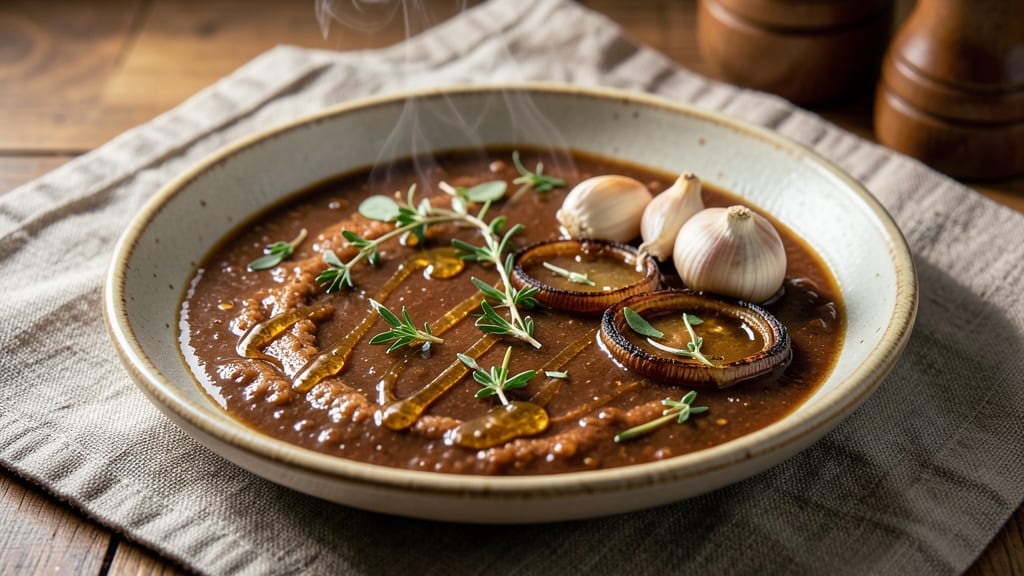
This balsamic brown butter sauce recipe transforms simple ingredients into a luxurious drizzle that elevates everything from pasta to grilled proteins. The rich, caramelized notes of brown butter marry perfectly with the tangy depth of balsamic vinegar, creating a sauce that’s both sophisticated and effortless.
I’ve perfected this balance over years of testing—no complicated techniques, just a few pantry staples and patience for simmering.
The magic happens when you cook the butter until it’s deeply golden and nutty, then deglaze the pan with balsamic vinegar to create a glossy, syrupy reduction. A touch of honey or garlic can enhance the flavor further, but even the basic version delivers restaurant-quality results.
This sauce is incredibly versatile—drizzle it over fettuccine alfredo, toss it with roasted vegetables, or use it as a finishing touch for steak or chicken.
What you’ll end up with is a velvety sauce that’s sweet, tangy, and rich—each spoonful packed with layers of flavor. The texture is just thick enough to cling beautifully, while the aroma alone will make your kitchen smell like a gourmet bistro.
Best of all, it keeps well in the refrigerator for up to a week, so you can make a batch ahead for busy nights.
Ready in just 15 minutes, this sauce is perfect for weeknight dinners or special occasions. Let’s get started—your taste buds will thank you.
Ingredients for balsamic brown butter sauce
Four essential ingredients plus a few pantry staples—this sauce is restaurant-quality magic.
| Ingredient | Amount | Notes |
|---|---|---|
| Unsalted Butter 🧈 | ½ cup | Cold, cubed for even browning |
| Balsamic Vinegar 🍷 | ¼ cup | Aged for deeper flavor |
| Honey 🍯 | 1 tbsp | Wildflower preferred for floral notes |
| Garlic Cloves 🧄 | 2 cloves | Minced for subtle aroma |
| Shallots 🧅 | 2 whole | Minced, or sub with onion |
| Fresh Thyme Leaves 🌿 | ¼ tsp | Or 1/8 tsp dried thyme |
| Salt 🧂 | ½ tsp | Diamond Crystal preferred |
| Black Pepper 🌶️ | ¼ tsp | Freshly ground for bite |
| Heavy Cream 🥛 | ¼ cup | Optional for silkier texture |
The butter is non-negotiable—unsalted, high-fat, and cold when you start. Plugrá or Land O'Lakes are my go-tos, but any good-quality brand works. Look for butter that's at least 82% fat—none of that low-fat nonsense here. The balsamic vinegar should be aged (check the label for 'aged' or 'extra aged')—it's worth the extra few bucks for that deep, caramelized flavor. I grab mine from Trader Joe's or Whole Foods when I'm doing a big batch. Fresh thyme is ideal, but dried works in a pinch—just use a third the amount. The garlic and shallots? Freshly minced makes all the difference, but pre-minced from a jar is fine if you're in a rush.
No honey? Maple syrup or agave work perfectly—just use the same amount. Short on balsamic? Red wine vinegar plus a splash of balsamic reduction gets you close. The heavy cream is optional but adds that luxurious silkiness—skip it if you're keeping this dairy-free. Want more depth? Add a pinch of smoked paprika or a dash of vanilla extract. The sauce can be made ahead and reheated gently, but if you're using cream, add it at the end to keep it from curdling. Pro tip: Deglaze the pan aggressively after browning the butter—those browned bits are pure flavor gold.
This sauce keeps beautifully in the fridge for up to 1 week, sealed in a jar with a layer of oil on top to preserve freshness. For longer storage, freeze it in ice cube trays—perfect for portion control. Reheat gently over low heat, stirring constantly to prevent burning. It reheats even better than it tastes fresh, honestly. If you make a big batch, freeze half right away—you'll thank yourself later. The flavor actually improves after a day or two as everything melds together. Just don't store it with metal utensils—use a wooden spoon or silicone to avoid reactions.
Why You'll Love This Recipe
- Here’s what sold me: I can make a double batch, let it cool, and store it for up to a week. No reheating fuss—just pop it in the fridge, and it’s ready to elevate whatever I’m serving. Plus, the ingredients are cheap, so I’m not breaking the bank for restaurant-quality flavor.
- Five-Ingredient Magic: I swear, this sauce is the kind of recipe that makes me feel like a chef without the fuss. Just butter, balsamic, honey, garlic, and shallots—no fancy gadgets, no stress. The butter browns while I chop, the vinegar simmers down to a glossy richness, and suddenly, dinner feels special without the effort.
- Buttery-Balsamic Bliss: That first golden crackle of browned butter? Chef’s kiss. Then the tangy-sweet hit of reduced balsamic and honey—it’s like a flavor hug for your taste buds. The garlic and shallots add just enough depth so it doesn’t taste like dessert (though, honestly, I’ve drizzled it on ice cream).
- Dresses Up Everything: Need a quick weeknight sauce? Toss it over roasted chicken, pasta, or even grilled veggies. Too fancy for a Tuesday? Pour it on steak or drizzle it into a bowl of popcorn. Between us, it’s my go-to for when I’m too tired to think but still want flavor that doesn’t skimp.
Step-by-step instructions for balsamic brown butter sauce
Here's how to create a velvety, caramelized sauce that elevates any dish.
Brown the Butter Until Nutty and Golden
Place the 0.5 cup unsalted butter (cold and cubed) in a medium saucepan over medium heat. Watch closely as it begins to foam and bubble—this is normal. The butter will gradually turn from pale yellow to a rich golden brown, and you'll smell those irresistible nutty aromas. This process takes about 5-7 minutes total.
Here's the thing—don't walk away. Once the butter reaches a deep golden color and you can smell that toasted, almost caramel-like fragrance, immediately remove it from the heat. If you let it brown too dark, it'll turn bitter. The butter should be fully melted with a layer of golden brown solids settled at the bottom—this is your flavor foundation.
Deglaze with Balsamic Vinegar and Honey
Pour in the 0.25 cup balsamic vinegar and 1 tablespoon honey right away while the pan is still hot. The vinegar will bubble vigorously as it reacts with the browned butter bits. Let this mixture simmer gently for 3-4 minutes, stirring occasionally, until it reduces by about half and becomes syrupy.
You're looking for a glossy, thickened sauce that coats the back of a spoon. The balsamic vinegar will mellow out its sharpness as it cooks, developing that rich, complex depth. If the sauce seems too thick, add 1-2 tablespoons of water to loosen it slightly—but only if needed. The honey helps balance the acidity while adding subtle floral notes.
Sauté Shallots and Garlic Until Soft
Add the 2 minced shallots and 2 minced garlic cloves to the pan, stirring to coat them in the caramelized butter mixture. Cook over medium-low heat for 4-5 minutes until the shallots are tender and translucent, but not browned. You want them to melt into the sauce rather than stand out as distinct pieces.
Here's where it gets good—stir in the 0.25 teaspoon fresh thyme leaves, 0.5 teaspoon salt, and 0.25 teaspoon black pepper. Let everything mingle for another 1 minute so the thyme releases its aromatic oils. The thyme will add a subtle earthy note that complements the sweetness of the honey and the tang of the balsamic.
Finish with Heavy Cream (Optional)
For a silkier texture, stir in the 0.25 cup heavy cream now. Simmer the sauce for 2-3 minutes until it thickens slightly and becomes velvety smooth. If you're skipping the cream, just give the sauce one final taste and adjust the seasoning—you might need a pinch more salt to balance the acidity.
This sauce is perfect for drizzling over pasta, seared proteins, or roasted vegetables. The key is using it immediately while it's still warm and glossy. If you need to reheat later, just warm it gently over low heat, stirring occasionally to prevent separation. The result should be a rich, complex sauce with layers of caramelized butter, fruity balsamic, and subtle herbal notes.
Pro Tips For Making Balsamic Brown Butter Sauce
- Brown the Butter Fast: Hit medium-high heat and keep the butter moving—no, really, stir like your life depends on it. I used to let it sit for even a second, and suddenly I had smoke instead of nutty brown butter. Once it’s foaming and smells like a bakery, that’s when you add the shallots.
- Sweat Shallots First: Don’t rush the shallots—cook them low and slow until they’re translucent and just starting to soften. I learned this the hard way when I jumped ahead and ended up with raw bits that turned the sauce into a weird, chunky mess. Patience here means smooth sauce later.
- Reduce Vinegar Slowly: Simmer the balsamic vinegar on low heat, uncovered, until it’s syrupy but not burnt—think dark amber, not black. I once walked away for two minutes and came back to a bitter, charred disaster. Skim the foam off as it reduces, and you’ll avoid that harsh taste.
- Balance Honey Last: Stir in the honey right at the end, just before serving, so it doesn’t turn into caramelized sugar. My first few attempts left the sauce cloyingly sweet—now I add it off the heat, let it melt in for 10 seconds, then toss it with whatever I’m drizzling it over. Freshness matters.
Serving suggestions for this dish
Pasta Perfection
This sauce transforms simple pasta dishes into gourmet masterpieces. Toss it with fettuccine or tagliatelle for an instant upgrade—just 2-3 tablespoons per serving creates a glossy, flavorful coating.
I love adding a handful of cherry tomatoes or sautéed mushrooms to the pasta first, then drizzling the sauce on top while everything’s piping hot. 🍝
Protein Pairings
Seared chicken breasts or steak become showstoppers with this sauce. After cooking your protein, spoon 1-2 tablespoons of warm sauce over each serving, letting it pool beautifully in the pan juices.
For extra drama, finish with a sprinkle of fresh parsley or crispy prosciutto. The rich butter balances the tangy balsamic perfectly on meat.
Vegetable Elevation
Roasted asparagus, brussels sprouts, or zucchini noodles gain serious depth with this sauce. Toss warm vegetables with 1-2 tablespoons of sauce and a pinch of flaky sea salt.
The caramelized notes complement the natural sweetness of vegetables beautifully. I often serve this as a vegetarian main course with crusty bread.
Breakfast Twist
Yes, this sauce works for breakfast! Drizzle it over scrambled eggs or pancakes for a sweet-savory surprise. The balsamic and brown butter create a sophisticated contrast with fluffy eggs. I like adding a sprinkle of crumbled goat cheese for extra richness. Trust me, your brunch guests will be impressed. 🥞
Cheese Board Drizzle
Take your cheese board to the next level by serving this sauce in a small dipping bowl alongside aged cheddar, brie, and pecorino. The sweet-tangy sauce cuts through the richness of creamy cheeses beautifully. Add a few crackers or sliced baguette for a complete appetizer spread.
Finishing Touch
Use this sauce as a final drizzle to elevate any dish. A ½ teaspoon over seared scallops or grilled shrimp adds instant restaurant-quality flair. For desserts, drizzle over warm apple slices or vanilla ice cream—the caramelized butter and balsamic create a sophisticated sweet-savory balance. 🍽️
Nutrition facts
Frequently asked questions about balsamic brown butter sauce
Can I make this sauce without honey?
Honey balances the acidity, but you can substitute 1 tablespoon maple syrup or agave nectar for similar sweetness. For a savory twist, omit it entirely and add a pinch of smoked paprika or vanilla extract instead. The sauce will still be rich, just with different flavor layers.
How do I prevent the sauce from separating when reheating?
Reheat the sauce over low heat and stir constantly with a silicone spatula. Add 1 teaspoon water or heavy cream if it thickens too much. Never microwave it—this causes separation. For best results, store it in the fridge and reheat only what you need.
What's the best way to store leftover sauce?
Transfer the sauce to an airtight container and refrigerate for up to 1 week. For longer storage, freeze in ice cube trays—thaw overnight in the fridge. To preserve freshness, add a thin layer of neutral oil on top before sealing. The flavor actually improves after 24 hours as the ingredients meld!
Can I make this sauce dairy-free?
Yes! Replace the butter with vegan butter (like Miyoko's) or olive oil—use 0.5 cup total. For richness, add 1 tablespoon nutritional yeast after simmering. The texture will be slightly lighter, but the flavor remains complex.
Why did my butter turn black instead of brown?
This happens when butter burns—watch closely and remove it immediately when it reaches a deep golden color (5-7 minutes). If it's already black, strain out the solids and start fresh. The key is medium heat and constant attention. The nutty aroma signals perfect browning!