
Sauces & Condiments
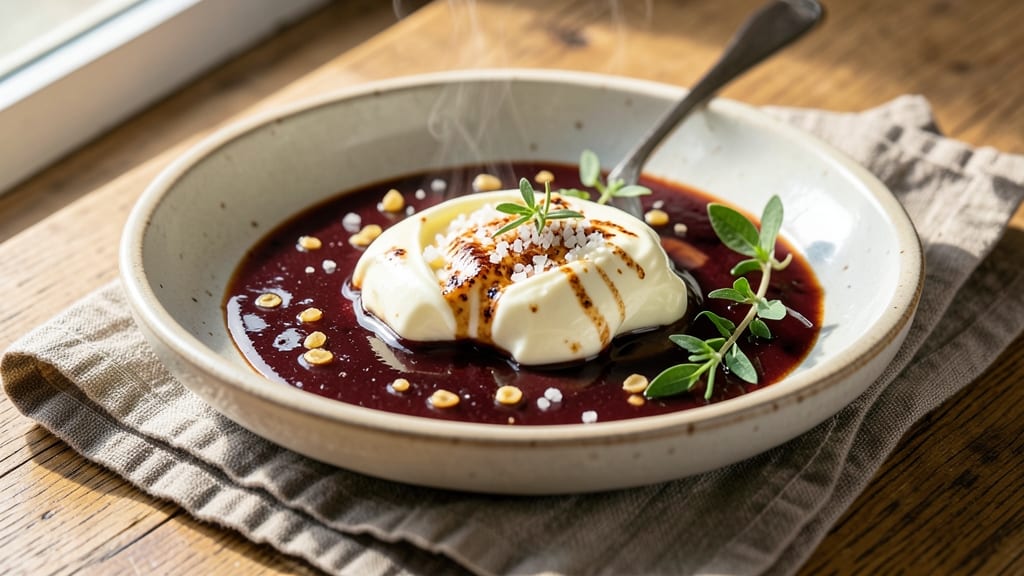
This balsamic reduction sauce recipe transforms ordinary dishes into something extraordinary with its glossy, intensely sweet finish—all in just 15 minutes. The secret lies in carefully reducing high-quality balsamic vinegar until it thickens into a syrupy, caramelized masterpiece, perfect for elevating salads, meats, or cheeses.
I’ve perfected this technique over years of testing, ensuring every drizzle delivers bold flavor without overpowering the dish.
The beauty of this sauce is its simplicity: just balsamic vinegar, sugar, and a touch of patience. Optional shallots or thyme add depth, but even the basic version delivers restaurant-quality results.
The reduction process caramelizes the vinegar’s natural sweetness while intensifying its rich, tangy notes—creating a sauce that’s both elegant and versatile. Whether you’re finishing a steak or drizzling over bruschetta, this sauce brings sophistication to any plate.
What makes this recipe truly special is how it transforms basic ingredients into something luxurious. The sugar helps balance acidity while promoting a smooth, glossy finish, and the slow reduction ensures deep flavor concentration.
You’ll end up with a sauce that’s glossy, syrupy, and irresistibly sweet, ready to enhance everything from roasted vegetables to grilled fish. The best part? It keeps well in the fridge for up to two weeks, so you can make a batch and enjoy it all season long.
This sauce isn’t just for fanciful dishes—it’s a game-changer for everyday cooking. A drizzle brightens a simple Caprese salad, adds depth to grilled chicken, or even elevates a charcuterie board.
The key is controlling the heat to avoid burning while letting the vinegar’s natural sweetness shine through. Once you master this technique, you’ll never buy store-bought balsamic glaze again.
Ingredients for balsamic reduction sauce
Four core ingredients transform balsamic vinegar into restaurant-quality sauce in minutes.
| Ingredient | Amount | Notes |
|---|---|---|
| High-Quality Balsamic Vinegar 🍷 | 1 cup | Aged 12+ years for depth |
| Granulated Sugar 🍚 | ⅓ cup | White or brown preferred |
| Shallots 🧅 | 2 whole | Finely minced for subtle sweetness |
| Fresh Thyme Leaves 🌿 | ¼ cup | Or 1 tsp dried thyme |
| Unsalted Butter 🧈 | 1 tbsp | For glossy finish (optional) |
| Diamond Crystal Kosher Salt 🧂 | ¼ tsp | Adjust to taste |
| Freshly Ground Black Pepper 🌶️ | ⅛ tsp | For subtle heat |
The balsamic vinegar is everything here—aged 12+ years delivers that complex, caramelized depth you can't get from the cheap stuff. Giovanni Rossi or Barone Fini are my go-tos, but any high-quality balsamic works. The sugar isn't just for sweetness; it helps create that glossy, syrupy texture by promoting caramelization. I always use Diamond Crystal kosher salt because it dissolves cleanly without graininess. For the shallots, red or yellow work—just make sure they're fresh and firm. If you're feeling fancy, fresh thyme adds an herbal note that pairs beautifully with the vinegar's richness.
No aged balsamic? Regular balsamic vinegar plus 1 tbsp brown sugar gets you close, though it'll lack complexity. Swapping sugar for honey or maple syrup adds subtle floral notes but may darken faster. Fresh thyme unavailable? Dried works at one-third the amount, but toast it first for deeper flavor. Skipping the butter? The sauce will still be delicious—it just won't have that luxurious sheen. For a vegetarian twist, add a pinch of smoked paprika to the reduction. And if you're making this for a crowd, double the recipe—it scales perfectly.
This sauce keeps beautifully—2 weeks refrigerated in an airtight jar with a thin layer of olive oil on top to preserve freshness. For longer storage, freeze in 1-tbsp portions on a parchment-lined tray before transferring to a bag. Reheat gently in a small saucepan over low heat, stirring constantly until just warmed through. I always make extra because it disappears fast—drizzled over seared scallops, spooned over goat cheese salads, or finished on grilled vegetables. The flavor actually improves slightly after sitting overnight as the vinegar's acidity mellows.
Why You'll Love This Recipe
- Here’s what sold me: the caramelized shallots and thyme turn this into something deeper than store-bought. The sugar isn’t just sweet—it cuts through the acidity, leaving that perfect tangy-sweet finish. (Yes, even on a Tuesday night.)
- Five-Ingredient Magic: I swear by this—just vinegar, sugar, shallots, thyme, and butter. That’s it. No fancy gadgets, no stress, and no hunting for obscure pantry items. Honestly, I’ve made it while waiting for pasta to boil, and it still comes out rich and glossy every time.
- Sweet-Savory Balance: Here’s what sold me: the caramelized shallots and thyme turn this into something deeper than store-bought. The sugar isn’t just sweet—it cuts through the acidity, leaving that perfect tangy-sweet finish. (Yes, even on a Tuesday night.)
- Dresses Up Anything: This sauce is my secret weapon for roasted veggies, grilled chicken, or even toasted bread. I keep a jar in the fridge for when I need to jazz up leftovers or impress last-minute guests. It’s the kind of thing that makes simple meals feel special.
Step-by-step instructions for balsamic reduction sauce
This method transforms simple ingredients into a velvety, intensely sweet sauce with deep caramel notes.
Sauté Shallots Until Translucent
Heat a medium saucepan over medium-low heat and add the 2 whole shallots, minced as finely as possible. Cook them undisturbed for 3-4 minutes until completely soft and just beginning to turn golden at the edges. You want them translucent but not browned—this prevents bitterness in your sauce.
I like to press down gently with a wooden spoon during the first minute to ensure even cooking. If the shallots start to sizzle too aggressively, reduce the heat slightly. The goal is to develop their sweetness without burning. Once they're perfectly softened, you'll see them release their natural oils and become almost invisible in the pan—this is your cue to move to the next step.
Add Sugar and Cook Until Dissolved
Increase the heat to medium and add the 0.33 cup granulated sugar. Stir constantly for 2-3 minutes until the sugar completely dissolves and the mixture becomes a smooth, syrupy liquid. You'll notice the shallots will darken slightly as they caramelize with the sugar, creating a beautiful golden base.
This is where the magic happens—the sugar helps break down the balsamic vinegar's acidity while adding complexity. If you see any sugar grains lingering, keep stirring until they disappear completely. The mixture should coat the back of a spoon like a thin syrup. Here's the thing—don't rush this step. The sugar needs time to fully integrate with the shallots to create that perfect sweet-savory foundation.
Simmer with Balsamic Vinegar
Pour in the 1 cup high-quality balsamic vinegar and bring the mixture to a gentle boil over medium-high heat. Once boiling, reduce the heat to medium-low and let it simmer uncovered for 8-10 minutes, stirring occasionally. You're looking for the liquid to reduce by about half, thickening into a glossy syrup.
Watch carefully as the sauce transforms—it will darken to a deep amber color and develop an intense aroma. The alcohol will cook off, leaving behind concentrated balsamic flavor. I like to stir every couple of minutes to prevent any sticking. If the sauce starts to bubble too vigorously, reduce the heat slightly. You'll know you're getting close when the sauce begins to coat the back of a spoon thickly and the aroma becomes rich and caramelized.
Finish with Thyme and Seasonings
Add the 0.25 cup fresh thyme leaves, 0.25 tsp Diamond Crystal kosher salt, and 0.125 tsp freshly ground black pepper. Stir well and continue simmering for another 3-4 minutes until the thyme is fragrant and the sauce has thickened to your desired consistency. The thyme will infuse its earthy notes while the seasonings balance the sweetness.
For that signature glossy finish, remove the pan from heat and stir in the 1 tbsp unsalted butter until completely melted and incorporated. This step adds richness and helps create that beautiful sheen. Taste and adjust the seasoning—you might want to add a pinch more salt or pepper depending on your preference. The sauce should be intensely sweet with a complex, caramelized depth that's neither cloying nor tart.
Reduce to Perfect Consistency
Return the sauce to medium-low heat and continue simmering for another 5-7 minutes, stirring frequently, until the sauce reaches your desired thickness. For a glossy, table-ready sauce, it should coat the back of a spoon thickly but still be pourable. If it thickens too much, you can thin it with a splash of water or broth.
Here's where it gets fun—watch the sauce transform as it reduces. It will become increasingly concentrated, developing a deep, almost syrupy texture with a mirror-like finish. The aroma will become even more intense, with notes of caramel, vanilla, and dried fruit. When you're satisfied with the consistency, remove from heat immediately. The sauce will continue to thicken slightly as it cools, so it's better to pull it off the heat just a touch thin than to over-reduce it.
Pro Tips For Making Balsamic Reduction Sauce
- Use a Heavy Pan: Thin pans won’t handle the heat—opt for a wide, heavy-bottomed saucepan or even a stainless steel skillet. I learned this the hard way when my sauce splattered everywhere because the pan couldn’t stabilize the temperature. High-quality balsamic vinegar deserves a vessel that can control the reduction without burning.
- Sweat Shallots First: Don’t rush the shallots—sweat them in butter over medium-low heat for 5-6 minutes until translucent but not browned. After burning three batches, I finally figured out that crispy shallots turn bitter and overpower the delicate balance of the sauce. Patience here makes a real difference.
- Skip the Boil: Reduce the balsamic mixture over medium-low heat—never let it boil. Boiling turns the vinegar harsh and the sugar grainy, and you’ll end up with a sharp, syrupy mess instead of a glossy, balanced sauce. Sounds weird, but it works: steady heat = smooth sauce.
- Finish with Butter Slowly: Whisk in the butter off the heat and let it melt completely before stirring in the thyme. I skip this when I’m lazy, but the dish is noticeably better when I don’t—it coats the sauce evenly and tempers the acidity without scrambling the butter. Your future self will thank you for taking those extra 30 seconds.
Storing and reheating this recipe
Refrigerator Storage
Transfer your finished balsamic reduction to a clean, airtight glass jar—I use Le Parfait 16-ounce jars—and let it cool completely before sealing.
The sauce keeps beautifully in the fridge for up to 2 weeks, though I usually make fresh batches every 5-7 days because it disappears so fast. The flavors actually deepen overnight as the vinegar's acidity mellows slightly, making it even more complex. 💛
Freezer Preservation
For longer storage, portion the sauce into 1-tablespoon servings on a parchment-lined tray and freeze until solid. Transfer to a freezer-safe bag with all air squeezed out to prevent freezer burn.
Thaw in the fridge overnight—never at room temperature—and reheat gently in a small saucepan over low heat for 2-3 minutes, stirring constantly. The texture may separate slightly, but a quick whisk restores its glossy consistency.
Reheating Techniques
My preferred method is stovetop reheating: place the desired amount in a small saucepan with 1 teaspoon water and warm over low heat, stirring frequently. This prevents scorching while maintaining that signature gloss.
Microwave reheating works in a pinch—use 30-second intervals on 50% power, stirring between each, until warmed through. Avoid high heat, which can burn the sugar and create bitter flavors.
Reviving Thickened Sauce
If your sauce thickens too much during storage, simply add ½ teaspoon warm water per tablespoon of sauce and whisk vigorously. For a smoother texture, strain through a fine-mesh sieve to remove any crystallized sugar.
This trick works wonders if you've accidentally over-reduced—just a splash of liquid brings it back to perfect pouring consistency. The key is gentle heat and patience when reheating.
Sauce Layering Trick
To preserve freshness beyond two weeks, I like to store the sauce with a thin layer of olive oil on top—about ½ teaspoon. This creates a protective barrier that prevents oxidation and keeps the surface from drying out.
When ready to use, simply skim off the oil before reheating. This method extends shelf life by another 3-5 days while maintaining that glossy finish. 🌟
Portion Control Tips
For meal prep, divide the sauce into small glass jars with snap-on lids—I use 4-ounce jars for easy single-use portions. Label each with the date and store in the fridge. This makes it perfect for quick drizzling over last-minute dishes like seared scallops or goat cheese salads.
The small portions also prevent waste since you're less likely to use up an entire large jar at once.
Nutrition facts
Frequently asked questions about balsamic reduction sauce
Can I use regular balsamic vinegar instead of aged?
Regular balsamic vinegar will work, but the flavor will be less complex and more acidic. For the best results, use aged balsamic vinegar (12+ years) which has deeper caramel notes. If you must substitute, add 1 tablespoon brown sugar to mimic the sweetness and complexity of aged vinegar.
Why did my sauce turn bitter?
Bitter flavor usually means the sauce boiled too vigorously or burned. Always use medium-low heat and stir frequently. If it starts to darken too quickly, remove from heat immediately. For a quick fix, stir in ½ teaspoon honey or 1 teaspoon fresh lemon juice to balance the bitterness.
How do I adjust the sweetness level?
Taste as you go! If the sauce is too sweet, add 1 teaspoon balsamic vinegar and reduce for 2-3 minutes. For more sweetness, stir in ½ teaspoon honey or maple syrup off the heat. The key is balancing the sweetness with the vinegar's acidity for that perfect harmony.
What are the best dishes to drizzle this sauce on?
This sauce is incredibly versatile! Try it on grilled meats (steak, chicken, pork chops), roasted vegetables, Caprese salads, goat cheese, or even pasta dishes. It also pairs beautifully with seared scallops or as a glaze for caramelized onions. The possibilities are endless!
Can I make this sauce without sugar?
Technically yes, but it will be much thinner and more acidic. Sugar helps create the glossy texture and balances the vinegar's sharpness. If you omit it, add 1 tablespoon honey or maple syrup instead. The sauce will still be delicious, but the texture and flavor will be noticeably different.