
Sauces & Condiments
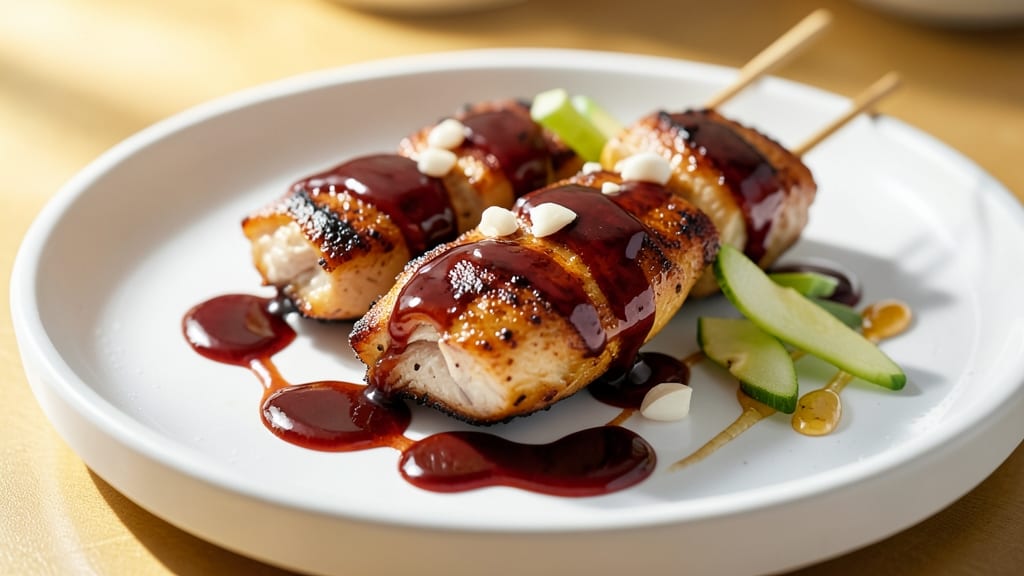
Balsamic teriyaki sauce transforms ordinary grilled dishes into show-stopping masterpieces with its glossy sweet-tangy balance. 🌟 This recipe combines the depth of balsamic vinegar with the umami richness of teriyaki, creating a versatile glaze that elevates everything from chicken to vegetables. The secret lies in simmering the ingredients just enough to meld flavors without reducing too much—perfect for both glazing and marinating.
What sets this sauce apart is its ability to work in multiple ways: use it as a finishing glaze for seared meats, a marinade for tenderizing proteins, or even a dipping sauce for spring rolls.
The balsamic adds complexity that store-bought teriyaki lacks, while honey or maple syrup balances the acidity. With just 10 minutes of active time and 30 minutes of simmering, you'll have a sauce that's restaurant-quality but made at home.
The result is a glossy, sticky-sweet sauce with a sophisticated tang that clings beautifully to grilled foods. It caramelizes slightly when brushed on hot meat, creating those coveted charred edges that make every bite irresistible.
The aroma alone will have everyone asking what you're cooking—because this sauce turns simple proteins into flavorful centerpieces.
Store it in the fridge for up to 2 weeks or freeze for longer shelf life, making it ideal for meal prep. Whether you're grilling, roasting, or stir-frying, this sauce adds depth and shine without overpowering the natural flavors of your dish. Let's make it!
Ingredients for balsamic teriyaki sauce
Ten simple ingredients blend into a sauce that makes grilled dishes irresistible.
| Ingredient | Amount | Notes |
|---|---|---|
| Balsamic Vinegar 🍷 | ½ cup | High-quality aged balsamic |
| Teriyaki Sauce 🍜 | ½ cup | Store-bought or homemade |
| Honey 🍯 | ¼ cup | Wildflower or clover preferred |
| Soy Sauce 🥢 | ¼ cup | Light or dark variety |
| Garlic Cloves 🧄 | 3 cloves | Minced for depth of flavor |
| Fresh Ginger 🌿 | 1 tbsp | Finely grated, fresh preferred |
| Sesame Oil 🫒 | 1 tbsp | Toasted sesame for aroma |
| Cornstarch 🌾 | 1 tsp | For thickening consistency |
| Water 💧 | 2 tbsp | For thinning if needed |
| Salt 🧂 | ½ tsp | To taste, adjust carefully |
The balsamic vinegar is non-negotiable—aged, thick balsamic from Trader Joe's or Whole Foods gives the best depth. Teriyaki sauce? Kikkoman is my go-to, but any good-quality bottle works. Fresh ginger and garlic are the flavor anchors here, so don't skimp. I always grab ginger from the Asian market—it's fresher and more potent. The honey should be raw or wildflower for that floral complexity that balances the tang. Toast your sesame oil in a dry pan for 30 seconds before adding to the sauce—trust me on this—it adds a nutty aroma that takes it to the next level.
No balsamic? Red wine vinegar plus 1 tsp brown sugar gets you close. Teriyaki sauce missing? Soy sauce plus 1 tsp maple syrup works in a pinch. Fresh ginger not available? Ground ginger at half the amount, but it won't be as vibrant. Sesame oil too strong? Swap for neutral oil plus 1/4 tsp sesame seeds for flavor without the punch. The cornstarch is key for that glossy finish—if you skip it, the sauce will be thinner but still delicious. Want extra richness? Add 1 tbsp peanut butter at the end and whisk until smooth.
This sauce keeps beautifully—2 weeks in the fridge sealed in a jar. For longer storage, freeze in ice cube trays and pop out single portions. The flavor actually improves after a day or two as everything melds. I make a double batch every time—one for immediate use, one to stash in the freezer. When reheating, warm gently on low heat, stirring often. A splash of water thins it if it gets too thick. Perfect for meal prep—just grab a jar and drizzle!
Why You'll Love This Recipe
- Five-Ingredient Magic: I swear, this sauce comes together faster than you can say "dinner’s ready." Just toss balsamic, teriyaki, honey, soy, and minced garlic into a pan—no measuring cups, no stress. Honestly, I’ve made it while waiting for pasta to boil.
- Sweet-Savory Balance: That first bite? Chef’s kiss. The balsamic adds depth, the teriyaki brings umami, and the honey cuts through with just the right caramelized punch. My husband licks the pan when I’m not looking.
- Meal Prep MVP: Slather it on grilled chicken for Monday lunches, drizzle it over roasted veggies for Tuesday’s side, or toss it with noodles when you’re too tired to think. It keeps for a week in the fridge—my lazy-days hero.
- Budget Stretch: A splash of balsamic and teriyaki turns cheap chicken thighs into restaurant-worthy meals. Between us, this sauce makes $10 worth of protein feel like a $30 splurge. (Yes, even on a Tuesday night.)
Step-by-step instructions for balsamic teriyaki glaze
Let's create this luscious, tangy-sweet sauce that transforms grilled meats into showstopping masterpieces.
🍳 Step 1: Sauté Aromatics for Maximum Flavor
Heat a small saucepan over medium heat and add the 1 tablespoon sesame oil. Once shimmering, add the 3 minced garlic cloves and 1 tablespoon finely grated fresh ginger. Sauté for 1-2 minutes until fragrant—you'll smell that aromatic punch of garlic and ginger filling your kitchen.
Here's the thing—don't let the garlic burn. It should smell sweet and nutty, not bitter. If it starts to darken too quickly, reduce the heat slightly. These aromatics form the flavor foundation of your sauce, so take your time getting them just right.
🥘 Step 2: Combine Wet Ingredients
Pour in the 0.5 cup balsamic vinegar, 0.5 cup teriyaki sauce, 0.25 cup honey, and 0.25 cup soy sauce. Give everything a good stir to combine. The mixture will look thin and slightly syrupy at this point—this is normal and exactly what we want before we thicken it.
I like to taste the mixture at this stage (before cooking) to get a sense of the flavor balance. You should notice the sweetness from the honey, the tang from the balsamic, and the umami from the teriyaki and soy sauce. This is your flavor baseline before we build it up.
🔥 Step 3: Simmer and Thicken the Sauce
Bring the mixture to a gentle boil over medium-high heat, then immediately reduce to medium-low heat. Let it simmer uncovered for 8-10 minutes, stirring occasionally. You're looking for the sauce to reduce by about one-third—it should coat the back of a spoon and have a syrupy consistency.
This is where the magic happens. The sauce will thicken as the water content evaporates, concentrating all those beautiful flavors. If it starts to bubble too vigorously, reduce the heat slightly. You want steady simmering, not boiling, to prevent the sauce from becoming too thick too quickly.
🍯 Step 4: Add Thickening Agent
In a small bowl, whisk together the 1 teaspoon cornstarch with the 2 tablespoons water until completely dissolved. This cornstarch slurry is our secret weapon for achieving that perfect glossy finish. Pour it into the simmering sauce while stirring constantly.
Watch carefully as the sauce thickens dramatically—it should go from syrupy to a glossy, coating consistency in about 1-2 minutes. If it thickens too much too quickly, you can add a splash of water to adjust the consistency. The sauce should be thick enough to coat the back of a spoon but still flow smoothly.
⏰ Step 5: Season and Finish
Add the 0.5 teaspoon salt and give the sauce one final taste. Adjust the salt if needed—remember, this sauce is going to be reduced further when you use it on the grill or in the oven, so don't be shy with the seasoning now. The sauce should have a perfect balance of sweet, tangy, and savory flavors.
Remove the sauce from heat and let it cool slightly. This resting period allows the flavors to meld together and the sauce to reach its ideal consistency. You can use it immediately, but I find that letting it sit for 10-15 minutes at room temperature really enhances the flavor profile. Store any leftovers in an airtight container in the refrigerator for up to 2 weeks.
Pro Tips For Making Balsamic Teriyaki Sauce
- Simmer Low and Slow: I learned this the hard way—rushing the sauce on high heat turns it bitter. Keep it at a gentle simmer (barely bubbling) for 10-15 minutes to let the balsamic and soy mellow together. The honey will caramelize better, and the garlic won’t burn into ash.
- Mince Garlic Fine: Skip the rough chop—this sauce needs smooth texture. Use a knife or microplane to mince the garlic into a paste before adding it to the pan. It blends better and prevents clumps, especially when mixed with the thick teriyaki base.
- Balance the Sweet-Sour: Taste as you go, but don’t overcorrect. If the honey dominates, add a splash of balsamic vinegar (1 tsp at a time) to cut through it. If it’s too sharp, drizzle in a little more honey or a pinch of sugar—just enough to soften the acidity without making it cloying.
- Use Reduced Balsamic: Save time and upgrade flavor by swapping regular balsamic vinegar for reduced balsamic glaze (the syrupy kind). It’s sweeter, thicker, and adds depth without needing extra honey. Just halve the amount called for in the recipe—it packs more punch.
Flavor customization for this balsamic teriyaki sauce
Sweet Heat Boost
Crank up the heat by adding 1-2 teaspoons of sriracha or ½ teaspoon of chili flakes at the end—stir until fully incorporated. For a smoky kick, swap ½ teaspoon of the honey for ½ teaspoon smoked paprika before simmering.
I love this version on grilled chicken thighs—it adds a spicy-sweet contrast that’s irresistible. 🌶️
Citrus Brightener
Add 1 tablespoon of fresh orange juice and 1 teaspoon of orange zest during the simmering phase for a zesty twist. The acidity cuts through the richness, making it perfect for seafood like salmon or shrimp skewers.
I use Navel or Valencia oranges for the best balance of sweetness and tang.
Umami Depth
For extra umami richness, stir in 1 tablespoon of miso paste (white or red) during the simmering step. This deepens the savory notes, especially when paired with beef or pork. I prefer Miso Master white miso for a cleaner, milder flavor that won’t overpower the sauce.
Herb Infusion
Add 1 tablespoon of chopped fresh basil or cilantro at the very end for a bright, herbaceous finish. This works beautifully with grilled vegetables or as a dipping sauce for spring rolls. For a Mediterranean twist, use thyme or rosemary instead—just add it during the simmering phase.
Spiced Variations
For a warm, aromatic version, add ½ teaspoon ground cinnamon and ¼ teaspoon ground cloves with the wet ingredients. This works surprisingly well with pork tenderloin or roasted carrots.
I like to toast the spices in the sesame oil for 30 seconds before adding the rest of the ingredients—it releases their oils and intensifies the flavor.
Creamy Finish
For a luxurious touch, whisk in 1 tablespoon of coconut milk or ½ teaspoon of Dijon mustard at the end. This adds a subtle creaminess that balances the tangy-sweet profile, perfect for drizzling over grilled tofu or as a marinade for fish.
The mustard adds a slight tang that complements the balsamic beautifully. 💫
Nutrition facts
Frequently asked questions
Can I make this sauce without teriyaki sauce?
Replace the ½ cup teriyaki sauce with ¼ cup soy sauce plus 1 tablespoon maple syrup for a homemade version. The balsamic and honey will still create that signature sweet-tangy balance. For extra depth, add ½ teaspoon fish sauce if using with seafood.
How do I prevent the sauce from getting too thick?
If your sauce thickens too quickly, simply add 1 teaspoon of water at a time while stirring. The cornstarch slurry can over-thicken if boiled too vigorously. For best results, maintain a gentle simmer (medium-low heat) and reduce cooking time by 1-2 minutes. A glossy but pourable consistency is ideal for glazing.
What's the best way to use this sauce?
This versatile sauce works perfectly as a glaze for grilled meats, marinade for chicken or fish, or dipping sauce for spring rolls. For glazing, brush on during the last 2-3 minutes of cooking. As a marinade, use it for 2-4 hours (or overnight for tougher cuts). The sauce also pairs beautifully with roasted vegetables like Brussels sprouts or carrots.
Can I make this sauce ahead of time?
Yes! This sauce actually tastes better after resting. Make it 1-2 days ahead and store in an airtight container in the fridge. The flavors meld beautifully. For longer storage, freeze in ice cube trays and transfer to a bag. Thaw overnight in the fridge before using. The texture may thicken slightly when refrigerated—just add a splash of water when reheating.
Why does my sauce taste too sweet or sour?
If it's too sweet, reduce the honey by 1 tablespoon next time or add ½ teaspoon of vinegar to balance. For sourness, add ½ teaspoon more honey or maple syrup and simmer longer to reduce acidity. Taste as you go—this sauce is all about balance! The ideal ratio should be 2 parts sweet to 1 part tangy.