
Sauces & Condiments
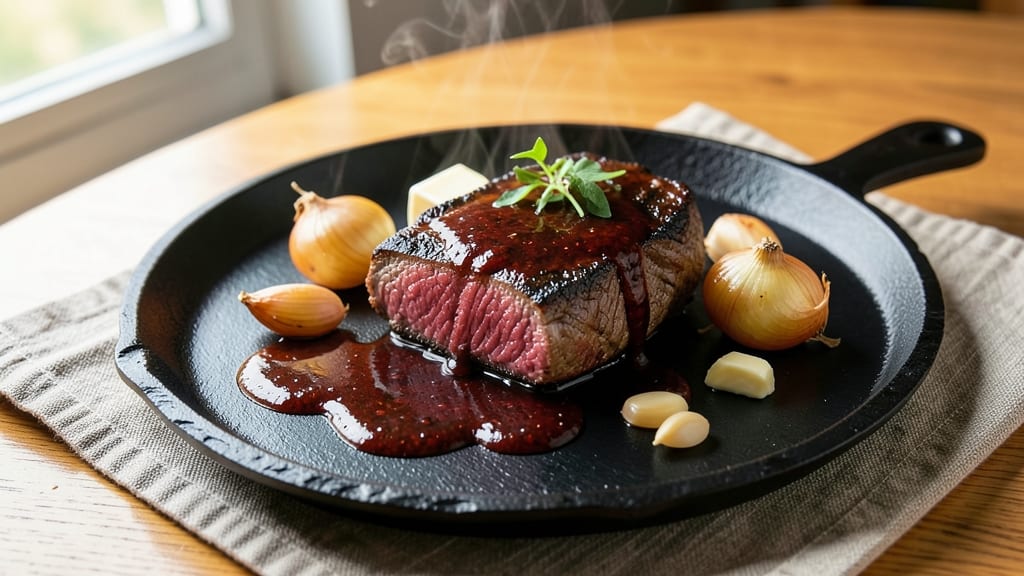
This balsamic vinegar steak sauce recipe transforms simple ingredients into a rich, tangy-sweet glaze that elevates any protein with minimal effort. The key lies in reducing balsamic vinegar with aromatic shallots and garlic until it thickens into a glossy, umami-packed sauce that clings beautifully to meat.
I developed this recipe after years of experimenting with restaurant-style reductions—it’s the perfect balance of acidity and depth without requiring hours of simmering.
The process is straightforward but yields restaurant-quality results: simmer balsamic vinegar with shallots and garlic until reduced by half, then finish with a touch of butter for silkiness. This sauce works equally well on grilled steak, roasted chicken, or even as a drizzle for pasta.
The tangy-sweet profile cuts through rich meats while adding a glossy sheen that makes every bite look (and taste) like it came from a high-end kitchen.
What makes this sauce truly versatile is its adaptability—use it immediately for fresh flavor or store it in the fridge for up to 2 weeks (or freeze for 3 months). The reduction process concentrates the flavors, so even a small batch delivers maximum impact.
Whether you’re searing a steak on the stovetop or basting roasted vegetables, this glaze adds a professional touch with minimal prep.
For best results, let the sauce cool slightly before using—this allows the flavors to meld fully. A drizzle over grilled meats or a spoonful stirred into pan juices transforms ordinary dishes into something extraordinary. Here’s how to make it.
Ingredients for balsamic vinegar steak sauce
Eight simple ingredients create this restaurant-quality balsamic glaze for steak.
| Ingredient | Amount | Notes |
|---|---|---|
| Balsamic Vinegar 🍷 | 1 cup | High-quality aged balsamic preferred |
| Shallots 🧅 | ½ cup | Finely minced, 4-5 medium shallots |
| Garlic Cloves 🧄 | 4 cloves | Minced for aromatic depth |
| Unsalted Butter 🧈 | 2 tbsp | Cold, for finishing |
| Red Wine 🍷 | ¼ cup | Dry, bold variety |
| Soy Sauce 🍜 | 1 tbsp | For umami depth |
| Honey 🍯 | 1 tbsp | Balances acidity |
| Diamond Crystal Kosher Salt 🧂 | ½ tsp | Adjust to taste |
| Black Peppercorns 🌶️ | ¼ tsp | Freshly cracked |
The balsamic vinegar is the foundation—aged balsamic from Trader Joe's or Whole Foods delivers the deepest flavor. Shallots add sweetness without overpowering, and garlic should be minced finely for even distribution. For the red wine, any bold variety like Cabernet Sauvignon or Merlot works—just avoid sweet wines. The butter finishes the sauce, so use cold, high-quality unsalted butter to maintain its shape when added at the end. If you're short on time, you can substitute half the balsamic with red wine vinegar, though the flavor will be slightly less complex.
No red wine? Substitute beef broth with a splash of balsamic vinegar for depth. For a sweeter profile, increase the honey to 2 tbsp. The soy sauce is essential for umami—low-sodium works fine—but if you're avoiding soy, mushroom powder or a dash of fish sauce can mimic that savory punch. Freshly cracked peppercorns add a subtle heat, but pre-ground pepper works in a pinch. The honey balances the acidity, so if you're making this for a child or someone avoiding sugar, maple syrup works equally well. For a richer sauce, add 1 tbsp of heavy cream at the end instead of butter.
This sauce keeps beautifully—store in an airtight jar in the fridge for up to 2 weeks. For longer storage, freeze portions in ice cube trays—perfect for single-use applications. The flavors deepen slightly after refrigeration, so let it sit at room temperature for 10 minutes before using for the best results. If the sauce thickens too much when refrigerated, simply whisk in a splash of warm water to loosen it. A drizzle over grilled steak, roasted vegetables, or even mashed potatoes transforms any dish into something special.
Why You'll Love This Recipe
- Pantry Magic: I swear by this sauce because it uses stuff I already have—no special trips to the store. Shallots and garlic soften into a sweet, caramelized base while the red wine and balsamic vinegar deepen into something rich and complex, all without breaking the bank.
- Weeknight Steak Hero: That first bite of steak with this sauce? It’s the kind of flavor that makes you pause and think, "Why don’t I do this more?" The butter cuts through the acidity, and the balsamic glaze clings like a dream, turning even a simple pan-seared steak into something restaurant-worthy.
- Leftovers That Shine: This sauce keeps for weeks in the fridge, and it only gets better with time. Drizzle it over grilled chicken, toss it with roasted veggies, or slather it on a sandwich—it’s my go-to for lazy days when I’m too tired to cook but still want something that tastes intentional.
- One-Pot Wonder: Between us, I’ve burned more than one steak trying to make fancy sauces. This one? Simmered in the same pan you cook the steak in, with just a splash of red wine to deglaze. Minimal cleanup, maximum flavor—honestly, it’s the kind of recipe that makes me question why I ever complicate things.
Step-by-step instructions for balsamic vinegar steak sauce
This method delivers a perfectly balanced sauce with rich umami and bright acidity every time.
Sauté Shallots Until Translucent
Heat a medium saucepan over medium heat and add the 0.5 cup minced shallots. Cook them undisturbed for 3-4 minutes until they begin to soften and turn translucent at the edges. This gentle cooking prevents bitterness and develops their natural sweetness.
Stir occasionally, watching for golden spots to form. If the shallots start to brown too quickly, reduce the heat slightly. They should be soft but not colored—this is the foundation for your sauce's depth of flavor. Once they're ready, remove them from the pan and set aside temporarily.
Cook Garlic and Deglaze with Red Wine
In the same saucepan, add the 4 cloves minced garlic and cook over medium-low heat for 30 seconds until fragrant. Be careful not to let it brown—garlic burns quickly and becomes bitter. Immediately pour in the 0.25 cup red wine and scrape up any browned bits from the bottom of the pan with a wooden spoon.
Let the wine simmer for 2-3 minutes until it reduces by about half. This step concentrates the flavors and removes the alcohol's harshness. You'll notice the aroma becomes more complex as the wine reduces. Keep the heat at medium-low throughout this process to prevent boiling.
Simmer the Balsamic Vinegar Base
Return the cooked shallots to the saucepan and add the 1 cup balsamic vinegar, 1 tbsp soy sauce, and 1 tbsp honey. Bring the mixture to a gentle simmer over medium heat. Reduce the heat to low and let it cook uncovered for 15-20 minutes, stirring occasionally.
You're looking for the sauce to reduce by about half—it should thicken noticeably and coat the back of a spoon. The color will deepen to a rich amber, and the aroma will become intensely complex with notes of caramel and umami. If the sauce reduces too quickly, add 1-2 tablespoons water to maintain the right consistency.
Season and Finish with Butter
Remove the sauce from heat and stir in the 0.5 tsp Diamond Crystal kosher salt and 0.25 tsp freshly cracked black peppercorns. Taste and adjust the seasoning if needed—you may want to add a pinch more salt or a splash more balsamic vinegar to balance the flavors.
Return the sauce to low heat and whisk in the 2 tbsp cold unsalted butter, one tablespoon at a time. The butter will melt and create a silky, velvety texture that coats the back of the spoon. This final step adds richness and helps emulsify the sauce for a smooth finish. Serve immediately over grilled steaks or use as a dipping sauce.
Pro Tips For Making Balsamic Vinegar Steak Sauce
- Sweat the Shallots Slow: I learned this the hard way—if you rush the shallots in butter, they’ll turn to mush instead of golden caramel. Cook them on low heat for 8-10 minutes, stirring occasionally, until they’re soft but still hold their shape. This isn’t the prettiest method, but it’s the tastiest.
- Deglaze with Wine First: Skip the vinegar until the end—start by deglazing the pan with red wine right after searing the shallots and garlic. The alcohol burns off faster, leaving behind deeper flavor before you add the balsamic. (Yes, even if you’re impatient like me.)
- Reduce the Vinegar Hard: This sauce needs thickness, not syrup. After adding balsamic vinegar, crank the heat to medium-high and let it bubble fast—don’t walk away. Stir constantly and watch for a glossy, syrupy consistency (about 5-7 minutes). If it smells sharp, it’s not done yet.
- Finish with Cold Butter: The butter should go in off the heat at the very end. Stir it in until it melts completely—this coats the sauce and makes it silky. If you add it while the sauce is hot, it’ll separate. (Your future self will thank you.)
Make-ahead tips for leftovers
Prep Ahead for Effortless Cooking
Make this sauce one day in advance—flavors deepen as it sits, and you’ll save time during dinner prep. Store it in an airtight glass jar in the fridge, where it keeps for up to 2 weeks.
I often make a double batch on Sundays so it’s ready for weeknight steak nights. The reduction process concentrates the flavors, so even a small batch delivers maximum impact. 💫
Freeze for Long-Term Storage
For longer storage, freeze portions in ice cube trays—perfect for single-use applications. Once frozen, transfer the cubes to a ziplock bag and label with the date. Thaw overnight in the fridge before using.
The sauce may thicken slightly after freezing, so whisk in 1 tsp water to restore its glossy consistency. This method works especially well for holiday entertaining when you want to prep ahead.
Make a Big Batch
Double or triple the recipe and store in mason jars for easy portioning. I like to keep one jar in the fridge and freeze extras. This sauce pairs beautifully with grilled chicken, roasted pork chops, or even as a drizzle for pasta.
The versatility makes it a pantry staple—once you master the technique, you’ll find yourself reaching for it constantly. 🍖
Reheat Like a Pro
Reheat gently on the stovetop over low heat for 2-3 minutes, stirring occasionally, until warmed through. Avoid microwaving—it can break the sauce’s emulsified texture. If the sauce thickens too much, whisk in 1 tsp water or red wine to loosen it.
For best results, let it sit at room temperature for 10 minutes before using to restore its silky finish.
Use in Multiple Ways
This sauce isn’t just for steak—drizzle it over seared scallops, grilled vegetables, or even as a finishing touch for mashed potatoes. I’ve even used it as a marinade for pork tenderloin by thinning it with a splash of olive oil.
The tangy-sweet profile works surprisingly well in unexpected places, like a glaze for roasted Brussels sprouts. Get creative with how you incorporate it into meals! ✨
Flavor Boost After Storage
If the sauce tastes slightly flat after refrigeration, revive it by simmering for 2-3 minutes on the stovetop. The heat will intensify the flavors and restore its glossy texture.
For an extra boost, add a pinch of freshly cracked black pepper or a splash of balsamic vinegar to brighten it up. This trick works wonders for sauces that have lost their vibrancy over time.
Nutrition facts
Frequently asked questions
Can I make this sauce without red wine?
Replace the 0.25 cup red wine with 0.25 cup beef broth or apple cider vinegar for acidity. For extra depth, add 1 tsp balsamic vinegar to the broth. The sauce will still develop rich flavors—just expect slightly less complexity. The key is maintaining the reduction time to concentrate the remaining ingredients.
Why does my sauce taste too acidic?
This usually happens if the balsamic vinegar didn't reduce enough or if you used too much. Balance it by adding 1 tsp honey or maple syrup to sweeten, or stir in 1 tbsp cold butter to mellow the acidity. For future batches, reduce the sauce longer (up to 25 minutes) to intensify flavors before adding finishing ingredients.
How can I use this sauce on chicken?
This glaze works beautifully on chicken! Brush it onto grilled or baked chicken thighs during the last 5-7 minutes of cooking, or drizzle over roasted chicken after cooking. For extra flavor, marinate chicken in half the sauce mixed with 1 tbsp olive oil for 30 minutes before cooking. The tangy-sweet profile complements chicken's natural flavors perfectly.
What's the secret to getting the right thickness? The sauce should coat the back of a spoon but remain pourable. If it's too thick, whisk in 1 tsp water or red wine to loosen. For thicker results, reduce it longer (up to 30 minutes) or add 1 tsp cornstarch mixed with 1 tbsp water at the end. The butter finish also helps create that perfect silky texture—just
Can I make this sauce in a slow cooker?
Yes! Combine all ingredients except butter in a slow cooker on low heat for 3-4 hours, stirring occasionally. The sauce will reduce more slowly but develop deeper flavors. Finish with butter as directed. For a quicker version, use high heat for 2 hours. Just watch it closely to prevent over-reduction, which can make the sauce too concentrated.