
Sauces & Condiments
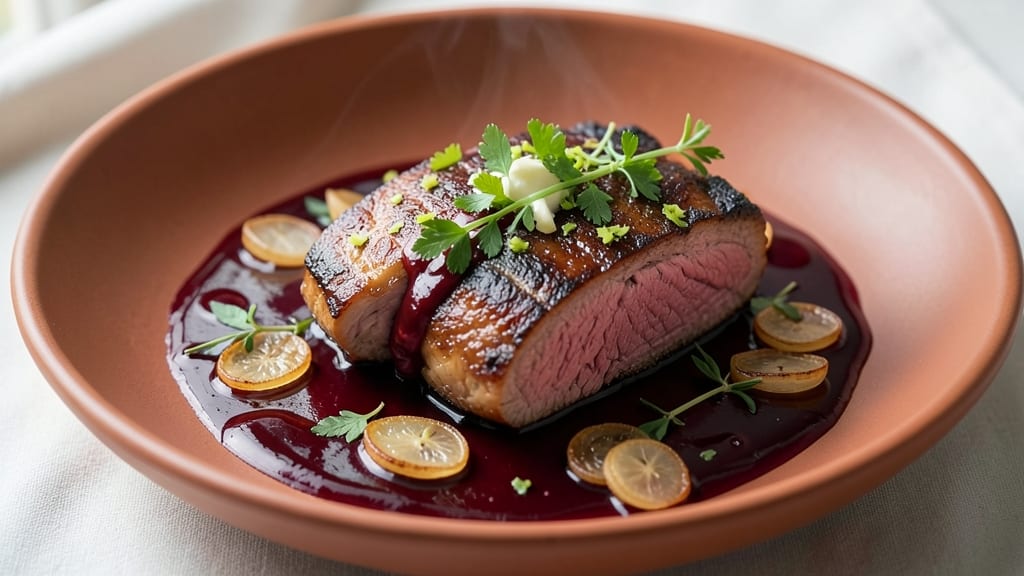
This Banyuls sauce recipe transforms humble ingredients into a velvety, wine-infused masterpiece that elevates any dish. 💛 The secret lies in reducing rich Banyuls wine with shallots and butter, creating a sauce with deep, complex flavors that cling beautifully to meats, fish, or vegetables.
Unlike basic reductions, this sauce develops layers of caramelized sweetness and subtle spice from the wine's aging process.
What sets this sauce apart is its versatility—it works as a pan sauce for seared steaks, a glaze for roasted vegetables, or even a finishing drizzle for pasta. The process is straightforward but requires patience: slow reduction transforms the wine into a concentrated, glossy sauce that's rich yet balanced.
No special techniques are needed, just time and attention to the cooking process.
The result is a sauce that's impossibly smooth with a glossy sheen and flavors that deepen as it cools. It's the kind of sauce that makes ordinary meals feel like a restaurant experience.
Whether you're finishing a steak or drizzling over grilled asparagus, this Banyuls sauce adds professional-level depth to your cooking.
Best of all, it keeps well in the refrigerator for up to a week, making it perfect for meal prep. The sauce's richness means you can use it sparingly—just a few tablespoons will transform your dish. Ready to elevate your cooking with this French-inspired sauce? Let's get started.
Ingredients for banyuls sauce
Nine ingredients create this luxurious wine sauce that transforms simple meals into restaurant-worthy dishes.
| Ingredient | Amount | Notes |
|---|---|---|
| Dry Banyuls Wine 🍷 | 1 cup | Aged, sweet red wine for depth |
| Unsalted Butter 🧈 | ½ cup | Cold, cubed for slow melting |
| Shallots 🧅 | 4 whole | Thinly sliced, not minced |
| Fresh Thyme Leaves 🌿 | ¼ cup | Stems removed, loosely packed |
| Fresh Parsley Leaves 🌿 | ⅛ cup | Chopped, for finishing |
| Granulated Sugar 🍚 | 1 tbsp | Balances wine sweetness |
| Diamond Crystal Kosher Salt 🧂 | ½ tsp | Adjusts to taste |
| Freshly Ground Black Pepper 🌶️ | ¼ tsp | Lightly cracked |
| Heavy Cream 🥛 | ¼ cup | Optional, for silkier finish |
The Banyuls wine is the heart of this sauce—look for aged bottles at specialty stores or well-stocked liquor sections. Laurent-Perrier or Château Tour des Gares are excellent choices, but any quality Banyuls will work. Shallots add delicate sweetness without overpowering; avoid onions, as they can make the sauce bitter. Fresh thyme is ideal, but dried at one-third the amount works in a pinch. The butter should be cold when added to prevent immediate melting—cut it into small cubes for even emulsification. For the best flavor, use European-style unsalted butter with high fat content.
No Banyuls wine? Substitute with equal parts Port wine and dry red wine, though the flavor profile will differ slightly. Heavy cream optional but recommended—use full-fat for richness. If you prefer a lighter sauce, omit it entirely. The sugar balances the wine's sweetness; reduce to 0.5 tbsp if using a sweeter Banyuls. For a quicker version, use shallot powder (1.5 tsp) instead of fresh, though texture will be less refined. Always taste before finishing with herbs—fresh parsley brightens the sauce without competing with the wine's depth.
This sauce freezes beautifully—portion into ice cube trays for easy use later. Keeps in the fridge for up to 1 week in an airtight container, covered with a thin layer of butter to preserve the surface. For best results, reheat gently over low heat, adding a splash of water if it thickens too much. The sauce thickens as it cools, so don't over-reduce—aim for a glossy, pourable consistency. Store any leftovers in the freezer for up to 3 months for future meals.
Why You'll Love This Recipe
- Five-Ingredient Magic: I swear by this recipe because it’s that simple—just wine, butter, shallots, and herbs. No peeling garlic, no finicky reductions, just a quick sweat of shallots and a splash of Banyuls that transforms everything it touches.
- Deep, Winey Richness: That Banyuls wine? It’s the star—earthy, slightly sweet, with a hint of spice that lingers. A spoonful of this sauce turns bland roasted veggies or grilled fish into something restaurant-worthy without trying too hard.
- Weeknight to Dinner Party: Honestly, I make this for both—dump it over steak for a lazy Tuesday, or drizzle it on seared scallops when friends come over. The same sauce, different occasions, zero stress. (Yes, even on a Tuesday night.)
- Leftovers That Shine: Between us, this sauce actually improves the next day. The flavors meld even more, and it reheats like a dream. Keep a jar in the fridge—perfect for tossing with pasta or spooning over eggs when you’re in a rush.
Step-by-step instructions for Banyuls sauce
Here's how to transform simple ingredients into a velvety, wine-infused sauce that elevates any dish.
🍳 Step 1: Melt Butter and Sauté Shallots
In a medium saucepan, melt the 0.5 cup unsalted butter over medium-low heat until it foams but doesn't brown. Add the 4 whole shallots, sliced thinly, and cook for 8-10 minutes until they become translucent and just beginning to soften.
Real talk: don't rush this step. The shallots should caramelize slightly at the edges—that's where the deep flavor comes from. Stir occasionally to prevent sticking, but let them develop color. If they start to brown too quickly, reduce the heat slightly.
🍳 Step 2: Deglaze with Wine and Reduce
Pour in the 1 cup dry Banyuls wine and increase heat to medium-high. Let it simmer vigorously for 5-7 minutes until the wine reduces by about half and the alcohol smell dissipates completely.
Here's the thing—this reduction concentrates the wine's flavors and removes the harsh alcohol bite. You'll see the sauce thicken noticeably and develop a rich, ruby color. Stir occasionally and scrape up any browned bits from the bottom of the pan—they're packed with flavor.
🍳 Step 3: Add Aromatics and Simmer
Reduce heat to low and stir in the 1 tablespoon granulated sugar, 0.5 teaspoon kosher salt, and 0.25 teaspoon black pepper. Add the 0.25 cup fresh thyme leaves and simmer gently for 10-12 minutes until the sauce thickens to a syrupy consistency.
You'll notice the sauce becoming glossy and coating the back of a spoon. This is where patience pays off—the longer it simmers, the more complex the flavors become. If it reduces too quickly, add 1-2 tablespoons water to maintain the proper consistency.
🥘 Step 4: Finish with Cream (Optional)
For a silkier texture, stir in the 0.25 cup heavy cream and simmer for another 2-3 minutes until warmed through. Remove from heat and stir in the 0.125 cup chopped fresh parsley leaves.
This final step adds richness without overpowering the wine's character. The cream should blend seamlessly, creating a velvety finish. If you prefer a lighter sauce, skip the cream entirely—the wine reduction alone is still incredibly flavorful.
⏰ Step 5: Rest and Adjust Seasoning
Let the sauce rest for 5 minutes before tasting. This allows flavors to meld completely. Adjust seasoning if needed—you might need a touch more salt or sugar depending on your wine's sweetness level.
Here's where it gets fun: strain the sauce through a fine-mesh sieve if you prefer a completely smooth texture, or leave it slightly textured for added depth. Serve immediately over roasted meats, grilled fish, or creamy pastas for maximum impact.
Pro Tips For Making Banyuls Sauce
- Sweat Shallots Slow: I learned this the hard way—rushing the shallots means you’ll taste raw onion in your sauce. Use medium-low heat and let them cook for 8–10 minutes until they’re soft, golden, and smell like caramel. No need to rush; this is where the flavor builds.
- Deglaze with Wine Heat: Pour that Banyuls in when the pan is still hot—this ensures the wine reduces faster and pulls up all the browned bits. If you add it to a cold pan, you’ll just dilute the sauce and waste time waiting for it to evaporate.
- Butter in Stages: Don’t dump all the butter at once. Start with half, let it melt into the wine reduction, then add the rest in small pieces while stirring. This keeps the sauce silky instead of greasy, and you’ll avoid that unappetizing butter clump.
- Herb at the End: Tossing in thyme and parsley too early means they’ll turn bitter. Wait until the sauce is thickened and off the heat—just stir them in for 30 seconds to brighten the flavors without overpowering the wine’s depth. (Yes, even if you’re impatient like me.)
Make-ahead tips for leftovers
Prep Ahead Strategy
Make this sauce the night before for deeper flavor development. The wine reduction benefits from 12-24 hours of resting in the refrigerator, allowing aromas to meld beautifully. Simply reheat gently over low heat with a splash of water or stock to loosen the texture before serving.
Freezer-Friendly Portions
Portion the sauce into 1-ounce ice cube trays for perfect single-use servings. Once frozen, transfer cubes to a ziplock freezer bag and flatten for efficient storage. Thaw in the refrigerator overnight or microwave for 15-20 seconds to use directly in recipes.
Butter Seal Technique
For long-term storage, cover the sauce surface with a thin layer of unsalted butter before refrigerating. This creates an airtight seal that preserves the sauce's rich flavors and prevents oxidation. Use a butter knife to spread a ¼-inch layer over the surface before sealing the container.
Make-Ahead for Meals
Double the recipe and store half in the freezer for future meals. This sauce pairs perfectly with holiday roasts, making it ideal for prepping ahead of gatherings. Thaw overnight in the fridge and reheat gently to maintain its velvety consistency.
Herb Preservation Tip
If you're making the sauce ahead but want to add fresh herbs later, store the base sauce (without parsley) separately. Add the chopped parsley just before serving to maintain vibrant color and freshness. This keeps the herbs from wilting during storage.
Sauce Consistency Control
When reheating stored sauce, add 1 teaspoon water per tablespoon of sauce to prevent thickening. The sauce naturally reduces further when cooled, so this adjustment maintains its perfect pourable consistency. Stir gently over low heat until warmed through.
Nutrition facts
Frequently asked questions
What makes Banyuls sauce different from other wine sauces?
Banyuls sauce stands out because it uses aged, sweet Banyuls wine from southern France, which adds depth and caramelized notes. Unlike basic red wine reductions, it develops a rich, velvety texture with subtle spice from the wine's aging process. The shallots and thyme create a delicate sweetness that balances the wine's natural sweetness without overpowering.
Can I substitute Banyuls wine with another type?
Yes! If you can't find Banyuls, mix ½ cup Port wine with ½ cup dry red wine for a similar flavor profile. For a sweeter option, use ½ cup ruby Port alone. The key is balancing sweetness—adjust sugar to taste. Avoid using only dry red wine, as it won't replicate the sauce's signature depth.
How do I know when the sauce is fully reduced?
The sauce is ready when it coats the back of a spoon smoothly and has reduced by about 50% of its original volume. It should be glossy with a syrupy consistency—not thick like jam. If it reduces too quickly, add 1-2 tablespoons water to maintain the right texture. The alcohol smell should also disappear completely.
What are the best dishes to pair with this sauce?
This sauce shines with grilled or roasted meats like duck, lamb, or steak, but it also works beautifully with fish (especially salmon or halibut) and creamy pastas. Try drizzling it over roasted vegetables or using it as a glaze for seared scallops. Its richness pairs well with dishes that need a touch of elegance without overpowering.
Why does my sauce turn out too thick or grainy?
Over-reducing causes thickness, while adding butter too quickly can create graininess. To fix it, whisk in 1 tablespoon warm water or stock to loosen the sauce. For graininess, strain through a fine-mesh sieve or blend briefly with an immersion blender. Always add cold butter gradually at the end to prevent separation.