
Sauces & Condiments
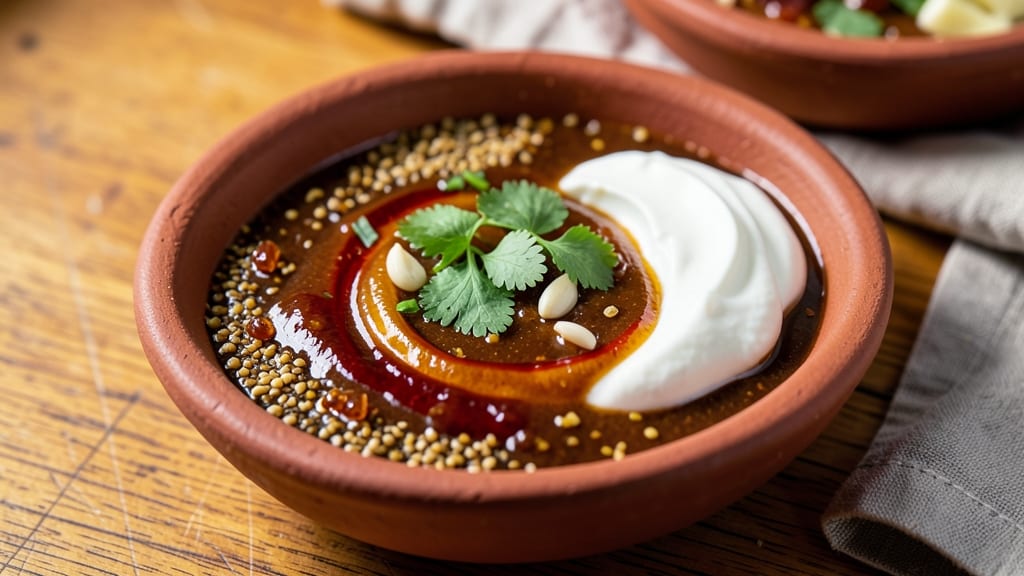
This Indian-style barbecue sauce transforms grilling night into a flavor explosion—tangy tamarind, smoky garlic, and warm spices that cling to every bite like a second skin. I developed it after years of experimenting with Indian marinades, craving that perfect balance of heat, sweetness, and complexity that Western BBQ sauces often miss. The secret lies in the yogurt base, which tenderizes while the tamarind adds a bright, almost citrusy tang that cuts through richness.
What sets this sauce apart is its versatility—it works as a marinade for chicken or lamb, a glaze for grilled vegetables, or even a bold dip for skewers.
The spices (cumin, coriander, and black pepper) ground themselves into the sauce as it simmers, creating layers of aroma that build with every application. Unlike traditional smoky American BBQ, this version leans into the tangy-spicy profile of Indian cuisine, with just enough sweetness from jaggery to balance the acidity.
The result is a sauce that's rich yet bright, with a velvety texture that coats proteins perfectly without overwhelming them. It caramelizes beautifully on the grill, forming a glossy, sticky glaze that locks in moisture and intensifies flavors.
The garlic infuses deeply, while the yogurt keeps the sauce from being too heavy—ideal for those who love bold flavors but want something lighter than classic BBQ.
Perfect for weeknight grilling, holiday feasts, or as a restaurant-quality condiment, this sauce keeps well for up to a week in the fridge. The best part?
It takes just 20 minutes to make, with ingredients you likely already have on hand. Let's get cooking—your grill is about to get an upgrade.
Ingredients for barbecue sauce recipe indian
Nine ingredients, bold flavors—this sauce brings Indian tangy-spice magic to your grill.
| Ingredient | Amount | Notes |
|---|---|---|
| Plain Yogurt 🥛 | 1 cup | Full-fat for creaminess |
| Tamarind Paste 🍈 | ⅓ cup | Or 2 tbsp tamarind pulp |
| Jaggery 🍯 | ¼ cup | Or brown sugar substitute |
| Garlic Cloves 🧄 | 6 cloves | Minced for deep infusion |
| Ginger 🌿 | 1 tbsp | Freshly grated, vibrant |
| Ground Cumin 🌶️ | 1 tsp | Toasted for aroma |
| Ground Coriander 🌿 | 1 tsp | Freshly ground preferred |
| Black Pepper 🌶️ | ½ tsp | Freshly cracked |
| Red Chili Powder 🔥 | 1 tsp | Adjust for heat preference |
| Extra-Virgin Olive Oil 🫒 | 2 tbsp | High-quality for richness |
The yogurt is non-negotiable here—full-fat gives that velvety texture, and plain works better than flavored. Grab Greek-style if you want extra thickness, but regular works fine. Tamarind paste is the secret weapon: Indian grocery stores have it in blocks, or use the paste in tubes at Trader Joe's. Jaggery adds that caramel depth—if you can't find it, brown sugar works, but it's not quite the same. For garlic, roast it first (400°F for 10 mins) to mellow the sharpness and add sweetness—trust me, it changes everything.
No tamarind? Lemon juice plus 1 tsp sugar gets you close, but the tang won't be as complex. Chili powder too mild? Add cayenne or crushed red pepper flakes to taste. The spices should toast in the oil first—blooming them (heat oil, add spices, cook 30 seconds) releases their aroma. No fresh ginger? Ground ginger at half the amount works, but you'll lose that bright snap. The olive oil matters too—avoid cheap brands that taste like soap. For a smokier profile, add 1 tsp smoked paprika or a dash of liquid smoke (start small—it's potent!).
This sauce gets better with time—let it sit 30 minutes after making so flavors meld. Keeps 1 week in the fridge, or 3 months frozen in ice cube trays (perfect for single-use portions). Double the batch—it disappears fast. The yogurt base means it's great for marinating chicken or lamb (add 1 tbsp mustard for extra tenderness), or brush it on grilled veggies like eggplant or bell peppers. For a restaurant-worthy finish, strain it through a fine-mesh sieve before using to get a silky texture.
Why You'll Love This Recipe
- No Blender Needed: I swear by this—just mash the ginger with jaggery and a pinch of salt until it turns into a sticky paste. No fancy equipment, no stress, and honestly, the texture comes out richer for it.
- Tamarind’s Tangy Magic: That tamarind paste? It’s the secret weapon here. One spoonful cuts through the sweetness of jaggery like a knife, giving it this bright, almost citrusy depth that makes it taste nothing like store-bought BBQ sauce.
- Works on Everything: Slather it on grilled chicken, toss it with roasted potatoes, or drizzle it over dosa—it’s my go-to for anything that needs a little boldness. Even my picky uncle asked for seconds when I served it with kebabs last Diwali.
- Lasts All Week: Make a big batch—it keeps in the fridge for at least five days without losing its kick. I double the recipe on Sundays so I’m not scrambling for flavor midweek. Plus, jaggery and yogurt make it shelf-stable longer than most sauces.
Step-by-step instructions for smoky garlic-tamarind glaze
Here's how to blend bold Indian flavors into a versatile glaze that elevates grilled meats and roasted veggies.
Bloom the Spices in Olive Oil
Heat the 2 tablespoons extra-virgin olive oil in a medium saucepan over medium-low heat. Add the 1 teaspoon ground cumin and 1 teaspoon ground coriander, stirring constantly for 1 minute until fragrant. The spices should sizzle gently and release their warm, earthy aromas—this is your flavor foundation.
Watch the oil carefully—it should shimmer but not smoke. If it darkens too quickly, reduce the heat immediately. Once the spices are toasted, add the 6 cloves minced garlic and 1 tablespoon freshly grated ginger, cooking for another 1-2 minutes until the garlic turns golden and translucent. This step builds the sauce's signature smoky depth.
Simmer the Tamarind-Jaggery Base
Increase heat to medium and add the 0.33 cup tamarind paste and 0.25 cup jaggery, stirring constantly with a wooden spoon. The mixture will bubble vigorously as the jaggery melts—this takes about 3-4 minutes. You'll see a thick, glossy syrup forming that clings to the pan.
Here's the thing—this is where the sauce's tangy-sweet balance comes together. If the mixture seems too thick, add 1 tablespoon water at a time until it reaches a smooth, pourable consistency. You want it to coat the back of a spoon without being watery. The sauce should smell intensely of caramelized tamarind and warm spices.
Incorporate the Yogurt and Finish
Remove the pan from heat and let it cool for 2 minutes—this prevents the yogurt from curdling when added. Then, slowly whisk in the 1 cup plain yogurt in a thin stream while stirring continuously. The sauce will thicken noticeably as the yogurt cools it down.
Return the pan to low heat and add the 1 teaspoon red chili powder and 0.5 teaspoon black pepper, stirring for 1-2 minutes until the spices are fully incorporated. The sauce should now have a rich, velvety texture with a perfect balance of sweet, tangy, and spicy flavors. If it's too thick, thin with 1 tablespoon warm water at a time.
Rest and Adjust Before Using
Transfer the sauce to a bowl and let it rest at room temperature for 15-20 minutes. This resting period allows all the flavors to meld together beautifully. Taste and adjust the seasoning—you might want to add a pinch more salt or chili powder to suit your preference.
The sauce should be smooth, glossy, and ready to transform your grilled dishes. For best results, use it immediately on grilled chicken, lamb chops, or even as a marinade. If storing, keep it refrigerated in an airtight container for up to 5 days, or freeze for 3 months. The flavors actually deepen over time!
Pro Tips For Making Barbecue Sauce Recipe Indian
- Simmer Tamarind Slowly: I learned this the hard way—dumping tamarind paste straight into hot jaggery makes it seize up like glue. Instead, dissolve the tamarind in warm water first (about 30 seconds in a microwave or small saucepan), then stir it into the jaggery while simmering on low heat. This keeps the sauce smooth, not grainy.
- Strain the Yogurt: Thick, lumpy yogurt ruins the texture of this sauce. After mixing yogurt with the tamarind-jaggery base, let it sit for 10 minutes, then strain it through a fine-mesh sieve or damp cheesecloth. This removes excess whey and gives you that silky, restaurant-style consistency—no blender needed.
- Toast Garlic-Ginger Whole: Skip the mincer—whole garlic cloves and ginger chunks caramelize into something deeper than pre-grated paste. Sauté them in ghee or oil until golden brown (about 8-10 minutes on medium-low), then crush them with the back of a spoon. The flavor’s more complex, and you won’t taste raw garlic.
- Balance Jaggery with Salt: Jaggery’s naturally sweet, but this sauce needs a savory edge. After simmering, taste it and add a pinch of salt—yes, even if the jaggery feels salty. The tamarind’s tang and yogurt’s creaminess will thank you. I used to skip this and ended up with a dessert, not a sauce.
Make-ahead tips for leftovers
Prep Ahead for Flavor
Make this sauce 2 days ahead—the flavors deepen as the tamarind and spices meld. Store in a glass jar with an airtight lid in the fridge. I like to double the batch because it disappears fast, especially when grilling lamb chops or marinated chicken.
The yogurt base actually improves with time, developing a tangier profile that cuts through richness beautifully. 🥛
Freezer-Friendly Portions
Freeze sauce in ice cube trays for single-use portions—perfect for quick grilling sessions. Once frozen, transfer cubes to a ziplock bag and flatten to save space. Thaw overnight in the fridge, then stir before using.
The texture stays velvety when reheated gently on low heat with 1 tablespoon water per cube. This method preserves the sauce's vibrant color and prevents separation. ❄️
Marinade Magic
Use half the sauce as a marinade for chicken or lamb—add 1 tbsp mustard to tenderize. Let proteins soak for 4-6 hours (or overnight for deeper flavor).
I swear by this method for my grilled butter chicken—the yogurt keeps the meat juicy while the tamarind adds a tangy punch. Always pat dry before grilling to ensure a good sear. 🍗
Grill-Ready Glaze
Prep the sauce 1 day ahead if you're grilling, then reheat gently on the stove or in the microwave. For extra shine, add 1 tsp honey when reheating—it caramelizes beautifully on the grill.
Brush sauce onto skewers or meats during the last 5-10 minutes of cooking for a sticky, glossy finish. The high heat intensifies the flavors, creating a restaurant-quality glaze. 🔥
Herb Boost Option
Add 1 tbsp chopped cilantro or mint just before serving for a fresh finish. Store herbs separately in the fridge and mix in when ready to use. This works especially well for grilled vegetables like eggplant or zucchini.
The herbs brighten the sauce without altering its core flavors. I keep a small jar of fresh herbs on hand for this exact purpose. 🌿
Storage Secrets
Label your containers with the date—this sauce keeps 5 days refrigerated or 3 months frozen. To reheat, warm on low heat with 1 tbsp water to restore its silky texture.
Avoid microwaving, as it can make the sauce grainy. For best results, use within 1 week of opening, even when refrigerated. The yogurt base starts to separate after that. 💡
Nutrition facts
Frequently asked questions
Can I substitute jaggery with regular sugar?
Yes, but there will be a slight flavor difference. Jaggery adds a caramel depth and subtle earthiness that regular sugar lacks. For the closest substitute, use brown sugar—it has molasses notes that mimic jaggery's complexity better than white sugar. If using white sugar, add ½ teaspoon cinnamon to compensate for the missing depth. The sauce will still taste delicious, just less nuanced.
How spicy should this sauce be?
The recipe starts with 1 teaspoon red chili powder, which gives a mild to moderate heat. For extra kick, add ½ teaspoon cayenne pepper or 1-2 slices of fresh green chili while simmering. Adjust to taste—this sauce works well for both kids and spice lovers if you dial it back. The yogurt base naturally balances the heat, so you can't overdo it.
What meats work best with this sauce?
This sauce excels with chicken, lamb, and pork—its tangy-yogurt base tenderizes while the spices caramelize beautifully. For fish, use it as a marinade (reduce time to 2-3 hours max). It also works as a glaze for grilled vegetables like eggplant or bell peppers. Avoid fatty meats like ribs—the sauce might get lost in the richness.
Why does my sauce curdle when heating?
Yogurt curdles when added to hot liquids. Always cool the tamarind-jaggery mixture for 2 minutes before stirring in the yogurt, and keep heat low after adding it. If it starts to separate, whisk in 1 tablespoon cold water and simmer gently for 1 minute. For extra insurance, temper the yogurt by mixing it with 2 tablespoons cold sauce first before adding to the pan.
Can I make this sauce without tamarind?
Yes! Mix ¼ cup lemon juice with 1 teaspoon sugar to mimic tamarind's tang. For deeper flavor, add 1 teaspoon vinegar (apple cider or white wine work best). The sauce will be brighter but less complex. If you love the tamarind's unique sourness, consider trying Indian grocery store tamarind pulp—it's more accessible than you think.