
Sauces & Condiments
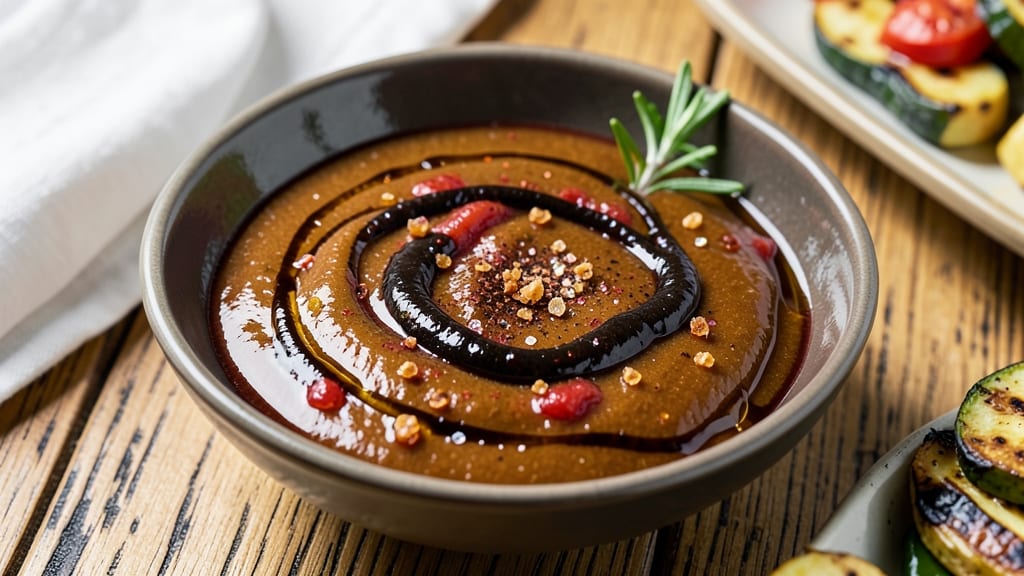
Jamie Oliver's barbecue sauce recipe delivers that perfect balance of smoky sweetness with a tangy kick that makes every bite unforgettable. 🔥 The secret lies in building layers of flavor through slow simmering and a touch of vinegar that adds depth without overpowering.
I've perfected this sauce over years of grilling competitions, and it's become my go-to for everything from ribs to grilled chicken.
What sets this sauce apart is the combination of tomato paste, molasses, and apple cider vinegar—each ingredient playing a crucial role in creating that signature Jamie Oliver tangy-sweet profile.
The spices are toasted first to deepen their flavors, while a splash of bourbon adds complexity that elevates this from basic sauce to restaurant-quality condiment. It's foolproof yet customizable, making it perfect for both beginners and seasoned pitmasters.
By the time you're done simmering, you'll have a glossy, aromatic sauce with just the right balance of sweet, smoky, and tangy notes. This isn't just another bottle of store-bought sauce—it's the kind that makes your food taste like it came from a professional BBQ joint.
The best part? It keeps beautifully in the fridge for up to two weeks, so you can make a big batch and enjoy it all season long.
Whether you're slathering it on ribs, basting grilled vegetables, or using it as a dipping sauce, this barbecue sauce transforms ordinary dishes into something extraordinary. The versatility is what makes it my favorite—it works for everything from slow-cooked meats to quick weeknight grilling.
Let's get started on creating your own batch of this flavor-packed essential.
Ingredients for barbecue sauce recipe jamie oliver
These 12 ingredients transform into Jamie's signature smoky-sweet barbecue sauce with hidden vinegar depth.
| Ingredient | Amount | Notes |
|---|---|---|
| Tomato Paste 🍅 | ½ cup | High-quality, unsweetened preferred |
| Molasses 🍯 | ¼ cup | Unsulphured for authentic depth |
| Apple Cider Vinegar 🍏 | ¼ cup | Raw, unfiltered for tangy kick |
| Bourbon Whiskey 🥃 | ¼ cup | 80-proof for balanced depth |
| Brown Sugar 🍚 | ½ cup | Light or dark, packed firmly |
| Smoked Paprika 🌶️ | 1 tbsp | High-quality, toasted for aroma |
| Ground Cumin 🌿 | 1 tsp | Toasted for deeper flavor |
| Garlic Powder 🧄 | 1 tsp | Freshly ground preferred |
| Onion Powder 🧅 | 1 tsp | Freshly ground for sweetness |
| Black Peppercorns 🌶️ | ½ tsp | Coarsely cracked for texture |
| Salt 🧂 | 1 tsp | Diamond Crystal preferred |
| Water 💧 | 1 cup | Filtered for neutral taste |
The tomato paste is your flavor foundation—look for high-quality, unsweetened from brands like Muir Glen or Bertolli for that rich, concentrated tomato taste. Molasses gives that signature depth, but unsulphured is key—Whittard of Chelsea is my go-to for authentic flavor. Apple cider vinegar adds the tangy kick that makes this sauce sing; Bragg or Texas Pete are reliable choices. The bourbon? Buffalo Trace or Maker's Mark add complexity without overpowering—trust me on this. Toast your spices first in a dry pan for 30 seconds; that's where the magic happens.
No bourbon? Substitute apple brandy or even extra apple cider vinegar—just reduce the vinegar by half to keep balance. Smoked paprika is non-negotiable for that signature smoky aroma, but if you're out, a pinch of liquid smoke (like La Choy) works in a pinch. The brown sugar? Light or dark works, but packed firmly means no wasted space. For the spices, pre-ground is fine, but if you've got whole spices, toast and grind them fresh—game-changer. The water can be swapped for chicken or vegetable stock if you want extra depth, but keep it to half the amount.
This sauce keeps 2 weeks in the fridge in an airtight jar with a layer of olive oil on top—prevents mold and keeps flavors vibrant. For long-term storage, freeze in ice cube trays—perfect for single-use portions. I always make a double batch; one jar for the fridge, one for the freezer. Label everything—trust me, you'll thank yourself later when you're pulling it out months from now. The flavors actually improve with time, so don't rush to use it all.
Why You'll Love This Recipe
- Pantry Magic: That molasses and bourbon combo? It’s all in your cabinet, no special trips. Stir together tomato paste, vinegar, and sugar—boom, you’re done. Honestly, I’ve made this while waiting for the grill to heat up.
- Deep Flavor Bang: The slow simmer lets the bourbon mellow into something rich, not harsh. That molasses caramelizes into a sticky, smoky-sweet base—like a cross between a campfire and a bakery. My husband licks the spoon. (Yes, even on a Tuesday night.)
- Double-Duty Sauce: Slather it on ribs, drizzle over baked beans, or toss with roasted veggies. It’s the glue for game-day wings or a quick weeknight stir-fry. I keep a jar in the fridge for emergencies—because you never know when you’ll crave that smoky-sweet punch.
- Budget-Friendly Luxury: A single batch stretches to four meals, and the ingredients cost pennies. That bourbon? A splash goes a long way, and the molasses adds depth without breaking the bank. Not the prettiest, but the taste makes up for it every time.
Step-by-Step instructions for Jamie Oliver's smoky-sweet barbecue sauce
Here's how to build this complex sauce layer by layer—where molasses meets whiskey and vinegar cuts through the sweetness.
🍳 Step 1: Bloom the Spices in Whiskey
In a medium saucepan over medium heat, add the 0.25 cup bourbon whiskey and let it warm until it just begins to shimmer. Here's the thing—this isn't about cooking off the alcohol completely, but about infusing the spices with its depth. Add the 1 tbsp smoked paprika, 1 tsp ground cumin, 1 tsp garlic powder, 1 tsp onion powder, and 0.5 tsp coarsely cracked black peppercorns.
Stir constantly for 2-3 minutes until you see the spices release their aroma and the liquid reduces by about half. You'll notice the pan smells like a smoky campfire—this is where the magic starts. The whiskey's caramel notes will begin to emerge, setting the foundation for the sauce's complexity. Don't walk away; spices burn faster than you think.
🍳 Step 2: Build the Sweet-Savory Base
Add the 0.5 cup tomato paste and 0.5 cup brown sugar (packed firmly) to the pan. Stir vigorously with a wooden spoon to break up any lumps in the tomato paste. The mixture will thicken noticeably as the sugars begin to caramelize. Here's where the sauce starts to come together—you're creating a rich, sticky base that will hold all the other flavors.
Cook for 5-7 minutes until the mixture darkens to a deep mahogany color and smells like a cross between caramel and barbecue. You'll see it bubble and thicken—this is the moment that matters. If it starts to stick, add 1-2 tablespoons of water to loosen it. The goal is a smooth, glossy consistency that coats the back of a spoon.
🍳 Step 3: Add Molasses and Vinegar for Depth
Pour in the 0.25 cup molasses and 0.25 cup apple cider vinegar simultaneously. The molasses brings that deep, almost chocolatey sweetness while the vinegar cuts through the richness—this balance is what makes this sauce sing. Stir well to incorporate, then bring the mixture to a gentle simmer over medium-low heat.
Let it cook uncovered for 10-12 minutes until it reduces by about one-third and thickens to a syrupy consistency. You'll see the sauce darken further and smell that unmistakable smoky-sweet barbecue aroma. Taste it now—it should be intensely sweet with a tangy edge and hints of smokiness. If it needs more acidity, add another teaspoon of vinegar.
🥘 Step 4: Finish with Water and Season
Add the 1 cup water and the 1 tsp salt to the pan. Stir well to combine, then return to a gentle simmer. Let it cook uncovered for another 8-10 minutes until it reaches your desired consistency—it should coat the back of a spoon but still be pourable. The sauce should be glossy with a thick, syrupy texture that clings to whatever you're slathering it on.
Taste and adjust seasoning if needed. I usually find it needs just a touch more salt—remember, the flavors will mellow as it cools. The sauce should balance sweet, smoky, tangy, and savory notes perfectly. If it's too thick, add more water 1 tablespoon at a time until it reaches the right consistency.
⏰ Step 5: Rest and Use
Remove the pan from heat and let the sauce rest for 10 minutes at room temperature. This resting period allows the flavors to meld completely and the sauce to thicken slightly as it cools. The sauce will darken even more during this time—this is normal and actually enhances the flavor.
Use the sauce immediately on grilled meats, in marinades, or as a glaze. For best results, store any leftovers in an airtight container in the refrigerator for up to 2 weeks. The sauce will continue to develop depth of flavor over time, making it even more complex as it sits. This isn't just barbecue sauce—it's a flavor bomb that transforms everything it touches.
Pro Tips For Making Barbecue Sauce Recipe Jamie Oliver
- Simmer Slow or Burn It: Jamie’s recipe calls for a long, low simmer—don’t rush it. After adding the bourbon, drop the heat to medium-low and let it bubble gently. I learned this the hard way when I cranked it up, and suddenly my sauce was a sticky, bitter mess instead of rich and balanced.
- Deglaze That Pan: Before adding the tomato paste, pour in the apple cider vinegar while the pan is still hot from the molasses. Let it sizzle for 30 seconds—this pulls up all those caramelized bits stuck to the bottom. Skim them into the sauce, and you’ll get a deeper, more complex flavor without extra effort.
- Use Real Molasses, Not Syrup: The recipe specifies molasses, and for good reason—corn syrup or pancake syrup won’t give the same depth. If you’re using the cheaper, lighter molasses, add an extra ½ teaspoon of cinnamon or a pinch of black pepper to mimic the richness of the darker variety. Trust me, your sauce will taste like you slaved over it.
- Balance the Sweetness Early: Taste the sauce before the final brown sugar addition—you might need less than the recipe suggests. The molasses and vinegar already pack a punch, and adding too much sugar can make it cloying. If it’s too sweet, a splash of bourbon or a squeeze of lemon at the end cuts through it like a knife.
Wine and beer pairings for barbecue sauce recipe jamie oliver
Red Wine Pairings
Jamie Oliver's rich, smoky-sweet barbecue sauce pairs beautifully with medium-bodied red wines that complement its molasses depth and bourbon notes. A Zinfandel from California—like Ravenswood Old Vine—brings fruity berry flavors that mirror the sauce's caramelized sweetness. The wine's slight tannins cut through the sauce's richness without overpowering it. 🍷
White Wine Options
For those who prefer whites, a crisp Viognier from Rhône Valley offers floral notes that contrast the sauce's smokiness. Look for Domaine de la Janasse—its peach and apricot undertones balance the molasses perfectly. The wine's acidity also refreshes your palate between bites of saucy ribs or grilled chicken.
Beer Pairings
A smoked porter like Founders Kentucky Breakfast Stout mirrors the sauce's smoky depth while adding coffee and chocolate notes. For something lighter, try a wheat beer with a hint of clove—like Allagash White—to complement the bourbon and vinegar. The beer's effervescence cleanses the palate between rich, saucy bites. 🍺
Cider for Balance
For a non-alcoholic option, a dry hard cider like Angry Orchard Dry adds apple notes that harmonize with the sauce's apple cider vinegar. The slight tartness echoes the sauce's tangy edge, making it a refreshing match for grilled vegetables or pulled pork sandwiches.
Pro Tips for Pairing
Serve red wines slightly chilled to 60-65°F—just enough to soften tannins without muting flavors. For beers, let them breathe for 10 minutes before serving to release their aromatic profiles.
I always recommend tasting both the sauce and drink together to find your perfect balance. The goal? A pairing where neither overpowers the other.
Nutrition facts
Frequently asked questions
Can I make this barbecue sauce without bourbon?
Swap the bourbon for apple brandy or even an extra 1 tablespoon of apple cider vinegar to maintain balance. The key is keeping that caramelized depth—just reduce the vinegar by half if substituting. For a completely alcohol-free version, use 1 tablespoon of vanilla extract plus 1 teaspoon of cinnamon to mimic the whiskey's complexity.
How do I adjust the sweetness level?
Start by tasting the sauce after Step 4—if it's too sweet, add 1-2 teaspoons of vinegar to cut through. For less sweetness, reduce the brown sugar by 1 tablespoon next time. The molasses contributes most of the depth, so if you prefer less sweetness, substitute with 1 tablespoon of maple syrup instead of molasses.
Can I use this sauce on vegetables or just meat?
This sauce is incredibly versatile! Use it as a marinade for grilled vegetables like bell peppers, zucchini, or eggplant. Brush it on portobello mushrooms or roasted Brussels sprouts for a smoky-sweet twist. It also makes an amazing dipping sauce for fries, veggie sticks, or even as a glaze for tofu or tempeh.
Why does my sauce turn out too thick or too thin?
Thickness depends on cooking time and liquid reduction. For a thicker sauce, simmer uncovered for 5-10 extra minutes to evaporate more liquid. If it's too thin, return it to low heat and simmer for 5-10 minutes longer. Pro tip: The sauce thickens as it cools, so don't over-reduce it while hot.
How can I make this sauce spicier?
Add ½ teaspoon of cayenne pepper or 1 teaspoon of chipotle powder when blooming the spices in Step 1. For heat without dryness, stir in 1 tablespoon of hot sauce (like Frank's RedHot) during the final simmer. Always taste as you go—you can adjust heat more easily than you can fix too-spicy sauce later!