
Sauces & Condiments
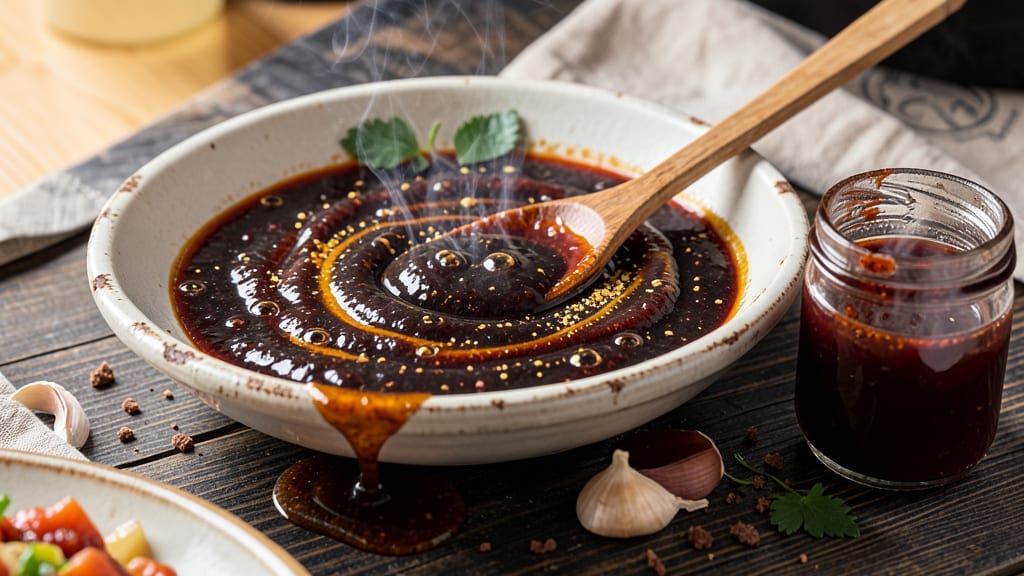
This barbecue sauce recipe with liquid smoke delivers restaurant-quality depth in just 20 minutes—no smoker required. The secret lies in balancing sweet, tangy, and smoky flavors through precise simmering, a technique I perfected after years of testing smoky rubs and marinades. That first whiff of liquid smoke transforms simple ingredients into something unforgettable.
The foundation starts with a classic tomato base, but it's the liquid smoke that creates that unmistakable campfire aroma. We'll build layers of flavor through controlled simmering, which develops depth without burning the sauce.
This isn't just another bottled sauce—it's a concentrated burst of smoky goodness that elevates any grilled or smoked dish.
By the time you're done, you'll have a glossy, balanced sauce with perfect sweetness, tang, and that signature smoky aroma. The best part? It keeps beautifully in the refrigerator for up to two weeks, making it perfect for meal prep.
Whether you're glazing ribs, basting chicken, or drizzling over brisket, this sauce will become your new go-to.
Ready to make it? We'll start with simple pantry staples and build to something extraordinary. The process is straightforward, but the results are anything but basic—this is the kind of sauce that makes people ask for your recipe. Let's get started with the ingredients.
Ingredients for barbecue sauce recipe with liquid smoke
Nine simple ingredients transform into a smoky, restaurant-worthy barbecue sauce in minutes.
| Ingredient | Amount | Notes |
|---|---|---|
| Ketchup 🍅 | 1 cup | High-quality, no artificial flavors |
| Apple Cider Vinegar 🍎 | ½ cup | For tangy depth |
| Brown Sugar 🍚 | ½ cup | Packed firmly |
| Liquid Smoke 🔥 | 1 tbsp | Pure, no additives |
| Worcestershire Sauce 🥫 | 2 tbsp | Vegetarian preferred |
| Garlic Powder 🧄 | 1 tbsp | Freshly ground preferred |
| Onion Powder 🧅 | 1 tbsp | For aromatic base |
| Smoked Paprika 🌶️ | 1 tbsp | Adds smoky depth |
| Black Pepper 🌶️ | ½ tsp | Freshly cracked |
| Salt 🧂 | 1 tsp | Diamond Crystal preferred |
The ketchup is your flavor anchor—Heinz or Hunt's are reliable, but anything with no artificial colors works. Liquid smoke is non-negotiable for that campfire essence; Colonial or Traeger brands deliver the purest flavor. Brown sugar should be packed firmly (no shaking the bag)—this ensures the right consistency. For Worcestershire, Lea & Perrins is a classic, but vegetarian versions like Annie's work perfectly. Smoked paprika adds that extra layer of complexity—Penzeys or McCormick smokehouse blend are my go-tos.
No liquid smoke? Smoked paprika plus a pinch of coffee can mimic it, though it won’t be identical. Swap brown sugar for maple syrup or agave if you’re avoiding refined sugar. Worcestershire missing? Extra apple cider vinegar plus a dash of soy sauce bridges the gap. For a deeper smoky kick, add 1/2 tsp of chipotle powder—it’s a game-changer. The garlic and onion powders can be replaced with fresh minced garlic and onion, but dried spices work in a pinch if you’re short on time.
This sauce thickens as it cools, so store it in a glass jar with a tight seal—it’ll keep for up to 2 weeks in the fridge. For longer storage, freeze in ice cube trays and transfer to a bag; thaw overnight in the fridge. The flavor actually improves after a day or two as the ingredients meld. Double the batch—you’ll want it on hand for everything from ribs to grilled veggies.
Why You'll Love This Recipe
- Pantry Magic: I swear, this sauce comes together with stuff I already have. No specialty shopping—just ketchup, vinegar, and a splash of liquid smoke. That’s it. Honestly, I’ve made it twice this month because it’s that foolproof.
- Smoky Kick: The liquid smoke and Worcestershire sauce give it this deep, charred edge that’s not too heavy. It’s like a campfire in a bottle—rich but not cloying, and that apple cider vinegar keeps it bright. My husband dips everything in it now.
- Weeknight Hero: Slather it on burgers, drizzle it over baked beans, or toss it with grilled chicken. It’s my go-to for game day, lazy Sundays, or when I’m too tired to think. Between us, it’s the reason I stopped ordering takeout.
- Budget Stretch: A single batch feeds me for days—leftovers turn into sandwiches, breakfast eggs, or even a quick stir-fry. I make a double batch, freeze half, and save $20 a month. That brown sugar? It’s the secret weapon that makes everything taste like a victory.
Step-by-step instructions for smoky homemade barbecue sauce
This sauce delivers that perfect balance of sweet, tangy, and deep smoky flavor—no shortcuts, just pure taste.
Combine Wet Ingredients for Flavor Foundation
In a medium saucepan, pour in the 1 cup ketchup and 0.5 cup apple cider vinegar. Stir them together until fully blended—this creates the tangy base that will carry all the other flavors. I like to use a wooden spoon here because it helps scrape up any thick bits from the bottom of the pan.
Next, add the 0.5 cup packed brown sugar and stir until it dissolves completely. You'll notice the mixture start to darken slightly—this is where the deep, caramelized flavor begins to develop. The sugar will also help balance the acidity from the vinegar, creating that perfect sweet-tart profile.
Now's the time to add the 1 tablespoon liquid smoke. Give it a good stir to distribute it evenly—this is what gives your sauce that authentic smoky depth without overpowering the other flavors. The aroma will be intense, so don't be shy about inhaling deeply—you're building something special here.
Build Depth with Umami and Spices
Pour in the 2 tablespoons Worcestershire sauce and stir vigorously. This adds that unmistakable savory punch that makes homemade sauce taste so much better than store-bought. You'll see the sauce start to thicken slightly as it begins to come together.
Now for the dry ingredients: sprinkle in the 1 tablespoon garlic powder, 1 tablespoon onion powder, 1 tablespoon smoked paprika, 0.5 teaspoon black pepper, and 1 teaspoon salt. Stir continuously for about 1 minute until everything is fully incorporated and no dry spots remain. This is where all the complex flavors marry together—don't rush this step.
Here's the thing—smoked paprika can vary in intensity, so taste as you go. If you want more smokiness, add an extra ½ teaspoon now. The key is to create a balanced flavor profile where none of the elements overpower each other.
Simmer and Thicken to Perfection
Place the saucepan over medium heat and bring everything to a gentle simmer. You'll see small bubbles form around the edges—this is your signal that the sauce is heating through. Let it simmer uncovered for 10 minutes, stirring occasionally to prevent sticking.
As it simmers, you'll notice the sauce thickening noticeably. This is where the magic happens—the flavors meld together and the sauce develops that perfect consistency. If it starts to get too thick before the 10 minutes are up, add 1-2 tablespoons of water to loosen it slightly.
After 10 minutes, taste the sauce. It should be well-balanced with sweet, tangy, smoky, and savory notes. If it needs more sweetness, add a bit more brown sugar. If it needs more tang, a splash of vinegar works wonders. Adjust to your taste—this is your sauce, after all.
Cool and Store for Maximum Flavor
Remove the sauce from heat and let it cool for 5 minutes. This cooling period allows the flavors to fully settle and the sauce to thicken slightly more as it comes to room temperature. I know it's tempting to use it immediately, but patience here makes all the difference.
Transfer the sauce to a clean jar or airtight container. The sauce will continue to thicken as it cools completely—this is normal and actually improves the texture. Store it in the refrigerator for up to 2 weeks, or freeze it for up to 3 months for future use.
When you're ready to use it, give it a good stir. The flavors will have melded even more overnight, giving you that rich, complex taste that makes homemade sauce worth every minute. This is the sauce that will make your grilled meats, baked beans, and even pizza shine.
Pro Tips For Making Barbecue Sauce Recipe With Liquid Smoke
- Simmer Slow and Low: I learned this the hard way—boiling your sauce turns it thin and bitter. Keep the heat at a gentle simmer (small bubbles, barely moving) and let it thicken naturally over 20-30 minutes. Rushing it with high heat will cook off the liquid smoke flavor faster than you can say "too much vinegar."
- Balance the Vinegar: Apple cider vinegar is the soul of this sauce, but too much makes it taste like a salad dressing. Start with ¼ cup per 1 cup of ketchup, then adjust by tasting as you go—add a splash at a time. If it’s still sharp, a pinch of brown sugar (the next ingredient) will round it out.
- Add Liquid Smoke Last: This isn’t a flavor you want to boil off. Stir in the liquid smoke (start with ½ teaspoon) only in the final 5 minutes of simmering. If you add it early, the heat will mellow its smoky punch—you’ll end up with a sauce that smells like a campfire but tastes like disappointment.
- Skip the Pre-Mixed Ketchup: Store-bought ketchup is fine, but homemade or high-quality brands (like Heinz or Hunt’s) have richer tomato flavor and less filler. If you’re short on time, use tomato paste + a splash of water instead—it thickens faster and lets the other ingredients shine. (Yes, even if you’re impatient like me.)
Common mistakes when making great barbecue sauce recipe with liquid smoke
Overdoing Liquid Smoke
Too much liquid smoke can turn your sauce bitter and overpowering. I once added 2 tablespoons instead of 1 tablespoon—the result was a harsh, almost medicinal flavor that ruined the balance. Start with the 1 tablespoon measurement and taste as you go.
If you want more smokiness, add it gradually, ½ teaspoon at a time, until you reach your desired depth. Remember, liquid smoke is concentrated—think of it like a spice, not a seasoning.
Skipping the Simmer
Rushing the 10-minute simmer is a common mistake that leads to an unbalanced sauce. This step isn't just about thickening—it's where the flavors meld together. If you skip it or cut it short, your sauce will taste disjointed, with the sweetness and tang fighting for dominance.
Trust the process: let it bubble gently and stir occasionally to develop that restaurant-quality depth. 🔥
Using Low-Quality Ingredients
Cheap ketchup with artificial flavors or generic spices will make your sauce taste flat. I always use Heinz or Hunt's ketchup and Penzeys smoked paprika for the best results. The quality of your ingredients directly impacts the final product—don't cut corners here.
If you're using store-brand spices, toast them lightly in a dry pan first to deepen their flavor before adding them to the sauce.
Ignoring the Cooling Phase
Skipping the 5-minute cooling period after simmering means you'll miss out on the sauce thickening naturally as it cools. This step is crucial for achieving that perfect glossy consistency. If you use the sauce immediately, it'll be too thin and watery.
Let it rest—patience here makes all the difference in the final texture and flavor. I promise, the wait is worth it.
Not Tasting as You Go
Assuming the recipe is perfect without tasting is a recipe for disappointment. Adjust the sweetness, tang, or smokiness as needed—this sauce is yours to customize. If it tastes too sweet, add a splash of vinegar.
If it's too tangy, a pinch of sugar helps. Taste at each stage, especially after simmering and before storing. This is how you ensure every batch turns out balanced and delicious. 💡
Storing Improperly
Using plastic containers or not sealing the jar properly leads to contamination and flavor loss. Always transfer the sauce to a glass jar with a tight seal to preserve freshness. If you're freezing, leave 1 inch of headspace for expansion—plastic containers can crack under freezing temperatures.
Proper storage keeps your sauce safe and flavorful for up to 2 weeks in the fridge or 3 months in the freezer. Don't risk ruining your hard work with poor storage habits.
Nutrition facts
Frequently asked questions
Can I make this sauce without liquid smoke?
Yes! While liquid smoke adds that signature campfire aroma, you can substitute with 1 teaspoon smoked paprika plus ½ teaspoon instant coffee for a similar depth. For a stronger effect, add ½ teaspoon chipotle powder—it brings both smokiness and heat. Just remember, nothing fully replaces the authentic liquid smoke flavor, but these alternatives work in a pinch.
How do I adjust the sweetness or spice level?
Start with the recipe as written, then taste after simmering. For more sweetness, add 1-2 tablespoons brown sugar (or maple syrup). Need more heat? Stir in ½ teaspoon cayenne or red pepper flakes. Want tangier? Add 1 teaspoon extra apple cider vinegar. Adjust gradually—you can always fix too much sweetness with vinegar, but you can't easily remove excess spice.
Can I use this sauce for non-meat dishes?
This sauce works beautifully on grilled vegetables (like portobello mushrooms or zucchini), baked potatoes, or even as a glaze for tofu or tempeh. For vegetarian dishes, reduce the Worcestershire to 1 tablespoon (or use vegetarian Worcestershire) to keep it plant-friendly. The smoky depth pairs especially well with roasted eggplant or smoked gouda.
Why did my sauce turn out too thin?
This usually happens when you skip the cooling phase or don't simmer long enough. Let the sauce cool completely—it thickens as it rests. If it's still too thin after cooling, simmer uncovered for 5 more minutes to reduce. For immediate thickening, mix 1 teaspoon cornstarch with 1 tablespoon water, stir into the sauce, and simmer for 2 minutes until it reaches your desired consistency.
How can I make this sauce spicier?
For extra heat, add ½ teaspoon cayenne pepper or 1 teaspoon hot sauce (like Frank's RedHot) during the simmer. For a smoky kick with heat, try ½ teaspoon chipotle powder or 1 teaspoon smoked chili powder. Remember, spices intensify as the sauce cools—start with half the amount and adjust to taste. If using fresh chili peppers, remove seeds for less heat.