
Sauces & Condiments
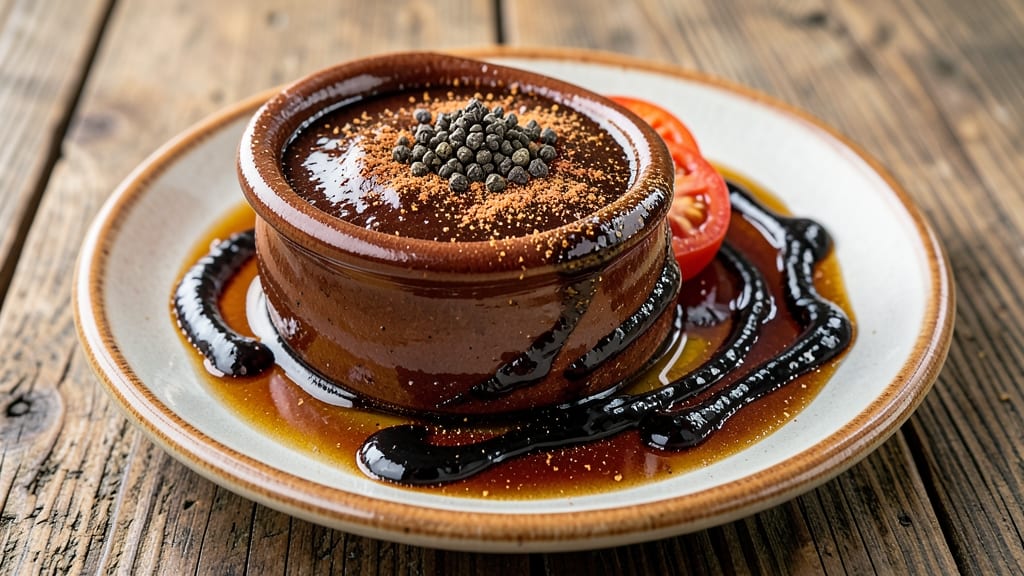
This barbecue sauce recipe without Worcestershire delivers restaurant-quality depth using just five core ingredients and a technique that transforms simple tomatoes into smoky, tangy perfection. 🔥 The secret lies in balancing apple cider vinegar with molasses for that signature sweet-tart profile, while a blend of spices creates layers of complexity without relying on umami-heavy ingredients.
I developed this after years of perfecting my pitmaster sauce—it's the one I reach for when I need bold flavor that stands up to anything from ribs to pulled pork.
The foundation starts with crushed tomatoes simmered until concentrated, then brightened with vinegar and sweetened just enough to caramelize naturally.
You won't find any shortcuts here—this sauce builds flavor through slow reduction, where the vinegar cuts through the richness while the spices (smoked paprika, mustard powder, garlic) develop their own depth. The result?
A sauce that's versatile enough for grilling, dipping, or basting, with a texture that's neither too thick nor too thin—just right for clinging to meat or soaking into fries.
What makes this recipe truly special is how it delivers professional-level flavor without relying on Worcestershire or complex techniques. The vinegar provides that signature tang while keeping the sauce bright, and the molasses adds just the right amount of caramelized sweetness.
You'll end up with a sauce that's smoky, slightly tangy, and perfectly balanced—one that transforms ordinary grilled meats into showstopping centerpieces. The best part? It keeps beautifully in the fridge for up to two weeks, ready to elevate your next cookout.
Whether you're smoking brisket, basting chicken, or serving as a dipping sauce, this recipe will become your new go-to. The instructions are straightforward, but the flavor development happens through patience—letting the sauce reduce and the spices meld.
Trust me, once you taste the difference between this homemade version and store-bought, you'll never go back to the bottle again.
Ingredients for barbecue sauce recipe without worcestershire
Five core ingredients transform simple tomatoes into restaurant-quality barbecue sauce without Worcestershire.
| Ingredient | Amount | Notes |
|---|---|---|
| Crushed Tomatoes 🍅 | 2 cups | San Marzano preferred for sweetness |
| Apple Cider Vinegar 🍎 | ½ cup | Bragg preferred for depth |
| Molasses 🍯 | ¼ cup | Unsulphured for richer flavor |
| Smoked Paprika 🌶️ | 2 tbsp | High-quality for smokiness |
| Mustard Powder 🌶️ | 1 tbsp | Yellow preferred for balance |
| Garlic Powder 🧄 | 1 tbsp | Freshly ground preferred |
| Onion Powder 🧅 | 1 tbsp | Diamond Crystal preferred |
| Brown Sugar 🍚 | ¼ cup | Light or dark works |
| Salt 🧂 | 1 ½ tsp | Kosher preferred, adjust to taste |
| Black Pepper 🌶️ | ½ tsp | Freshly ground preferred |
The crushed tomatoes are the foundation—San Marzano if you can find it, but any quality brand works. Bragg apple cider vinegar adds that signature tang without overpowering, and the molasses brings the caramelized sweetness that makes this sauce sing. Smoked paprika is non-negotiable here; Penzeys or bulk bins at natural food stores deliver the best quality. I always grab extra because once you taste the difference between good and great spices, you never go back. The garlic and onion powders work together to build that savory depth that Worcestershire would normally provide, but here we're using spices to create that umami punch naturally.
No molasses? Maple syrup at half the amount works in a pinch, though it won't caramelize the same way. Short on smoked paprika? Regular paprika plus a pinch of liquid smoke gets you close, but it's not quite the same. The brown sugar can be swapped for white sugar, though it won't add that molasses-like depth. If you're making a big batch, Trader Joe's sells concentrated tomato paste in tubes—just add water to make 2 cups. The vinegar is key for balancing the sweetness, so don't skip it. Trust me, the tang is what keeps this sauce from tasting too heavy.
This sauce keeps beautifully—2 weeks in the fridge in an airtight jar, or 6 months in the freezer
Why You'll Love This Recipe
- No Fuss, Big Payoff: I swear by this sauce because it’s that easy—just crushed tomatoes, vinegar, and a dash of molasses to tie it all together. No fancy techniques, no waiting for hours, and honestly? The smoky depth from that paprika makes it taste like you slaved over it.
- Sweet-Smoky Magic: That molasses is the secret weapon—it balances the tangy vinegar and gives it this deep, caramelized richness. Between us, it’s the kind of flavor that makes you want to slather it on everything, not just ribs.
- Weeknight Wonder: This sauce is my go-to for quick grilled chicken, baked beans, or even as a marinade. It’s versatile enough to handle weeknight dinners or a backyard BBQ without needing a last-minute grocery run.
- Pantry Staple Power: I make a big batch and keep it in the fridge—it lasts forever, costs next to nothing, and honestly? The leftovers always disappear faster than I can say “second helping.” Budget-friendly and always reliable.
Step-by-step instructions for smoky tomato barbecue sauce
This sauce builds depth through slow reduction—let's make something that clings like liquid smoke.
🍳 Step 1: Bloom the Smoked Paprika and Spices
Heat a medium saucepan over medium-low heat and add the 2 tbsp Smoked Paprika. Let it toast for 30 seconds until fragrant—you'll smell that deep, campfire aroma. This step unlocks the paprika's full smoky potential. Immediately add the 1 tbsp Mustard Powder, 1 tbsp Garlic Powder, and 1 tbsp Onion Powder, stirring constantly for another 20 seconds to prevent burning. The spices should smell earthy and complex, not acrid.
Here's the thing—if you skip this blooming step, you'll miss out on that toasty depth. I like to watch the spices dance in the pan before adding anything else. This is where the sauce's character starts to develop.
🍳 Step 2: Add Wet Ingredients and Simmer
Pour in the 2 cups Crushed Tomatoes, 0.5 cup Apple Cider Vinegar, and 0.25 cup Molasses. Stir vigorously to dissolve the brown sugar and distribute the spices evenly. Bring the mixture to a gentle boil over medium-high heat, then immediately reduce to medium-low heat. Let it simmer uncovered for 15 minutes—you'll see the sauce thicken noticeably and develop a glossy sheen.
I keep my spoon handy to stir occasionally, breaking up any tomato skins that rise to the surface. This simmering phase is where the vinegar's tang starts to mellow while the molasses adds that caramelized sweetness. Don't walk away—you want to monitor for any scorching at the edges.
🍳 Step 3: Sweeten and Season for Balance
After the initial simmer, add the 0.25 cup Brown Sugar, 1.5 tsp Salt, and 0.5 tsp Black Pepper. Stir well to incorporate, then return to a simmer for another 10 minutes. The sugar will help balance the acidity while adding body. Taste as you go—I usually add a pinch more salt at this stage because the vinegar can be sneaky about its saltiness.
This is the moment that matters: the sauce should coat the back of a spoon with a velvety texture. If it's still too thin, simmer uncovered for another 5 minutes. For extra depth, I sometimes add a splash of water or vinegar here to adjust consistency, but only if needed. The goal is that perfect balance of sweet, smoky, and tangy.
⏰ Step 4: Reduce to Velvety Thickness
Increase heat to medium-high and let the sauce reduce uncovered for 10-15 minutes, stirring occasionally. You're looking for a sauce that coats the back of a spoon and leaves a slight sheen when drizzled. The reduction should take about 10 minutes—if it's going too fast, reduce heat slightly to prevent burning.
Real talk: this is where most home cooks rush. Don't be tempted to speed it up. The slow reduction concentrates the flavors and creates that professional-grade consistency. When you reach the right thickness, the sauce should cling to the spoon like syrup but still flow freely. Let it cool slightly before tasting—it'll thicken more as it rests.
🍽️ Step 5: Strain and Store for Maximum Flavor
Transfer the sauce to a fine-mesh strainer set over a bowl. Let it strain for 5 minutes to remove any pulp or sediment. This step gives you that silky texture that store-bought sauces can't match. Press gently on the solids with a spoon to extract all the flavor without making the sauce watery.
For best results, let the sauce cool completely before storing. It'll keep in the refrigerator for up to 2 weeks or can be frozen for 3 months. The flavors actually improve with time as the ingredients meld together. When you're ready to use it, give it a quick stir and heat gently—it'll be even more concentrated and flavorful than when you first made it.
Pro Tips For Making Barbecue Sauce Recipe Without Worcestershire
- Simmer Slow and Steady: That first 10 minutes of cooking is where flavors meld—don’t rush it. Keep the heat at a gentle simmer, not a rolling boil, or you’ll end up with a thin, vinegary glaze instead of a thick, smoky sauce. I learned this the hard way when my sauce split into two separate layers.
- Strain the Molasses: Store-bought molasses often has sediment that turns your sauce gritty. Strain it through a fine-mesh sieve before adding it to the pot—no one wants to bite into tiny molasses rocks while eating ribs. Takes 30 seconds, saves you from texture issues later.
- Balance the Vinegar: Apple cider vinegar is strong—add it gradually, tasting as you go. Too much upfront, and your sauce will taste harsh and one-dimensional. I now add half the called-for amount first, then adjust to taste after simmering.
- Toast the Spices Dry: Bloom that smoked paprika and mustard powder in a dry pan for 30 seconds before mixing into the tomatoes. This deepens their flavor and cuts through the sweetness of the molasses. Skipping this step means your sauce will taste flat, no matter how long you simmer.
Storing and reheating this barbecue sauce recipe without worcestershire
Refrigerator Storage
Let your barbecue sauce cool completely before transferring to an airtight glass jar—I swear by Ball mason jars for their tight seals.
Store in the fridge at 40°F or below for up to 2 weeks, though I find the flavor actually deepens after 3-4 days as the spices meld. The glass preserves the sauce's rich color and prevents any off-flavors from plastic containers. 💛
Pro tip: Leave about 1 inch of headspace in the jar to account for any settling. The sauce will thicken further as it rests, so don't fill it to the brim.
When ready to use, give it a quick stir—sometimes the spices settle at the bottom, and you'll want that even distribution of smoky goodness.
Freezer Storage
For long-term storage, portion the sauce into freezer-safe glass jars or silicone ice cube trays (perfect for single-use portions). Freeze for up to 3 months—the texture remains stable, though it may thicken slightly.
I always label my jars with the date because, honestly, I lose track of time when I'm deep in a cooking project. 🏷️
When thawing, transfer the jar to the fridge 24 hours ahead for even thawing. For a quick fix, place the sealed jar in warm water for 10-15 minutes, then stir vigorously to restore the sauce's smooth consistency.
Avoid microwaving, as it can create hot spots and break down the sauce's delicate balance.
Reheating Methods
I always reheat my barbecue sauce gently on the stovetop—low heat is key to prevent scorching. Pour the desired amount into a small saucepan and warm over medium-low heat for 3-5 minutes, stirring occasionally.
Add 1-2 tablespoons of water if the sauce thickens too much during reheating. This method preserves the sauce's rich flavor and velvety texture. 🔥
For a quick fix, microwave the sauce in 30-second intervals, stirring between each, until heated through. Be careful not to overheat—just until it reaches 165°F internal temperature.
The sauce should remain glossy and smooth, not stringy or separated. If it does separate, stir in a splash of water or vinegar to restore its balance.
Reviving Thickened Sauce
If your sauce thickens too much after storage, don't panic—just add 1 tablespoon of water or apple cider vinegar at a time while stirring constantly. The vinegar helps cut through the thickness while maintaining that signature tang.
I've had this happen more times than I'd like to admit, especially after letting a batch sit too long in the fridge. 😅
For extra insurance, keep a small jar of Bragg apple cider vinegar in your fridge. A few drops can work wonders to restore the sauce's balance and prevent it from tasting too heavy.
The key is patience—let the sauce sit for 5 minutes after adding liquid to fully absorb before tasting again.
Nutrition facts
Frequently asked questions
What can I use instead of Worcestershire in barbecue sauce?
This recipe replaces Worcestershire with a powerful blend of apple cider vinegar (for tang), smoked paprika (for depth), and mustard powder (for umami). The vinegar brightens while the spices create that savory complexity. For extra umami, try adding a pinch of fish sauce or soy sauce—just ½ teaspoon makes a difference!
Can I make this sauce without molasses?
Yes! Swap the ¼ cup molasses for ¼ cup maple syrup or 3 tablespoons honey, though molasses gives that signature caramelized depth. If you prefer a lighter sweetness, reduce to 2 tablespoons of either substitute. The sauce will still taste delicious but with a slightly different flavor profile.
How do I adjust the thickness of my barbecue sauce?
If your sauce is too thin, simmer uncovered for another 5-10 minutes to reduce. For a thicker sauce, add 1 tablespoon of tomato paste or 1 teaspoon cornstarch mixed with water. Stir constantly to prevent clumping. The ideal consistency coats the back of a spoon but remains pourable.
Is this sauce suitable for vegetarians?
This recipe is naturally vegetarian—just ensure your smoked paprika and mustard powder are certified vegan if needed. The sauce works perfectly on grilled veggies, tofu, or as a dip for veggie platters. For extra richness, add 1 tablespoon nutritional yeast to deepen the umami flavor.
Why did my sauce turn out too tangy?
Too much vinegar is the usual culprit. Balance it by adding 1-2 tablespoons of brown sugar or honey while reheating. If the tang persists, a splash of tomato juice can help dilute the acidity without thinning the sauce too much. Always taste as you go—adjust gradually!