
Sauces & Condiments
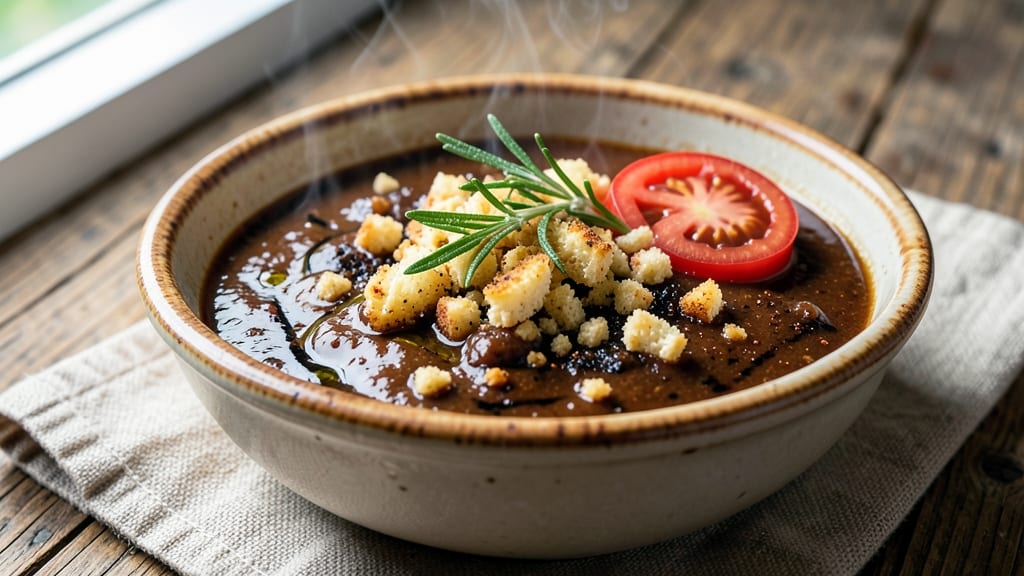
This barbeque sauce recipe no ketchup delivers the bold, smoky-sweet heat you crave—without the ketchup aftertaste. The secret lies in a balance of tomato paste, apple cider vinegar, and molasses, simmered with aromatic spices until thick and rich.
I developed this version after years of tasting commercial sauces that relied too heavily on sweetness or artificial flavors, and this one stands out with its deep, complex profile that works equally well on ribs, grilled chicken, or even baked beans.
The foundation starts with tomato paste and vinegar, which create that signature tangy backbone without ketchup’s one-note sweetness. Molasses adds a molten caramel depth, while smoked paprika and garlic powder infuse the sauce with authentic smokiness—no liquid smoke needed.
The sauce thickens beautifully as it simmers, developing layers of flavor that only improve over time. Unlike many recipes, this one avoids sugar overload, relying instead on natural sweetness from the tomatoes and molasses to balance the heat.
What makes this sauce truly special is its versatility and longevity. Once you taste the way the vinegar brightens the smoky notes and the spices meld together, you’ll never go back to store-bought.
The recipe yields enough to stock your freezer for months, and it reheats perfectly—whether you’re basting ribs or tossing with grilled vegetables. The texture is smooth yet slightly glossy, clinging to food without being cloying, and the flavor only deepens as it sits.
Ready in just 30 minutes with minimal effort, this sauce transforms ordinary grilled meats into restaurant-worthy centerpieces. The best part? No ketchup means no artificial colors or preservatives—just real, bold flavor that stands up to any barbecue. Let’s get simmering!
Ingredients for barbeque sauce recipe no ketchup
Eleven bold ingredients transform into restaurant-worthy barbecue sauce without ketchup’s artificial aftertaste.
| Ingredient | Amount | Notes |
|---|---|---|
| Tomato Paste 🍅 | ½ cup | San Marzano preferred for sweetness |
| Apple Cider Vinegar 🍏 | ½ cup | Raw, unfiltered for depth |
| Molasses 🍯 | ¼ cup | Unsulphured for rich flavor |
| Smoked Paprika 🌶️ | 2 tbsp | Spanish or Hungarian preferred |
| Garlic Powder 🧄 | 1 tbsp | Freshly ground preferred |
| Onion Powder 🧅 | 1 tbsp | No added MSG |
| Brown Sugar 🍚 | ¼ cup | Light or dark works |
| Black Pepper 🌶️ | ½ tsp | Freshly cracked for heat |
| Ground Cumin 🌿 | ½ tsp | Toasted for depth |
| Salt 🧂 | 1 tsp | Diamond Crystal preferred |
| Water 💧 | ½ cup | Filtered preferred |
The tomato paste is where it all begins—San Marzano has that perfect balance of sweetness and acidity that commercial sauces lack. Grab the 26-ounce can from Trader Joe's or Whole Foods for the best quality. Apple cider vinegar isn’t just for tang; the raw, unfiltered kind from Bragg adds complexity that white vinegar can’t match. Molasses might seem like a small player, but that unsulphured version from Mollie Katzen adds a caramel depth that’s absolutely essential. Pro tip: if you can’t find unsulphured, use regular molasses but reduce by 10%—sulphur can mute the smoky notes we’re building here.
No smoked paprika? Substitute half the amount with regular paprika plus a pinch of cayenne for heat, but you’ll lose that authentic campfire aroma. The garlic and onion powders are non-negotiable for that dry-rub depth—Penzeys has the best blends if you want to splurge. Brown sugar here isn’t just for sweetness; it helps caramelize during simmering. Want to cut sugar entirely? Swap the brown sugar for 1 tbsp maple syrup (though the texture will be slightly thinner). The water is just to thin as needed—filtered water prevents any off-flavors, but tap works in a pinch. For the spices, toast your cumin seeds in a dry pan for 30 seconds before grinding—game changer for depth.
This sauce thickens as it cools, so don’t over-simmer or it’ll turn gluey. Store in a glass jar in the fridge for up to 3 weeks, or freeze in ice cube trays for perfect single-use portions. The flavor actually improves after 2-3 days—the vinegar and spices meld beautifully. For reheating, low heat only—high heat burns the molasses. I always make double batches because this disappears faster than you’d think, especially when you discover how versatile it is on everything from grilled veggies to deviled eggs.
Why You'll Love This Recipe
- Pantry Magic: I swear by this—no fresh ingredients, no last-minute grocery runs. Just open the cabinet, grab those five staples, and you’re golden. That molasses? It’s the secret weapon that turns a basic sauce into something rich and complex without extra effort.
- Smoky-Sweet Obsession: The smoked paprika and apple cider vinegar give it that deep, tangy kick—like a campfire in a jar. Honestly, the first time I tasted it, I almost burned the grill waiting to use it.
- Weeknight to BBQ Hero: Slather it on chicken thighs for a weeknight dinner that feels like a cookout. Or drizzle it over baked beans for a crowd-pleaser that takes zero thought. My kids ask for it more than pizza, and that’s saying something.
- Leftovers That Don’t Suck: This sauce actually improves after a day in the fridge—thicker, deeper, and ready to transform whatever you’re cooking. I make a double batch every time because I’ll always have it on hand, and it won’t break the bank.
Step-by-step instructions for bold smoky-sweet barbeque sauce
This sauce delivers deep smoky flavor without ketchup—just rich, balanced heat that clings perfectly to grilled meats.
Bloom the Spices in Tomato Paste
Heat a medium saucepan over medium-low heat and add the 0.5 cup tomato paste. Stir constantly for 3-4 minutes until it darkens slightly and releases its raw aroma. This step develops the sauce's foundation—don't rush it, or the flavors won't meld properly.
Next, whisk in the 2 tablespoons smoked paprika, 1 tablespoon garlic powder, 1 tablespoon onion powder, 0.5 teaspoon ground cumin, and 0.5 teaspoon black pepper. Let the spices bloom for 1-2 minutes—you'll see the mixture darken further and smell earthy with a hint of smoke. This is where the sauce gets its complex depth.
Add Sweetness and Acid Balance
Pour in the 0.5 cup apple cider vinegar and 0.25 cup molasses, stirring vigorously to combine. The vinegar will create a slight fizz as it reacts with the hot paste—this is normal. Add the 0.25 cup brown sugar and 1 teaspoon salt, stirring until fully dissolved. Taste the mixture now—it should be tangy, sweet, and smoky with a subtle kick.
If you want to adjust the balance, add a pinch more salt for depth or a splash of vinegar for extra tang. The molasses and brown sugar should create a rich, syrupy consistency, but if it's too thick, we'll fix that next.
Simmer and Thicken the Sauce
Pour in the 0.5 cup water and bring the mixture to a gentle simmer over medium heat. Let it cook uncovered for 15-20 minutes, stirring occasionally, until it thickens to a glossy, coatable consistency. You're looking for a sauce that clings to the back of a spoon—it should be smooth but still pourable, not glue-like.
Taste again as it thickens. The flavors should now be harmonized: smoky from the paprika, sweet from the molasses and sugar, tangy from the vinegar, and warm from the spices. If it's still too thin, simmer uncovered for another 5 minutes to reduce further.
Rest and Adjust for Perfection
Remove the sauce from heat and let it cool for 10 minutes—this resting period allows the flavors to fully meld. Taste again and make any final adjustments: a pinch of salt for balance, a splash of vinegar for brightness, or a drizzle of molasses for extra sweetness.
Once cooled, transfer the sauce to a clean jar. It will thicken even more as it sits, so if you plan to use it immediately, give it a quick stir before serving. This sauce keeps well in the refrigerator for up to 2 weeks and freezes beautifully for 3 months, making it perfect for batch cooking.
Pro Tips For Making Barbeque Sauce Recipe No Ketchup
- Simmer Slow and Low: I used to rush this sauce, thinking it’d thicken faster on high heat—wrong. After burning the tomato paste twice, I learned: keep it at a steady simmer (medium-low) for at least 20 minutes. The molasses and vinegar need time to meld, not just bubble aggressively.
- Bloom the Spices First: Skip the urge to toss everything in at once. Toast your smoked paprika and garlic powder in the dry pan for 30 seconds until fragrant—it deepens the flavor. Then whisk in the tomato paste before adding liquids. (Yes, even if you’re impatient like me.)
- Control the Molasses: Too much molasses turns your sauce cloyingly sweet. Start with 1 tablespoon per cup of liquid, then adjust. Taste as you go—if it’s still tart, add a pinch more. (I’ve made this mistake; trust the process.)
- Deglaze with Vinegar: After cooking the spices, immediately pour in the apple cider vinegar while the pan’s still hot. This lifts all the caramelized bits stuck to the bottom—no scrubbing required. (Does it look weird? Yes. Does it work? Every single time.)
Perfect pairings for these flavors
Smoky Grilled Meats
This sauce transforms pulled pork into a masterpiece—its smoky depth and tangy brightness cut through the rich, fatty meat beautifully. I love brushing it on pork shoulder during the last 30 minutes of smoking at 225°F for that perfect caramelized crust.
For ribs, apply a thin layer after the 3-2-1 method (3 hours wrapped, 2 hours unwrapped, 1 hour sauce) to avoid burning. The vinegar in the sauce tenderizes the meat slightly as it cooks, making every bite more succulent. 🔥
Grilled Chicken
Marinate chicken thighs in this sauce for 4-6 hours before grilling—they’ll develop a sticky, glossy glaze that caramelizes into a crust. I grill them over indirect heat at 325°F for 45 minutes, basting with extra sauce every 10 minutes.
The molasses and brown sugar create a beautiful caramelized bark, while the vinegar keeps the meat juicy. For chicken wings, toss them in the sauce after baking at 400°F for 25 minutes—they’ll be sticky, smoky, and irresistibly crispy. 🍗
Vegetarian Options
This sauce isn’t just for meat—it elevates grilled portobello mushrooms and eggplant like magic. Brush thick slices of eggplant with sauce and grill for 8-10 minutes per side until tender. The smoky notes complement the earthy flavors perfectly.
For tofu, marinate firm tofu in the sauce for 30 minutes before grilling—it adds a sweet-savory crust that holds up beautifully. Even roasted Brussels sprouts get a flavor boost when tossed with a little sauce and roasted at 425°F for 15 minutes. 🌱
Breakfast Applications
Yes, barbecue sauce belongs at breakfast! Drizzle it over scrambled eggs or fried chicken for a smoky twist. I love adding it to homemade pancakes—just mix 2 tablespoons into the batter for a sweet-savory surprise.
For deviled eggs, fold 1 teaspoon into the yolk mixture for a tangy kick. The vinegar brightens the richness of eggs, while the smoky paprika adds depth that traditional breakfast flavors lack. 🍳
Baked Beans
Swap store-bought sauce for this homemade version in baked beans—the results are next-level. Simmer 1 can of navy beans with ½ cup of this sauce, ½ cup tomato sauce, and 1 cup bacon for 1 hour at 350°F.
The molasses and vinegar create a perfect balance of sweet and tangy, while the smoky notes make every bite more complex. Serve with cornbread for a soul-warming meal. 🍲
Dipping Sauce
Use this sauce as a dipping sauce for fried green tomatoes, onion rings, or mozzarella sticks. The tangy-sweet profile cuts through the richness of fried foods beautifully.
For extra indulgence, mix 1 tablespoon with 2 tablespoons sour cream to create a creamy dip that’s perfect for game day. The smoky depth also pairs surprisingly well with fish tacos—just brush it lightly on grilled white fish before serving. 🍔
Nutrition facts
Frequently asked questions
Why replace ketchup in barbecue sauce?
Ketchup often adds artificial colors and a one-dimensional sweetness that can overpower other flavors. This recipe uses tomato paste, vinegar, and molasses instead to create a richer, more complex profile with natural depth. The vinegar adds brightness while the molasses provides caramel notes without artificial ingredients.
Can I make this sauce spicier?
Add ½ teaspoon cayenne pepper or 1 teaspoon hot sauce during the simmering step. For extra heat, try ½ teaspoon crushed red pepper flakes when blooming the spices. Start with small amounts—you can always adjust later.
How do I adjust the thickness?
If the sauce is too thick after simmering, whisk in 1 tablespoon water at a time until it reaches a glossy, coatable consistency. For extra thickness, simmer uncovered for 5 more minutes to reduce. The sauce will thicken further as it cools—this is normal!
What's the best way to store leftover sauce?
Transfer to a clean glass jar and refrigerate for up to 2 weeks. For longer storage, freeze in ice cube trays or small containers for 3 months. Thaw in the fridge overnight before using. The flavor actually improves over time as the spices meld!
Can I use this sauce on non-meat dishes?
Yes! This sauce works beautifully on grilled vegetables, tofu, or even as a dipping sauce for fries. The smoky-sweet balance complements earthy flavors like eggplant or mushrooms perfectly. Just reduce the amount by half for delicate dishes.