
Sauces & Condiments
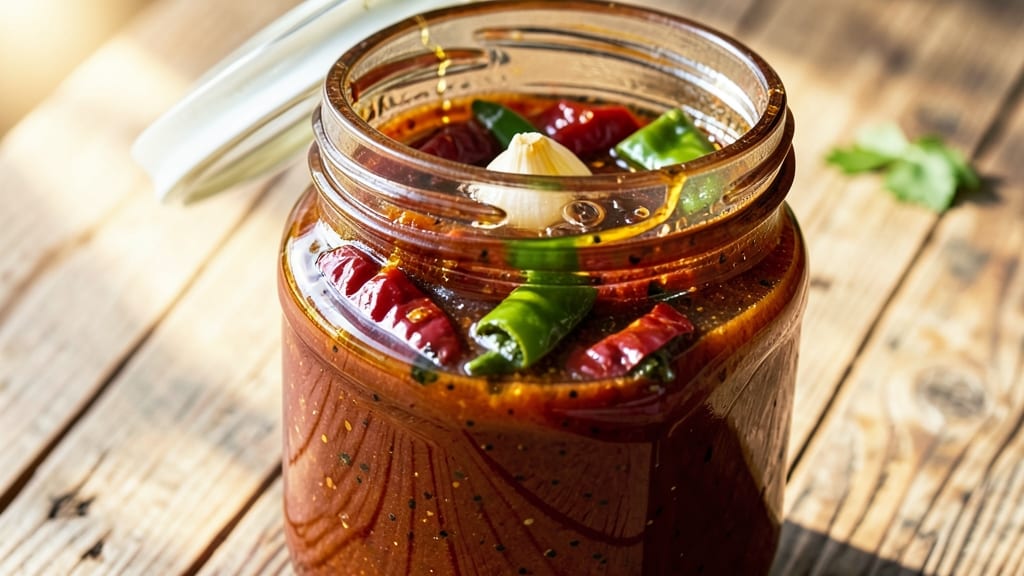
Barberton hot sauce recipe delivers a bold Cajun kick that transforms any dish into a flavor explosion. This tangy, fiery sauce starts with white vinegar as its backbone, creating that signature sharpness that cuts through rich dishes. The secret lies in balancing heat from cayenne peppers with sweet bell peppers and aromatic spices, resulting in a sauce that's complex yet approachable for home cooks.
What sets this recipe apart is the slow simmering process that develops deep, layered flavors without overpowering heat. You'll work with fresh peppers, garlic, and onions that build a flavor base before adding the vinegar and spices.
The result is a sauce that's versatile enough for shrimp, chicken, or even drizzling over popcorn but bold enough to stand up to hearty Cajun dishes.
By the time you're done, you'll have a vibrant red sauce with perfect heat balance—spicy enough to wake up your taste buds but with enough complexity to complement rather than overpower. The texture is smooth yet retains just enough body to cling beautifully to food.
This is the kind of hot sauce that makes you want to make a big batch and share it with everyone.
Storage is simple: keep in airtight containers in the refrigerator for up to 3 months, where the flavors will continue to develop and deepen. The sauce's versatility means it's perfect for meal prep—just add a splash to your favorite recipes whenever you need that Cajun kick.
Let's get started on making this flavorful condiment that will elevate your cooking.
Ingredients for barberton hot sauce
Nine bold ingredients create this vibrant Cajun hot sauce with perfect heat balance.
| Ingredient | Amount | Notes |
|---|---|---|
| White Vinegar 💧 | 2 cups | Distilled for best flavor |
| Fresh Red Bell Peppers 🍅 | 2 whole | Seeds and stems removed |
| Fresh Green Bell Peppers 🍅 | 1 whole | Seeds and stems removed |
| Fresh Cayenne Peppers 🌶️ | 4 whole | Adjust for desired heat level |
| Yellow Onion 🧅 | 1 whole | Medium-sized, chopped |
| Garlic Cloves 🧄 | 4 cloves | Freshly minced |
| Cayenne Pepper Powder 🌶️ | 1 tbsp | For extra heat boost |
| Ground Black Pepper 🌶️ | ½ tsp | Freshly ground preferred |
| Salt 🧂 | 1 ½ tsp | Kosher or sea salt |
| Garlic Powder 🧄 | ½ tsp | For extra aromatic depth |
The vinegar is the backbone—white vinegar gives that signature tang, but apple cider vinegar works too if you prefer a milder bite. For the peppers, farmers markets usually have the freshest bell peppers, but grocery store ones work fine. The cayenne peppers are where the heat comes from—start with 4 whole peppers, but adjust based on your spice tolerance. Trader Joe's often carries pre-seeded cayenne peppers if you want to skip the deseeding process. The onion and garlic should be fresh—yellow onions add sweetness, while garlic brings that aromatic depth that ties everything together.
No fresh cayenne peppers? Red pepper flakes at double the amount will give you similar heat. Short on bell peppers? Roasted red peppers from a jar work in a pinch, but they'll change the texture slightly. The garlic powder and cayenne powder are just insurance for extra flavor—don't skip them, but if you're feeling adventurous, smoked paprika adds a nice twist. For the vinegar, if you're not a fan of the sharpness, rice vinegar mellows it out a bit while keeping that tangy profile. And if you're worried about the sauce being too thin, simmer it longer—the flavors concentrate as it reduces.
This sauce keeps beautifully—3 months in the fridge with flavors deepening over time. Store it in a clean glass jar with a tight-sealing lid. I like to make a big batch and give some away because it disappears fast. Freezing works too if you're not going to use it all within a month—just leave some headspace in the container. The sauce thickens as it cools, so if it seems too thick right after making, just stir in a splash of vinegar. Trust me, it'll be perfect the next day.
Why You'll Love This Recipe
- No Chopping Nightmare: I’ll be real—this sauce starts with just raw peppers and an onion. But here’s the magic: you toss them whole into boiling vinegar, let them simmer, then strain. No dicing, no mincing, no mess. The peppers soften perfectly, and the cayenne’s heat infuses the vinegar like a steeping tea.
- Sweet Heat Balance: That onion and bell pepper combo gives it a surprising depth—slightly sweet, tangy, with a slow-building burn from the cayenne. It’s not just spicy; it’s layered. Drizzle it on eggs, and suddenly breakfast feels like a flavor adventure. (Yes, even on a Tuesday.)
- Pantry Staple Power: Honestly, you’re using ingredients you already have. Vinegar, peppers, onion—no weird imports or specialty jars. The sauce keeps for months in a jar, so you’ll always have it on hand. I’ve used it to wake up bland takeout, dress up sandwiches, and even deglaze pans for a quick stir-fry.
- Leftovers That Pay Off: First batch? You’ll make too much. Second batch? You’ll be grateful. This sauce doesn’t spoil—it improves with time. Freeze extras in ice cube trays for single-serving heat boosts later. And because it’s vinegar-based, it’s cheap to make in bulk. My wallet and my taste buds win.
Step-by-step instructions for bold Cajun hot sauce
Here's how to craft this fiery Louisiana classic with perfect balance and depth.
Sterilize Your Equipment and Prepare Ingredients
Start by sterilizing your mason jars and lids in boiling water for 5 minutes. This prevents contamination and ensures your hot sauce stays fresh longer. While they sterilize, remove the seeds and stems from all the peppers—this cuts the heat while keeping the flavor. I like to wear gloves when handling cayenne peppers; they're potent and can irritate skin.
Finely chop the 2 whole fresh red bell peppers, 1 whole fresh green bell pepper, and 1 whole yellow onion into small pieces—about ¼-inch dice. For the 4 whole fresh cayenne peppers, I remove the seeds and membranes first to control the heat level. Adjust based on your tolerance: keep seeds for extra spice, remove them for milder heat.
Cook the Vegetable Base
In a medium saucepan, combine the chopped vegetables with the 2 cups white vinegar. Bring to a boil over medium-high heat, then reduce to a simmer. Let it cook uncovered for 15-20 minutes until the vegetables are completely tender and the mixture reduces by about ⅓. Stir occasionally to prevent sticking—this is where the flavors meld together.
Here's the thing—don't rush this step. The longer the vegetables simmer, the deeper the flavor. You'll know it's ready when the mixture looks thickened and the raw taste disappears. If it reduces too quickly, just add a splash of water to keep it moving.
Add Aromatics and Seasonings
Once the vegetables are tender, add the 4 cloves minced garlic, 1 tablespoon cayenne pepper powder, ½ teaspoon ground black pepper, 1½ teaspoons salt, and ½ teaspoon garlic powder. Stir well to combine. Let the mixture simmer for another 5 minutes to allow the spices to bloom and infuse fully.
Taste the mixture now—it should be tangy, spicy, and slightly sweet from the bell peppers. If it needs more heat, add a pinch more cayenne pepper powder. If it's too mild, you can always adjust later when bottling. The key is balancing the vinegar's sharpness with the sweetness of the bell peppers and the kick from the cayenne.
Blend Until Smooth
Let the mixture cool slightly, then transfer it to a blender or food processor. Blend until completely smooth, scraping down the sides as needed. This step is crucial for achieving that signature Barberton hot sauce texture—creamy and velvety. If your blend isn't smooth, strain it through a fine-mesh sieve to remove any remaining chunks.
I like to taste the sauce again at this stage. The blending process concentrates the flavors, so you might need to adjust the seasoning. If it's too thin, simmer it uncovered for another 5-10 minutes to thicken it up. The sauce should coat the back of a spoon but still be pourable.
Bottle and Store Properly
Ladle the hot sauce into your sterilized jars, leaving about ½-inch headspace at the top. Seal the lids tightly and let the jars cool completely at room temperature. This prevents condensation, which can cause mold. Once cooled, store the jars in a cool, dark place for at least 2 weeks before using—this aging process deepens the flavors.
Your hot sauce will keep for up to 1 year in the refrigerator. The longer it ages, the more complex the flavors become. Start with small batches—this sauce is addictive, and you'll want to make more. Serve it on burgers, fries, or just drizzle it over eggs for a bold Cajun kick!
Pro Tips For Making Barberton Hot Sauce
- BLISTER PEPPERS FIRST: Toss whole bell peppers and cayennes in a dry skillet over high heat before adding vinegar—this breaks down their skins better than boiling. I used to chop them raw, but charring them first makes the sauce smoother and deeper, even if it looks messy.
- PEEL CAYENNES CAREFULLY: Cayenne peppers burn easy—strip their stems and seeds under running water while wearing gloves, then rinse the pepper flesh to remove excess capsaicin. Skipping this step means a harsh, bitter bite instead of clean heat.
- SIMMER LOW AND LONG: Reduce heat after adding vinegar and let it bubble gently for 20-30 minutes, not a fast boil. I learned this after my first batch turned cloudy and weak—patience here makes the flavors meld instead of just cooking off.
- ONIONS FIRST, NOT LAST: Sauté finely diced onion in oil until translucent before adding peppers—this builds sweetness that balances the acid. I used to add it raw, and the sauce always tasted flat until I changed the order.
Common mistakes when making your barberton hot sauce
Overcooking the Base
One of the biggest mistakes is letting the vegetable base simmer too long before adding spices. When you cook the bell peppers and onion beyond 20 minutes, they start losing sweetness and develop a bitter, cooked-on flavor that ruins the balance.
I’ve burned batches where the sauce tasted like vinegar and ash—definitely not the tangy-sweet profile you want. Keep an eye on the reduction—it should thicken but not darken. 🌶️
Skipping Sterilization
Using non-sterilized jars or utensils is a fast track to mold and spoilage. Even if you’re not canning for long-term storage, sterilizing your equipment for 5 minutes in boiling water prevents contamination.
I learned this the hard way when a batch of my hot sauce grew fuzzy after just 2 weeks—sterilization is non-negotiable, especially with vinegar’s acidic environment. 💧
Ignoring Heat Balance
Adding all the cayenne peppers at once can make your sauce unbearably hot. Instead, taste as you go—start with 2 whole cayenne peppers and adjust gradually. I’ve had batches so fiery they could strip paint, but the key is balancing the heat with the sweet bell peppers and vinegar’s tang.
If it’s too mild, add cayenne powder later; if it’s too hot, stir in a splash of vinegar to dilute. 🔥
Rushing the Aging Process
Hot sauce needs time to develop depth—don’t expect restaurant-quality flavor after 24 hours. Let it sit for at least 2 weeks in a cool, dark place before using. The flavors meld and intensify over time, much like wine.
I once opened a jar too soon and was disappointed by the flat taste. Patience pays off with a richer, more complex sauce. ✨
Using Low-Quality Vinegar
Cheap vinegar can make your hot sauce taste harsh or chemical-like. Stick with distilled white vinegar for the cleanest tang, or apple cider vinegar for a slightly sweeter profile.
I’ve tried generic brands, and they lack the bright acidity that cuts through the heat. Invest in a good vinegar—it’s the backbone of your sauce. 💡
Not Adjusting Seasoning
Taste your sauce at every stage—after simmering, blending, and even after bottling. Salt and cayenne powder can always be added, but you can’t take them out. I’ve had batches where the vinegar overpowered the flavors, so I’d add a pinch of sugar or more bell peppers to balance it.
Trust your taste buds—they’re your best tool for perfecting the recipe. 🧂
Nutrition facts
Frequently asked questions
Can I substitute apple cider vinegar for white vinegar?
Yes, you can use apple cider vinegar, but it will give your sauce a slightly sweeter, milder tang. For a closer match to classic Barberton-style heat, stick with white vinegar, but apple cider works well if you prefer a smoother finish. Just reduce the cayenne slightly since the sweetness can balance the spice.
How do I adjust the heat level if my sauce is too mild?
Add cayenne pepper powder gradually—start with ½ teaspoon at a time and taste between additions. For extra kick, blend in a few drops of hot sauce (like Tabasco) or finely chopped fresh cayenne peppers. Never add seeds from store-bought cayenne powder, as they can be inconsistent in heat.
Why does my homemade hot sauce look cloudy after blending?
Cloudiness usually means unstrained bits or uncooked pepper seeds remain. Strain through a fine-mesh sieve or cheesecloth before bottling. If it's still cloudy after straining, simmer the sauce uncovered for 5-10 minutes to evaporate excess moisture and clarify the texture.
Can I make this sauce without fresh cayenne peppers?
Use 1-2 tablespoons red pepper flakes or 1 teaspoon cayenne powder instead. For best results, toast the red pepper flakes in a dry pan for 1 minute to deepen their flavor before adding. This substitution works well but may slightly alter the sauce's texture.
How do I use Barberton hot sauce in cooking?
This versatile sauce elevates everything! Drizzle over grilled shrimp, mix into Cajun remoulade, or stir into blackened catfish batter. For extra boldness, reduce the sauce by half before using—simmer in a saucepan until thickened. Even a splash in deviled eggs adds a fiery kick!