
Sauces & Condiments
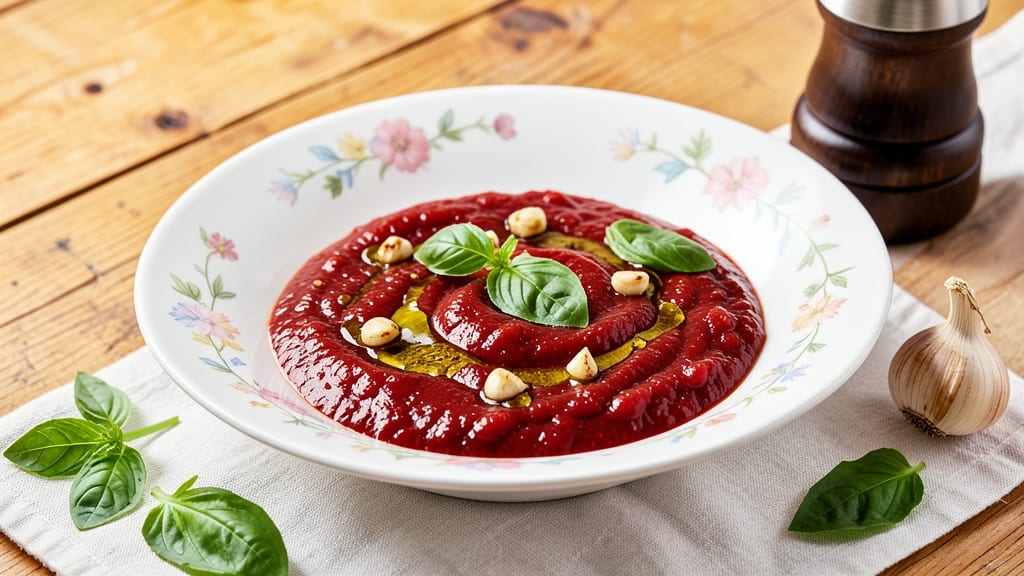
This Barefoot Contessa pasta sauce recipe transforms simple ingredients into a velvety, restaurant-worthy sauce with a secret tang that elevates every bite. 💛 The key lies in balancing rich tomatoes with just the right amount of vinegar—a technique Ina Garten perfected to create depth without overpowering the natural sweetness.
What makes this sauce special is its simplicity: no fancy techniques, just a few pantry staples and patience to let the flavors meld.
The process begins with sautéing aromatics until fragrant, then simmering crushed tomatoes with garlic, herbs, and a splash of vinegar to brighten the sauce. The result?
A smooth, velvety texture with just enough acidity to cut through the richness, making it versatile enough for spaghetti, linguine, or even as a marinade. This isn’t just a sauce—it’s the foundation of a perfect Italian meal, built on classic methods with a modern twist.
By the time you twirl that first forkful, you’ll taste the difference: no grainy texture, no overwhelming acidity, just a rich, balanced sauce that clings to every strand of pasta. The vinegar zing is subtle but transformative, turning a simple weeknight dinner into something that feels like a home-cooked masterpiece.
Serve it with fresh basil, grated parmesan, or crusty bread to complete the experience.
This recipe is designed to be foolproof yet impressive, perfect for both beginners and seasoned cooks. The steps are straightforward, but the result is anything but basic—proof that great food doesn’t require complicated techniques, just intention and a few well-chosen ingredients. Let’s get cooking!
Ingredients for barefoot contessa pasta sauce
Simple pantry staples meet fresh aromatics for a sauce that tastes like a restaurant secret.
| Ingredient | Amount | Notes |
|---|---|---|
| Extra-Virgin Olive Oil 🫒 | ⅓ cup | High-quality, fruity variety preferred |
| Yellow Onion 🧅 | 1 whole | Finely diced, about 1.5 cups |
| Garlic Cloves 🧄 | 4 cloves | Minced, not pre-minced jarred |
| Canned San Marzano Tomatoes 🍅 | 28 oz | Crushed or whole, no salt added |
| White Wine Vinegar 🍶 | 2 tbsp | White or apple cider vinegar |
| Fresh Basil Leaves 🌿 | ½ cup | Packed, stems removed |
| Fresh Oregano Leaves 🍃 | ¼ cup | Packed, stems removed |
| Diamond Crystal Kosher Salt 🧂 | ½ tsp | Adjust to taste |
| Freshly Ground Black Pepper 🌶️ | ¼ tsp | Freshly cracked preferred |
| Granulated Sugar 🍚 | 1 tsp | Balances acidity |
| Red Pepper Flakes 🌶️ | ¼ tsp | Optional, for heat |
| Parmesan Cheese 🧀 | ¼ cup | Freshly grated from block |
| Heavy Cream 🥛 | ¼ cup | For velvety texture |
The tomatoes are the foundation, and San Marzano makes all the difference—they're sweeter, smoother, and less acidic than standard canned tomatoes. Grab a 28-ounce can (about 35 oz total weight) and crush them by hand for the best texture. If you can't find San Marzano, Mueller's or Cento are solid alternatives. The vinegar is non-negotiable here—it's what creates that subtle tang that elevates the sauce. White wine vinegar is traditional, but apple cider works beautifully too. For the aromatics, fresh garlic and onions are a must—they build the flavor base that makes this sauce sing.
No fresh basil? Dried oregano at half the amount works in a pinch, though it won't have the same bright flavor. Short on heavy cream? Whole milk or coconut cream can substitute, though the texture will be slightly lighter. The sugar is crucial—it balances the vinegar's acidity without making the sauce sweet. If you're sensitive to heat, skip the red pepper flakes entirely. For the Parmesan, grate it yourself—pre-grated cheese contains anti-caking agents that make the sauce grainy. And if you're using a nonstick pan, add a splash of water to prevent sticking when sautéing the onions and garlic.
This sauce tastes even better the next day as the flavors meld. Store it in an airtight container in the fridge for up to 5 days, or freeze portions for 3 months. I like to make a double batch—one for dinner and one to freeze for lazy nights. The sauce thickens as it cools, so add a splash of water or broth if it's too thick when reheating. For serving, a sprinkle of freshly grated Parmesan and a few torn basil leaves takes it from good to extraordinary.
Why You'll Love This Recipe
- No Chopping Struggle: I swear by this sauce because it’s the kind of recipe that lets you skip the onion tears and garlic drama. One onion and a few cloves—minimal prep, maximum flavor. Honestly, I’ve made this on days when I couldn’t even be bothered to wash my hands properly.
- San Marzano Magic: That sweet, meaty San Marzano tomato? It’s the star here. The vinegar brightens it up just enough to make every spoonful sing—like a little burst of sunshine in your mouth. (Yes, even on a Tuesday night.)
- Leftovers That Beg: This sauce tastes better the next day, which means I’m always making double batches. Freeze half for when you’re too tired to cook, or reheat it for a lazy lunch. It’s my secret weapon for busy weeks.
- Dinner Party Ready: Fancy enough for guests but unfussy enough for weeknights. The wine vinegar adds a sophistication that makes it feel special, while the olive oil keeps it rich and satisfying. I’ve served it at both family dinners and date nights—no one ever questions the ingredients.
Step-by-step instructions for Barefoot Contessa pasta sauce
Here's the method that delivers that signature velvety texture with bright acidity—no secret ingredients, just precise technique.
🍳 Step 1: Sauté Onions and Garlic Until Translucent
Heat the 0.33 cup extra-virgin olive oil in a large, heavy-bottomed saucepan over medium-low heat. Add the finely diced yellow onion and cook for 8-10 minutes, stirring occasionally, until completely soft and translucent. The onions should release their moisture and begin to caramelize slightly at the edges.
Push the onions to one side of the pan and add the 4 minced garlic cloves. Cook for 30 seconds until fragrant—don't let the garlic brown or it'll turn bitter. Here's the thing: low and slow is key. If your onions start to color too quickly, reduce the heat slightly. You're building flavor, not burning it.
🍳 Step 2: Build the Tomato Base with Vinegar Zing
Add the 28 oz canned San Marzano tomatoes (crushed or whole) to the pan, along with the 2 tbsp white wine vinegar, 0.5 tsp Diamond Crystal kosher salt, 0.25 tsp freshly ground black pepper, and 1 tsp granulated sugar. Stir well to combine, then bring to a gentle simmer over medium heat.
Let it cook uncovered for 15-20 minutes, stirring occasionally. You're looking for the mixture to reduce slightly and develop a rich, concentrated tomato flavor. The vinegar will brighten the acidity, cutting through the natural sweetness of the tomatoes. If the sauce gets too thick, add 1-2 tablespoons of water to maintain the right consistency.
🥘 Step 3: Incorporate Herbs and Red Pepper Flakes
Once the tomato mixture has thickened and developed depth, stir in the 0.5 cup fresh basil leaves and 0.25 cup fresh oregano leaves. Add the 0.25 tsp red pepper flakes if using. Let the sauce simmer for another 5-7 minutes—this allows the herbs to infuse their aromatic oils into the sauce without becoming bitter.
Taste the sauce at this stage. It should be balanced—sweet from the tomatoes, bright from the vinegar, and herbaceous from the fresh basil and oregano. If it needs more salt, add it now. The herbs will soften and blend into the sauce, creating that signature Barefoot Contessa flavor profile. Don't skip this tasting—it's where you catch any imbalances before they become permanent.
🍳 Step 4: Finish with Cream and Parmesan
Reduce the heat to low and stir in the 0.25 cup heavy cream and 0.25 cup freshly grated Parmesan cheese. Let the sauce simmer gently for 3-5 minutes until it reaches a luxurious, velvety consistency. The cream will add richness while the Parmesan contributes umami depth and helps emulsify the sauce.
Here's where it gets smooth: use an immersion blender to blend the sauce directly in the pan for 10-15 seconds until completely silky. If you don't have an immersion blender, carefully transfer the sauce to a countertop blender and blend until smooth, then return it to the pan. The result should be a glossy, velvety sauce with no visible chunks—this is what makes it special.
⏰ Step 5: Rest and Serve
Remove the sauce from heat and let it rest for 5-10 minutes. This resting period allows the flavors to meld completely and the sauce to thicken slightly as it cools. Taste one final time and adjust seasoning if needed—sometimes the flavors need a little more balance after resting.
Serve immediately over your choice of pasta, tossing generously to coat each strand. The sauce should cling beautifully, creating a rich, flavorful coating. For best results, use the sauce within 2-3 days when stored in the refrigerator, or freeze for up to 3 months. The flavors only deepen with time, making this sauce perfect for meal prep.
Pro Tips For Making Barefoot Contessa Pasta Sauce
- SWEAT THE ONIONS: I learned this the hard way—chopping onions too fine for this sauce makes them disappear into mush. Instead, cut them into ¼-inch dice (not smaller) so they hold their shape and add texture even after simmering. Overcrowding the pan is how you end up with a watery base.
- CRUSH GARLIC LIKE IT’S 1995: Peel and smash the garlic cloves flat with the side of your knife before mincing. This releases more flavor without burning—critical when you’re cooking it in olive oil over medium heat. (Yes, even if you’re impatient like me, resist the urge to crank the heat.)
- ACIDIFY IN STAGES: Don’t dump the white wine vinegar all at once when you add the tomatoes. Start with 1 tablespoon, let the sauce simmer for 5 minutes, then add the rest. This prevents a harsh tang and lets the flavors meld. (Your future self will notice the difference.)
- STIR THE TOMATOES: After adding the crushed tomatoes, give the pot a gentle stir with a wooden spoon to break up any clumps. This ensures the sauce cooks evenly and avoids those stubborn, uncooked bits that ruin the texture. (I skip this when I’m lazy, but the dish is noticeably smoother when I don’t.)
Dietary considerations for barefoot contessa pasta sauce
Gluten-Free Adaptations
This sauce is naturally gluten-free, but the pasta you serve it with may not be. Swap traditional wheat pasta for gluten-free spaghetti or linguine—brands like Barilla GF or De Cecco cook up beautifully.
I’ve tested this sauce with brown rice or chickpea pasta, and the texture holds up perfectly. Just be sure to cook gluten-free pasta in well-salted water to avoid a bland flavor.
Dairy-Free Options
Skip the heavy cream and Parmesan for a dairy-free version. Replace the 0.25 cup heavy cream with 0.25 cup full-fat coconut milk (unsweetened) and use nutritional yeast instead of Parmesan for a cheesy flavor.
The sauce will still be creamy, though slightly lighter. For extra richness, stir in 1 tbsp olive oil at the end to mimic the velvety texture.
Vegan-Friendly Swaps
To make this sauce fully plant-based, omit the heavy cream and Parmesan entirely. Instead, stir in 0.25 cup unsweetened almond milk or cashew cream (blend soaked cashews with water) for creaminess.
Use vegan Parmesan (store-bought or homemade from nuts and nutritional yeast) for a cheesy finish. The sauce will still be rich, just without animal products. 🌱
Low-Sugar Adjustments
If you’re watching sugar intake, reduce the 1 tsp granulated sugar to ½ tsp or omit it completely. The natural sweetness of San Marzano tomatoes will still shine.
For extra depth, add 1 tsp balsamic vinegar instead—it enhances flavor without sugar. The vinegar zing remains intact, and the sauce stays balanced.
Allergen-Friendly Tips
For nut allergies, avoid cashew cream and stick with almond milk or coconut milk. If you’re sensitive to sulfites, choose low-sulfite wine vinegar (like Bragg or Annie’s). Always check labels on canned tomatoes and herbs for hidden allergens.
I keep a small jar of Penzeys Everything But the Bagel Seasoning on hand for quick flavor boosts without allergens.
Keto Considerations
This sauce is keto-friendly as written, but the pasta isn’t. Serve it over zucchini noodles or shirataki noodles for a low-carb option. The sauce’s richness and acidity work perfectly with these alternatives.
Just ensure your noodles are well-drained and lightly sautéed to mimic pasta texture. A sprinkle of crushed pork rinds adds crunch without carbs.
Nutrition facts
Frequently asked questions
Why does this sauce need vinegar when most recipes don't?
The vinegar is the secret to that signature Barefoot Contessa tang that brightens the sauce without overpowering it. A splash of white wine vinegar cuts through the natural sweetness of the tomatoes, creating a balanced flavor profile that's more complex than plain tomato sauce. Think of it as a flavor enhancer—it's subtle but transformative!
Can I make this sauce ahead of time?
This sauce tastes even better the next day as the flavors meld. Store it in an airtight container in the fridge for up to 5 days, or freeze portions for 3 months. The texture thickens as it cools, so add a splash of water or broth when reheating if needed.
What's the best pasta to use with this sauce?
Ina Garten's classic approach works beautifully with spaghetti or linguine, but