
Sauces & Condiments
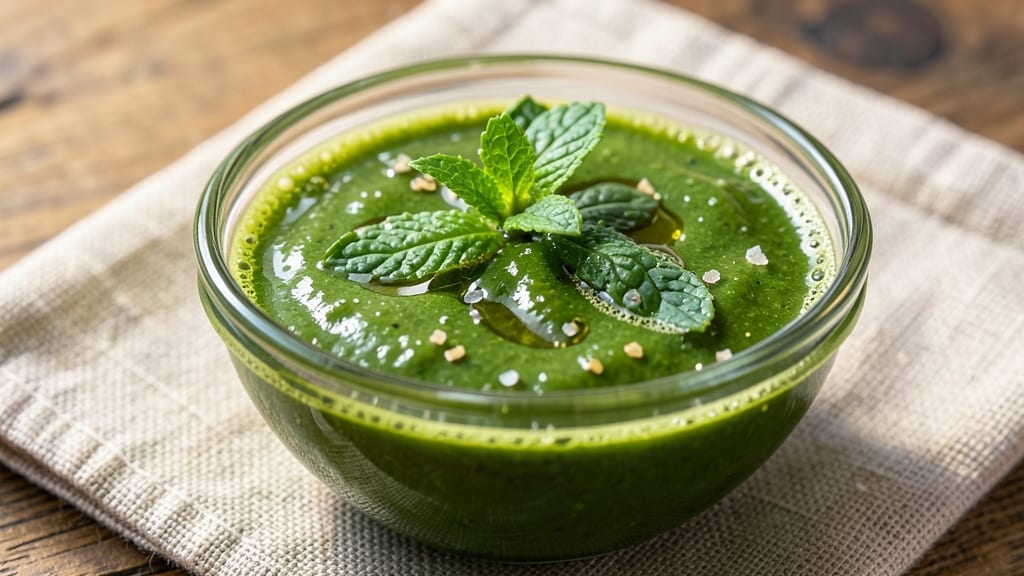
This British mint sauce recipe transforms fresh mint into a vibrant, tangy condiment that perfectly complements roasted lamb, grilled vegetables, and even summer salads. The secret lies in balancing sharp vinegar with sweet sugar, creating a sauce that's both refreshing and complex.
I've perfected this classic recipe over years of testing, ensuring every batch delivers that signature bright, herby flavor.
The process is straightforward: combine fresh mint leaves with white vinegar and sugar, then let the mixture steep until the flavors meld completely. This sauce requires minimal ingredients but maximum flavor impact—no complicated techniques, just a few simple steps that yield restaurant-quality results.
The key is using fresh mint and allowing the sauce to sit for at least 30 minutes before serving.
What you'll end up with is a glossy, emerald-green sauce that's tangy, slightly sweet, and packed with herbaceous freshness. It's the perfect finishing touch for lamb dishes, but also works beautifully with fish, chicken, or even as a zesty salad dressing.
The sauce keeps well in the refrigerator for up to two weeks, making it an ideal make-ahead condiment.
Perfect for traditional British meals or modern twists on classic dishes, this mint sauce elevates any plate with its vibrant color and bright flavor profile. Let's get started on making this essential condiment that's as versatile as it is delicious.
Ingredients for british mint sauce
Six ingredients transform fresh mint into a vibrant sauce perfect for lamb and summer dishes.
| Ingredient | Amount | Notes |
|---|---|---|
| Fresh Mint Leaves 🌿 | 1 ½ cups | Tightly packed, stems removed |
| White Vinegar 💧 | ½ cup | Distilled or apple cider |
| Granulated Sugar 🍚 | ¼ cup | White or light brown |
| Extra-Virgin Olive Oil 🫒 | 2 tbsp | For glossy finish |
| Salt 🧂 | ¼ tsp | Fine sea salt |
| Fresh Lemon Juice 🍋 | 1 tbsp | Brightens flavor profile |
The mint is non-negotiable—farmers market bunches have the most vibrant leaves. Look for stems that snap easily, not wilted or yellowing. Whole Foods or local markets usually carry the freshest. If you must use grocery store mint, grab it last and store it wrapped in damp paper towels. The sugar should be fine white or light brown—no dark molasses-style as it can overpower the delicate mint flavor. For vinegar, distilled or apple cider works best; balsamic adds unwanted sweetness.
No fresh mint? Dried mint at half the amount works in a pinch, but the flavor won't be as bright. Substitute white vinegar with rice vinegar for a milder tang. Running low on olive oil? Avocado oil keeps the same neutral profile. The lemon juice can be swapped for white wine vinegar at the same amount, though it'll be slightly less bright. For a smoother texture, blend the mint leaves briefly before mixing—just don't overdo it or you'll pulverize the leaves.
This sauce peaks after 30 minutes to 1 hour of steeping, so plan ahead. Store in an airtight jar in the fridge for up to 2 weeks. The color will fade slightly, but the flavor stays vibrant. For longer storage, freeze in ice cube trays—perfect for single servings. Shake well before using, as the mint leaves may settle. The sauce thickens when chilled, so add a splash of water if needed before serving.
Why You'll Love This Recipe
- Five-Ingredient Magic: I swear by this—just mint, vinegar, sugar, oil, and salt. No fancy gadgets, no stress. Honestly, the only prep is chopping leaves, and even that’s forgiving if you tear a few.
- Bright & Tangy: That first spoonful hits like a summer breeze—zesty vinegar cuts through the sweetness, while the olive oil smooths it all out. It’s the kind of flavor that makes you want to pour it on everything.
- Leftover Goldmine: Make a big batch and keep it in the fridge. Drizzle it over lamb, roasted veggies, or even grilled chicken—it stays fresh for days and never gets boring.
- Budget-Friendly Freshness: Fresh mint is cheap, and you use just a handful. No fancy imports, no wasted ingredients. Between us, this is the kind of sauce that makes you feel fancy without breaking the bank.
Step-by-step instructions for British mint sauce
Here's the method for a classic British mint sauce that balances sweet, tangy, and herbal notes perfectly.
Prepare the Mint Leaves
Begin by washing the 1.5 cups fresh mint leaves thoroughly to remove any dirt or debris. I like to pat them dry with paper towels to ensure no excess moisture remains—this helps prevent a watery sauce later. Remove the stems by pinching them between your fingers and pulling gently, then chop the leaves finely. You want them small enough to blend seamlessly into the sauce but not so fine that they turn to mush.
For the best flavor, I recommend using fresh mint rather than dried. Fresh mint has a vibrant, bright taste that dried versions simply can't match. If you're using particularly large leaves, you might need to stack them and chop in batches to ensure even sizing throughout the sauce.
Combine Vinegar, Sugar, and Salt
In a medium saucepan, combine the 0.5 cup white vinegar, 0.25 cup granulated sugar, and 0.25 teaspoon salt. Place the saucepan over medium heat and bring the mixture to a gentle simmer. Stir occasionally to ensure the sugar dissolves completely—this should take about 3-4 minutes. You'll see the sugar crystals disappear and the liquid become clear.
The vinegar should smell sharp and acidic at this stage. This is normal, and the acidity will mellow slightly as the mint infuses. If you're using apple cider vinegar, the flavor will have subtle fruity notes that complement the mint beautifully. Don't let the mixture boil vigorously, as this can cause the vinegar to evaporate too quickly and alter the balance of flavors.
Add the Mint and Lemon Juice
Once the vinegar mixture is simmering gently, remove the saucepan from heat and stir in the chopped mint leaves and 1 tablespoon fresh lemon juice. The lemon juice adds a bright citrus note that cuts through the sweetness and enhances the mint's freshness. Let the mixture steep off the heat for 10-15 minutes, stirring occasionally. This allows the mint to release its oils and infuse the sauce fully.
Here's where the sauce begins to transform. You'll notice the color deepen slightly as the mint's green hue blends with the vinegar's clarity. The aroma should shift from sharp vinegar to a more complex, herbal profile. If you're impatient, you might be tempted to speed this up, but resisting that urge ensures a well-balanced sauce. The longer it steeps, the more vibrant the flavor will be.
Strain and Finish with Olive Oil
After the mint has steeped, strain the mixture through a fine-mesh sieve into a clean bowl or jar, pressing gently on the mint leaves to extract all the liquid. Discard the mint solids—they've done their job. At this stage, you might notice the sauce looks slightly cloudy, which is normal. This is a sign of the mint's natural oils and the lemon juice's acidity working together.
Return the strained sauce to the saucepan and place it back over low heat. Stir in the 2 tablespoons extra-virgin olive oil and let the sauce simmer gently for another 2-3 minutes. The olive oil adds a silky texture and a subtle richness that rounds out the sauce's bright flavors. Taste the sauce at this point—it should be tangy, sweet, and herbaceous, with a hint of lemon brightness.
Cool and Adjust Seasoning
Remove the sauce from heat and let it cool to room temperature. This cooling process allows the flavors to meld even further. Once cooled, taste the sauce again and adjust the seasoning if needed. If it tastes too sweet, add a splash more vinegar or lemon juice. If it's too sharp, stir in a pinch more sugar. The goal is a harmonious balance of sweet, tangy, and herbal notes.
Transfer the sauce to a clean jar or airtight container and refrigerate for at least 1 hour before serving. This chilling time lets the flavors fully develop and ensures the sauce is perfectly balanced when you drizzle it over roasted lamb, grilled vegetables, or fresh fish. The sauce will keep in the refrigerator for up to 1 week, making it a versatile addition to your meal planning.
Pro Tips For Making British Mint Sauce
- STACK THE MINT: Use at least 1 cup of fresh mint leaves—packed tightly. I learned this the hard way: skimping on mint makes the sauce taste like vinegar with a whisper of green. If your bunch is small, don’t just toss in a few leaves; bruise them first by rolling them in your palm or chopping them roughly. This releases more flavor and oil, which is where the real magic happens.
- SALT THE VINEGAR: Add a pinch of salt (about ¼ teaspoon) to the vinegar before combining it with the other ingredients. The vinegar tastes sharp and acidic on its own—salt softens it just enough so the final sauce doesn’t hit like a punch to the palate. Trust me, it balances the sweetness better than you’d expect.
- STRAIN TWICE: After blending, pour the sauce through a fine-mesh strainer, then give it a second pass through a cheesecloth or coffee filter. The first strain catches the obvious chunks, but the second removes the fine, gritty bits of mint that can make the sauce feel unpleasantly textured. Yes, it’s extra work, but your sauce will look and feel silky—like it belongs in a fancy restaurant, not just on your roast lamb.
- STORE IT RIGHT: If you’re not using the sauce immediately, divide it into small jars and refrigerate for up to 3 days. The oil will separate, so give it a quick shake before using. For longer storage, freeze it in ice cube trays—thaw and shake to recombine. I used to ignore this and end up with a sad, watery sauce after a few days. Don’t be that person.
Health benefits of this recipe
Digestive Aid
Fresh mint contains menthol, a compound that soothes digestive discomfort and relieves bloating. The antispasmodic properties in mint help relax stomach muscles, making this sauce a natural remedy for indigestion after rich meals like roasted lamb.
I've found it particularly helpful after heavy holiday feasts—just a spoonful with the main course can ease that post-meal sluggishness. 💪
Antioxidant Boost
The vibrant green color comes from chlorophyll and antioxidants like vitamin A and C, which combat oxidative stress in your body. A 2-tablespoon serving of this sauce provides about 5% of your daily vitamin A needs, supporting immune function and skin health.
The lemon juice in the recipe further enhances these antioxidant benefits while adding brightness.
Hydration Helper
Mint's natural diuretic properties encourage hydration by increasing urine production, helping flush out toxins. The white vinegar in this sauce also supports electrolyte balance, making it an unexpected but effective way to stay hydrated during summer meals.
I always keep a small jar in my fridge for post-workout hydration—just a teaspoon in water works wonders.
Low-Calorie Flavor
With only about 15 calories per tablespoon, this sauce delivers bold flavor without the calories. The sugar content is minimal (just 4g per serving) and balanced by the vinegar's acidity, preventing blood sugar spikes.
It's perfect for those watching their calorie intake but still wanting vibrant flavors—ideal for drizzling over grilled vegetables or lean proteins.
Mood Enhancer
The aromatic compounds in mint have been shown to improve mood and mental clarity. The fresh, bright flavor can be surprisingly uplifting—just smelling the sauce reminds me of summer garden meals.
Studies suggest mint's scent may even help reduce stress levels, making it a great addition to your self-care routine alongside your favorite dishes. ✨
Versatile Nutrient Pairing
When paired with iron-rich lamb or omega-3 salmon, this sauce enhances nutrient absorption. The vitamin C from lemon juice helps convert iron from plant-based sources into a more absorbable form, while the healthy fats from olive oil support brain function.
It's a simple way to boost the nutritional profile of any meal without extra effort.
Nutrition facts
Frequently asked questions
Can I make this sauce without fresh mint?
You can use dried mint at half the amount (about 0.75 cups), but the flavor won't be as vibrant. For best results, try growing your own mint—it's easy and more flavorful than store-bought. If you're in a pinch, a mix of spearmint and peppermint works too, but stick to fresh whenever possible.
How long should I steep the mint for maximum flavor?
The ideal steeping time is 30 minutes to 1 hour at room temperature. This lets the mint's oils fully infuse without making the sauce bitter. For a quicker version, steep for 15 minutes but expect slightly less depth of flavor. Pro tip: Cover the container loosely with a lid to prevent evaporation while steeping.
What's the best way to store leftover mint sauce?
Transfer to an airtight glass jar and refrigerate for up to 2 weeks. The color may fade slightly, but the flavor stays bright. For longer storage, freeze in ice cube trays—thaw overnight in the fridge before using. Always shake well before serving, as the mint may settle.
Can I use this sauce on dishes other than lamb?
This versatile sauce works beautifully with grilled chicken, fish like salmon or trout, roasted vegetables, and even as a salad dressing. For a modern twist, drizzle it over pasta with peas or use it as a marinade base. The key is balancing its bright flavor with rich or neutral proteins.
Why does my sauce look cloudy after straining?
Cloudiness is normal and comes from the mint's natural oils and lemon juice emulsifying. If you prefer a clearer sauce, blend the mint leaves briefly before straining or use a cheesecloth for finer filtration. The texture won't affect the flavor—it's just a sign of fresh, vibrant ingredients at work!