
Sauces & Condiments
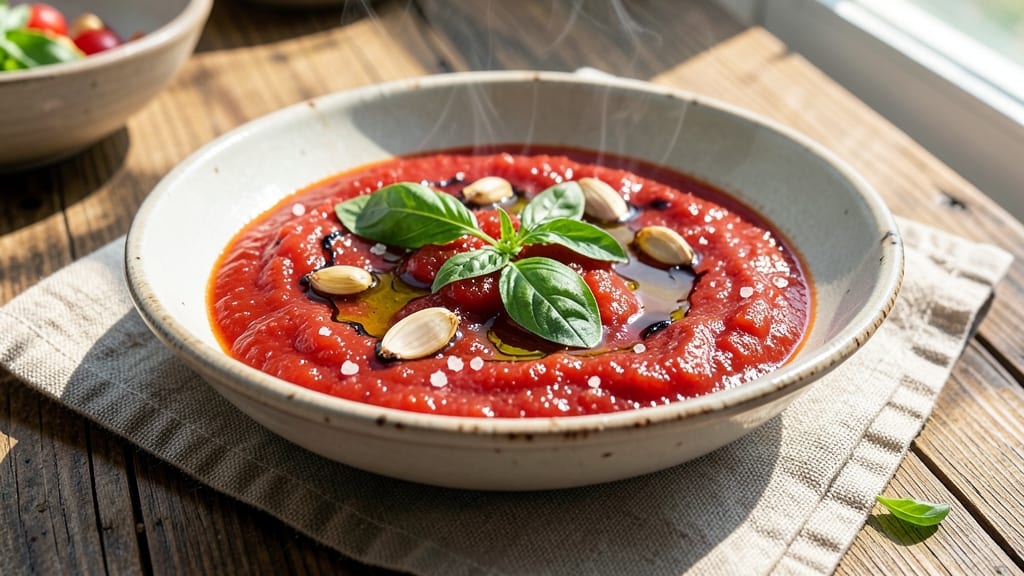
This fresh marinara sauce recipe with fresh tomatoes transforms summer's sun-ripened bounty into a vibrant, chunky sauce that captures garden-fresh flavor in just 20 minutes. I developed this version after years of testing—no canned tomatoes here, just the real deal.
The secret lies in simmering whole tomatoes until they burst, releasing their natural sweetness while preserving texture. No blender required if you prefer rustic chunks, or blend for silky smoothness.
The magic happens with simple ingredients: fresh tomatoes, garlic, olive oil, and basil—all brought together with a pinch of salt and a splash of red wine vinegar for brightness. We're talking restaurant-quality sauce without the fuss, perfect for dipping, drizzling, or pairing with crusty bread.
The sauce thickens as it cooks, developing depth while maintaining that bright, fresh tomato character that canned versions can't match.
What sets this marinara apart is its versatility—use it immediately or store it for up to 5 days in the fridge, where flavors actually improve. The tomatoes break down just enough to create a rich, velvety consistency while keeping those beautiful specks of basil and garlic throughout.
This isn't your grandmother's sauce; it's a modern take that respects fresh ingredients while delivering professional results at home.
For those who love texture, leave some tomatoes whole and let them soften in the sauce. For a smoother version, blend after simmering. Either way, you'll end up with a sauce so vibrant it tastes like summer in every spoonful. Let's make this marinara—your taste buds will thank you.
Ingredients for fresh marinara sauce recipe with fresh tomatoes
Sun-ripened tomatoes, garlic, and basil—just nine ingredients for vibrant marinara magic.
| Ingredient | Amount | Notes |
|---|---|---|
| Fresh Tomatoes 🍅 | 2 lbs | Roma or vine-ripened, halved |
| Extra-Virgin Olive Oil 🫒 | ½ cup | High quality, fruity |
| Garlic Cloves 🧄 | 6 whole | Peeled, roughly chopped |
| Fresh Basil Leaves 🌿 | 1 ½ cups | Packed, stems removed |
| Red Wine Vinegar 🍷 | 2 tbsp | For brightness |
| Kosher Salt 🧂 | 1 ½ tsp | Diamond Crystal preferred |
| Black Pepper 🌶️ | ½ tsp | Freshly ground |
| Dried Oregano 🍃 | ½ tsp | Mexican oregano if available |
| Sugar 🍬 | 1 tsp | Balances acidity |
The tomatoes are everything here. Roma tomatoes are ideal—they're meaty and hold shape, but vine-ripened varieties work too if that's what's at your local farmers market. Look for tomatoes that are firm but give slightly when pressed, with vibrant color and no soft spots. I usually grab mine from Whole Foods or my neighborhood farm stand—they've got that unmatched freshness. If you can't find Roma, regular beefsteak tomatoes work in a pinch, but they'll break down faster. The basil? Fresh is non-negotiable—dried just doesn't cut it here. I'll often buy extra because half goes in the sauce and half gets torn over the top for garnish.
No fresh tomatoes? High-quality canned San Marzano tomatoes are your next best bet—just skip the sugar since they're naturally sweet. Running low on basil? Fresh parsley at half the amount adds a nice brightness. The red wine vinegar can be swapped for white wine vinegar, but apple cider vinegar adds a nice sweetness. Want to skip the sugar? Just add an extra pinch of salt to balance the acidity. The oregano is optional but recommended—it adds that Mediterranean depth. If you're making this in summer, you'll have fresh tomatoes galore. In winter, frozen tomatoes work surprisingly well—just thaw and drain them first.
This sauce tastes even better the next day as flavors meld. Store it in an airtight container in the fridge for up to 5 days. For longer storage, freeze in ice cube trays or small containers for up to 3 months. I like to portion it into single-serving containers so I can grab exactly what I need. The sauce will thicken as it cools—just add a splash of water or broth if it gets too thick when reheating. And trust me, you'll want to make extra—this sauce disappears fast around here.
Why You'll Love This Recipe
- No Chopping Chaos: I swear, this sauce takes me 10 minutes max—just halve those tomatoes, toss them in a pot with the garlic and olive oil, and let them simmer. The basil goes in at the end, and honestly? It’s the kind of recipe where you can still make dinner while the sauce works its magic.
- Sunshine in a Bowl: That first bite of bright, tangy tomato with the garlic’s slow caramelized punch and basil’s fresh kick? It’s the kind of flavor that makes you pause mid-bite. The red wine vinegar gives it this little zing that cuts through the richness—like a summer day in a spoonful.
- Pasta Party Starter: Between us, this sauce is my go-to for everything: toss it with spaghetti, slather it on garlic bread, or use it as a pizza base. I’ve even drizzled it over grilled chicken. The beauty? It’s always the star, but it plays well with others—no drama, just deliciousness.
- Fridge Hero: Make a big batch on Sunday, and you’ve got dinner covered all week. It keeps for days in the fridge, and the flavor only gets deeper. Plus, tomatoes are cheap this time of year, so you’re basically getting gourmet sauce for pennies. My wallet and my freezer thank me every time.
Step-by-step instructions for fresh marinara sauce
Here's how to transform garden-fresh tomatoes into vibrant marinara in record time.
Prep and Roast the Tomatoes
Preheat your oven to 425°F and line a baking sheet with parchment paper. Halve the 2 lbs fresh tomatoes lengthwise, removing seeds and any tough cores. Arrange them cut-side down on the baking sheet, leaving space between each half. Drizzle lightly with the 0.5 cup extra-virgin olive oil (just enough to coat the cut sides).
Roast for 15-20 minutes until the tomatoes collapse slightly and develop deep caramelized spots. You'll know they're ready when they release their juices easily and smell intensely sweet and tangy. The high heat concentrates their natural sugars while preserving their vibrant color - this is the secret to restaurant-quality marinara. Don't skip this step - raw tomatoes make watery sauce.
Sauté Aromatics Until Fragrant
While the tomatoes roast, heat 2 tablespoons extra-virgin olive oil in a large saucepan over medium heat. Add the 6 whole garlic cloves and sauté for 1-2 minutes until they turn golden and smell irresistibly aromatic. Be careful not to burn them - garlic turns bitter quickly when overcooked.
Add the 0.5 tsp dried oregano and stir for 30 seconds to toast the spices. This step builds the sauce's flavor foundation. The oregano should perfume the oil, not overpower it. If you're using Mexican oregano, you'll notice a slightly different earthy depth - that's perfect for this sauce.
Combine and Simmer the Sauce
Transfer the roasted tomatoes (with their juices) to the saucepan with the aromatics. Add the 2 tbsp red wine vinegar, 1.5 tsp kosher salt, 0.5 tsp black pepper, and 1 tsp sugar. Stir gently to combine, then bring the mixture to a gentle simmer over medium-low heat.
Let the sauce cook uncovered for 10-12 minutes, stirring occasionally, until it thickens slightly and the flavors meld. You're looking for a consistency where the sauce coats the back of a spoon but isn't gluey. The sugar helps balance the acidity from the vinegar and tomatoes, while the salt enhances all the flavors. Taste as you go - you can always adjust seasoning at the end.
Finish with Fresh Basil
Remove the sauce from heat and stir in the 1.5 cups fresh basil leaves. Let it steep for 5 minutes - this infuses the sauce with bright, herbal notes without making it taste like pesto. The basil should wilt slightly but still be visible in the finished sauce.
For the smoothest texture, use an immersion blender to gently blend about half the sauce, leaving some chunky texture. If you prefer completely smooth sauce, blend everything. The sauce should be vibrant red with just a hint of green from the basil. Taste one final time and adjust seasoning if needed - the flavors will continue developing as it cools.
Pro Tips For Making Fresh Marinara Sauce Recipe With Fresh Tomatoes
- CRANK THE HEAT FIRST: Toss your chopped tomatoes and garlic in olive oil over high heat for 3-4 minutes—this breaks down the garlic’s sharpness and softens the tomatoes faster than simmering. I used to play it cool, but the sauce tastes duller when you don’t blister the garlic just a little. (Yes, even if you’re impatient like me, resist the urge to turn it down early.)
- SALT THE TOMATOES BEFORE COOKING: Toss your chopped tomatoes with 1 teaspoon salt per pound and let them sit in a colander for 10 minutes. This draws out excess water and seasons the flesh deeply—no one wants watery marinara. My grandmother swore by this, and she was right: the sauce thickens better and tastes richer from the start.
- SKIP THE PEELS, KEEP THE SEEDS: Leave the tomato seeds in—they’re packed with umami and help thicken the sauce naturally. But remove any tough skins (they make the sauce gritty) and chop the tomatoes into ¼-inch chunks for even cooking. I learned this the hard way after straining seeds out of three batches—wasted effort.
- ADD BASIL LATE, THEN MORE: Stir in half the basil at the end, then add the rest just before serving—fresh basil wilts fast and loses its bright flavor. For extra depth, toss in a dried basil leaf while simmering (yes, even with fresh). Sounds weird, but it works: the dried leaf infuses slowly, while the fresh keeps the aroma sharp.
Dietary considerations for these flavors
Gluten-Free Friendly
This marinara sauce is naturally gluten-free since it relies only on fresh tomatoes, olive oil, and simple spices. I always double-check labels on my dried oregano and red wine vinegar to ensure no hidden gluten additives—some brands use malt vinegar or wheat-based thickeners.
For extra peace of mind, I source my oregano from Penzeys Spices, which guarantees gluten-free certification. The sauce thickens naturally from simmering, so no flour or cornstarch is needed to bind it. 🌱
Low-Sugar Adaptations
If you're watching sugar intake, you can omit the 1 tsp sugar entirely and rely on the natural sweetness of ripe tomatoes. I've found that using extra-ripe vine tomatoes from my Portland farmers market provides enough natural sweetness to balance the acidity from the red wine vinegar.
For a subtle sweetness boost, add ½ tsp honey or maple syrup instead of sugar. The sauce will still develop depth without spiking your blood sugar.
Allergen Considerations
For those with dairy allergies, this sauce is completely safe—it contains no milk, cheese, or butter. The recipe also avoids common allergens like nuts and shellfish.
If you're serving to someone with nightshade sensitivities, you can substitute the tomatoes with zucchini or butternut squash purée, though the flavor profile will differ significantly. For a nut-free kitchen, always check your olive oil brand—some refined oils may be processed in facilities handling nuts.
Vegan and Vegetarian
This marinara sauce is inherently vegan and vegetarian-friendly, requiring no animal products. The fresh basil, garlic, and olive oil provide rich umami flavors without any meat or dairy.
I've served this sauce to vegan friends at potlucks, and it always gets rave reviews—especially when paired with cashew ricotta or mushroom bolognese. The sauce's vibrant color and bright acidity make it perfect for plant-based diets while still satisfying omnivores.
Nut-Free Kitchen
While this recipe doesn't contain nuts, I always recommend using separate utensils and cookware if you're sharing a kitchen with nut allergies. Cross-contamination can occur when using shared olive oil bottles or wooden spoons.
For added safety, I keep a dedicated bottle of nut-free olive oil in my pantry. The sauce's ingredients are all naturally nut-free, but always verify any store-bought spices or vinegars for potential cross-contact warnings.
Nutrition facts
Frequently asked questions
Can I use any fresh tomatoes for this marinara?
Roma tomatoes are ideal—they're meaty and hold shape beautifully during roasting. For best results, choose firm, vine-ripened tomatoes with vibrant color. If using beefsteak varieties, expect them to break down faster during cooking. The key is selecting tomatoes that are ripe but not overly soft, as they'll release more natural sweetness when roasted.
How do I adjust the thickness of the sauce?
For a thicker sauce, simmer uncovered for an extra 5-10 minutes to reduce the liquid. If it becomes too thick, stir in 1-2 tablespoons water or broth while reheating. The sauce should coat the back of a spoon but remain pourable. Pro tip: Let the sauce cool completely before tasting—it thickens as it rests!
What's the best way to store leftover marinara?
Store in an airtight container in the fridge for up to 5 days, where flavors actually improve. For longer storage, freeze in ice cube trays or small containers for up to 3 months. Thaw overnight in the fridge—never at room temperature. The sauce will thicken further when reheated, so add a splash of water if needed.
Can I make this sauce without roasting the tomatoes?
You can, but roasting develops deeper flavor by concentrating natural sugars. If skipping roasting, simmer whole tomatoes with their juices for 15-20 minutes until they break down completely. The sauce will be more watery—reduce it longer or use a thicker tomato variety like Roma. For best results, roasting is worth the extra 15 minutes!
How do I prevent the sauce from tasting bitter?
Bitter taste usually comes from overcooked garlic or underripe tomatoes. Toast garlic just until golden (1-2 minutes) and use ripe, flavorful tomatoes. If the sauce tastes bitter after cooking, balance it with a pinch more sugar or a splash of red wine vinegar. The 5-minute basil steep at the end also helps brighten flavors naturally.