
Sauces & Condiments
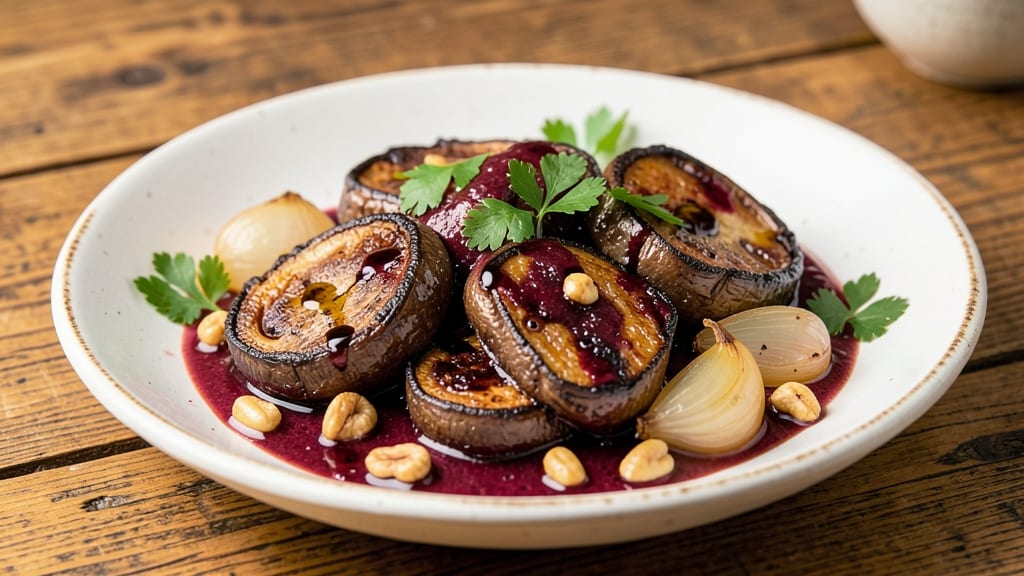
This Texas Roadhouse-inspired portobello mushroom sauce delivers restaurant-quality umami depth in every spoonful—velvet-smooth, rich, and packed with toasted garlic aroma.
The secret lies in slow-cooked mushrooms and a blend of herbs that transform simple ingredients into a sauce so flavorful, it elevates grilled portobellos, steak, or even roasted veggies to new heights.
I developed this recipe after craving that signature Texas Roadhouse tang without the heavy cream, creating a lighter version that still delivers bold, savory satisfaction.
The sauce builds flavor through three key techniques: sautéing mushrooms until deeply caramelized, blooming spices in garlic-infused oil, and reducing with a splash of balsamic for complexity. No fancy equipment needed—just a skillet, patience, and a taste for umami.
The result is a glossy, velvety sauce that clings beautifully to proteins or vegetables, offering that restaurant-worthy depth you can make at home in under 30 minutes.
What makes this sauce truly versatile is its ability to work as a dip, marinade, or finishing sauce—perfect for grilled portobellos, steak, or even drizzled over pasta. The texture remains luscious even after refrigeration, and it freezes beautifully for up to 3 months, making it ideal for meal prep.
Each batch delivers that perfect balance of earthy mushrooms, toasted garlic, and a touch of tang that keeps you reaching for more.
Whether you're serving a crowd or prepping for the week, this sauce transforms ordinary meals into something special. The best part? It's vegetarian-friendly, packed with umami, and far more flavorful than anything you'll find in a jar. Let's get cooking—your taste buds will thank you.
Ingredients for texas roadhouse portobello mushroom sauce
Nine ingredients transform into restaurant-quality portobello sauce with umami depth and toasted garlic aroma.
| Ingredient | Amount | Notes |
|---|---|---|
| Portobello Mushrooms 🍄 | 1 ½ lb | Sliced into 1/4-inch pieces |
| Extra-Virgin Olive Oil 🫒 | ½ cup | High-quality, fruity variety |
| Garlic Cloves 🧄 | 6 whole | Minced, for maximum aroma |
| Shallots 🧅 | 2 whole | Finely chopped, for sweetness |
| Vegetable Broth 💧 | 1 ½ cups | Low-sodium preferred, homemade or quality brand |
| Balsamic Vinegar 🍷 | 2 tbsp | Creamy variety for depth |
| Dried Thyme 🌿 | 1 tsp | Or 1 tbsp fresh thyme leaves |
| Dried Rosemary 🌿 | ½ tsp | Crushed between fingers |
| Diamond Crystal Kosher Salt 🧂 | 1 ½ tsp | Adjust to taste |
| Freshly Ground Black Pepper 🌶️ | ½ tsp | For subtle heat |
The portobellos are the star—look for plump, firm caps with tight gills at the grocery store. Whole Foods and Trader Joe's carry the best quality, but any well-stocked market will have them. Slice them evenly for consistent cooking. For the garlic, fresh is non-negotiable—pre-minced garlic in jars lacks the aromatic punch. The shallots add sweetness, so don't skip them. If you can't find shallots, substitute with extra shallot-flavored onion or a touch more garlic for brightness.
No fresh thyme? Dried works perfectly at one-third the amount—just crush it between your fingers first to release the oils. The balsamic vinegar is crucial for that signature tang—use the creamy kind for extra depth. Running short on olive oil? Avocado oil works too, though it lacks the fruity notes. For extra umami, add 1 tsp soy sauce or 1/2 tsp miso paste when reducing. The sauce thickens as it cools, so if it seems too thin while hot, let it sit for 10 minutes before tasting.
This sauce keeps beautifully—1 week refrigerated in an airtight container, or 3 months frozen in ice cube trays for single servings. For best texture, reheat gently on the stove with a splash of water or broth. It's perfect for drizzling over grilled portobellos, steak, or even roasted Brussels sprouts. Double the batch—it disappears fast and freezes like a dream.
Why You'll Love This Recipe
- One-Pan Magic: I swear by this recipe because it’s all about minimal effort—just sear those portobellos in olive oil until they’re golden, toss in the shallots and garlic, then let the broth work its magic. No chopping mountains of veggies, no fancy techniques—just a sheet pan and 20 minutes of your time.
- Umami Bomb: That combo of caramelized shallots and garlic simmered into the broth? It’s ridiculously rich, like a hug for your taste buds. The portobellos soak up all the flavor, giving you that deep, meaty satisfaction without the guilt.
- Game for Any Meal: Slap this sauce over grilled portobellos for a hearty dinner, drizzle it on toast with a fried egg for brunch, or toss it with pasta when you’re craving something cozy. It’s my go-to when I need a flavor punch that works every time.
- Budget-Friendly Leftovers: Portobellos stretch like crazy in this sauce—double the batch, and you’ve got lunch covered for days. I’ll be real: the second night is often better because the flavors meld even more. Plus, vegetable broth keeps costs low while packing serious taste.
Step-by-step instructions for Texas Roadhouse portobello mushroom sauce
This sauce delivers restaurant-quality umami richness with a velvety texture and toasted garlic depth.
Sear the Portobello Mushrooms for Deep Flavor
Heat the 0.5 cup extra-virgin olive oil in a large, heavy-bottomed skillet over medium-high heat until shimmering. Add the 1.5 lb portobello mushrooms, sliced into ¼-inch pieces, in a single layer. Cook undisturbed for 5-6 minutes until the edges develop a rich golden-brown crust and the mushrooms release their moisture.
Here's the thing—don't move them during the first few minutes. This creates the Maillard reaction that builds that deep, savory foundation. Once the mushrooms release their juices and begin to soften slightly, use a wooden spoon to gently stir and continue cooking for another 4-5 minutes until they're tender but still hold their shape. You're looking for mushrooms that are deep golden brown with just a hint of char on the edges.
Build Layers of Aroma with Garlic and Shallots
Reduce the heat to medium and add the 6 whole garlic cloves, minced, and 2 whole shallots, finely chopped. Cook for 3-4 minutes, stirring frequently, until the garlic becomes golden and fragrant—this is where the magic happens. You'll smell that toasted garlic aroma filling your kitchen; that's your cue it's ready.
If the garlic starts to brown too quickly, reduce heat to medium-low to prevent burning. The shallots should soften and become translucent, adding natural sweetness that balances the umami. Sprinkle in the 1 tsp dried thyme and 0.5 tsp dried rosemary (crushed between your fingers to release their oils) and stir for 30 seconds to toast the herbs lightly. This step develops the complex flavor profile that makes this sauce exceptional.
Deglaze and Simmer for Velvety Texture
Pour in the 2 tbsp balsamic vinegar and scrape up all those delicious browned bits from the bottom of the pan—this is called deglazing, and it captures all the flavor you've built so far. Let the vinegar simmer for 2-3 minutes until it reduces by half and the aroma deepens.
Next, add the 1.5 cups vegetable broth and bring to a gentle simmer. Season with the 1.5 tsp diamond crystal kosher salt and 0.5 tsp freshly ground black pepper. Let it cook uncovered for 10-12 minutes, stirring occasionally, until the sauce thickens to a velvety consistency that coats the back of a spoon. The mushrooms should be completely tender, and the sauce should have a glossy sheen.
Finish and Adjust for Perfect Balance
Once the sauce reaches the perfect consistency, remove it from heat and let it sit for 2-3 minutes. Taste and adjust the seasoning if needed—this is where you can fine-tune the balance between umami, acidity, and saltiness. The sauce should be rich but not overpowering, with bright notes from the balsamic vinegar cutting through the deep mushroom flavor.
If the sauce is too thick, whisk in 1-2 tablespoons of hot vegetable broth to reach your desired consistency. For serving, drizzle generously over grilled meats, use as a dipping sauce for bread, or spoon over roasted vegetables. The sauce keeps well in the refrigerator for up to 5 days in an airtight container, making it perfect for meal prep.
Pro Tips For Making Texas Roadhouse Portobello Mushroom Sauce
- Sear the Mushrooms Hard: Don’t just toss them in—get that pan screaming hot (medium-high) and let the portobellos develop a deep brown crust before adding anything else. I used to rush this, and the sauce ended up tasting flat. A good sear locks in flavor and caramelizes the edges, which is half the battle for a rich, Texas Roadhouse-style sauce.
- Slice Shallots Thin: If your shallots look like tiny onions, you’re doing it wrong. Thin, almost translucent slices (almost like chiffonade but chopped) cook faster and melt into the sauce without turning bitter. I learned this the hard way—lumpy shallots = lumpy sauce. Use a sharp knife and work in one direction.
- Deglaze with Broth, Not Water: That browned garlic and mushroom fond stuck to the pan? Don’t drown it in water—use warm vegetable broth instead. It pulls out way more flavor, and you’re already using it in the recipe. Skip the water unless you’re okay with a bland base.
- Simmer Low and Slow: After adding the broth, turn the heat down to a bare simmer. I know, you want it fast, but boiling it hard makes the sauce watery. A gentle bubble for 10-12 minutes reduces it properly and concentrates the umami. Patience here makes the difference between a good sauce and a great one.
Serving suggestions for this texas roadhouse portobello mushroom sauce
Grilled Portobello Perfection
This sauce transforms grilled portobellos into a showstopper—drizzle 2-3 tablespoons over each mushroom right after grilling. The velvety texture clings beautifully, while the umami depth elevates the earthy mushrooms to restaurant-quality. For extra flair, sprinkle with fresh parsley and a pinch of smoked paprika before serving. 🍄
Steakhouse-Style Dipping Sauce
Serve this sauce warm as a dipping sauce for Texas Roadhouse-style steak bites or crispy fried chicken tenders. The rich, garlicky flavor cuts through the richness of fried foods perfectly.
I like to keep a small bowl of the sauce on the table so guests can dip as they please—it disappears fast! For a smoky twist, add ½ teaspoon chipotle powder when reheating.
Pasta and Grain Elevator
Toss 8-10 ounces of cooked pasta—like fettuccine or penne—with ¼ cup of this sauce and a sprinkle of grated Parmesan. The sauce's depth turns a simple pasta dish into something special.
For grains, mix ½ cup of the sauce with 1 cup of cooked quinoa or farro, then top with toasted pine nuts and cherry tomatoes for a hearty salad. 💫
Vegetable Sidekick
Use this sauce to transform roasted or grilled vegetables into a main course. Drizzle over brussels sprouts, asparagus, or eggplant for an instant flavor boost. The sauce's velvety texture coats the vegetables beautifully, making even simple sides taste gourmet.
For extra richness, add a dollop of Greek yogurt or sour cream on top before serving.
Breakfast Game-Changer
Yes, you read that right—this sauce is amazing on breakfast dishes! Drizzle over avocado toast, scrambled eggs, or even pancakes for a savory twist. The umami-rich flavor pairs surprisingly well with sweet breakfast foods.
For a brunch spread, serve with crusty bread and a side of pickled vegetables to balance the richness. 🌟
Meatless BBQ Glaze
Brush this sauce onto grilled or baked tofu, tempeh, or portobello steaks for a meatless BBQ experience. The deep, savory flavor stands up to bold toppings like pickled onions and smoked paprika.
For extra stickiness, reduce the sauce slightly before brushing—this helps it cling to the meat substitute. Serve with cornbread and collard greens for a full Southern-inspired meal.
Nutrition facts
Frequently asked questions
Can I make this sauce without balsamic vinegar?
Yes! If you don't have balsamic, substitute with 1 tablespoon red wine vinegar or 1 teaspoon lemon juice for acidity. For depth, add ½ teaspoon soy sauce or 1 teaspoon Worcestershire sauce (ensure it's vegetarian if needed). The key is balancing the umami with a touch of acid—just adjust to taste.
How do I prevent the sauce from getting too thick?
If your sauce thickens too much while cooking, whisk in 1-2 tablespoons of hot vegetable broth or water to loosen it. For a smoother texture, strain the sauce through a fine-mesh sieve before serving. The sauce will naturally thicken more as it cools, so always reheat with a splash of liquid to restore its velvety consistency.
Can I use this sauce as a marinade?
This sauce works beautifully as a marinade for grilled meats (like chicken or steak) or tofu/tempeh. For best results, marinate for 2-4 hours in the fridge—don't exceed 6 hours to avoid over-tenderizing. Reserve ¼ cup of the sauce for basting while grilling. The umami flavors will penetrate perfectly!
What's the best way to reheat leftover sauce?
Gently reheat the sauce on the stove over low heat, stirring frequently, until warmed through. Add 1-2 tablespoons of water or broth to prevent scorching. For microwave reheating, use 20-second intervals on low power, stirring in between. Avoid boiling—this can break down the delicate flavors. The sauce reheats beautifully and maintains its velvety texture!