
Sauces & Condiments
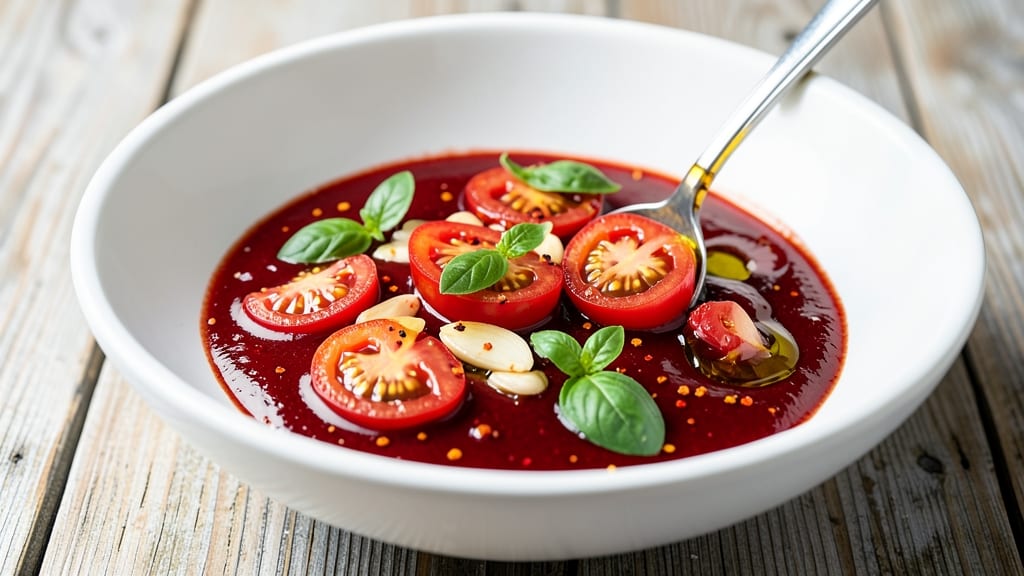
This vodka sauce recipe with fresh tomatoes transforms ordinary meals into something extraordinary with its bright, herb-infused depth. I developed it after years of perfecting the balance between creamy richness and vibrant acidity—no heavy cream required.
The vodka cooks off completely, leaving behind just that perfect depth of flavor, while fresh tomatoes bring freshness that store-bought can't match.
The secret lies in simmering the sauce just until it thickens—about 20 minutes—while building layers of garlic, basil, and a touch of red pepper flake. This isn't your grandmother's heavy tomato sauce; it's light enough to drizzle over grilled chicken or shrimp, yet substantial enough to coat pasta perfectly.
The herbs stay bright and fresh, not bitter or wilted.
What you'll end up with is a sauce that's creamy without being thick, tangy without being sour, and herbaceous without being overpowering. It keeps beautifully in the fridge for up to 5 days or freezes perfectly for later use—ideal for meal prep.
The flavor actually improves as it sits, developing complexity overnight.
Use it on pasta, as a marinade for grilled meats, or even as a dip for crusty bread. The possibilities are endless, but the technique remains simple: fresh ingredients, proper timing, and a little patience. Let's make this sauce that'll elevate every dish it touches.
Ingredients for vodka sauce recipe fresh tomatoes
Ten ingredients crafted for a sauce that balances creamy richness with vibrant tomato freshness and vodka depth.
| Ingredient | Amount | Notes |
|---|---|---|
| Fresh Tomatoes 🍅 | 1 ½ lb | Roma or vine-ripened, diced |
| Vodka 🍸 | ¼ cup | High-quality, 80-proof minimum |
| Extra-Virgin Olive Oil 🫒 | ½ cup | Light fruity variety preferred |
| Garlic Cloves 🧄 | 6 cloves | Fresh, thinly sliced |
| Fresh Basil Leaves 🌿 | 1 cup | Packed, large leaves preferred |
| Red Pepper Flakes 🌶️ | ½ tsp | Adjust for heat preference |
| Granulated Garlic 🧄 | 1 tsp | For enhanced flavor depth |
| Diamond Crystal Kosher Salt 🧂 | 1 tsp | Fine grain preferred |
| Heavy Cream 🥛 | ½ cup | Full-fat for optimal texture |
| Fresh Lemon Juice 🍋 | 1 tbsp | Brightens the sauce |
The tomatoes are the foundation—Roma or vine-ripened varieties yield the most concentrated flavor. Local farmers markets often carry the best quality, but grocery store vine-ripened tomatoes work well too. Look for firm, vibrant specimens without bruising. The vodka should be high-proof (80-proof minimum) to cook off completely without leaving a harsh alcohol taste. Smirnoff No. 21 or Grey Goose are reliable choices, but any quality vodka will suffice. Fresh basil is non-negotiable here—dried won't provide the same bright, herbaceous quality. For the olive oil, opt for a light fruity variety to complement rather than overpower the tomato's natural sweetness.
No vodka? Substitute with additional lemon juice and a splash of white wine—it won't be identical, but you'll still get the acidity boost. Running short on fresh basil? Dried basil at one-third the amount works in a pinch, though the flavor profile shifts. The heavy cream can be swapped for half-and-half or coconut cream for a lighter texture, though the sauce will be slightly less rich. For the tomatoes, canned San Marzano tomatoes (drained and crushed) can replace fresh in a bind, though they lack the same brightness. The red pepper flakes are optional but recommended—they add subtle heat that enhances the overall complexity without overpowering.
This sauce develops beautifully over time, so make it a day ahead if possible. Store in an airtight container in the refrigerator for up to 5 days, allowing flavors to meld. For longer storage, portion into ice cube trays and freeze for up to 3 months. When reheating, warm gently on the stove—never microwave, as it can break the sauce's delicate emulsion. The sauce thickens as it cools, so you may need to thin it slightly with water or broth when serving. Always taste before serving and adjust seasoning as needed.
Why You'll Love This Recipe
- No Chopping Nightmares: I swear by this sauce because you barely need a knife—just halve those tomatoes, toss them in, and let the vodka do the work. The garlic? Smashed, not minced. Honestly, my lazy nights thank me every time.
- Umami Bomb: That vodka isn’t just for drinking—it deepens the flavor in ways jarred sauce never could. The olive oil and basil turn it bright, while the tomatoes caramelize into something dangerously addictive. One taste, and you’ll understand why I keep a bottle of vodka in my pantry.
- Pasta Party Ready: Slap this on spaghetti for a weeknight win, but it’s also the star of my summer potlucks. Serve it over grilled chicken or zucchini noodles—suddenly, you’ve got a crowd-pleaser that feels fancy but takes zero effort. (Yes, even on a Tuesday night.)
- Leftovers That Don’t Suck: This sauce actually improves the next day—thicker, richer, and just as delicious. Store it in the fridge for up to five days, or freeze it in portions. Between us, I’ve reheated a batch straight from the freezer and no one’s ever complained. Budget-friendly? Absolutely. Reliable? Even more so.
Step-by-step instructions for vodka sauce with fresh tomatoes
Here's how to craft a velvety vodka sauce with vibrant tomato brightness and aromatic depth.
Sauté Garlic Until Fragrant
Heat the 0.5 cup extra-virgin olive oil in a large saucepan over medium heat. Add the 6 cloves thinly sliced garlic and cook for 1-2 minutes until the edges just begin to turn golden. You'll know it's ready when the kitchen fills with that irresistible garlic aroma—never let it brown or it'll turn bitter.
Here's the thing—this step sets the flavor foundation. The garlic should release its oils but maintain its delicate sweetness. If you're using the 1 tsp granulated garlic, add it now along with the sliced cloves for an extra punch of flavor depth. Keep the heat at medium to prevent burning while allowing the garlic to develop fully.
Cook Tomatoes Until Softened
Add the 1.5 lb diced fresh tomatoes to the pan along with the 1 tsp diamond crystal kosher salt and 0.5 tsp red pepper flakes. Stir gently to combine, then reduce the heat to medium-low. Let the tomatoes cook for 10-12 minutes until they've softened but still maintain some texture—you want them to break down just enough to release their juices while retaining shape.
I press the tomatoes down with a wooden spoon occasionally to help them release their natural juices. This creates a rich, concentrated base for your sauce. The red pepper flakes will infuse subtle heat, but don't worry if it doesn't seem like much at this stage—it'll develop as the sauce cooks.
Deglaze with Vodka
Pour in the 0.25 cup vodka and immediately stir vigorously. The alcohol will sizzle dramatically for about 30 seconds as it burns off—this is crucial for developing the sauce's signature depth. Let the mixture simmer for 3-4 minutes until the vodka has completely evaporated and you notice the sauce beginning to thicken slightly.
This is where the magic happens. The vodka's high proof helps break down the tomato fibers and extract maximum flavor from the garlic. Don't rush this step—let the alcohol fully cook off before moving forward. If you smell any lingering alcohol, simmer for another minute to ensure it's completely gone.
Finish with Cream and Acid
Reduce the heat to low and stir in the 0.5 cup heavy cream and 1 tbsp fresh lemon juice. Let the sauce simmer gently for 5-7 minutes until it reaches your desired consistency—it should coat the back of a spoon smoothly. The lemon juice brightens the sauce while the cream adds luxurious body.
Here's the critical part: taste as you go. The sauce should be creamy but not overly thick. If it's too heavy, add 1-2 tablespoons of water to loosen it. The acid from the lemon juice will cut through the richness, creating that perfect balance. The sauce should be silky, with visible tomato pieces suspended throughout.
Incorporate Basil and Adjust Seasoning
Remove the pan from heat and stir in the 1 cup packed fresh basil leaves. Let the basil steep in the warm sauce for 2-3 minutes—this infuses maximum flavor without making the sauce taste like you've eaten a bowl of pesto. Then, taste and adjust seasoning with additional salt if needed.
The basil should brighten the sauce with its fresh, slightly peppery notes. If you prefer more heat, add a pinch more red pepper flakes. The sauce is now ready to serve immediately over pasta, but it will continue to improve if left to sit for 10-15 minutes—the flavors meld beautifully during this time.
Pro Tips For Making Vodka Sauce Recipe Fresh Tomatoes
- Simmer the Vodka First: Pour the vodka into the pot before adding tomatoes and garlic—let it bubble for 30 seconds until it smells sharp and the alcohol burns off. I used to add it later, and the sauce always tasted raw and harsh; this step actually makes the flavor mellow and rich.
- Seed and Chop Tomatoes Roughly: Cut tomatoes in big chunks (no need for precision), scoop out seeds, and leave skins on for texture. I learned this the hard way—over-chopping turns the sauce into mush, and skipping seeds means fewer bitter bits. Works best with firm, vine-ripened tomatoes.
- Salt the Garlic: Toss minced garlic in a pinch of salt before adding it to the pot—this prevents burning and makes the flavor deeper. I was skeptical until I tried it; now I never skip it, especially when cooking on medium-high heat.
- Strain the Sauce: After simmering, press the cooked tomatoes through a fine-mesh strainer for a silky texture—skip this, and you’ll end up with a chunky, uneven sauce. Takes 2 minutes but makes a real difference, especially if you’re serving it over pasta.
Creative variations of this dish
Southern-Style Vodka Sauce
This variation leans into Southern comfort flavors by adding 1 tbsp smoked paprika and ½ tsp onion powder during the tomato cooking stage. I also stir in ¼ cup finely chopped bell pepper with the garlic for natural sweetness.
The result? A sauce that tastes like it's been simmering all day in a cast-iron skillet on Nana Mae's stove. 🍅
Herb-Forward Fusion
For a brighter, more complex profile, swap half the basil for ½ cup chopped parsley and ¼ cup chopped mint at the end. The mint adds a refreshing twist that pairs perfectly with grilled lamb or shrimp.
I discovered this version while working in Asheville—it's become a summer staple for our outdoor dinners. The mint should be added just before serving to preserve its freshness.
Roasted Tomato Twist
Roast the 1.5 lb tomatoes at 400°F for 20 minutes before using them in the sauce. Their concentrated sweetness transforms the vodka sauce into a deeper, more complex flavor experience. I roast them directly on a baking sheet with a drizzle of olive oil and a sprinkle of salt.
This method works especially well with heirloom tomatoes from Austin's farmers markets.
Spicy Vodka Pasta Sauce
For a restaurant-quality pasta sauce, add 1 tbsp hot honey and 1 tsp crushed fennel seeds when finishing with the cream. The honey balances the acidity while the fennel adds an earthy depth that complements vodka beautifully.
This version has become a family favorite—Emma requests it at least once a week. The fennel seeds should be toasted in the olive oil with the garlic for maximum flavor.
Lighter Cream Alternative
Reduce the heavy cream to ¼ cup and add ¼ cup Greek yogurt for a tangier, lighter sauce that still maintains creaminess. This version works perfectly with summer vegetables or as a dip for grilled chicken.
I discovered this adaptation while testing recipes with David's lactose-sensitive friends—it's been a game-changer for our social gatherings. The yogurt adds protein without altering the sauce's signature texture.
Winter Comfort Version
Increase the garlic to 8 cloves and add ½ tsp ground nutmeg when cooking the tomatoes. This heartier version pairs beautifully with winter squash or roasted root vegetables. The nutmeg adds warmth that feels like a hug on cold Austin evenings.
I often serve this with crusty bread for dipping—it's become our go-to sauce for holiday gatherings. The nutmeg should be added with the salt during the tomato cooking stage.
Nutrition facts
Frequently asked questions
Why does vodka sauce need fresh tomatoes instead of canned?
Fresh tomatoes bring vibrant acidity and natural sweetness that canned varieties can't match. Their juices release differently during cooking, creating a brighter, more complex sauce. The vodka's flavor also shines better with fresh tomatoes because their acidity balances the richness without needing added sugar or preservatives found in canned options.
Can I make this sauce without alcohol?
Yes! Replace the vodka with 1/4 cup white wine plus 1 tbsp extra lemon juice to mimic the acidity and depth. For complete elimination, use 1/4 cup water plus 1 tbsp white vinegar—just note the flavor will be slightly less rich. The vodka's main purpose is to cook off and concentrate flavors, not to leave alcohol behind.
How do I know when the vodka has completely cooked off?
The vodka is fully evaporated when the sauce stops sizzling and you smell no alcohol—just garlic and tomato aromas. Let it simmer for 3-4 minutes after adding, then taste: if you detect any burn or harshness, cook another 1-2 minutes. The sauce should taste smooth and creamy, not sharp or alcoholic. Pro tip: Use high-quality vodka to avoid lingering flavors.
What's the best way to store and reheat this sauce?
Store in an airtight container in the fridge for up to 5 days or freeze in ice cube trays for 3 months. To reheat, warm gently on the stove over low heat—never microwave, as it can break the sauce's delicate texture. Stir occasionally and add 1-2 tbsp water if it thickens too much when cooled. The sauce actually tastes better after resting overnight!
Can I use this sauce on non-pasta dishes?
This versatile sauce works beautifully as a marinade for grilled chicken or shrimp, a dip for crusty bread, or a topping for roasted vegetables. The creamy texture and bright flavors complement proteins and veggies equally well. For meats, marinate for 30-60 minutes before cooking, and for veggies, toss them in the warm sauce before roasting.