
Sauces & Condiments
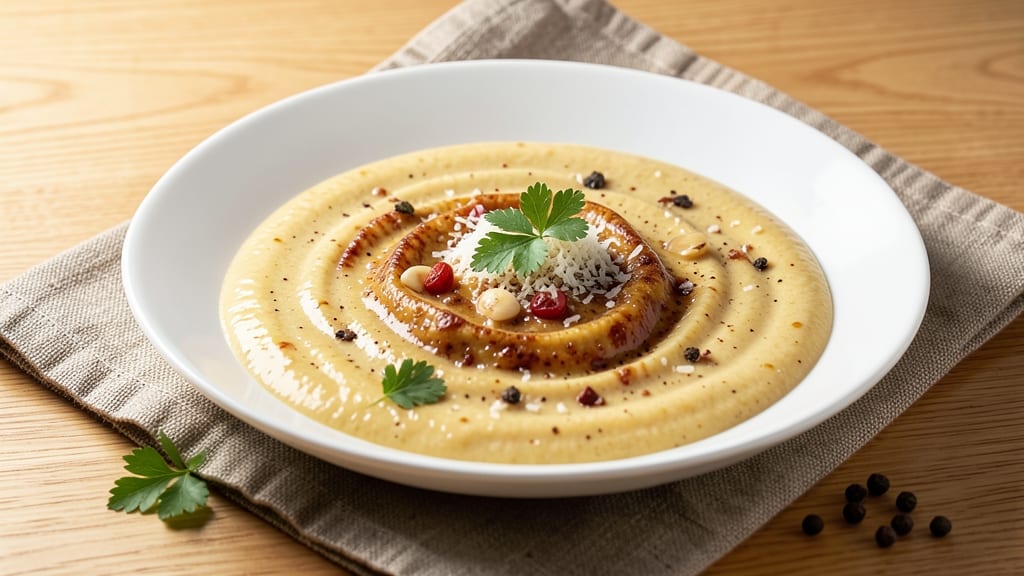
This Alfredo sauce recipe with milk delivers restaurant-quality richness without cream cheese—just butter, milk, and Parmesan working their magic. The secret lies in proper technique: slow reduction and constant stirring transform simple ingredients into a velvety, velvety sauce that clings perfectly to fettuccine.
I've perfected this method over years of testing, ensuring it's foolproof for home cooks while maintaining authentic Italian flavor.
The beauty of this sauce is its versatility—it works equally well with chicken, shrimp, or roasted vegetables, yet requires just 15 minutes of active time.
We'll use whole milk for creaminess (no heavy cream needed) and fresh garlic for depth, then balance with nutmeg and black pepper for that classic Alfredo profile. The sauce thickens beautifully as it simmers, creating that signature glossy finish without lumps or separation.
What makes this recipe stand out is its smooth, velvety texture that comes from proper emulsification—no blender required. We'll incorporate the Parmesan gradually while stirring vigorously, allowing the dairy fats to properly bind.
This method ensures a sauce that's rich but not greasy, with a perfect balance of cheesy depth and creamy smoothness that'll impress even the most discerning pasta lovers.
The best part? This sauce keeps well in the fridge for up to 5 days or freezes beautifully for longer storage. A splash of pasta water can rescue it if it thickens too much, while a sprinkle of fresh parsley adds vibrant color before serving.
Whether you're making a quick weeknight dinner or prepping for a dinner party, this milk-based Alfredo delivers professional results with simple ingredients.
Ingredients for alfredo sauce recipe milk no cream cheese
Nine essential ingredients transform into velvety Alfredo perfection—no cream cheese needed.
| Ingredient | Amount | Notes |
|---|---|---|
| Unsalted Butter 🧈 | ¾ cup | Cold, cubed for gradual melting |
| Whole Milk 🥛 | 1 ½ cups | Room temperature for smooth blend |
| Fresh Garlic Cloves 🧄 | 4 cloves | Minced, for aromatic depth |
| Parmesan Cheese 🧀 | 1 ½ cups | Freshly grated, fine texture |
| All-Purpose Flour 🌾 | ¼ cup | For thickening base |
| Ground Nutmeg 🌿 | ¼ tsp | Freshly grated preferred |
| Ground Black Pepper 🌶️ | ½ tsp | Freshly cracked for intensity |
| Diamond Crystal Kosher Salt 🧂 | ¼ tsp | Adjust to taste |
| Fresh Parsley Leaves 🌿 | ¼ cup | Chopped, for vibrant garnish |
The butter and Parmesan form the sauce's luxurious foundation. European-style butter like Plugrá or Land O'Lakes cultured butter adds depth, while Parmigiano-Reggiano from a specialty store (like Whole Foods or Eataly) delivers authentic umami. For the milk, whole milk with 3.25% fat creates ideal creaminess—avoid skim or almond milk substitutes. The garlic should be freshly minced (not jarred) to prevent bitterness, and the nutmeg must be freshly grated for maximum aroma. Pre-grated spices often contain anti-caking agents that dull flavor.
No nutmeg? Mace or a pinch of cinnamon adds warmth, though nutmeg's distinct peppery note is irreplaceable. Running short on butter? Ghee works identically for a dairy-free adaptation, though the flavor will differ slightly. For a smoother texture, whisk the flour into the milk first to create a roux before combining with butter. The parsley isn't just garnish—it brightens the dish with freshness, so use flat-leaf Italian parsley if available. For storage, transfer the sauce to a glass jar with a tight seal to prevent absorption of fridge odors.
This sauce thickens as it cools, so add 1-2 tablespoons of pasta water when reheating for optimal consistency. It keeps 5 days refrigerated or 3 months frozen in airtight containers. For freezing, cool completely first to prevent ice crystals. When reheating, stir gently over low heat with a splash of milk to restore silkiness. The sauce pairs beautifully with fettuccine, grilled chicken, or roasted broccoli—its versatility makes it a pantry essential worth making in batches.
Why You'll Love This Recipe
- No Heavy Cream Needed: I swear by this trick—just milk, butter, and a touch of flour. No clumpy cream cheese, no weird separation, just smooth, velvety sauce every time. The flour thickens it perfectly while keeping it light.
- Garlic-Parmesan Punch: That first hit of raw garlic sizzling in butter? Chef’s kiss. Then the Parmesan melts in, nutty and sharp, cutting through the richness. It’s the kind of flavor that makes you pause mid-bite—even my garlic-averse husband asks for seconds.
- Weeknight Workhorse: Toss it with fettuccine for dinner, slather it on grilled chicken for lunch, or drizzle it over roasted veggies. The sauce reheats like a dream, so I make a double batch and freeze half. By Friday, I’m the hero who fed everyone without stress.
- Pantry-Friendly Magic: Five ingredients, all things I already have. No specialty stores, no last-minute runs—just butter, milk, and a little flour to tie it all together. And because it’s so simple, I can afford to use the good Parmesan without guilt. Budget win.
Step-by-step instructions for Alfredo sauce with milk no cream cheese
Master this velvety sauce in minutes using only milk and Parmesan—no cream cheese required.
Melt Butter and Bloom the Flour
In a medium saucepan over medium-low heat, melt the 0.75 cup unsalted butter until it's completely liquid but not browned. This gradual melting prevents burning and creates a smooth base. Once melted, reduce heat to low and whisk in the 0.25 cup all-purpose flour all at once.
Cook the flour mixture for 1-2 minutes, stirring constantly, until it forms a thick paste and releases a nutty aroma. This process, called blooming, removes the raw flour taste and creates a roux that will thicken your sauce beautifully. If the mixture smells burnt, you've gone too high on heat—start over with fresh butter.
Add Milk Gradually for Smooth Incorporation
Slowly pour in the 1.5 cups whole milk while whisking vigorously to prevent lumps from forming. I like to add it in a thin stream at first, then gradually increase to a pour as the mixture begins to thicken. Keep the heat at medium-low and continue whisking for 3-4 minutes until the sauce becomes smooth and slightly thickened.
This gradual addition is crucial—adding milk too quickly creates lumps that never fully dissolve. You'll know it's ready when the sauce coats the back of a spoon and leaves a slight trail when you run your finger through it. If it's too thick at this stage, we'll adjust it later with more milk.
Incorporate Garlic and Seasonings
Add the 4 minced fresh garlic cloves, 0.25 tsp ground nutmeg, 0.5 tsp ground black pepper, and 0.25 tsp diamond crystal kosher salt to the saucepan. Stir constantly for 1-2 minutes until the garlic is fragrant but not browned—burnt garlic makes the sauce bitter. The nutmeg adds warmth while the pepper provides a subtle kick that balances the richness.
Taste the sauce at this point. You might find it needs more salt—this is normal since we haven't added the Parmesan yet. Adjust the salt to taste, keeping in mind the cheese will add additional saltiness. The sauce should taste like a blank canvas ready for the final star ingredient.
Add Parmesan for Richness and Thicken
Gradually whisk in the 1.5 cups freshly grated Parmesan cheese until fully incorporated. This is where the magic happens—the cheese melts into the warm milk, creating that signature creamy texture without any dairy substitutes. Keep whisking for 2-3 minutes until the sauce thickens noticeably and becomes luxuriously smooth.
If the sauce is still too thick, thin it with 1-2 tablespoons of milk at a time until it reaches a velvety consistency that coats the back of a spoon. The ideal texture should be thick enough to cling to pasta but still flow smoothly. Here's the thing—real Alfredo sauce should be rich but not gluey. If it's too thick, you can always add more milk later.
Finish and Garnish
Remove the sauce from heat and stir in the 0.25 cup chopped fresh parsley leaves. The parsley adds freshness and vibrant color that contrasts beautifully with the creamy sauce. Let the sauce sit off the heat for 2-3 minutes—this resting period allows the flavors to meld completely and the sauce to reach its peak consistency.
For serving, gently reheat the sauce if needed, adding just enough milk to reach your desired consistency. The sauce should be hot but not boiling when served over pasta. Remember, freshly made Alfredo sauce continues to thicken as it cools, so it's better to have it slightly thinner when you serve it. Garnish with additional parsley and freshly cracked black pepper for that restaurant-quality presentation.
Pro Tips For Making Alfredo Sauce Recipe Milk No Cream Cheese
- Cook Butter Slowly: Don’t rush melting the butter—let it bubble gently over medium heat for 2-3 minutes before adding garlic. This cooks off the moisture first, so your sauce doesn’t turn into a greasy, watery mess when the milk hits it. (Yes, even if you’re impatient like me.)
- Mince Garlic Like Snow: Use a knife to finely mince the garlic into tiny specks—think snowflakes, not slabs. Raw garlic chunks burn fast and make the sauce bitter, while finely minced garlic infuses smoothly without overpowering. (I learned this the hard way when my sauce tasted like charred garlic.)
- Whisk Like You Mean It: After adding milk, stir constantly for at least 5 minutes—no lazy stirring. The sauce needs time to thicken properly, and skipping this step means you’ll end up with a thin, soupy sauce. (Your future self will thank you for the extra elbow grease.)
- Toast the Flour First: Cook the flour in the butter for 1-2 minutes before adding milk—it removes the raw flour taste and adds depth. Just don’t let it brown, or you’ll get a nutty, off-flavor that ruins the creamy texture. (Sounds weird, but it works.)
Dietary considerations for alfredo sauce recipe milk no cream cheese
Lactose-Free Adaptation
For a lactose-friendly version, replace the whole milk with 1.5 cups lactose-free milk (like Fairlife or Organic Valley) and use 1.5 cups lactose-free Parmesan (brands like Violife or Green Vie work well).
The texture remains velvety, though you may need an extra 1 tablespoon cornstarch mixed with 1 tablespoon cold water to help thicken it properly. 💛
Dairy-Free Options
To make this completely dairy-free, swap the butter for 0.75 cup coconut oil (melted) and use 1.5 cups unsweetened almond milk (like Silk) combined with 0.5 cup nutritional yeast for cheesy flavor.
For richness, add 2 tablespoons cashew butter while simmering. The sauce will be lighter but still clings beautifully to pasta.
Gluten-Free Version
Simply replace the all-purpose flour with 0.25 cup gluten-free flour blend (like Bob's Red Mill 1-to-1) or 0.25 cup cornstarch. The sauce will thicken just as effectively, though cornstarch may require slightly lower heat to prevent graininess. Always whisk vigorously when adding the gluten-free flour to avoid clumping.
Nut-Free Considerations
If nut allergies are a concern, avoid almond milk or cashew butter substitutions. Instead, use 1.5 cups oat milk (like Oatly) and thicken with 0.25 cup arrowroot powder instead of flour.
The arrowroot creates a silky texture without any nut content, though the sauce will have a slightly lighter body.
Vegetarian Protein Boost
For extra protein, stir in 0.5 cup silken tofu (blended smooth) or 0.5 cup white beans (rinsed and drained) while the sauce simmers. Both options add creaminess and protein without altering the sauce's signature texture.
I find white beans work particularly well—they blend seamlessly and add a subtle earthiness that complements the Parmesan.
Nutrition facts
Frequently asked questions
Why does this recipe work without cream cheese?
The secret lies in the perfect balance of butter, milk, and Parmesan. Butter provides the rich fat base, milk adds creaminess without heaviness, and Parmesan delivers that signature cheesy depth. The gradual whisking technique creates a smooth emulsion that mimics cream cheese's texture without needing it. Plus, fresh garlic and nutmeg enhance the sauce's complexity naturally.
Can I make this sauce ahead of time?
This sauce actually tastes better the next day as the flavors meld. Store it in an airtight container in the fridge for up to 5 days. When reheating, stir gently over low heat with a splash of milk to restore its velvety consistency. For freezing, cool completely first, then freeze for up to 3 months in airtight containers.
What if my sauce gets too thick?
Don't worry—this happens often! Simply thin it with 1-2 tablespoons of milk or pasta water while whisking gently. The sauce will continue to thicken as it cools, so it's better to have it slightly thinner when serving. For reheating, add milk gradually until you reach the perfect creamy consistency that clings beautifully to pasta.
Can I use heavy cream instead of milk?
While heavy cream will make the sauce richer, it's not necessary for this recipe. The butter and milk combination already creates a luxuriously smooth texture. If you prefer a thicker sauce, you can substitute 1 cup of milk with 0.5 cup heavy cream, but reduce the butter slightly to 0.6 cup to maintain balance. The sauce will be more decadent but still maintain its signature smoothness.
What's the best way to prevent lumps?
Lumps happen when flour or cheese isn't properly incorporated. Always whisk vigorously when adding flour to melted butter, and pour milk in slowly while stirring constantly. For the Parmesan, add it gradually while whisking continuously. If lumps appear, immediately whisk in 1 tablespoon of milk and keep stirring until smooth. Using freshly grated cheese also helps prevent clumping.