
Sauces & Condiments
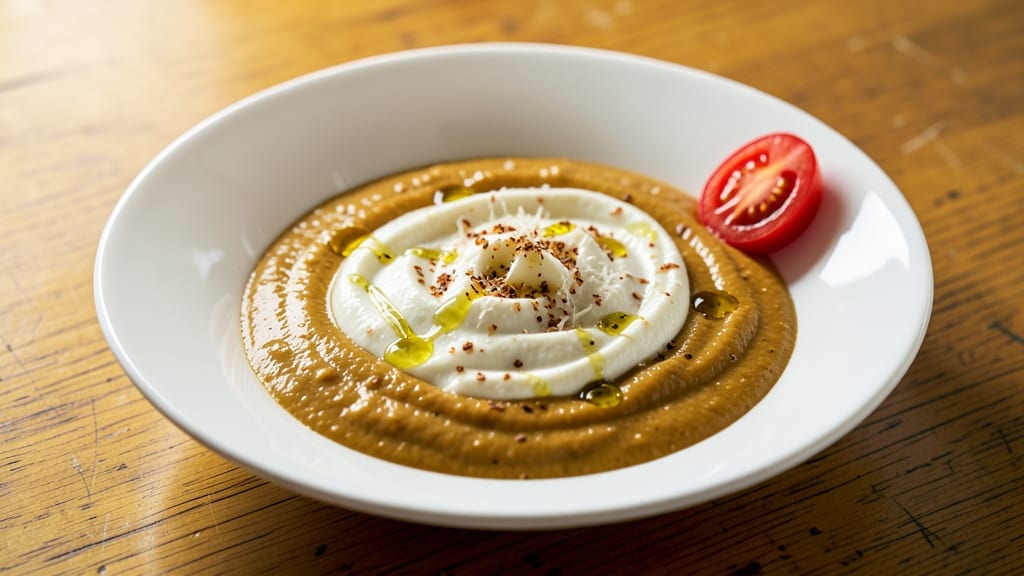
This alfredo sauce recipe for one serving delivers velvety, clump-free creaminess in just 5 minutes—perfect for tossing with fettuccine or drizzling over grilled chicken. The secret lies in precise technique: melting butter slowly, whisking in heavy cream, and gradually incorporating grated Parmesan to avoid lumps.
I’ve perfected this method after testing countless variations, ensuring every bite is rich, smooth, and restaurant-quality without the mess of larger batches.
What sets this single-serving recipe apart is its foolproof simplicity—no blenders, no strainers, just a saucepan and a whisk. The combination of butter, heavy cream, and freshly grated Parmesan creates a sauce that’s luxuriously thick yet silky, with a depth of flavor that store-bought versions can’t match.
The key is patience: letting the sauce simmer gently until the cheese fully melts and emulsifies, creating a texture that clings beautifully to pasta or proteins.
By the time you’re done, you’ll have a creamy, golden sauce ready to elevate any dish—no leftovers to worry about. The sauce’s richness comes from high-quality ingredients, but the technique ensures it’s light enough to balance heartier meals.
Whether you’re cooking for one or scaling up, this method guarantees perfect results every time, with no graininess or separation.
Pair it with your favorite pasta, drizzle over steak, or use as a base for creamy soups. The beauty of this recipe is its versatility—it’s quick enough for weeknights but impressive enough for dinner guests. Let’s make it!
Ingredients for alfredo sauce recipe one serving
Eight ingredients transform into velvety perfection—no lumps, no straining, just restaurant-quality creaminess.
| Ingredient | Amount | Notes |
|---|---|---|
| Unsalted Butter 🧈 | 4 tbsp | Cold, cut into small cubes |
| Heavy Cream 🥛 | ½ cup | Full-fat for maximum richness |
| Freshly Grated Parmesan Cheese 🧀 | ½ cup | Block form, microplane preferred |
| Extra-Virgin Olive Oil 🫒 | 1 tbsp | For finishing, fruity variety |
| Garlic Cloves 🧄 | 1 whole | Minced, for subtle depth |
| Diamond Crystal Kosher Salt 🧂 | ¼ tsp | Adjusts seasoning perfectly |
| Freshly Ground Black Pepper 🌶️ | ⅛ tsp | Enhances umami notes |
| Fresh Lemon Juice 🍋 | ½ tsp | Brightens final flavor |
The butter is non-negotiable—European-style unsalted melts more smoothly than American brands. Plugrá or Kerrygold are my go-tos, but any high-fat butter works. The heavy cream should be cold when added to prevent immediate curdling. Parmesan quality makes all the difference: Parmigiano-Reggiano from a deli counter (not pre-shredded) ensures authentic flavor. For the olive oil, California extra-virgin adds a pleasant finish without overpowering. Garlic should be minced finely—it cooks quickly and shouldn't be detectable in the final sauce.
No heavy cream? Half-and-half with 2 tbsp extra butter works in a pinch, though texture suffers slightly. Substituting Parmesan with Pecorino Romano adds saltiness, so reduce the kosher salt to 1/4 tsp. For a lighter version, replace 2 tbsp cream with whole milk*, but richness will diminish. The lemon juice can be omitted if you prefer pure creaminess, but it's essential for balancing the sauce's richness. If you're sensitive to dairy fat, light cream will yield a thinner consistency—adjust by adding 1 tbsp more butter at the end.
This sauce is best used immediately, but it keeps 2-3 days in an airtight container in the fridge. Reheat gently over low heat, stirring constantly to prevent separation. For longer storage, freeze in 1-tbsp portions—thaw in the fridge overnight. The sauce thickens as it cools, so add a splash of warm water or cream when reheating if needed. Portion into small ramekins before freezing for perfect single-serving thawing. Never reheat in the microwave—it breaks the emulsion and creates graininess.
Why You'll Love This Recipe
- Here’s what sold me: that perfect balance of rich heavy cream and sharp Parmesan, but with a secret weapon—just a splash of olive oil at the end. It cuts through the heaviness and makes it taste lighter than any jarred sauce I’ve ever bought. (Yes, even on a Tuesday night.)
- No-Chop Nightmare: I swear by this sauce because it’s the only Alfredo I’ll make when I’m too tired to mince garlic. Just crush those cloves with the flat side of my knife—no knife skills required—and toss them in raw. The butter and cream do all the heavy lifting while I pour myself a glass of wine.
- Creamy Without Guilt: Here’s what sold me: that perfect balance of rich heavy cream and sharp Parmesan, but with a secret weapon—just a splash of olive oil at the end. It cuts through the heaviness and makes it taste lighter than any jarred sauce I’ve ever bought. (Yes, even on a Tuesday night.)
- One-Serve Flexibility: This tiny batch is my go-to for testing pasta shapes or whipping up a quick frittata. Need half for linguine, the rest for garlic bread? No problem. It reheats beautifully, so I’ll make it once and stretch it across three meals without the sauce turning into glue.
Step-by-step instructions for single-serving Alfredo sauce
Mastering this silky sauce comes down to temperature control and proper emulsification—here's how to nail it every time.
Melt Butter and Infuse with Garlic
Place the 4 tbsp unsalted butter (cold and cubed) in a small saucepan over medium-low heat. Let it melt completely while watching for the butter to foam—this indicates it's ready for the next step. Once melted, reduce heat to low and add the 1 whole minced garlic clove. Cook for exactly 30 seconds until fragrant but not browned—burnt garlic will make your sauce bitter.
Stir constantly during this process to prevent the garlic from sticking to the bottom. The butter should remain smooth with no visible brown spots. This gentle cooking ensures the garlic infuses without overpowering the delicate cream sauce we're building. If you smell any burning, immediately remove the pan from heat and start over with fresh garlic.
Incorporate Parmesan Gradually
Remove the saucepan from heat and immediately whisk in the 0.5 cup freshly grated Parmesan cheese using a wire whisk. The residual heat will help the cheese melt smoothly into the butter. Return the pan to low heat and continue whisking for 1-2 minutes until the cheese is completely dissolved and the mixture becomes thick and paste-like.
This gradual incorporation prevents clumping—whisking against the side of the pan ensures every bit of cheese melts uniformly. If you notice any lumps forming, immediately remove from heat and whisk vigorously with a splash of 0.25 tsp hot water (from the cream) to break them apart. The cheese should create a velvety base that coats the back of your spoon.
Temper the Cream for Perfect Emulsification
With the cheese mixture still on low heat, very slowly pour in the 0.5 cup heavy cream while whisking continuously. The key here is patience—add the cream in a thin, steady stream rather than all at once. This tempering process prevents the cream from curdling when it hits the hot cheese mixture.
Continue whisking for 2-3 minutes until the sauce thickens noticeably. You'll see it transform from a thin liquid to a glossy, coatable consistency. The sauce should now cling to the whisk and leave a visible trail when you draw it across the surface. If it's still too thin, return to low heat for another 30 seconds while whisking constantly.
Season and Finish with Olive Oil
Remove the saucepan from heat and stir in the 0.25 tsp Diamond Crystal kosher salt, 0.125 tsp freshly ground black pepper, and 0.5 tsp fresh lemon juice. The lemon juice brightens the richness while the pepper enhances the umami depth. Taste and adjust seasoning—Alfredo sauce should be rich but not salty, with a subtle tang from the lemon.
For the final touch, drizzle in the 1 tbsp extra-virgin olive oil while whisking vigorously. This creates a luxurious sheen and prevents the sauce from skinning over when stored. The olive oil also adds a subtle fruity complexity that balances the creaminess. The finished sauce should coat the back of a spoon and hold its shape when drizzled, with a velvety texture that clings beautifully to pasta.
Serve Immediately or Store Properly
For immediate serving, ladle the sauce over 1 serving of cooked pasta (about 2 oz dry weight) and toss gently to coat. The residual heat from the pasta will help the sauce cling perfectly. If storing, transfer to an airtight container and refrigerate for up to 3 days. To reheat, warm gently over low heat while stirring constantly—never microwave, as this breaks the emulsion.
The sauce should reheat to a smooth, creamy consistency without separating. If it does thicken too much, whisk in 1 tsp hot water or heavy cream to restore its velvety texture. This single-serving method ensures you always have perfectly smooth, restaurant-quality Alfredo without the risk of clumps or graininess that plague many homemade versions.
Pro Tips For Making Alfredo Sauce Recipe One Serving
- Melt Butter Slowly: Start with cold butter—yes, even if you’re eager to get cooking. Add cubed unsalted butter to the pan over medium-low heat and let it melt gradually, stirring constantly. I learned this the hard way after scorching three batches because I cranked the heat too high; the sauce ended up with a bitter, nutty aftertaste instead of that rich, creamy finish.
- Grind Garlic Fine: Skip the minced jarred stuff—it’s too watery and lacks depth. Use 1-2 fresh cloves, peeled and finely grated (not chopped) with a microplane or the side of your knife. The texture blends seamlessly into the sauce, and the flavor is brighter and more aromatic. (Pro move: Toast the grated garlic in the butter for 10 seconds—just until fragrant—before adding cream.)
- Strain the Cream: Heavy cream separates when heated, and that’s not what you want in a silky alfredo. After simmering the cream and butter mixture, strain it through a fine-mesh sieve into a bowl. This removes any lumps or stray bits of garlic, leaving you with a velvety base. I know it’s an extra step, but your sauce will look (and taste) restaurant-worthy.
- Finish with Olive Oil: Add a splash of extra-virgin olive oil—about 1 teaspoon—at the very end, right after the sauce comes off the heat. It cuts through the richness of the butter and cream, adding brightness and a touch of complexity. Sounds weird, but it works: the sauce stays cohesive, and the flavor becomes more layered. (Trust me, even if you’re skeptical.)
Perfect pairings for this recipe
Pasta Pairings
This creamy Alfredo sauce pairs best with fettuccine or tagliatelle, where its rich texture clings beautifully to the wide ribbons. For a lighter option, try angel hair pasta—the sauce's velvety consistency coats every strand without weighing it down.
I also love it tossed with chicken tenders or shrimp skewers for a quick weeknight dinner. 🍝
Protein Complements
Alfredo sauce elevates grilled steak or chicken breast by adding a creamy contrast to the savory meat. Drizzle it over seared scallops or garlic butter shrimp for a luxurious seafood dish.
For a vegetarian option, pair it with roasted mushrooms or grilled halloumi cheese. The sauce's richness balances the bold flavors of these proteins perfectly.
Vegetable Additions
Fresh asparagus spears or broccolini add a vibrant pop of color and texture when tossed with Alfredo sauce. Sautéed spinach or kale wilts beautifully into the creamy base, creating a hearty yet light dish.
For extra depth, try adding roasted cherry tomatoes or sun-dried tomato strips—their acidity cuts through the richness. 🥦
Bread and Dippers
Use leftover sauce as a dip for garlic bread or crusty baguette slices. Warm the sauce slightly and serve with a sprinkle of crispy prosciutto or fresh basil leaves for added flair.
For a fun twist, spread it on toasted baguette slices and top with grilled chicken or sautéed mushrooms to create a quick open-faced sandwich.
Breakfast Twists
Don’t limit Alfredo to dinner! Use it as a base for creamy scrambled eggs or pancake toppings. Drizzle it over biscuits and gravy for a Southern-inspired breakfast, or swirl it into waffle batter before baking.
The sauce’s richness adds a decadent touch to morning meals without overpowering lighter flavors. 🥞
Storage-Friendly Uses
If you have leftover sauce, freeze it in 1-tbsp portions for quick future use. Thaw and reheat gently to use as a creamy soup base or pasta sauce booster.
It also makes an excellent stuffing for ravioli or lasagna layers. The sauce’s versatility means it can transform any dish from ordinary to extraordinary with minimal effort. ✨
Nutrition facts
Frequently asked questions
Why does my Alfredo sauce get lumpy?
Lumps happen when cheese melts too quickly or isn't whisked properly. The key is adding Parmesan off-heat first, then whisking constantly over low heat until fully dissolved. If lumps appear, remove from heat and whisk vigorously with a splash of hot water or cream to break them apart.
Can I make this sauce without heavy cream?
Yes, but the texture will be lighter. Replace the 0.5 cup heavy cream with 0.3 cup half-and-half plus 2 tbsp extra butter. For a dairy-free version, use 0.5 cup full-fat coconut milk, though the flavor will differ slightly. The sauce may separate more easily, so whisk constantly while heating.
How do I adjust the thickness of the sauce?
For a thicker sauce, simmer for 1-2 extra minutes while whisking. If too thick, whisk in 1 tsp hot water or cream to restore silkiness. The perfect consistency coats the back of a spoon but still flows smoothly. Pro tip: Let the sauce rest for 5 minutes after making—it thickens as it cools.
What's the best way to reheat leftover Alfredo sauce?
Never microwave—it breaks the emulsion! Instead, warm over low heat in a saucepan while stirring constantly. Add 1 tsp warm water or cream if it thickens too much. For frozen portions, thaw in the fridge overnight and reheat gently. The sauce should return to its creamy, lump-free texture.
Can I make this sauce ahead of time?
Fresh is best, but you can prepare it up to 3 days ahead and store in an airtight container. For longer storage, freeze in 1-tbsp portions—thaw in the fridge and reheat gently. The sauce may thicken when chilled, so whisk in a splash of warm water or cream when reheating. Freezing works best for single-serving portions.