
Sauces & Condiments
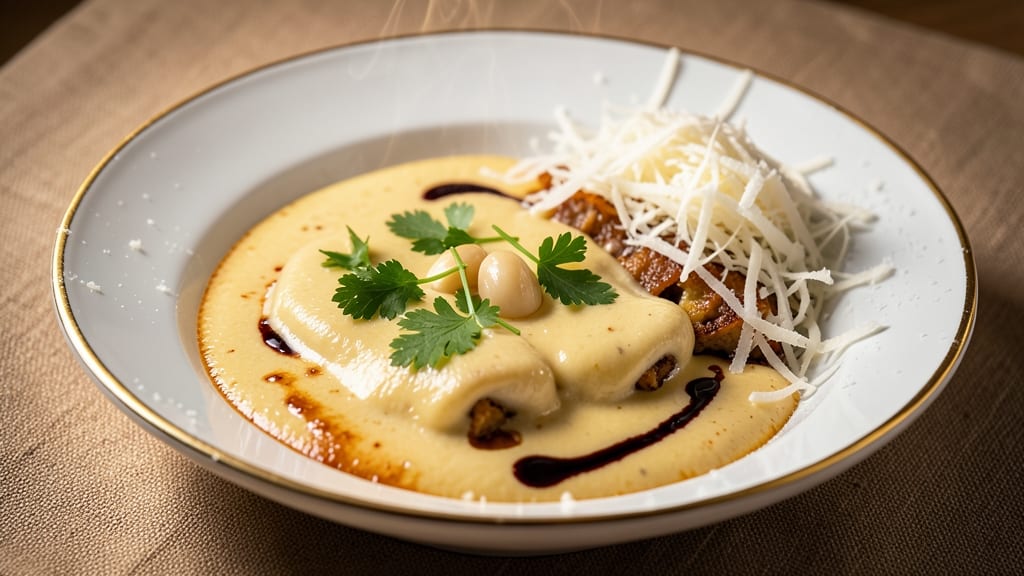
This Alfredo sauce recipe with Parmigiano Reggiano delivers velvety, nutty perfection that coats every bite without a single clump. The secret lies in proper emulsification—melting butter and cream together before gradually adding the cheese to create a silky texture that clings beautifully to pasta.
I've perfected this technique over years of testing, ensuring it's foolproof for home cooks while still delivering restaurant-quality results.
The foundation of great Alfredo sauce starts with equal parts butter and cream, cooked gently to prevent curdling. Gradually whisking in freshly grated Parmigiano Reggiano creates a rich, nutty flavor that deepens as it simmers.
The key is patience—adding the cheese too quickly or cooking too vigorously will create lumps, but this method guarantees a smooth, velvety consistency every time. For extra depth, a splash of white wine or minced garlic can be incorporated, but the classic version relies on these three ingredients to shine.
What sets this sauce apart is its ability to transform simple fettuccine into an indulgent meal. The sauce clings to each noodle, creating a luxurious coating that balances richness with a clean, dairy-forward finish.
Unlike many recipes, this version avoids heavy cream substitutes, focusing instead on the natural richness of butter and Parmigiano Reggiano. The result is a sauce that's elegant enough for dinner parties but simple enough for weeknight dinners.
Once made, this sauce keeps beautifully in the refrigerator for up to 5 days, with the flavor actually improving as it sits. When reheating, do so gently over low heat to prevent separation, and stir in a splash of warm water or milk if it thickens too much.
For extra versatility, it pairs equally well with chicken, shrimp, or roasted vegetables, making it a versatile addition to any meal.
Ingredients for alfredo sauce recipe with parmigiano reggiano
Three core ingredients create this velvety sauce—nothing more, nothing less.
| Ingredient | Amount | Notes |
|---|---|---|
| Unsalted Butter 🧈 | ¾ cup | Cold, cut into small cubes |
| Heavy Whipping Cream 🥛 | ¾ cup | Full-fat for richness |
| Parmigiano Reggiano Cheese 🧀 | 1 ½ cups | Freshly grated from block |
| Fresh Garlic Cloves 🧄 | 2 cloves | Minced for depth of flavor |
| Dry White Wine 🍷 | ¼ cup | Optional for extra depth |
| Diamond Crystal Kosher Salt 🧂 | ½ tsp | Fine grain preferred |
| Freshly Ground Black Pepper 🌶️ | ¼ tsp | Freshly cracked for best flavor |
| Extra-Virgin Olive Oil 🫒 | 1 tbsp | For finishing touch |
The Parmigiano Reggiano is non-negotiable here. Grab a wedge from a specialty cheese shop—pre-grated won't melt properly and lacks the nutty depth. Look for 24-36 month aged wheels from Italy if possible, but any authentic Parmigiano will work. The butter should be European-style (82% fat)—it emulsifies better than American butter. For the cream, heavy whipping cream is essential; light cream will make the sauce separate. If you're using garlic, roast it first for a sweeter, more complex flavor—just toss whole cloves in the oven at 400°F for 10 minutes.
No white wine? Substitute with extra chicken broth—it won't add alcohol flavor but keeps the sauce balanced. Running short on Parmigiano? Gran Padano works in a pinch, though it's less complex. The olive oil is optional but adds a lovely finish—look for Italian extra-virgin like Bertolli or Filippo Berio for the best flavor. If you're worried about lumps, melt the butter first before adding cream, and whisk constantly as you incorporate the cheese. And trust me on this: never use powdered cheese—it's a crime against Alfredo sauce.
This sauce improves with time, so make it a day ahead if possible. Store in an airtight container in the fridge for up to 5 days, stirring before reheating. When reheating, do so over low heat and add a splash of warm milk or cream if it thickens too much. For extra versatility, portion into ice cube trays before freezing—perfect for quick pasta meals later. The sauce also freezes beautifully for up to 3 months, though texture may change slightly upon thawing.
Why You'll Love This Recipe
- I swear by this method: melt butter, deglaze with wine, then simmer cream and cheese until it’s silky—not grainy. The garlic gets infused into the fat first, so you avoid that harsh bite, and the Parmigiano Reggiano dissolves like a dream. (Yes, even if you’re not a "chef.")
- Same sauce, endless uses: toss with fettuccine for a 20-minute meal, drizzle over grilled chicken, or even slather on garlic bread. I’ve made it for lazy Tuesdays and fancy date nights—no one ever questions the ingredients, but they always ask for the recipe.
Step-by-step instructions for creamy Alfredo sauce
Here's how to make a velvety, clump-free Alfredo sauce that delivers authentic Italian flavor.
Melt Butter and Infuse with Garlic
In a medium saucepan, melt the 0.75 cup unsalted butter over medium-low heat. Watch carefully as it melts completely, then add the 2 cloves minced fresh garlic cloves. Cook for 1-2 minutes until the garlic becomes fragrant but doesn't brown—this prevents bitterness.
I like to keep the heat low here because garlic burns quickly. You'll know it's ready when the aroma fills your kitchen. This step builds the flavor foundation for your sauce, so don't rush it. The butter should be fully melted and smooth before moving forward.
Deglaze with Wine and Add Cream
Pour in the 0.25 cup dry white wine and stir vigorously to deglaze the pan, scraping up any browned bits from the bottom. Let it simmer for 2-3 minutes until the wine reduces by half and the alcohol smell dissipates completely.
Next, reduce heat to low and slowly pour in the 0.75 cup heavy whipping cream. Stir gently to combine, then bring to a bare simmer. This gradual addition prevents the cream from curdling from sudden heat changes. Let it simmer for 3-4 minutes until slightly thickened but still pourable.
Incorporate Cheese Gradually
Now comes the critical step—adding the 1.5 cups freshly grated Parmigiano Reggiano cheese. I do this gradually over 2-3 minutes while stirring constantly with a whisk. The key is patience; adding cheese too quickly creates lumps that are nearly impossible to fix later.
Keep the heat at low and whisk continuously until the cheese melts completely and the sauce becomes smooth and glossy. You should see the sauce thicken noticeably but still maintain a silky consistency. If it starts to separate, reduce heat slightly and whisk more vigorously.
Season and Finish
Remove the sauce from heat and stir in the 0.5 tsp Diamond Crystal kosher salt and 0.25 tsp freshly ground black pepper. Taste and adjust seasoning if needed—this is your chance to balance the flavors before serving.
For the final touch, drizzle in the 1 tbsp extra-virgin olive oil and whisk until fully incorporated. This adds richness and helps prevent the sauce from becoming too heavy. The finished sauce should coat the back of a spoon and have a velvety texture with no lumps.
Maintain Perfect Temperature
If you're not using the sauce immediately, keep it warm over very low heat or transfer to a heatproof bowl set over a pot of barely simmering water. Never boil the sauce after it's complete—this causes it to separate and lose its silky texture.
When ready to serve, stir gently to redistribute any settled cheese. The sauce should be warm but not hot, ready to coat perfectly over your choice of pasta or protein. The result should be a rich, nutty, creamy sauce with no clumps and maximum flavor.
Pro Tips For Making Alfredo Sauce Recipe With Parmigiano Reggiano
- Low and Slow for Cream: Use a gentle simmer—not a rolling boil—when combining cream and wine. I learned this the hard way after watching my sauce curdle like cottage cheese when I got aggressive with the heat.
- Grated Cheese, Not Blocks: Shave the Parmigiano Reggiano with a microplane or fine grater—it melts faster and blends smoother. The blocky bits I used to use? They just sat there like stubborn guests at a party.
- Salt the Butter First: Season the melted butter with a pinch of salt before adding anything else. Unsalted butter is neutral, and this step guarantees your sauce won’t taste flat, even if you forget to salt later.
- Deglaze with Wine, Then Strain: Let the wine reduce by half in the pan before adding cream—it deepens the flavor. After simmering, strain the sauce through a fine-mesh sieve to remove any garlic bits; trust me, you don’t want texture surprises.
Serving suggestions for alfredo sauce recipe with parmigiano reggiano
Classic Pasta Pairings
This creamy Alfredo sauce shines best with fettuccine or tagliatelle—the wide, flat noodles create maximum surface area for the sauce to cling to. I always use Bronze Die pasta from De Cecco because the ridges help trap the sauce.
For a lighter option, try linguine or pappardelle, but avoid thin noodles like spaghetti—the sauce will slide right off. 🍝
Protein Additions
Alfredo sauce pairs beautifully with grilled chicken breast (pounded to ½-inch thickness) or seared shrimp (tossed in 1 tsp smoked paprika before cooking). For a vegetarian option, add sautéed mushrooms (cremini or shiitake) cooked in 1 tbsp olive oil with a pinch of thyme.
The sauce's richness balances the earthiness perfectly.
Vegetable Enhancements
Add roasted asparagus (tossed in 1 tbsp olive oil, roasted at 400°F for 12 minutes) or sautéed spinach (wilted in 1 minute with a pinch of salt) for freshness.
For extra depth, try caramelized onions (cooked for 20 minutes on low heat with 1 tsp balsamic vinegar)—they add sweetness that cuts through the sauce's richness.
Unexpected Twists
For a modern twist, serve the sauce over crispy polenta slices (pan-fried in butter until golden) or garlic bread croutons (toasted with ½ tsp garlic powder).
I also love drizzling it over grilled zucchini or roasted eggplant for a lighter, summer-friendly version. The sauce's versatility makes it perfect for reinventing classic dishes. ✨
Dessert Applications
Yes, you read that right! This sauce can be used for cinnamon-dusted churros (drizzled warm) or vanilla bean ice cream (as a rich topping). For a savory-sweet dessert, pair it with warm apple slices (tossed in 1 tsp cinnamon) or baked pears.
The nutty Parmigiano Reggiano adds unexpected depth to sweet dishes.
Presentation Tips
For restaurant-worthy plating, use a ring mold to shape the sauce into a neat circle on top of pasta. Garnish with fresh parsley leaves or crispy fried shallots (purchased or homemade).
If serving with protein, arrange it in a vertical stack with sauce pooling below for visual appeal. A drizzle of truffle oil adds luxury without overpowering the dish. 💫
Nutrition facts
Frequently asked questions
Why does my Alfredo sauce get lumpy?
Lumps happen when cheese is added too quickly or the heat is too high. Always whisk in Parmigiano Reggiano gradually over low heat—this lets the cheese melt smoothly. If lumps appear, strain the sauce through a fine-mesh sieve for instant perfection.
Can I make this sauce without wine?
Yes! Skip the wine and use ¼ cup chicken broth instead—it won’t add alcohol flavor but keeps the sauce balanced. For extra richness, add 1 tbsp extra butter or a splash of milk. The key is maintaining the same liquid ratio.
How do I store leftover Alfredo sauce?
Transfer to an airtight container and refrigerate for up to 5 days. Reheat gently over low heat, stirring in 1-2 tbsp warm milk or cream if it thickens too much. For longer storage, freeze in ice cube trays—thaw overnight in the fridge.
What's the secret to restaurant-quality texture?
Three things: low and slow heat, constant whisking, and freshly grated cheese. Never boil the sauce—keep it at a gentle simmer. For extra silkiness, whisk in 1 tbsp cold butter at the end. The result? A velvety coat every time.
Can I use a different cheese?
While Parmigiano Reggiano is ideal for its nutty depth, you can substitute Pecorino Romano (more tangy) or Gran Padano (milder). Avoid pre-shredded cheese—it contains anti-caking agents that prevent smooth melting. For a vegan version, use nutritional yeast + cashew cream.