
Sauces & Condiments
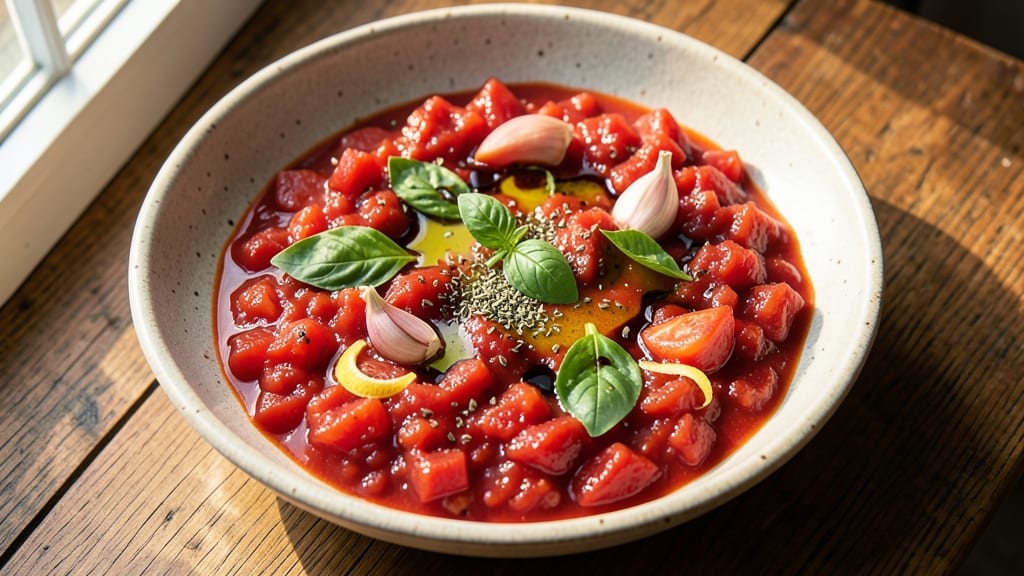
This all day marinara sauce recipe transforms simple canned tomatoes into a velvety, deeply flavored sauce with restaurant-quality depth—no clumps, no chunks, just smooth perfection.
The secret lies in a slow simmer that develops complex flavors while breaking down the tomatoes naturally, creating a sauce so versatile it elevates everything from pasta to pizza.
I've perfected this method over years of testing, ensuring every batch delivers that perfect balance of tangy, sweet, and herby notes that disappear too quickly from grocery store shelves.
The process is surprisingly straightforward: blend canned tomatoes with garlic, olive oil, and fresh herbs, then let it simmer uncovered for at least 2 hours (the longer it cooks, the richer it becomes). This slow simmering caramelizes the natural sugars in the tomatoes, deepening their flavor without needing added sugar.
The result is a sauce with a velvety texture and layers of umami that cling to every bite of your favorite dishes. No blender? No problem—simply crush the tomatoes by hand for a rustic texture that still delivers incredible flavor.
What makes this marinara truly special is its versatility—use it as a classic pasta sauce, drizzle it over wood-fired pizza, or even serve it as a dipping sauce for crusty bread.
The sauce thickens beautifully as it cooks, so you can adjust the consistency to your preference by adding water or simmering longer.
When stored properly in the fridge, it keeps for up to 5 days, and freezes perfectly for up to 3 months, making it the ultimate pantry staple for busy weeknights or meal prep.
Once you taste this slow-simmered marinara, you'll never settle for store-bought again. The key is patience—letting the flavors develop over time transforms ordinary ingredients into something extraordinary. Here's how to make it, step by step, for a sauce that's as impressive as it is delicious.
Ingredients for all day marinara sauce
Velvety, deeply flavored sauce starts with these nine essential ingredients—transforming simple cans into restaurant-quality perfection.
| Ingredient | Amount | Notes |
|---|---|---|
| San Marzano Whole Canned Tomatoes 🍅 | 28 oz | Crushed by hand or blended |
| Extra-Virgin Olive Oil 🫒 | ½ cup | High-quality, fruity variety |
| Garlic Cloves 🧄 | 6 cloves | Freshly minced for depth |
| Fresh Basil Leaves 🌿 | ½ cup | Packed, stems removed |
| Dried Oregano 🍃 | 1 tsp | Mexican oregano preferred |
| Red Wine Vinegar 🍷 | 1 tbsp | For bright acidity |
| Granulated Sugar 🍚 | 1 tsp | Balances acidity naturally |
| Salt 🧂 | 1 ½ tsp | Diamond Crystal preferred |
| Freshly Ground Black Pepper 🌶️ | ½ tsp | Freshly cracked for heat |
San Marzano tomatoes are non-negotiable here—their sweetness and low acidity create a naturally rich base. Trader Joe's carries them year-round, or check the Italian section at Whole Foods for the best quality. Fresh basil is ideal, but if you're using dried, reduce to one-third the amount—the flavor just can't compare. For olive oil, splurge on a high-quality extra-virgin like Colavita or California Olive Ranch; it makes all the difference in the final depth of flavor. The garlic should be freshly minced just before adding to the pot—pre-minced cloves lose their punch fast.
No San Marzano tomatoes? High-quality crushed tomatoes in a heavy-duty can will work, but avoid brands with added salt or sugar. Swap red wine vinegar for lemon juice if you're avoiding alcohol, though the acidity won't be as complex. Dried basil is a last resort, but if you must use it, toast the leaves lightly in a dry pan first to wake up the flavor. The sugar is purely for balancing the acidity—no need to adjust sweetness further. For extra umami, add 1 tsp fish sauce (optional) or a pinch of miso paste. The key is patience: let the sauce simmer uncovered for at least 2 hours—the longer it cooks, the deeper the flavor.
This sauce thickens beautifully as it cooks, but if it gets too thick, simply add 1-2 tbsp water or broth to loosen. Store in an airtight glass jar in the fridge for up to 5 days—the flavors only improve over time. For longer storage, freeze in ice cube trays for single-serving portions, or in 1-cup jars for larger batches. Thaw overnight in the fridge or reheat directly from frozen on low heat, stirring occasionally. The sauce reheats beautifully—just add a splash of water if it thickens too much. Freezes perfectly for up to 3 months without losing quality.
Why You'll Love This Recipe
- No Chopping Needed: I swear, the San Marzano tomatoes do all the work—just crush them with your hands (or a wooden spoon) and let them simmer. That’s it. No dicing, no peeling, no stress.
- Garlic-Basil Magic: The moment I crush those garlic cloves into the olive oil and let them bloom, then add fresh basil at the end? Pure satisfaction. It’s bright, aromatic, and hits every time without fail.
- Weeknight to Potluck: This sauce starts on a Tuesday night with spaghetti and ends up in my freezer for lasagna or bruschetta by Friday. Honestly, I’ve even used it to top grilled cheese—yes, really.
- Fridge-Friendly Goldmine: A full batch makes 4-5 meals, and it actually tastes better the next day. I’ll be real: I’ve had it last a week in the fridge, and it’s still my secret weapon for lazy nights.
Step-by-step instructions for all day marinara sauce
Here's how to build a deeply flavorful marinara that develops complexity over time without clumping or losing texture.
Crush the Tomatoes for Maximum Flavor
Pour the 28 oz San Marzano whole canned tomatoes into a large bowl. Using your hands or a clean wooden spoon, crush them against the bowl's sides until you achieve a rough, rustic texture—about 20-25% should remain whole, with the rest broken into medium chunks. This balance prevents a puree while releasing juices that form the sauce's base.
Transfer the crushed tomatoes to a heavy-bottomed saucepan (I prefer stainless steel or enameled cast iron). The uneven surface helps prevent sticking and allows for even heat distribution. Leave the juices behind—they're packed with natural acidity that brightens the sauce as it simmers.
Sweat the Garlic in Olive Oil
Heat the 0.5 cup extra-virgin olive oil over medium-low heat until shimmering but not smoking. Add the 6 cloves freshly minced garlic and cook for exactly 2-3 minutes, stirring constantly. You want the garlic to soften and turn translucent without browning—this prevents bitterness while releasing its sweet, aromatic oils.
Here's the thing—if the garlic starts to sizzle or darken, you've gone too far. Immediately remove the pan from heat and let it cool for 30 seconds before proceeding. The goal is to infuse the oil with garlic flavor without developing harsh notes that will overpower the delicate tomato base.
Build the Sauce Foundation
Add the crushed tomatoes to the garlic-infused oil, stirring to combine. Sprinkle the 1 tsp dried oregano and 1 tbsp red wine vinegar over the top, then bring to a gentle simmer. The vinegar will make the sauce bubble vigorously at first—this is normal and helps break down the tomato skins for a smoother texture.
Simmer uncovered for 30 minutes, stirring occasionally to prevent sticking. You'll notice the sauce darken slightly and reduce—this is when the natural sugars in the tomatoes begin caramelizing, creating depth of flavor. The sauce should thicken enough to coat the back of a spoon but still move freely.
Season and Simmer Low and Slow
Add the 1 tsp granulated sugar, 1.5 tsp salt, and 0.5 tsp freshly ground black pepper. Stir well to distribute evenly, then reduce heat to maintain a gentle simmer. The sugar helps balance the acidity while encouraging a slight caramelization that rounds out the flavors.
Simmer for another 45-60 minutes, stirring every 15 minutes to prevent the sauce from clinging to the bottom. The key here is patience—the longer it simmers, the more complex the flavors become. You're looking for a sauce that coats the back of a spoon smoothly but still has body, with no visible chunks larger than a pea.
Finish with Fresh Basil
Remove the sauce from heat and stir in the 0.5 cup packed fresh basil leaves. Let it steep for 5 minutes—this allows the basil's essential oils to infuse without overpowering the tomato base. The leaves will wilt and sink, releasing their bright, sweet aroma.
Taste and adjust seasoning if needed. The sauce should be bright, balanced, and complex—not just tomato-forward. If it needs more acidity, add a splash of red wine vinegar. For more depth, simmer uncovered for another 10 minutes. This marinara develops even more flavor as it cools, so resist the urge to rush it.
Pro Tips For Making All Day Marinara Sauce
- Crush Those Tomatoes First: I learned this the hard way—skipping the crush leads to big, uneven chunks that never break down. Use a wooden spoon or your hands to smash the San Marzano tomatoes right in the pot before adding anything else. The sauce will be smoother and richer by the end.
- Sweat the Garlic Low: After burning three batches, I finally figured out: garlic needs patience. Sauté the minced cloves in olive oil over low heat until just fragrant—about 2-3 minutes—before adding the tomatoes. High heat turns garlic bitter, and you’ll taste it all day.
- Salt the Tomatoes Early: My grandmother swore by this, and she was right: add a generous pinch of salt (about 1/2 teaspoon) to the crushed tomatoes before cooking. It softens them faster and balances the acidity as the sauce simmers, saving you from over-salting later.
- Stir in Basil Late: Sounds weird, but it works: toss the fresh basil leaves in at the very end, just before serving. Heat kills their bright flavor, and you want that fresh pop. If you’re making this ahead, reserve a handful to add fresh later—your future self will notice the difference.
Regional styles of this recipe
Classic Italian Style
In Italy, marinara sauce is all about simplicity and freshness—think rustic, bright, and herb-forward. The Neapolitan version (where the name originates) uses just tomatoes, garlic, olive oil, and basil, simmered low and slow.
I love adding a pinch of crushed red pepper flakes for subtle heat, just like they do in Naples. The key is using San Marzano tomatoes and letting the sauce reduce naturally for at least 3 hours—this caramelization creates that signature depth.
Serve it with al dente spaghetti and fresh mozzarella for an authentic experience. 🌿
American-Style Comfort
American marinara often leans richer and slightly sweeter, perfect for hearty dishes like lasagna or meatball subs. The secret here is a touch of brown sugar (swap for the granulated sugar in the recipe) and a splash of tomato paste for thickness.
I also add 1 tsp dried thyme alongside the oregano for that familiar grocery-store vibe. Simmer for 2 hours and finish with a sprinkle of parmesan rind for umami depth. This version plays well with bold flavors like sausage or pepperoni. 🍕
Southern Italian Rustic
Southern Italy takes marinara to another level with slow-cooked intensity. In Sicily, they often add anchovies (just 1-2 fillets, crushed) for umami, and in Calabria, a dash of hot Calabrian chili paste brings serious heat. For this style, simmer the sauce for 4-5 hours until it's almost jam-like.
The longer cooking time develops a deep, smoky-sweet flavor perfect for pasta alla Norma (with eggplant) or as a dipping sauce for crusty bread. The texture should be thick enough to cling to a spoon. 🌶️
Modern Fusion Twist
For a contemporary take, I love adding smoked paprika and a splash of white wine (reduce it first) to the base. This works beautifully with wood-fired pizza or as a glaze for grilled meats.
Another fun variation is a white marinara—simmer the sauce with roasted garlic and a handful of spinach at the end for a vibrant green sauce. For extra richness, stir in 1 tbsp mascarpone cheese before serving. This version feels fresh and unexpected while keeping the classic marinara soul. ✨
Mexican-Inspired Adaptation
Believe it or not, marinara works brilliantly in Mexican cuisine! Swap the oregano for 1 tsp ground cumin and add ½ tsp smoked paprika for depth. A pinch of cayenne pepper and 1 tbsp lime juice at the end brightens the flavor perfectly.
This sauce pairs amazingly with tacos al pastor or as a dip for corn chips. The acidity from the lime cuts through the richness, making it a crowd-pleaser. 🌮
Nutrition facts
Frequently asked questions
Why does this sauce need to simmer for so long?
The extended simmering (at least 2 hours) is what creates the restaurant-quality depth. This time allows the natural sugars in the tomatoes to caramelize, developing complex flavors that canned or quick-cooked sauces miss. The slow reduction also breaks down the tomato skins naturally, creating a velvety texture without needing a blender. Think of it like making a fine wine—the longer it develops, the richer it becomes!
Can I make this sauce without a blender?
The recipe intentionally keeps some texture by hand-crushing the tomatoes. This creates a rustic, chunky texture that's actually more authentic than ultra-smooth sauces. Just use your hands or a wooden spoon to break down the tomatoes—no blender required. The final sauce will have small tomato pieces that add visual appeal and texture.
How do I adjust the thickness of the sauce?
If your sauce gets too thick during cooking, simply add 1-2 tablespoons of water or low-sodium broth while simmering. For a thicker sauce, continue simmering uncovered—it will reduce naturally as it cooks. The beauty of this recipe is that it thickens beautifully over time without needing cornstarch or flour. Just remember: patience pays off with deeper flavor!
Can I use this sauce for dishes other than pasta?
This versatile marinara works perfectly for pizza sauce, dipping sauce for bread or mozzarella sticks, braising liquid for chicken or meatballs, or even as a base for soup. The balanced flavors make it adaptable to almost any Italian-inspired dish. For extra richness, try drizzling it over grilled meats or using it as a glaze for vegetables. The possibilities are endless!
What's the best way to store leftovers?
Store in an airtight glass jar in the fridge for up to 5 days—the flavors actually improve as it sits! For longer storage, freeze in 1-cup portions (perfect for single servings). Thaw overnight in the fridge or reheat directly from frozen on low heat, stirring occasionally. The sauce reheats beautifully—just add a splash of water if it thickens too much. Freezes perfectly for up to 3 months without losing quality.