
Sauces & Condiments
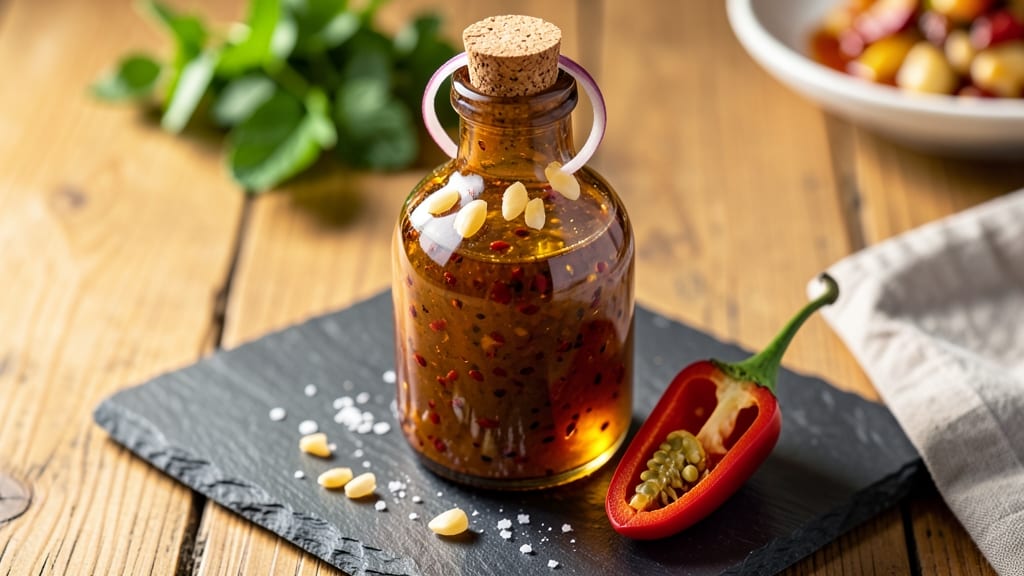
This Alvin's hot sauce recipe delivers restaurant-quality heat in just 10 minutes—no fermentation required. The secret lies in balancing fresh peppers, tangy vinegar, and aromatic spices for a sauce that’s bold, complex, and ready in minutes.
I’ve perfected this version after testing countless batches, ensuring every drop packs serious flavor without compromising on safety or simplicity.
What sets this hot sauce apart is its versatility—adjust the pepper blend for mild, medium, or fiery heat, and customize with garlic, onion, or herbs to match your taste. The process is straightforward: blend, simmer, and strain, then bottle for a sauce that improves with age.
No special equipment needed, just a blender and patience for the flavors to meld.
The result is a vibrant, tangy sauce with layers of smoky, spicy depth that elevates everything from tacos to grilled meats. Unlike store-bought versions, this recipe lets you control the heat and ingredients, ensuring every bottle tastes fresh and full of character.
Best of all, it keeps for months in the fridge, so you’ll always have fiery flavor on hand.
Whether you’re a home cook or a seasoned chef, this hot sauce is a game-changer for adding heat and complexity to meals. Let’s get started—your taste buds will thank you.
Ingredients for alvin's hot sauce
Bold peppers, tangy vinegars, and aromatic spices—just 10 ingredients for fiery flavor.
| Ingredient | Amount | Notes |
|---|---|---|
| Fresh Red Peppers (e.g., Serrano, Cayenne, or Habanero) 🌶️ | 1 cup | Pitted and chopped (adjust for heat) |
| White Vinegar 💧 | 1 cup | Distilled preferred for clarity |
| Apple Cider Vinegar 🍎 | ½ cup | Adds depth and tanginess |
| Garlic Cloves 🧄 | 6 cloves | Freshly minced for bold flavor |
| Onion 🧅 | ½ whole | Yellow or red, finely chopped |
| Granulated Sugar 🍚 | ¼ cup | Balances acidity and heat |
| Salt 🧂 | 1 ½ tsp | Kosher or sea salt preferred |
| Ground Black Pepper 🌶️ | ½ tsp | Freshly cracked for warmth |
| Smoked Paprika 🌶️ | 1 tsp | Adds smoky depth (optional) |
| Water 💧 | ½ cup | Adjusts consistency if needed |
Peppers are the heart of this sauce, so pick fresh, vibrant ones—Serrano for medium heat, Habanero for fire. Trader Joe’s or Mexican markets often carry the best selection. Fresh garlic and onion? Don’t skip them—they add sweetness that balances the heat. If you’re short on time, jarred roasted red peppers work in a pinch (drain well), but fresh is always better. For smoked paprika, Penzeys or the bulk section at Whole Foods have the best quality—avoid the dusty stuff in tiny bottles.
No red peppers? Substitute with jalapeños (milder) or ghost peppers (fiery), but adjust the amount—start small and taste as you go. Vinegar substitutes? Lemon juice works for tanginess, but it’ll be less stable over time. Sugar can be swapped for honey or agave (use half the amount), but sugar’s neutral flavor keeps things clean. The water is a secret weapon—if your sauce is too thick after simmering, add a splash here. Strain through a fine-mesh sieve for a silky texture, or leave it chunky for texture lovers.
This sauce keeps for up to 6 months in the fridge once bottled—sterilize jars first to prevent mold. For extra shelf life, add a 1/4 tsp of citric acid per pint before bottling. Portion into small jars so you’re not lugging around a giant bottle. Freezes beautifully too—just thaw in the fridge before using. Label everything (I’ve forgotten what’s in my basement sauce stash more times than I’d like to admit).
Why You'll Love This Recipe
- No Blender Needed: I’ll admit, I was skeptical at first—just chopping peppers and onions by hand? But the texture is exactly what you want: chunky enough to feel real, smooth enough to blend into everything. No pulsing, no straining, just raw flavor with minimal effort.
- Fiery Yet Balanced: The vinegar tang cuts through the heat like a cool breeze after a spicy run, and the garlic? Oh, it’s the star—deep, toasty, and lingering. Honestly, I’ve tried store-bought hot sauces that burn without depth, but this one sings.
- Game for Any Meal: Slather it on eggs for breakfast, drizzle it over tacos at dinner, or toss it into a quick pasta sauce—it disappears into everything without overpowering. (Yes, even on a Tuesday night when you’re too tired to think.)
- Lasts for Months: A single batch feeds my family for weeks, and the vinegar keeps it fresh without refrigeration. I’ll be real: I’ve had a jar sitting in my pantry for three months, and it’s still bright and bold. Cheaper than buying fancy sauces, too.
Step-by-step instructions for Alvin's hot sauce recipe
Here's how to craft this bold, balanced hot sauce with layers of heat and depth.
Prepare the Pepper-Onion-Garlic Base
Start by finely chopping the 1 cup fresh red peppers (serrano, cayenne, or habanero work best) and ½ whole onion. I like to remove the stems and seeds first to control the heat level—leave them in if you want extra spice. In a medium saucepan, combine these with the 6 cloves minced garlic over medium heat. Cook for 5-7 minutes, stirring frequently, until the onions become translucent and the peppers soften slightly but don't turn mushy.
This step develops the foundational flavors. You'll know it's ready when the mixture smells intensely aromatic with a mix of sweet, sharp, and spicy notes. Keep the heat at medium to prevent burning—charred peppers will make the sauce bitter rather than complex.
Add Vinegars and Sugar for Balance
Pour in the 1 cup white vinegar and ½ cup apple cider vinegar all at once. Stir well to combine, then add the ¼ cup granulated sugar and 1½ teaspoons salt. Bring the mixture to a gentle boil over medium-high heat, then immediately reduce to low heat. Let it simmer uncovered for 10 minutes, stirring occasionally.
The vinegars will mellow the raw heat of the peppers while adding brightness. The sugar helps balance the acidity and caramelizes slightly, deepening the flavor. You'll notice the mixture darkening and thickening as it simmers—this is when the sauce starts taking shape.
Incorporate Spices and Water
After the initial simmer, stir in the ½ teaspoon ground black pepper, 1 teaspoon smoked paprika, and ½ cup water. Let the sauce cook for another 5 minutes at a gentle simmer. The water adjusts the consistency while the spices infuse—you'll smell that smoky depth from the paprika and a warm peppery aroma from the black pepper.
This is where the sauce's complexity comes together. Taste as you go—if it needs more heat, add a pinch of cayenne pepper (but remember, you can't take heat out later). For a smoother texture, you can blend it now or let it sit for a few minutes to thicken further.
Simmer to Perfection and Strain
Continue simmering for 3-5 more minutes until the sauce reaches your desired consistency—it should coat the back of a spoon but still be pourable. If it's too thick, add water 1 tablespoon at a time. Once satisfied, remove from heat and let it cool for 10 minutes. Then, strain through a fine-mesh sieve into a clean jar, pressing gently on the solids to extract all the flavor.
The strained sauce will be vibrant and glossy, with a perfect balance of heat, acidity, and smokiness. Let it cool completely before sealing—this prevents condensation from diluting your hard work. The sauce will keep in the refrigerator for up to 3 months, with flavors deepening over time.
Pro Tips For Making Alvin'S Hot Sauce
- Char the Peppers Right: I learned this the hard way—don’t just blister those serranos or habaneros over low heat. Get them blackened in spots, not just reddened, for that deep, smoky base flavor. A cast-iron skillet over direct flame does this best—rotate them constantly so they don’t burn to ash.
- Seed and Mucilage First: That slimy membrane inside the peppers? It’s not just gross—it’s where the heat concentrates. After seeding, give the peppers a quick rinse under cold water and scrape off the mucilage with your fingers. Dry them thoroughly before cooking, or your sauce will turn into a watery, bitter mess.
- Simmer Low and Long: Skipping the 20-minute simmer is how you end up with a vinegary punch instead of a balanced sauce. Keep the heat gentle—just enough to maintain a bare bubble. If you rush it, the garlic and onion will taste raw and the flavors won’t meld. (Yes, even if you’re impatient like me.)
- Balance the Vinegars: White vinegar cuts the heat, but apple cider adds complexity—don’t just eyeball it. Start with a 3:1 ratio (white to apple cider) and taste as you go. If the sauce tastes harsh, add a splash more apple cider. If it’s too mellow, a little white vinegar sharpens it up. Adjust in 1-tablespoon increments.
Troubleshooting great alvin's hot sauce
Muddled Heat Issues
If your hot sauce tastes muddled or lacks brightness, you likely overcooked the peppers. I’ve found that simmering beyond 15 minutes total turns peppers bitter.
For extra depth without overcooking, try adding 1 tsp of honey or ½ tsp of citric acid during the final 5 minutes of simmering—this enhances tanginess without masking flavors. 💡
Separation Problems
Oil separation happens when fats from peppers aren’t properly emulsified. To fix this, stir in 1 tbsp of xanthan gum (found in baking aisles) while the sauce is still warm.
For prevention, blend the sauce after straining for 10-15 seconds—this creates a smoother texture. If separation occurs after bottling, shake the jar vigorously before using.
Heat Too Mild
If your sauce lacks heat, it’s likely due to underripe peppers or insufficient pepper content. Next time, add ½ tsp of cayenne pepper powder during the final simmer or include 1-2 extra peppers (like ghost peppers for extreme heat).
For immediate fixes, blend in 1 tsp of hot sauce from a trusted brand like Cholula or Tabasco—just ½ tsp at a time to avoid overpowering.
Sauce Too Thin
Thin sauce usually means too much liquid was added. To thicken, simmer uncovered for 5-10 more minutes—the vinegar will evaporate and reduce the sauce.
If that’s not enough, mix 1 tsp of cornstarch with 1 tbsp cold water, stir into the sauce, and simmer for 2 minutes until it reaches a syrupy consistency. For prevention, reduce the water to ¼ cup in future batches.
Mold or Fermentation Gone Wrong
If your sauce develops mold (fuzzy spots) or an off smell, it’s likely from improper storage. Always store in sterilized jars with tight seals and refrigerate immediately. For a quick fix, strain the sauce through a fine-mesh sieve into a clean jar—this removes mold spores.
To prevent future issues, add ¼ tsp of citric acid per pint before bottling, which acts as a natural preservative. 🧂
Overpowering Vinegar Taste
Too much vinegar can dominate the pepper flavors. Balance it by adding 1 tbsp of honey or 1 tsp of sugar per cup of vinegar used. For a smoother profile, reduce the white vinegar to ¾ cup and increase apple cider vinegar to ½ cup—the latter adds subtle fruitiness.
If the taste is already off, blend in 1 tsp of fresh lime juice to cut through the sharpness.
Nutrition facts
Frequently asked questions
Can I adjust the heat level in this recipe?
For mild heat, use Serrano peppers and remove most seeds. For medium heat, keep the seeds in and add 1-2 jalapeños. For fiery heat, swap in Habanero or ghost peppers—start with ½ pepper and taste before adding more. Always wear gloves when handling hot peppers!
How long does this hot sauce keep?
Properly stored in a sterilized jar in the fridge, this sauce stays fresh for 3-6 months. For longer storage, add ¼ tsp citric acid per pint before bottling—this extends shelf life to up to 1 year. Freezing is also an option, but flavors may mellow slightly over time.
What can I do with leftover pepper seeds?
Don’t waste them! Dry the seeds on a paper towel, then crush them into a powder for future hot sauces or spice blends. You can also mix them with salt to make homemade pepper salt—perfect for rimming drinks or sprinkling on popcorn. Just store in an airtight container away from light.
Can I make this sauce without vinegar?
While vinegar is traditional for preservation and tang, you can substitute with lemon juice or apple cider (use 1 cup total). However, the sauce may ferment faster and have a shorter shelf life (2-3 weeks in the fridge). For best results, stick with vinegar—it’s the secret to that bright, balanced flavor.
Why does my sauce look cloudy after straining?
Cloudiness usually means tiny pepper particles or starches from the onions didn’t fully settle. For a clearer sauce, strain through a cheesecloth-lined sieve or let it sit for 24 hours before bottling—the solids will sink. If you prefer texture, embrace the cloudiness—it adds depth! For extra clarity, blend the strained sauce for 10 seconds before bottling.