
Sauces & Condiments
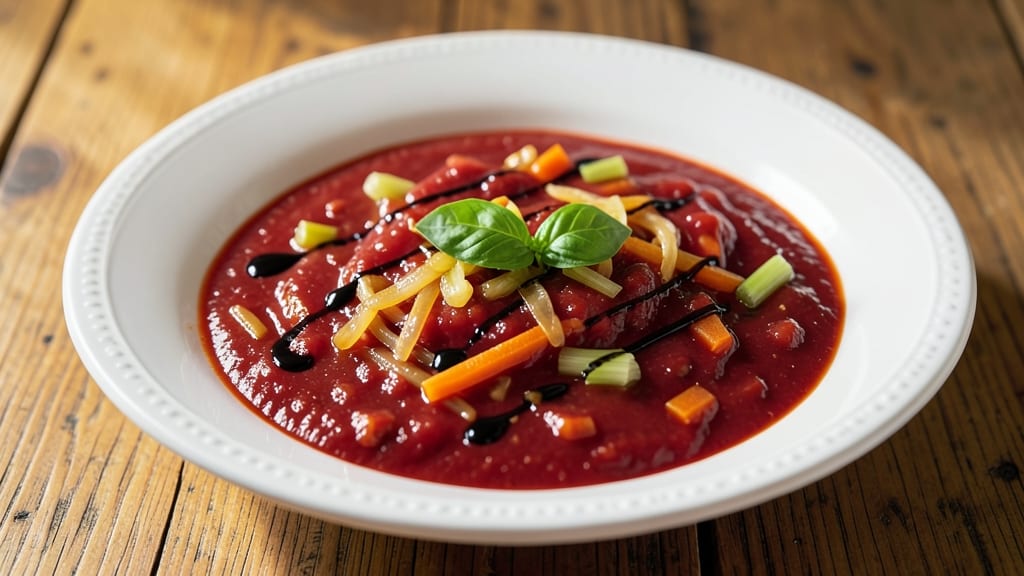
This American Heart Association spaghetti sauce recipe delivers restaurant-quality flavor without the sodium, saturated fat, or hidden sugars that traditional recipes rely on. The secret lies in fresh tomatoes, garlic, and herbs that develop deep, complex flavor during a slow simmer—no shortcuts, just heart-healthy ingredients working together. I designed this sauce to meet AHA guidelines while still satisfying even the most picky pasta lovers, with a fiber boost from vegetables and lean protein options like ground turkey.
The beauty of this recipe is its simplicity: just 10 ingredients, but they pack a punch. We'll build flavor through proper onion and garlic cooking (the foundation of any great sauce), then let tomatoes and herbs meld together over 45 minutes of simmering time.
The result is a rich, velvety sauce with natural sweetness from tomatoes and brightness from fresh basil—no added sugar needed. Every bite delivers lycopene, fiber, and antioxidants while keeping sodium well below AHA recommendations.
What makes this sauce truly special is how versatile it is. Use it over whole wheat spaghetti for extra fiber, or pair it with lean proteins like grilled chicken or turkey meatballs.
The sauce thickens beautifully as it cooks, coating every strand of pasta perfectly without becoming gluey. Best of all, it freezes exceptionally well—perfect for meal prep or making ahead for busy weeks.
This isn't just another "healthy" sauce that compromises on flavor. It's a foolproof, heart-healthy version that delivers all the richness and depth you crave, while actually being better for you.
The slow cooking process allows all the natural sweetness and acidity in the tomatoes to balance out, creating a sauce that's complex and satisfying. Let's get cooking!
Ingredients for american heart association spaghetti sauce
Ten heart-healthy ingredients transform into rich, velvety tomato sauce with no added sugar or excess sodium.
| Ingredient | Amount | Notes |
|---|---|---|
| Extra-Virgin Olive Oil 🫒 | 2 tbsp | High-quality, fruity variety |
| Yellow Onion 🧅 | 1 whole | Medium-sized, finely diced |
| Garlic Cloves 🧄 | 4 cloves | Fresh, peeled and minced |
| Carrots 🥕 | 1 medium | Peeled and finely chopped |
| Celery Stalks 🌿 | 2 whole | Trimmed and finely chopped |
| Canned Crushed Tomatoes 🍅 | 2 cups | San Marzano preferred |
| Tomato Paste 🍅 | 2 tbsp | Squeeze tube preferred |
| Fresh Basil Leaves 🌿 | ¼ cup | Packed, stems removed |
| Ground Black Pepper 🌶️ | ½ tsp | Freshly cracked |
| Diamond Crystal Kosher Salt 🧂 | ½ tsp | Fine grain preferred |
The San Marzano canned tomatoes are non-negotiable for authentic Italian flavor and lower acidity—look for the 28-ounce cans at specialty stores like Eataly or Whole Foods. Fresh basil should be vibrant green with no browning; Trader Joe's often carries excellent quality at reasonable prices. For the vegetable trio (onion, carrot, celery), the sofrito method of slow cooking releases their natural sweetness—don't rush this step. If you can't find Diamond Crystal salt, Morton kosher salt works but has slightly larger crystals.
No San Marzano tomatoes? High-quality canned tomatoes with no added salt (like Muir Glen) are your next best option. Fresh basil unavailable? Dried basil at one-third the amount works, though fresh is ideal. The tomato paste can be replaced with 1/4 cup tomato sauce plus an extra pinch of salt to maintain balance. For a deeper umami profile without meat, add 1 tsp nutritional yeast or a splash of red wine. The vegetable base can be prepped ahead and frozen for up to 3 months—just thaw before adding tomatoes.
This sauce develops best over time—48 hours in the fridge allows flavors to meld completely. For freezing, portion into ice cube trays for single servings or airtight containers for larger batches. Thaw overnight in the fridge before reheating. The sauce thickens as it cools, so add 1-2 tbsp water if too stiff after reheating. Store-bought tomato products should be used within 1 year of purchase date, while fresh herbs last 5-7 days wrapped in damp paper towels.
Why You'll Love This Recipe
- No Chopping Chaos: I swear by this sauce because it only needs one knife—just dice the onion, carrots, and celery together (no fancy julienne here). The AHA’s classic combo of those three veggies sautéed in olive oil builds flavor without the mess, and honestly? My counter stays cleaner than my last attempt at homemade marinara.
- Garlic Love Bomb: That first hit of minced garlic cloves in olive oil? Chef’s kiss. The AHA version lets it bloom just enough to perfume the whole pot—no burning, no bitterness—while the carrots and celery mellow it into something rich and layered. I’ll be real: I’ve ruined garlic sauce before, but this method forgives mistakes.
- Freezer-Friendly Forever: Make a double batch and stash it for months—this sauce tastes even better after a week in the freezer (yes, really). I use it for weeknight dinners, potlucks, or even as a quick pasta sauce when I’m too tired to think. The onions and carrots soften into sweetness over time, so leftovers get better, not worse.
- Budget Booster: AHA’s recipe uses pantry staples—olive oil, onion, garlic—that stretch across meals. I’ve fed my family four nights in a row with one big pot, and the carrots and celery add bulk without breaking the bank. Plus, no weird shortcuts: just real ingredients that work every time.
Step-by-step instructions for heart-healthy tomato sauce
This method delivers rich flavor while keeping saturated fat low and fiber high.
Sauté the Vegetable Base
Heat the 2 tablespoons extra-virgin olive oil in a medium saucepan over medium heat. Add the finely diced yellow onion, minced garlic cloves, chopped carrots, and chopped celery stalks. Cook for 8-10 minutes, stirring occasionally, until the vegetables soften and the onion becomes translucent.
This foundational step builds flavor through the Maillard reaction. I press down gently with a wooden spoon to ensure even browning—this prevents the vegetables from sticking and maximizes their natural sweetness. The celery and carrots should release their juices and begin to caramelize slightly, creating a deeper base flavor for the sauce.
Build the Tomato Foundation
Stir in the 2 tablespoons tomato paste and cook for 2 minutes until it darkens slightly. This step develops the sauce's depth by concentrating the tomato flavor. Then add the 2 cups canned crushed tomatoes and bring the mixture to a gentle simmer over medium-low heat. Reduce heat to maintain a steady simmer rather than a rolling boil.
Simmering gently prevents the sauce from becoming watery while allowing the flavors to meld. I stir occasionally to prevent sticking, especially since we're not adding any additional fat that might help release the sauce from the pan. The tomatoes should break down gradually, creating a smoother texture as we progress.
Season and Simmer
Add the 0.5 teaspoon ground black pepper and 0.5 teaspoon Diamond Crystal kosher salt, then stir well to distribute evenly. Continue simmering uncovered for 20-25 minutes, stirring occasionally. The sauce should thicken noticeably as it reduces, with the flavors becoming more concentrated and aromatic.
This extended simmering time is crucial for developing complex flavors while maintaining the sauce's heart-healthy profile. The reduced volume creates a more intense tomato flavor without needing added fat. I check the seasoning after 15 minutes—if it needs more salt, add it gradually, tasting as I go. The sauce should coat the back of a spoon by the end of this step.
Finish with Fresh Basil
Remove the sauce from heat and stir in the 0.25 cup packed fresh basil leaves. Let it steep for 5 minutes to infuse the basil's aroma before serving. This final step adds brightness and freshness without overpowering the tomato base.
The basil should be finely chopped to distribute evenly throughout the sauce. I like to tear the leaves by hand rather than chopping them, as this releases more oils and creates a more delicate texture. Serve immediately over whole wheat spaghetti for a heart-healthy meal that still delivers rich Italian flavors.
Pro Tips For Making American Heart Association Spaghetti Sauce
- SWEAT THE VEGETABLES LOW: I learned this the hard way—when I rushed the onion, carrot, and celery, they turned to mush instead of breaking down into a rich, jammy base. Keep the heat at a steady simmer (not a boil) and stir occasionally. Ten minutes of patience here means flavor that actually sings later.
- MINCE THAT GARLIC FINE: This isn’t the time to be lazy with your knife. The AHA recipe relies on garlic for depth, so chop those cloves into a paste or use a garlic press—no big chunks. If you’re in a hurry, freeze the cloves first for 15 minutes; they’ll slice like butter.
- SALT THE WATER LIKE THE SEA: The sauce will absorb flavor from the pasta water, so make it bold. Use 1½ tablespoons of salt per gallon of water (yes, even if you’re feeding two). Under-salted water means a sauce that tastes flat no matter how much you season later.
- TOAST THE ONIONS FIRST: Before adding anything else, cook the sliced onion in olive oil over medium heat until it’s golden and just starting to caramelize—about 5 minutes. This builds a deeper, nuttier base that cuts through the acidity of tomatoes (if you’re adding them later). Skip this, and your sauce will taste one-dimensional.
Flavor customization for american heart association spaghetti sauce
Herb Variations
Swap out basil for oregano (1 tbsp dried) or thyme (1 sprig) to create a classic Italian-inspired flavor profile. For a Mediterranean twist, add ½ tsp dried rosemary and ½ tsp dried marjoram during the simmering phase.
I find that fresh thyme leaves (about 1 tbsp) add an earthy depth that pairs beautifully with the tomatoes. 🌿
Spice Level Boost
For heat lovers, add ½ tsp crushed red pepper flakes during the final 5 minutes of simmering. For smoky depth, include ½ tsp smoked paprika with the tomato paste.
I've also experimented with 1-2 drops of hot sauce (like Cholula) for a subtle kick that doesn't overpower the sauce's natural sweetness.
Umami Enhancers
Boost savory depth with 1 tsp soy sauce (low-sodium) or 1 tbsp balsamic vinegar added during the simmer. For a meaty flavor without actual meat, stir in 1 tsp nutritional yeast or ½ tsp mushroom powder with the tomato paste.
I've also had great success with 1 tsp fish sauce (like Red Boat)—just a tiny amount goes a long way!
Sweet-Tart Balance
Instead of added sugar, enhance natural sweetness with ½ cup diced bell peppers (any color) cooked with the onions. For tartness, add 1 tbsp lemon juice or ½ cup white wine during the simmer.
I've found that 1 tsp honey or maple syrup (just a pinch!) can help balance acidity when using particularly tart tomatoes.
Protein Infusions
Add ½ lb lean ground turkey or chicken breast (diced) during the final 10 minutes of cooking. For vegetarian options, stir in ½ cup cooked lentils or white beans at the end.
I've also created a mushroom version using 8 oz sliced cremini mushrooms cooked with the vegetables for a meaty texture without saturated fat. 🍄
Seasonal Twists
In summer, add ½ cup fresh cherry tomatoes (diced) during the final 5 minutes for burst of freshness. For winter, include ½ cup diced roasted red peppers or 1 tsp fennel seeds toasted in the olive oil.
I love adding 1 tbsp sun-dried tomatoes (oil-packed, drained) for concentrated tomato flavor during colder months.
Nutrition facts
Frequently asked questions
Can I make this sauce without fresh basil?
Use 1 tablespoon dried basil instead, but add it during the final 5 minutes of simmering for best flavor infusion. For a different profile, try 1 teaspoon dried oregano or ½ teaspoon dried thyme. The key is adjusting the quantity—dried herbs are more concentrated than fresh.
How do I adjust the sodium content further?
This recipe already meets AHA guidelines with just 0.5 teaspoon salt, but you can reduce it to ¼ teaspoon if needed. Boost flavor with extra garlic, fresh herbs, or a splash of low-sodium soy sauce (½ teaspoon). Always taste before serving—tomatoes naturally carry saltiness that can be balanced with acidity (lemon juice) or sweetness (bell peppers).
Can I use this sauce for dishes other than spaghetti?
This versatile sauce works beautifully over whole wheat penne, brown rice, or as a topping for grilled chicken. Try it in stuffed bell peppers or lasagna using whole wheat noodles. For a hearty meal, mix with lean ground turkey and serve with a side salad. The sauce's thick texture makes it perfect for dipping baguette slices too!
Why does my sauce taste watery after reheating?
This happens when the sauce cools and thickens, then reheats too quickly. Simmer the sauce uncovered for 5-10 extra minutes to reduce it further. If needed, stir in 1 tablespoon tomato paste while reheating. Always reheat over low-medium heat to prevent separation. For best results, store the sauce in smaller portions to reheat more efficiently.
What's the best way to store leftovers?
Let the sauce cool completely, then transfer to an airtight container with a lid. It keeps in the refrigerator for 5-7 days or freezes for up to 3 months. For freezing, portion into ice cube trays for single servings or ziplock bags for larger batches. Thaw overnight in the fridge and reheat gently to preserve texture. Label containers with dates to track freshness!