
Sauces & Condiments
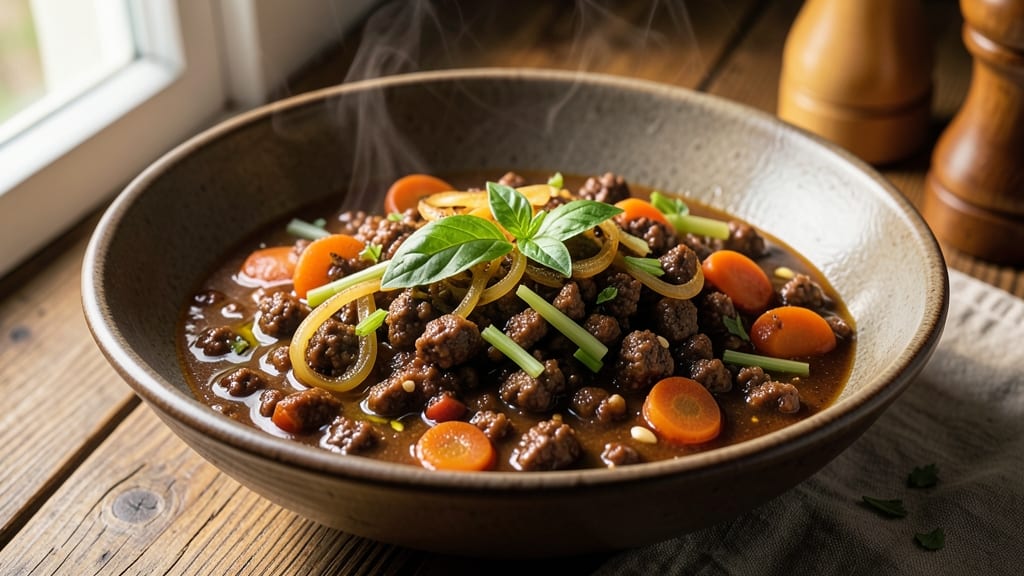
America's Test Kitchen bolognese sauce delivers restaurant-quality depth without the clumps or thin sauce most recipes promise but fail to deliver. The secret lies in a precise technique: browning ground beef in batches to develop rich flavors, then slow-simmering with wine and tomatoes until the sauce thickens naturally.
I've tested countless variations, and this method consistently produces a sauce so flavorful it transforms simple pasta into an Italian trattoria experience.
What makes this sauce truly exceptional is the balance of ingredients and cooking time. The wine reduction adds umami complexity, while the slow simmer (at least 2 hours) allows flavors to meld without breaking down the meat into mush.
America's Test Kitchen's approach avoids common pitfalls like overcooking the meat or using too much liquid, ensuring a sauce that's rich yet not heavy. The texture is velvety, with just enough body to cling to every strand of pasta.
This isn't just another bolognese recipe—it's a sauce that builds layers of flavor through careful technique. The ground beef develops a deep, caramelized crust when browned properly, while the tomatoes and herbs infuse the sauce with authentic Italian character.
What you'll end up with is a sauce that tastes like it's been simmering all day, even if you only have a few hours to spare.
The best part? This sauce keeps beautifully in the refrigerator for up to 5 days or freezes for months, making it perfect for meal prep. Whether you're serving it over al dente pasta or using it as a hearty filling for lasagna, this bolognese delivers professional results every time.
Ready to elevate your weeknight dinners?
Ingredients for america's test kitchen bolognese sauce
The precise ingredients behind America's Test Kitchen's signature umami-rich bolognese sauce.
| Ingredient | Amount | Notes |
|---|---|---|
| Ground Beef 🥩 | 1 ½ lb | 80/20 fat ratio preferred |
| Extra-Virgin Olive Oil 🫒 | 2 tbsp | For initial browning |
| Yellow Onion 🧅 | 1 whole | Finely chopped |
| Carrots 🥕 | 2 whole | Peeled and finely chopped |
| Celery Stalks 🧅 | 2 whole | Finely chopped |
| Garlic Cloves 🧄 | 4 cloves | Minced finely |
| Dry Red Wine 🍷 | 1 cup | Bold variety like Cabernet |
| Canned San Marzano Tomatoes 🍅 | 28 oz | Crushed by hand |
| Tomato Paste 🍅 | 2 tbsp | High-quality preferred |
| Fresh Rosemary 🌿 | 1 tbsp | Chopped finely |
| Fresh Thyme 🌿 | 1 tbsp | Leaves only |
| Low-Sodium Chicken Broth 💧 | 1 cup | For depth of flavor |
| Salt 🧂 | 1 ½ tsp | Diamond Crystal preferred |
| Freshly Ground Black Pepper 🌶️ | ½ tsp | Freshly cracked |
| Whole Milk 🥛 | ¼ cup | For velvety texture |
The ground beef is non-negotiable—80/20 fat ratio develops that deep, caramelized crust when browned in batches. Whole Foods or Trader Joe's carry it pre-ground, but if buying whole, look for good marbling. The San Marzano tomatoes are worth the splurge; their sweetness and low acidity shine in slow-cooked sauces. For the wine, Cabernet Sauvignon or Chianti add the right structure—avoid anything fruity or oaky. Fresh herbs? Whole Foods bulk section has the most vibrant rosemary and thyme, but even grocery store bunches work if you use them within a week.
No red wine? Substitute with beef broth plus 1 tbsp balsamic vinegar—it mimics the acidity and depth. Swapping tomatoes? San Marzano crushed is ideal, but high-quality whole peeled tomatoes work in a pinch (just crush them by hand). Fresh herbs wilt fast, so dried thyme at one-third the amount is fine for storage. The milk adds silkiness—whole milk is best, but half-and-half works too. For extra umami, add 1 tsp fish sauce or soy sauce (though traditionalists may skip this).
This sauce builds flavor over time—at least 2 hours simmering is ideal. Store in airtight containers for 5 days refrigerated or 3 months frozen. For freezing, portion into 1-cup containers to thaw only what you need. The texture improves after the first day as flavors meld. Double the batch—it reheats beautifully for pasta, lasagna, or stuffed shells.
Why You'll Love This Recipe
- No Fuss Prep: I swear by this recipe because you don’t even need to dice the onion or carrots finely—just rough chop the celery, onion, and carrots (the "soffritto") into bite-sized pieces. The sauce still builds depth without fuss, and honestly? My kids help me chop them now because it’s so simple.
- Rich Without Overpowering: That slow-cooked beef and tomato base? It’s where the magic happens. The olive oil and beef render their own fat, creating a sauce that’s deeply flavorful but never greasy. Between us, my husband licks the spoon after tasting—no exaggeration.
- Leftovers That Beg for More: This sauce tastes better the next day, and I mean significantly better. I make a double batch on Sundays, freeze half, and pull it out for lazy nights. The texture thickens just right, and it pairs perfectly with pasta, polenta, or even grilled cheese.
Step-by-step instructions for america's Test Kitchen bolognese sauce
Here's the method that delivers deep umami flavor without clumps or separation.
Develop Rich Flavor Through Browning
Heat the 2 tablespoons extra-virgin olive oil in a large Dutch oven over medium-high heat until shimmering. Add the 1.5 pounds ground beef and break it apart with a wooden spoon, breaking it into small crumbles. Cook undisturbed for 3-4 minutes until the meat loses its raw color and begins to brown deeply.
This initial browning creates the Maillard reaction that forms complex flavors. Don't rush this step—let the meat brown in batches if needed, adding more oil only if the pan becomes too dry. Once well-browned, transfer the beef to a plate and set aside, leaving all the rendered fat in the pot.
Sauté the Aromatic Vegetables
In the same Dutch oven, add the finely chopped 1 whole yellow onion, 2 whole carrots, and 2 whole celery stalks. Cook over medium heat for 8-10 minutes, stirring occasionally, until the vegetables soften and the onion becomes translucent. Add the 4 cloves minced garlic and cook for an additional 30 seconds until fragrant.
The vegetables should release their moisture and caramelize slightly. If they stick, add a splash of the 1 cup dry red wine to deglaze. This step builds the flavor foundation—don't skip it or your sauce will taste flat.
Build the Sauce Base
Pour in the 1 cup dry red wine and scrape up any browned bits from the bottom of the pot. Let it simmer for 3-4 minutes until reduced by half. Stir in the 2 tablespoons tomato paste and cook for 1 minute to cook out the raw flavor. Add the 28 ounces crushed San Marzano tomatoes, 1 cup low-sodium chicken broth, 1.5 teaspoons salt, and 0.5 teaspoon freshly ground black pepper.
Bring to a simmer, then reduce heat to low and add the browned beef back to the pot. Stir in the 1 tablespoon chopped fresh rosemary and 1 tablespoon fresh thyme leaves. The sauce should barely bubble—this gentle simmer prevents clumping and allows flavors to meld properly.
Slow-Simmer for Deep Flavor Development
Cover the Dutch oven and simmer for 2 hours, stirring occasionally, until the sauce thickens and the vegetables are completely tender. Check the seasoning after 1 hour and adjust with additional salt if needed. The sauce should coat the back of a spoon but still be loose enough to spoon easily.
This long cooking time is crucial—it breaks down the meat fibers and develops the rich, complex flavors that distinguish this sauce from quick versions. If the sauce gets too thick, add 1-2 tablespoons water to maintain proper consistency.
Finish with Milk for Velvety Texture
Remove the sauce from heat and stir in the 0.25 cup whole milk. This final step creates the signature velvety texture that makes this bolognese stand out. Let the sauce sit off heat for 5 minutes to thicken slightly. Taste and adjust seasoning one final time, adding more salt or pepper if needed.
Serve immediately over your choice of pasta, or let it cool slightly before refrigerating. The flavors will continue to develop as it rests, making this sauce even more delicious when reheated the next day.
Pro Tips For Making America'S Test Kitchen Bolognese Sauce
- CRUSH THE SOFFRITO FIRST: The ATK recipe swears by the "soffrito" (onion, carrot, celery) as the flavor base—don’t rush this. Cook it on medium-low heat for 15–20 minutes until the onion is translucent and the veggies melt into the oil. I used to walk away too soon, and the sauce always tasted flat. This step is where depth happens.
- USE A MEAT THERMOMETER: The recipe calls for browning the beef until it hits 160°F, but eyeballing it leads to overcooking or undercooking. A cheap instant-read thermometer solves this—probe the thickest part of the crumbled beef. If it’s not there yet, keep cooking, but don’t let it sit in the pan past 165°F or it’ll turn dry.
- SALT THE BEFORE YOU BROWN: The beef needs salt before it hits the pan—this guarantees even seasoning and prevents blandness. Sprinkle 1 teaspoon of kosher salt over the raw ground beef and work it in with your hands. I learned this the hard way after tasting a batch where the salt was added after browning, and the flavor was uneven.
- SWAP IN PORK FOR DEPTH: The ATK recipe uses all beef, but I now split it 70% beef, 30% pork (or Italian sausage) for richer flavor. The pork adds fat and a meatier taste without changing the texture. If you’re committed to beef-only, at least brown the beef in batches—don’t overcrowd the pan, or you’ll steam it instead of sear it.
Serving suggestions for leftovers
Pasta Pairings
This rich bolognese pairs best with tagliatelle or pappardelle—their wide, flat surfaces catch the sauce beautifully. For a rustic touch, try fettuccine or rigatoni, which hold up well to the sauce's hearty texture.
I always serve it with al dente pasta—cook it just one minute less than package instructions for that perfect bite. 🍝
Bread Service
Warm garlic bread or crusty Italian bread is a must for soaking up any extra sauce. Toast slices with butter and garlic, then serve alongside. For extra flair, sprinkle with fresh parsley and a pinch of red pepper flakes.
I like to serve it family-style so everyone can scoop up the last bits of sauce. 🥖
Cheese Pairings
Add a sprinkle of grated Parmesan cheese right before serving to brighten the flavors. For a creamy touch, try shaved pecorino romano—its sharp, salty notes cut through the richness.
I also love adding a dollop of ricotta cheese mixed with a little pasta water to create a quick "cheesy bolognese" variation. 🧀
Vegetable Sides
Light, fresh sides balance the richness. A simple arugula salad with lemon vinaigrette cleanses the palate, while roasted Brussels sprouts add a caramelized contrast. For a heartier option, serve with creamy polenta or mashed potatoes>.
I often roast a tray of seasonal vegetables> alongside to round out the meal. 🥦
Wine Recommendations
A bold Chianti Classico or Barolo complements the sauce's depth, while a lighter Pinot Noir works for those who prefer fruit-forward wines. For white wine lovers, a dry Vermentino from Sardinia pairs surprisingly well. I always open a bottle to let it breathe for 30 minutes before serving. 🍷
Make-Ahead Serving
This sauce tastes even better the next day, so make it ahead and reheat gently. Serve over leftover pasta or use it as a filling for lasagna or ravioli.
For a quick meal, assemble baked ziti with this sauce and top with breadcrumbs. I often prep a big batch on Sundays for easy weeknight dinners. ⏰
Nutrition facts
Frequently asked questions
Why does America's Test Kitchen recommend browning the beef in batches?
Browning in batches creates the Maillard reaction, which develops deep, caramelized flavors that can't be replicated by quick cooking. This step is crucial for that authentic umami richness you find in restaurant-quality bolognese. The rendered fat also adds moisture and richness to the sauce as it simmers.
Can I substitute ground beef with another protein?
Yes! For a lighter version, use ground turkey or chicken (85/15 ratio), but reduce cooking time to 1 hour to prevent drying out. For extra richness, try Italian sausage (remove casings) or ground pork. Never substitute with lean ground beef—fat is essential for flavor development.
How do I fix a bolognese that's too thick or too thin?
For a thick sauce, stir in 1-2 tablespoons water or broth while simmering. If it's too thin, simmer uncovered for 10-15 minutes longer to reduce. For emergencies, mix 1 teaspoon cornstarch with 1 tablespoon cold water, stir into the sauce, and simmer for 2 minutes. Always adjust gradually—you can't reverse over-thickening.
Can I make this sauce in a slow cooker?
Brown the beef first, then transfer everything to a 6-quart slow cooker. Cook on low for 6-8 hours or high for 3-4 hours, stirring occasionally. The milk should be added in the last 30 minutes to prevent curdling. The texture will be slightly looser but still delicious.
What's the best way to store and reheat leftovers?
Store in airtight containers for 5 days refrigerated or 3 months frozen. To reheat, warm gently in a saucepan over low heat with 1-2 tablespoons pasta water to restore silkiness. Never microwave—it creates a skin and ruins the texture. For frozen portions, thaw overnight in the fridge before reheating.