
Sauces & Condiments
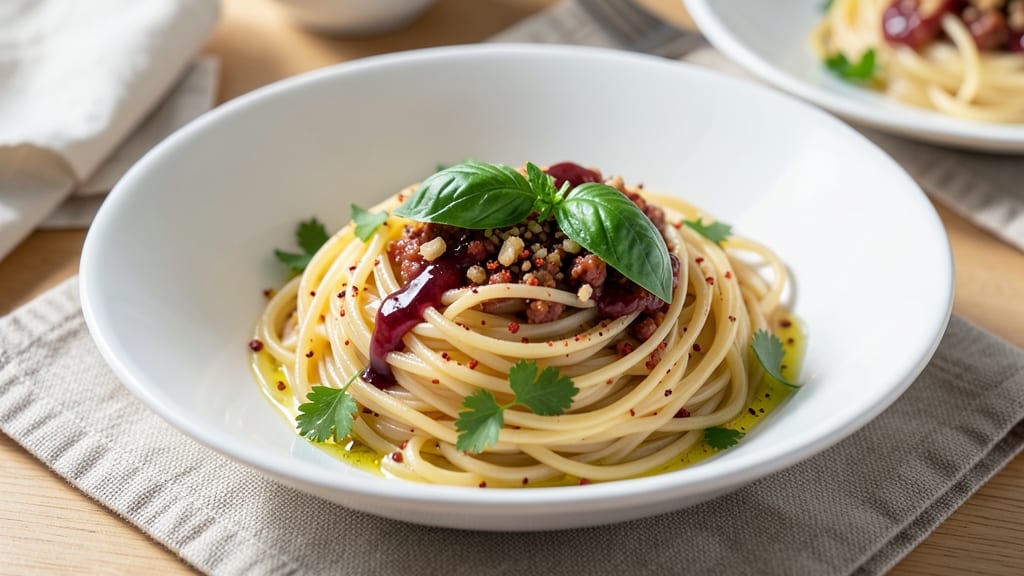
This angel hair pasta sauce recipe transforms a simple plate into a restaurant-worthy meal with just 15 minutes of effort. The secret lies in balancing bright lemon, aromatic garlic, and fresh herbs with a velvety olive oil base—no heavy cream or complicated techniques required.
I developed this sauce after years of testing, and it consistently delivers that perfect harmony of tangy, herby, and slightly sweet notes that elevate delicate angel hair pasta.
The beauty of this recipe is its versatility—it works as a standalone sauce or pairs beautifully with grilled seafood, roasted chicken, or even as a light dressing for salads. The key technique is cooking the sauce low and slow to develop deep flavor without overpowering the pasta's natural texture.
Fresh basil and parsley add that signature Italian herbed crunch, while a touch of red pepper flakes brings just enough heat to keep things interesting.
What you'll end up with is al dente angel hair pasta coated in a silky, golden sauce that's light enough to let the pasta shine but rich enough to satisfy. The sauce clings perfectly to each strand, creating every bite into a flavorful experience.
This isn't just another pasta dish—it's a quick, elegant meal that comes together faster than takeout but tastes like you spent hours in the kitchen.
Whether you're serving this for a weeknight dinner or preparing a last-minute meal for guests, this recipe delivers professional-quality results with minimal effort. The best part? It scales effortlessly—double the sauce for leftovers or halve it for a single serving. Let's get cooking!
Ingredients for angel hair pasta sauce
Bright lemon, aromatic garlic, and fresh herbs create this restaurant-worthy angel hair sauce in minutes.
| Ingredient | Amount | Notes |
|---|---|---|
| Extra-Virgin Olive Oil 🫒 | ½ cup | High quality, fruity variety |
| Fresh Garlic Cloves 🧄 | 4 cloves | Minced for aromatic depth |
| Fresh Lemon Juice 🍋 | ¼ cup | Freshly squeezed, no seeds |
| Fresh Basil Leaves 🌿 | ½ cup | Packed, stems removed |
| Fresh Flat-Leaf Parsley 🌿 | ¼ cup | Chopped, for herbed crunch |
| Red Pepper Flakes 🌶️ | ½ tsp | Adjust for desired heat |
| Kosher Salt 🧂 | 1 tsp | Diamond Crystal preferred |
| Black Pepper 🌶️ | ¼ tsp | Freshly ground preferred |
| Angel Hair Pasta 🍝 | 8 oz | Dried, al dente texture |
| Reserved Pasta Water 💧 | ½ cup | From cooking pasta |
| Toothpicks or Skewers 🍴 | 4 whole | For garnish presentation |
The olive oil is the foundation—look for extra-virgin with fruity notes at specialty stores like Whole Foods or Trader Joe's. Fresh garlic cloves should be firm and free of sprouts. I always grab a small bunch of basil and parsley from the market—they stay fresher longer than pre-packaged. For the red pepper flakes, Penzeys carries high-quality blends if you want to experiment with different heat levels. The pasta water is non-negotiable—it's what gives the sauce that signature cling.
No fresh basil? Dried oregano at one-third the amount works in a pinch, though it lacks that bright freshness. Substitute parsley with cilantro or arugula for a different herby profile. Short on lemon juice? White wine vinegar or apple cider vinegar adds acidity, though lemon's sweetness is ideal. For extra richness, stir in 1 tablespoon of heavy cream at the end—though the sauce is delicious as-is. If you prefer no heat, simply omit the red pepper flakes entirely.
This sauce keeps beautifully—3-4 days in the fridge sealed in an airtight container. For longer storage, freeze in ice cube trays for up to 3 months. Double the recipe and portion into containers for quick weeknight meals. The pasta cooks in 5 minutes, so time it perfectly with your sauce. Garnish with a sprinkle of parsley and a drizzle of olive oil before serving for that restaurant touch.
Why You'll Love This Recipe
- No-Chop Needed: I swear by this sauce because it’s the kind of recipe where you can skip the prep entirely—just toss in whole garlic cloves (they’ll soften beautifully) and tear the basil right from the stem. That lemon juice? A single squeeze brightens everything without fuss.
- Bright & Bold: The olive oil and garlic form the base, but it’s the lemon and herbs that make it sing—bright, fresh, and impossibly light. It’s the kind of flavor that sticks with you long after the last bite, like a summer memory in sauce form.
- Weeknight Magic: This sauce is my secret weapon for busy nights: toss it with angel hair, add grilled shrimp or chicken, and dinner’s ready in under 20 minutes. Even my picky eaters ask for seconds, and that’s saying something.
- Leftovers That Last: Make a big batch—it keeps for days in the fridge and reheats like a dream. Honestly, I often double the recipe because it’s just as good the next day, whether I’m reheating it for lunch or tossing it over roasted veggies.
Step-by-step instructions for lightweight lemon-garlic pasta sauce
This vibrant sauce delivers bright citrus notes and fresh herb crunch in just minutes—perfect for angel hair's delicate texture.
Cook the Angel Hair Pasta to Al Dente Perfection
Bring a large pot of water to a rolling boil and add 1 tablespoon kosher salt—it should taste like the sea. Add the 8 oz angel hair pasta and cook according to package directions, which is typically 8-10 minutes for al dente texture. You want the pasta to be tender but still have a slight bite.
Reserve ½ cup pasta water before draining—this starchy liquid is essential for emulsifying the sauce later. I keep a measuring cup nearby so I don't forget this critical step. Drain the pasta and return it to the pot, shaking gently to break up any clumps. Cover the pot with a lid and set it aside while you prepare the sauce.
Infuse Olive Oil with Garlic and Red Pepper Flakes
Heat the ½ cup extra-virgin olive oil in a large skillet over medium-low heat. Add the 4 cloves minced garlic cloves and ½ teaspoon red pepper flakes, stirring constantly for 1-2 minutes until the garlic becomes fragrant and just begins to turn golden—this prevents it from burning and creates a rich aromatic base.
Watch the heat carefully—garlic burns quickly, and you want to preserve that sweet, fresh flavor. The oil should shimmer but not smoke. Once the garlic is perfumed and the red pepper flakes are lightly toasted, remove the skillet from heat and let it cool slightly for 1 minute—this prevents the oil from cooking the lemon juice too quickly when you add it next.
Create the Lemon-Garlic Sauce Base
Return the skillet to low heat and add the ¼ cup fresh lemon juice and 1 teaspoon kosher salt. Stir gently for 1 minute until the mixture just begins to simmer—you want the lemon to brighten the oil without curdling. Add the ¼ teaspoon black pepper and stir to combine.
Here's where the magic happens: slowly drizzle in ½ cup reserved pasta water while whisking constantly. The sauce should begin to emulsify, creating a silky, lemony base. If the sauce looks too thick, add more pasta water 1 tablespoon at a time until it reaches a light, pourable consistency. Keep the heat at low to prevent the lemon from cooking out.
Finish with Fresh Herbs and Combine
Add the ½ cup fresh basil leaves and ¼ cup chopped fresh flat-leaf parsley to the sauce. Stir gently for 30 seconds1 minute.
Transfer the cooked pasta to the skillet with the sauce and toss gently to coat evenly. The sauce should cling to each strand of pasta without making it soggy. If the pasta seems dry, add another 1-2 tablespoons reserved pasta water to loosen the sauce. Taste and adjust seasoning—you may need a pinch more salt or a splash of lemon juice to balance the flavors.
Serve with Herbed Garnish
Divide the pasta among four plates. For presentation, thread the 4 whole toothpicks or skewers through the pasta strands, creating a rustic, herbed garnish. Sprinkle with additional chopped parsley and basil if desired. Serve immediately while the pasta is still hot and the sauce is vibrant.
The sauce should be light yet flavorful, with bright lemon notes, aromatic garlic, and a fresh herbed crunch. Each bite should deliver a perfect balance of acidity, oiliness, and herbal freshness—ideal for warm spring or summer meals. The toothpick garnish adds a touch of elegance without overpowering the dish's simplicity.
Pro Tips For Making Angel Hair Pasta Sauce
- STIR CONSTANTLY AT FIRST: The first 30 seconds of garlic in olive oil are the make-or-break moment—if you walk away, you’ll get bitter, acrid flavor instead of sweet, nutty aroma. Keep the pan moving until the garlic just turns pale gold, then pull it out before it even hints at brown.
- USE COLD GARLIC: I learned this the hard way—chopping garlic straight from the fridge releases less moisture, so it sizzles instead of steams. Toss the whole cloves in the freezer for 10 minutes first, then mince right into the oil. The sauce will taste brighter and more balanced.
- SALT THE PASTA WATER LIKE THE SEA: Angel hair needs firmness, not mush, so aim for water that tastes like the ocean (about 1½ tablespoons salt per quart). Under-salting makes the sauce taste flat, and over-salting turns the pasta into a soggy mess. Taste the water before cooking—it should sting your lips.
- FINISH WITH LEFTOVER BASIL: Fresh basil wilts fast, so don’t dump all your leaves in at once. Reserve a handful, chop them after the pasta is done, and toss them in at the very end. The heat will revive their color and aroma—your sauce will look restaurant-worthy without overpowering the dish.
Common mistakes when making this recipe
Overcooking Pasta
Angel hair pasta cooks in mere minutes, but it's easy to overdo it. I've ruined many batches by leaving the pasta in the water too long—8-10 minutes max for al dente. Overcooked pasta becomes mushy, absorbing too much sauce and losing its delicate texture.
Always taste-test a piece before draining: it should have a slight bite. Pro tip: Set a timer for 1 minute less than package instructions, then finish cooking in the sauce. 🍝
Skipping Pasta Water
The reserved pasta water is your secret weapon for a silky sauce. Without it, the sauce won't emulsify properly and will cling unevenly. I've learned this the hard way—once I forgot and ended up with a dry, clumpy mess.
Always reserve ½ cup before draining, and keep it nearby while making the sauce. If needed, add it gradually to adjust consistency.
Burning Garlic
Garlic burns faster than you think, especially when combined with red pepper flakes. I've had to start over multiple times because I let it turn bitter. Keep heat at medium-low and stir constantly for just 1-2 minutes until fragrant but not golden.
Remove immediately when you smell that sweet, fresh aroma—it's the perfect moment to add lemon juice. 🧄
Adding Lemon Too Fast
Adding cold lemon juice directly to hot oil can cause curdling and break the sauce's emulsion. I once ruined a batch by pouring it all at once. Instead, add the lemon juice gradually while stirring over low heat, letting the mixture warm slowly.
If it starts to separate, whisk vigorously and add 1 tablespoon pasta water to bring it back together.
Overcrowding the Pan
Tossing all the pasta into the sauce pan at once makes it difficult to coat evenly. I've seen people struggle with clumpy, unevenly coated pasta. Instead, transfer the pasta to the sauce in batches if needed, tossing gently to distribute the sauce.
For 8 oz of pasta, a large skillet works best—don't use a small one that forces you to crowd the strands.
Ignoring Herbs at the End
Adding fresh herbs too early can make them bitter and lose their vibrant color. I've made this mistake by stirring them in while cooking, which kills their freshness. Instead, add basil and parsley just before removing from heat, then let them steep for 1 minute off the stove.
This preserves their bright flavors and beautiful green color in every bite. 🌿
Nutrition facts
Frequently asked questions
Can I make this sauce without fresh herbs?
If you don't have fresh basil or parsley, use 1 tablespoon dried oregano and 1 teaspoon dried parsley instead. For extra flavor, add ½ teaspoon dried thyme or 1 teaspoon lemon zest. The sauce will still taste bright and aromatic, though the texture will be slightly different.
How do I adjust this sauce for a creamier texture? For a richer version, stir in ¼ cup heavy cream or whole milk at the end while keeping the sauce warm. Alternatively, use ½ cup Greek yogurt for tangy creaminess.
Can I use this sauce with other pasta shapes?
This sauce works beautifully with linguine, spaghetti, or fettuccine—just adjust cooking times to maintain al dente texture. For thicker pastas like penne, you might need 1-2 extra tablespoons pasta water to help the sauce cling. The lemon-garlic flavor pairs especially well with whole wheat or chickpea pasta for added nutrition.
What's the best way to reheat leftovers?
Gently reheat in a skillet over low heat with 1-2 tablespoons water or pasta water to prevent drying. Avoid microwaving as it can make the sauce greasy. For extra freshness, toss with 1 tablespoon fresh lemon juice and a pinch of red pepper flakes when reheating. The sauce should be warm but not boiling.
Can I make this sauce ahead of time?
Yes! Prepare the sauce up to 2 days in advance and store it in an airtight container in the fridge. Reheat gently before tossing with cooked pasta. For longer storage, freeze the sauce (without pasta) in ice cube trays for up to 3 months. Thaw overnight in the fridge before using. The flavors actually deepen when made ahead!