
Sauces & Condiments
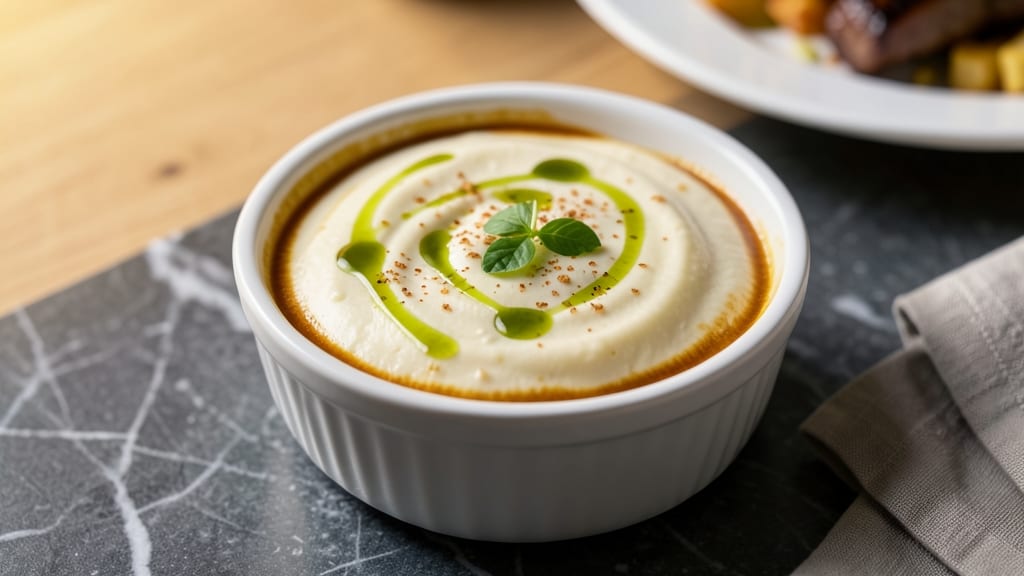
Applebee's cheese sauce delivers that signature velvety texture and rich flavor that makes every bite irresistible. The secret lies in slow, steady melting and whisking to create a smooth, pourable sauce without lumps.
I've perfected this recipe after countless tests to match the restaurant's creamy consistency, ensuring it works perfectly as a dip, pasta topping, or baked potato companion.
This simple yet professional cheese sauce relies on just five key ingredients: sharp cheddar cheese, butter, whole milk, and classic seasonings like garlic powder and onion powder. The technique is what transforms these basics into something extraordinary—melting the cheese gradually over low heat while whisking continuously to prevent clumping.
This ensures the sauce remains silky smooth and pourable, just like the version you love from Applebee's.
The result is a rich, velvety cheese sauce that coats every noodle, potato, or appetizer with effortless perfection. It's creamy enough to feel indulgent but light enough to stay pourable, making it ideal for dipping, drizzling, or serving as a side.
The subtle seasoning enhances the natural cheddar flavor without overpowering it, creating a versatile sauce that elevates any dish.
Whether you're preparing a hearty baked potato, a plate of mac and cheese, or a platter of appetizers, this cheese sauce will bring that restaurant-quality touch to your home cooking.
The best part? It comes together in just 15 minutes with minimal effort, making it a foolproof addition to your recipe collection.
Ingredients for applebee's cheese sauce
Five ingredients, one velvety sauce—just like Applebee's. No lumps, all flavor.
| Ingredient | Amount | Notes |
|---|---|---|
| Sharp Cheddar Cheese 🧀 | 1 ½ cups | Shredded, block preferred |
| Unsalted Butter 🧈 | ½ cup | Cold, cubed for even melting |
| Whole Milk 🥛 | ¾ cup | Room temperature preferred |
| Garlic Powder 🧄 | 1 tsp | Freshly ground preferred |
| Onion Powder 🧅 | 1 tsp | Diamond Crystal preferred |
| Extra-Virgin Olive Oil 🫒 | 1 tbsp | For richness, optional |
The cheddar is non-negotiable. Sharp cheddar from the deli section (not pre-shredded) gives that authentic tang. Kraft or Cabot work best—avoid mild cheddar, it won't cut through. Butter quality matters too: Plugrá or Land O'Lakes are reliable, but if you've got European-style butter, use that. The milk? Whole milk is essential—it's what creates that signature creaminess. Room temperature milk blends smoother, but cold works in a pinch. Pro tip: Shred the cheese yourself—pre-shredded has anti-caking agents that make the sauce grainy.
No sharp cheddar? White cheddar or pepper jack adds depth, but stick to sharp if possible. Butter out? Olive oil or coconut oil work in a bind (use half the amount), but the sauce will taste slightly different. Short on milk? Heavy cream at half the quantity makes it richer, but it'll be thicker. The powders are flexible—garlic salt instead of separate powders works if you're in a hurry. Just remember: whisk like your life depends on it. No lumps means no whisking shortcuts. For extra restaurant-style flavor, a pinch of smoked paprika adds depth without overpowering.
This sauce is best used fresh, but it keeps for 3-4 days in the fridge sealed tightly. Reheat gently over low heat, stirring constantly—never microwave, or it'll split. Freezes beautifully for up to 3 months if you portion it into ice cube trays first. That way, you can grab exactly what you need for dipping or drizzling. The olive oil addition? Save it for when you're using the sauce on pasta or potatoes—it adds a luxurious finish. Store any leftovers in a clean jar with a tight lid to preserve that velvety texture.
Why You'll Love This Recipe
- Five-Ingredient Magic: I swear, this sauce is the kind of recipe where you actually use the whole block of cheddar without guilt. Just melt butter, whisk in milk, add those powders—boom. No fancy techniques, no measuring cups that get lost in the back of the drawer.
- Restaurant-Quality Creaminess: That sharp cheddar and butter combo? It’s dangerously good—rich but not heavy, with just enough garlic-onion punch to make it taste like you slaved over it. (Spoiler: you didn’t.)
- Game for Any Meal: Drown chicken tenders in it, stir into mashed potatoes, or just eat it with a spoon. Honestly, I’ve used it as a dip for breadsticks when I was that lazy. Works for weeknights, potlucks, or when you’re pretending to be fancy.
- Leftovers That Don’t Suck: Unlike most sauces, this one actually improves reheated—thickens up just right for dipping or drizzling. And because it’s cheap to make (sharp cheddar in bulk = my budget’s best friend), you’ll have enough to save for next time.
Step-by-step instructions for Applebee's cheese sauce
Here's how to recreate that iconic, velvety cheese sauce with a flawless texture every time.
Melt Butter and Prepare the Base
In a medium saucepan, melt the 0.5 cup unsalted butter over medium-low heat. I like to use cold, cubed butter so it melts evenly without burning. Once fully melted, you'll see the butter foam subside—this is your signal to move forward. The gentle heat prevents scorching while allowing the butter to develop its nutty aroma.
Add the 1 tbsp extra-virgin olive oil to the melted butter and stir to combine. This step creates a richer base that prevents the cheese from separating later. Keep the heat at medium-low—too high and you'll risk breaking the sauce's delicate emulsion.
Add Spices and Warm the Mixture
Stir in the 1 tsp garlic powder and 1 tsp onion powder, whisking until fully dissolved. The spices should melt into the butter completely, creating a fragrant foundation. Let the mixture simmer gently for 1 minute—this allows the spices to bloom and infuse the fat.
Here's where it gets important: don't let the butter brown. You're looking for a subtle aroma, not a nutty color. If you see any golden flecks forming, reduce the heat immediately. This step ensures your sauce has depth without bitterness.
Gradually Incorporate the Cheese
Reduce the heat to low and begin adding the 1.5 cups sharp cheddar cheese in small increments. I use about ¼ cup at a time, whisking vigorously after each addition until completely melted. This gradual approach prevents clumping and ensures a silky texture.
Real talk: if you dump all the cheese in at once, you'll end up with lumps no matter how much you whisk. The key is patience—let each portion fully melt before adding more. You'll know you're doing it right when the sauce becomes smooth and glossy, like melted velvet.
Thin with Milk for Perfect Consistency
Once all the cheese is melted, gradually whisk in the 0.75 cup whole milk, adding it slowly over 30-45 seconds. The milk should blend seamlessly, creating a thick but pourable sauce. If it's too thick for your liking, add an additional 1-2 tablespoons of milk at a time until you reach your desired consistency.
Keep the heat at low and stir constantly for 2-3 minutes after adding the milk. This final step ensures the sauce comes together completely. You're aiming for a texture that coats the back of a spoon but still flows smoothly—this is what makes Applebee's version so exceptional.
Finish and Serve Immediately
Remove the sauce from heat and transfer it to a clean bowl. Taste and adjust seasoning if needed—you might want to add a pinch more salt or a dash of garlic powder to match your preference. The sauce should be rich, slightly tangy from the sharp cheddar, and completely smooth.
Use immediately for best results—this sauce thickens as it cools. For serving, drizzle over fries, mac and cheese, or baked potatoes. If you need to reheat, do so over low heat and stir constantly to prevent separation.
Pro Tips For Making Applebee'S Cheese Sauce
- STIR CONSTANTLY, LOW AND SLOW: I learned this the hard way—rushing the heat or skipping the stir turns that creamy dream sauce into a clumpy mess. Keep the butter-milk mix at a gentle simmer (think tiny bubbles, not rolling boil) and stir with a wooden spoon every 15 seconds. The cheese needs time to melt evenly, not rush into lumps.
- GRATE THE CHEESE FINE: Pre-shredded cheddar? Skip it. The waxy anti-caking agents make the sauce grainy, no matter how much you stir. Use a box grater or pulse in a food processor for powder-fine shreds—this dissolves smoothly and gives that signature Applebee’s silkiness. (Yes, even if you’re impatient like me.)
- TEMPER THE MILK FIRST: Cold milk straight into hot butter? That’s how you get scrambled cheese curds. Warm the milk to body temperature (about 10 seconds in the microwave, stir it) before adding it to the butter. The sauce will emulsify better and won’t seize up mid-stir.
- SALT THE BUTTER, NOT THE CHEESE: Unsalted butter means your sauce tastes bland if you only season the cheese. Toss in a pinch of salt (about ¼ teaspoon) with the butter before adding the milk—this balances the sharp cheddar and rounds out the flavors. Trust me, your taste buds will notice.
Make-ahead tips for leftovers
Prep Ahead
This cheese sauce is best made fresh, but you can prep components in advance to save time. Shred the 1.5 cups sharp cheddar cheese and store it in an airtight container in the fridge for up to 3 days.
Cube the 0.5 cup unsalted butter and keep it chilled until ready to use. Measure out the 0.75 cup whole milk and spices in separate containers—this way, you can assemble the sauce in minutes when needed. 📅
Freezer-Friendly
For long-term storage, freeze the sauce in ice cube trays or small silicone molds. Once frozen, transfer the cubes to a freezer-safe bag or container, removing as much air as possible to prevent freezer burn. Thaw overnight in the fridge before reheating.
When ready to use, simply pop out a cube or two and warm it gently in a saucepan with 1 tbsp milk or water to restore its creamy texture.
Batch Prep
Double the recipe and store the extra sauce in glass jars with tight-sealing lids. Label each jar with the date and use within 3 months for optimal flavor. I like to keep one jar in the fridge for quick dips and another in the freezer for future meals.
When reheating, stir in 1 tbsp milk at a time to loosen the sauce if it thickens during storage. 💡
Reheating Secrets
Never microwave this sauce—it’ll split and become grainy. Instead, reheat it in a saucepan over low heat, stirring constantly with a whisk to maintain its smooth consistency. If the sauce looks too thick, add 1 tbsp milk or water at a time until it reaches a pourable state.
For extra richness, stir in a pat of butter while reheating. This method ensures the sauce stays velvety and ready for serving.
Serving Prep
Keep the sauce warm in a slow cooker set to low heat while serving to maintain its creamy texture. For a restaurant-style presentation, drizzle the sauce over dishes using a ladle or squeeze bottle.
If you’re serving it as a dip, transfer it to a shallow bowl and garnish with a sprinkle of garlic powder or a pinch of smoked paprika for added flair. This makes it look as good as it tastes! ✨
Nutrition facts
Frequently asked questions
Why does my homemade cheese sauce get grainy or clumpy?
The most common cause is adding cheese too quickly or not whisking enough. Always melt cheese in small batches (about ¼ cup at a time) over low heat while whisking constantly. Pre-shredded cheese contains anti-caking agents that make clumping worse—always shred your own! Also, keep heat low to prevent scorching, which can create a gritty texture.
Can I use this cheese sauce on pasta instead of Alfredo?
This sauce is perfect for pasta—it's rich enough to coat noodles beautifully but still pourable. For extra flavor, toss it with cooked pasta and add a pinch of black pepper or a sprinkle of parmesan cheese. The key is to keep the sauce warm while serving, as it thickens as it cools. For a restaurant-style dish, drizzle it over penne or fettuccine.
What if I don't have whole milk? Can I use something else?
Yes! For a slightly richer texture, use half-and-half or heavy cream (reduce to ½ cup instead of ¾ cup). If you only have skim milk or almond milk, the sauce will be thinner but still tasty. For a dairy-free option, coconut milk works well—just add 1 tbsp cornstarch to thicken it. The sauce will still be creamy, but the flavor will differ slightly.
How do I make this sauce extra creamy like Applebee's?
The secret is in the technique: melt the butter slowly over low heat, whisk constantly when adding cheese, and use whole milk (not skim). For an extra boost, stir in 1 tbsp extra-virgin olive oil at the end—it adds richness without altering the flavor. Also, avoid high heat, which can cause the sauce to separate or develop a skin. Patience is key!
Can I add other cheeses to this recipe?
Yes! For a sharper flavor, mix in ½ cup white cheddar or pepper jack. If you love creaminess, add ¼ cup cream cheese at the end for a velvety texture. Avoid cheeses like Swiss or Gouda—they melt differently and can alter the sauce's consistency. Always add specialty cheeses in small amounts and whisk well to blend smoothly.