
Sauces & Condiments
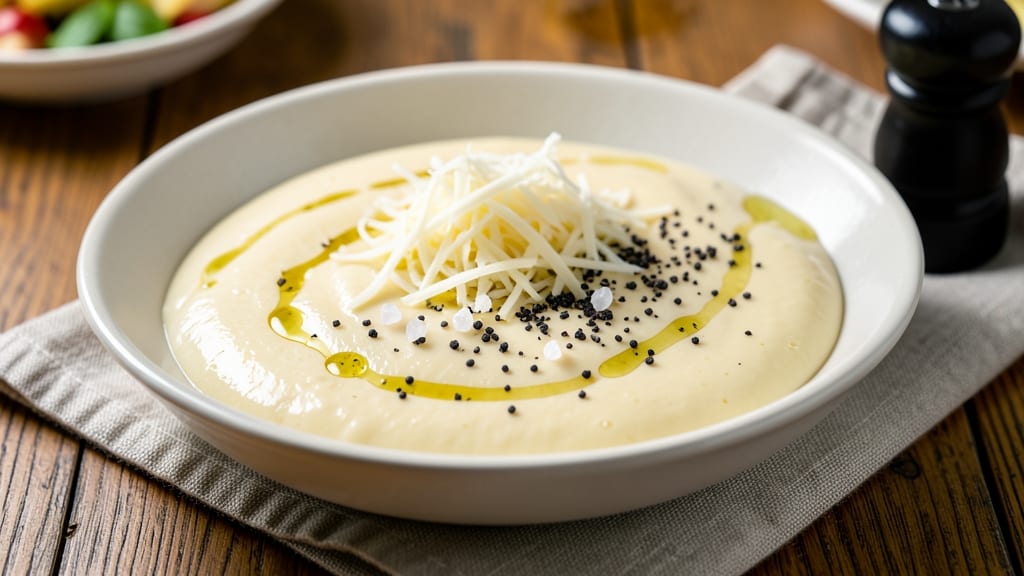
This Argo cheese sauce recipe delivers the velvety smoothness and tangy depth that makes it a restaurant favorite. The secret lies in balancing sharp cheddar with a touch of vinegar for that signature zing—no artificial additives needed.
What sets this sauce apart is its foolproof technique that ensures a perfectly emulsified, lump-free consistency every time.
Crafted with just five core ingredients, this sauce comes together in under 15 minutes with no special equipment beyond a saucepan and whisk. The vinegar plays a crucial role, cutting through the richness while enhancing the cheese's natural flavor.
This isn't just any cheese sauce—it's the kind that transforms ordinary dishes into something extraordinary.
What makes this sauce truly versatile is its ability to elevate everything from mac and cheese to grilled meats and roasted vegetables. The velvety texture clings beautifully to any surface, while the subtle tang keeps it from being too heavy.
Once you try this version, you'll never go back to store-bought.
Best of all, it reheats perfectly and keeps well in the fridge for up to 5 days, making it ideal for meal prep. The instructions are straightforward, but the results are restaurant-quality—smooth, rich, and packed with that signature Argo flavor. Let's get started on creating your own batch.
Ingredients for argo cheese sauce
Five ingredients plus two secret weapons—vinegar and technique—for that signature Argo tang.
| Ingredient | Amount | Notes |
|---|---|---|
| Sharp White Cheddar Cheese 🧀 | 1 ½ cups | Shredded, block preferred |
| Extra-Virgin Olive Oil 🫒 | ½ cup | Light, fruity variety |
| White Vinegar 🍋 | 1 tbsp | Distilled preferred |
| Heavy Cream 🥛 | ½ cup | Full-fat for richness |
| Diamond Crystal Kosher Salt 🧂 | ½ tsp | Fine grain preferred |
| Freshly Ground Black Pepper 🌶️ | ¼ tsp | Freshly cracked |
| Garlic Cloves 🧄 | 2 cloves | Minced, optional |
| Unsalted Butter 🧈 | 2 tbsp | Cold, cubed |
The cheese is non-negotiable here. Sharp white cheddar gives that signature tang, but Parmigiano-Reggiano works too if you want extra depth. Grab the block and shred it yourself—pre-shredded gets clumpy. For the vinegar, distilled white is your best bet, but apple cider vinegar adds a nice fruity note. I always keep a bottle of Heinz in my pantry for this exact reason—it’s consistent and affordable. The butter? Use unsalted so you control the saltiness.
No sharp cheddar? Pepper jack or Gruyère bring their own flavors, but you’ll need to adjust the vinegar to taste. Running short on butter? Olive oil works one-for-one, though the texture will be slightly lighter. The garlic is optional but adds a nice aromatic touch—roast it first if you want to mellow the flavor. For the cream, half-and-half cuts the richness slightly, but full-fat heavy cream is what gives this sauce that velvety restaurant quality. Pro tip: Warm your cream slightly before adding it to the cheese to prevent clumping.
This sauce reheats beautifully—just add a splash of milk or cream to loosen it up. Keeps in the fridge for 5 days sealed in an airtight container, or freeze for 3 months in ice cube trays for single-serving portions. The vinegar’s acidity helps preserve the freshness, so you won’t taste any off flavors. Double the batch if you’re meal prepping—it’s that good.
Why You'll Love This Recipe
- Five-Ingredient Magic: I swear by this list—sharp cheddar, olive oil, vinegar, cream, and salt. That’s it. No fancy gadgets, no measuring cups that make you question your life choices. Just melt, whisk, and taste.
- Tangy Creamy Bliss: The white vinegar cuts through the richness of the cheddar, giving it this bright, almost buttery punch. Honestly, it’s the kind of sauce that makes you pause mid-bite and think, “Wait, how is this so good?”
- Game for Any Meal: Drizzle it over grilled chicken, toss it with roasted potatoes, or serve it as a dip with crusty bread. (Yes, even on a Tuesday night.) It’s the kind of sauce that turns simple meals into “I went out for dinner” moments.
- Leftovers That Don’t Suck: This sauce keeps for days in the fridge—no weird texture changes, no sad, watery cheese. Just reheat and go. Plus, it’s cheap enough to make in bulk without feeling guilty when you use half on toast.
Step-by-step instructions for Argo cheese sauce
This sauce delivers restaurant-quality richness with a secret tangy twist.
Melt Butter and Bloom the Garlic
In a medium saucepan, melt the 2 tablespoons unsalted butter over medium-low heat until it foams and smells nutty. Add the 2 cloves minced garlic cloves and cook for 30 seconds until fragrant—you should smell that fresh garlic aroma without seeing any color change. This prevents burning while building flavor.
Here's the thing—garlic burns faster than you think. Watch it closely and remove from heat immediately if it starts to brown. We want flavor, not bitterness. Keep the pan off heat while you prep the next ingredients to avoid overheating.
Whisk in Olive Oil and Vinegar
Pour in the 0.5 cup extra-virgin olive oil and stir to combine with the melted butter. Add the 1 tablespoon white vinegar and whisk vigorously for 10 seconds—this creates an emulsion that prevents separation later. The vinegar might seem odd, but trust me, it cuts through the richness and adds depth.
Bring the mixture to a gentle simmer over medium heat, then reduce to low heat. This gradual warming helps the olive oil and butter blend smoothly without scorching. You'll see tiny bubbles form around the edges—that's your signal the base is ready for the cheese.
Gradually Add the Cheese
Lower the heat to lowest setting and begin adding the 1.5 cups shredded sharp white cheddar cheese in small batches. I use about 2 tablespoons at a time, whisking constantly until each addition melts completely before adding more. This prevents clumping and ensures a silky texture.
If you add all the cheese at once, you'll end up with lumps. The key is patience—whisking vigorously for 15-20 seconds between additions creates that velvety consistency. The sauce should thicken noticeably as the cheese melts, but keep whisking until it's completely smooth.
Incorporate Heavy Cream and Season
Pour in the 0.5 cup heavy cream and whisk for 1 minute until fully incorporated. Add the 0.5 teaspoon diamond crystal kosher salt and 0.25 teaspoon freshly ground black pepper, whisking until dissolved. The sauce should now coat the back of a spoon with a glossy sheen.
Taste and adjust seasoning if needed—this is where the vinegar's subtle tang comes into play. If it needs more brightness, add a pinch more salt or a splash of vinegar. For extra richness, you could even add a pat of butter, but the current version is perfectly balanced.
Finish and Serve Immediately
Remove the sauce from heat and let it sit for 1 minute to thicken slightly. The residual heat will continue cooking the sauce gently. For maximum smoothness, press the mixture through a fine-mesh sieve to eliminate any remaining lumps if needed.
Serve immediately over pasta, grilled meats, or crispy fries while still warm. The sauce should cling beautifully to whatever it's poured over, with that perfect balance of creamy cheddar, fruity olive oil, and a hint of vinegar zing. Leftovers can be reheated gently with a splash of cream to restore smoothness.
Pro Tips For Making Argo Cheese Sauce
- Grate the Cheese Small: Sharp White Cheddar melts best when cut into tiny, rice-sized pieces—not big chunks. I used to skip this, and the sauce would clump like a sad fondue. A box grater or food processor does the job in seconds.
- Whisk in the Vinegar Last: Add the white vinegar when the cream and cheese are just simmering, not boiling. Too much heat turns it into a tangy mess instead of a bright, balanced finish. Stir it in gently—no need to overthink it.
- Salt the Cream First: Dissolve half the kosher salt in the heavy cream before heating. This keeps the sauce from tasting flat later, especially since Sharp White Cheddar is already bold. Trust me, your taste buds will notice the difference.
- Keep the Heat Low: Once the cheese is fully melted, drop the heat to a bare simmer. I’ve watched this sauce curdle more times than I’d like to admit—rushing it is the fastest way to ruin it. Patience here means creamy perfection.
Perfect pairings for argo cheese sauce
Pasta Pairings
This sauce transforms fettuccine alfredo into a restaurant-worthy dish. The velvety texture clings perfectly to wide noodles, creating a luxurious mouthfeel. For extra indulgence, toss with grilled chicken or shrimp—the sauce's tangy depth balances the richness of seafood beautifully. 🍝
For a lighter option, try it with whole wheat penne or gluten-free spaghetti. The sauce's smooth consistency works equally well with both, though you may need to add a splash of milk when reheating gluten-free noodles to maintain creaminess.
Grilled Meats
Use this sauce as a finishing drizzle for grilled steaks or pork chops. The vinegar's subtle tang cuts through the meat's richness, while the cheese adds a creamy contrast. I love brushing it over ribeye steaks during the last 2 minutes of grilling for a caramelized finish. 🥩
For poultry lovers, try it with grilled chicken thighs or turkey cutlets. The sauce's velvety texture makes it ideal for dipping or drizzling. A sprinkle of fresh parsley adds a pop of color and freshness to balance the richness.
Vegetable Sides
This sauce elevates roasted Brussels sprouts or crispy broccoli to new heights. Toss the vegetables with a thin layer of sauce and broil for 2-3 minutes to create a crispy, cheesy topping. The vinegar's acidity prevents the sauce from becoming too heavy on delicate greens. 🥦
For a heartier option, pair it with grilled zucchini or asparagus. The sauce's creaminess complements the natural sweetness of these vegetables while adding a rich, cheesy dimension. Serve as a side dish or a light main course with crusty bread.
Bread and Dips
Warm the sauce slightly and serve it as a dipping sauce for garlic bread or baguette slices. The combination of crispy bread and velvety sauce is a match made in heaven. For extra flair, sprinkle with crushed red pepper flakes or smoked paprika. 🍞
Use it as a stuffing for baked potatoes or stuffed bell peppers. The sauce's rich texture and tangy flavor make it a perfect filling that pairs well with a variety of ingredients. A sprinkle of green onions adds a fresh contrast to the creamy sauce.
Nutrition facts
Frequently asked questions
Why does this recipe use vinegar in cheese sauce?
The 1 tablespoon white vinegar is the secret weapon that prevents the sauce from tasting too heavy. It brightens the cheese's flavor, cuts through the richness, and creates that signature tang. Think of it as a flavor enhancer that makes the sauce more balanced and complex. Without it, the sauce can become one-note and overly creamy.
Can I make this sauce without heavy cream?
Yes, but the texture will be lighter. Replace the 0.5 cup heavy cream with 0.5 cup whole milk or 0.5 cup half-and-half for a less rich version. For extra creaminess without dairy, try 0.5 cup coconut cream—just note it will have a slightly different flavor profile. The sauce will still work, but the velvety consistency will be less pronounced.
How do I fix lumps in my cheese sauce?
If you see lumps, immediately remove the pan from heat and whisk vigorously for 1 minute. The residual heat helps dissolve the cheese. For stubborn lumps, place a fine-mesh sieve over a bowl and gently press the sauce through with a spatula. If all else fails, blend briefly with an immersion blender—just be careful not to over-blend, which can make the sauce grainy.
What's the best way to reheat leftover sauce?
Gently reheat over low heat—never microwave directly as it can separate. Add 1-2 tablespoons cream or milk to restore smoothness. Stir constantly until fully heated through, then adjust seasoning if needed. The sauce should coat the back of a spoon with a glossy sheen when properly reheated. For extra insurance, whisk in 1 teaspoon cornstarch mixed with water if it becomes too thin.
Can I make this sauce ahead of time?
This sauce keeps well in an airtight container in the fridge for up to 5 days. For longer storage, freeze in ice cube trays for single-serving portions. Thaw overnight in the fridge, then reheat gently with a splash of cream. The vinegar actually helps preserve freshness, so you won't taste any off flavors. Perfect for meal prep!