
Sauces & Condiments
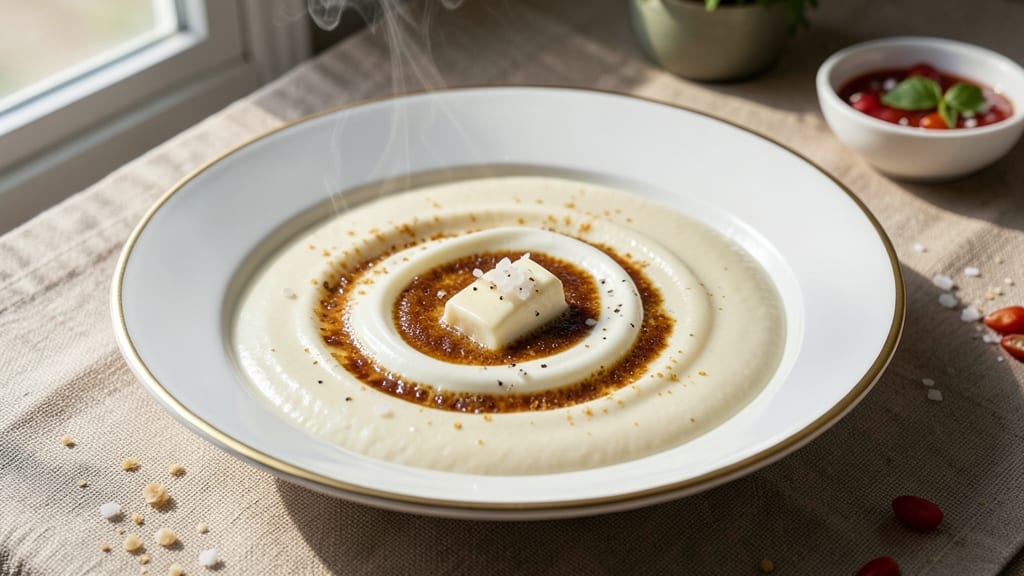
This Argo cornstarch white sauce delivers velvety smoothness without a single clump, transforming simple ingredients into a versatile foundation for pasta, seafood, or casseroles. The secret lies in a precise cornstarch slurry technique that creates a silky texture while maintaining the sauce's natural flavor.
Professional chefs rely on this method to achieve restaurant-quality results at home—no fancy equipment required.
The beauty of this recipe is its simplicity: just milk, butter, and Argo cornstarch combine to create a foolproof white sauce that thickens perfectly every time. Unlike flour-based roux, cornstarch delivers instant thickening without altering the sauce's delicate flavor profile.
With just 15 minutes of active time and 5 basic ingredients, you'll have a smooth, creamy sauce ready to elevate any dish.
What sets this sauce apart is its versatility—use it as a creamy pasta sauce, a rich seafood accompaniment, or a velvety topping for casseroles. The sauce holds its texture even when reheated, making it ideal for meal prep.
Store leftovers in the refrigerator for up to 5 days or freeze for longer storage, ensuring you always have a smooth, clump-free sauce on hand.
For extra depth, customize with garlic powder, black pepper, or a pinch of nutmeg. The possibilities are endless, but the foundation remains the same: a foolproof, velvety white sauce that delivers professional results with minimal effort. Let's get started on creating your perfect sauce.
Ingredients for argo cornstarch white sauce
Five essential ingredients transform into a silky white sauce with restaurant-quality texture.
| Ingredient | Amount | Notes |
|---|---|---|
| Argo Cornstarch 🌾 | 2 tbsp | High-quality for smooth texture |
| Unsalted Butter 🧈 | ½ cup | Cold, cubed for even melting |
| Whole Milk 🥛 | 2 cups | Room temperature preferred |
| Diamond Crystal Kosher Salt 🧂 | ½ tsp | Adjust to taste after cooking |
| White Pepper 🌶️ | ¼ tsp | Freshly ground for subtle flavor |
| Garlic Powder 🧄 | ¼ tsp | Optional for depth of flavor |
| Nutmeg 🌿 | ⅛ tsp | Freshly grated for aroma |
The foundation starts with Argo cornstarch, renowned for its fine grind and superior thickening power. Purchase it in the baking aisle of Whole Foods or Williams Sonoma for optimal quality—avoid generic brands that often contain anti-caking agents. Unsalted butter should have vibrant yellow color and minimal water content; Plugrá or Land O'Lakes are reliable choices. For milk, opt for whole milk at Trader Joe's—it has a richer fat content that enhances creaminess. The kosher salt should be Diamond Crystal (not Morton's), as it dissolves more cleanly and doesn't leave grainy residue. Freshly ground white pepper and nutmeg make all the difference—Penzeys bulk spices are ideal for this purpose.
No cornstarch? Arrowroot powder at equal measure works as a substitute, though it may yield slightly less gloss. Butter substitutes like vegan butter or coconut oil can be used, though the sauce will have a more neutral flavor profile. For a dairy-free version, replace milk with full-fat coconut milk—the sauce will be richer but slightly sweeter. Skim milk reduces creaminess significantly, so avoid it for optimal texture. The garlic powder and nutmeg are optional but recommended for depth; if unavailable, garlic salt at half the amount provides a similar flavor profile. Always use freshly grated nutmeg—pre-ground loses potency quickly.
This sauce thickens immediately upon cooling, so reheat gently over low heat with a splash of milk to restore its velvety consistency. Store in an airtight container in the refrigerator for up to 5 days, or freeze for 3 months in ice cube trays for portion control. For meal prep, divide into small containers—each portion reheats perfectly without clumping. The sauce's texture remains stable even after reheating, making it ideal for batch cooking. Always stir thoroughly before reheating to prevent any potential separation.
Why You'll Love This Recipe
- No-Fuss Magic: I swear by this sauce—just melt butter, whisk in cornstarch, add milk, and stir until it’s silky. Three ingredients (plus salt and pepper) and you’ve got restaurant-quality creaminess without the fuss of roux mistakes.
- Velvet Smooth Texture: That Argo cornstarch? It’s the secret weapon—no lumps, no grit, just a luscious, clingy sauce that coats everything perfectly. Honestly, I’ve tried other thickeners, but this one’s foolproof every single time.
- Weeknight to Dinner Party: Slather it on roasted chicken, drizzle over mashed potatoes, or toss with veggies—it’s my go-to for quick weeknight dinners and when I’m feeding a crowd. (Yes, even on a Tuesday night.)
- Leftover Goldmine: Make a double batch and store it for up to 5 days—it reheats like a dream and turns last night’s leftovers into something special. Between us, this is how I salvage forgettable proteins into meals that actually impress.
Step-by-step instructions for Argo cornstarch white sauce
This method delivers a flawlessly smooth sauce every time—no lumps, no guesswork.
Melt the Unsalted Butter
Place the 0.5 cup unsalted butter in a medium saucepan over medium heat. Let it melt completely, stirring occasionally with a wooden spoon. You'll know it's ready when the butter transforms from solid cubes to a smooth, liquid state with just a hint of foam on the surface.
This step is critical for building flavor. The butter should bubble gently but not brown—if it starts to turn golden, reduce the heat immediately. Keep the pan at a steady medium heat throughout the melting process to prevent scorching. The melted butter will form the rich base for your sauce.
Whisk in the Argo Cornstarch
Once the butter is fully melted, reduce the heat to low and immediately sprinkle the 2 tbsp Argo Cornstarch over the surface. Let it sit for 10 seconds to absorb some of the butter's fat before whisking vigorously for 1-2 minutes until completely dissolved.
This creates a smooth slurry that will thicken the sauce evenly. If you whisk too quickly, you risk creating small lumps. Work patiently—you should see the mixture transform from grainy to uniformly smooth. The cornstarch should disappear entirely, leaving a pale, creamy paste.
Gradually Add the Whole Milk
Slowly pour in the 2 cups whole milk while whisking constantly. Add it in a thin, steady stream—about ¼ cup at a time—to prevent clumping. Continue whisking for 2-3 minutes until the mixture begins to thicken noticeably.
This gradual addition is the secret to a velvety texture. If you add the milk too quickly, you'll create small lumps that are nearly impossible to eliminate later. The sauce should start to coat the back of your spoon and hold its shape when you lift it.
Simmer Until Thickened
Increase the heat to medium-low and let the sauce simmer gently for 5-7 minutes, stirring frequently with a wooden spoon. The sauce is ready when it reaches a thick, creamy consistency—it should coat the back of a spoon and leave a clear trail when you run your finger through it.
Watch for the sauce to thicken gradually rather than all at once. If it becomes too thick too quickly, you can thin it slightly by adding 1-2 tablespoons of milk at a time. The ideal texture should be smooth, glossy, and just thick enough to cling to proteins like chicken or fish.
Season and Finish
Remove the sauce from heat and stir in the 0.5 tsp Diamond Crystal Kosher Salt, 0.25 tsp white pepper, 0.25 tsp garlic powder, and 0.125 tsp nutmeg. Taste and adjust the seasoning as needed—this is where you refine the flavor to your preference.
The nutmeg adds a subtle warmth, while the garlic powder and white pepper provide depth. If you find the sauce needs more salt, add it gradually—you can always adjust later, but you can't remove excess salt. Let the sauce rest for 2-3 minutes before serving to allow the flavors to meld completely.
Pro Tips For Making Argo Cornstarch White Sauce
- Whisk Like You Mean It: Argo cornstarch clumps like a jealous ex if you’re half-hearted. Use a proper whisk—not a fork—and move it in fast, figure-eight motions while pouring in the milk. If you’re lazy about this, you’ll end up with a sauce that looks like it was blended with a blender.
- Butter First, Always: Melt the unsalted butter fully before adding milk—no half-measures. Cold butter lumps create a sauce that fights you the whole time, and you’ll end up with a grainy texture. I learned this after making a batch that tasted like it was rolled in flour.
- Low and Slow Wins: Once the milk hits the pot, drop the heat to medium-low and stir constantly. Rushing it with high heat turns your smooth sauce into a gluey mess. Think "gentle simmer," not "boiling frenzy."
- Salt the Milk First: Add half the kosher salt to the milk before heating—it dissolves better and seasons the sauce evenly. Skipping this means you’ll either missalt the final dish or end up with a bland sauce. (Yes, even if you’re impatient like me.)
Common mistakes when making perfect results
Overheating the Sauce
Watch the heat like a hawk—this sauce is delicate! Once the milk is added, keep the temperature at medium-low heat to prevent curdling. I’ve seen home cooks accidentally crank the heat too high, causing the sauce to split or develop a grainy texture.
If you notice small lumps forming, immediately remove the pan from heat and whisk vigorously while adding 1 tablespoon cold milk at a time. The sauce should never boil, as this breaks the emulsion and ruins the silky texture. 🌡️
Adding Cornstarch Too Quickly
Many people rush this step by dumping the 2 tbsp Argo cornstarch all at once, which creates stubborn lumps. Instead, sprinkle it gradually over the melted butter while whisking constantly. Let it sit for 10 seconds between additions to absorb the butter’s fat before whisking again.
If lumps form, strain the sauce through a fine-mesh sieve to achieve that perfect, velvety finish. Trust me, patience here makes all the difference!
Skipping the Slurry Step
Some recipes call for mixing cornstarch with cold liquid first to create a slurry, but this method works just as well without it. However, if you prefer a slurry, whisk the 2 tbsp cornstarch with 2 tbsp cold milk before adding it to the butter.
This pre-mixed approach reduces the risk of clumping, especially if you’re new to cornstarch thickening. The key is consistency—whether you use a slurry or not, whisking must be thorough and steady. 💡
Using Low-Quality Cornstarch
Not all cornstarch is created equal! Generic brands or those with anti-caking agents can leave a gritty texture in your sauce. Stick with Argo cornstarch—it’s finely ground and dissolves smoothly.
If you’re in a pinch, arrowroot powder works as a substitute, but it may yield a slightly less glossy finish. Avoid instant potato flakes or modified cornstarch blends, as they can alter the sauce’s delicate balance. Quality matters here!
Ignoring the Resting Time
After seasoning, let the sauce rest for 2-3 minutes before serving. This allows the flavors to meld and the texture to stabilize. I’ve seen people serve it immediately, only to find it separates or tastes flat.
The resting time also gives the cornstarch time to fully hydrate, ensuring a smooth, cohesive finish. If you’re in a hurry, at least let it sit for 1 minute—it makes a world of difference! ✨
Nutrition facts
Frequently asked questions
Can I use this white sauce for seafood dishes?
This creamy sauce pairs perfectly with seafood like salmon, shrimp, or scallops. The subtle garlic powder and nutmeg complement delicate fish flavors beautifully. For extra richness, stir in 1 tablespoon of lemon juice before serving to balance the creaminess. Always heat the sauce gently over low heat when adding to cooked seafood to prevent curdling.
What's the best way to store leftovers?
Transfer cooled sauce to an airtight container and refrigerate for up to 5 days. For longer storage, freeze in 1-cup portions for 3 months. To reheat, warm over low heat with 1 tablespoon of milk per cup to restore smoothness. Never microwave directly from frozen—thaw overnight in the fridge first to prevent texture breakdown.
Why did my sauce get grainy?
Graininess usually means the cornstarch didn't dissolve properly or the sauce overheated. Fix it by whisking vigorously while adding 1 tablespoon cold milk at a time. For stubborn lumps, strain through a fine-mesh sieve. To prevent this, always whisk constantly when adding milk and keep heat at medium-low—never let it boil.
Can I make this sauce dairy-free?
Yes! Replace the butter with ½ cup coconut oil and use 2 cups full-fat coconut milk instead of dairy milk. The texture will be slightly richer but still velvety. For extra flavor, add ½ teaspoon vanilla extract to complement the coconut. The sauce works beautifully over roasted vegetables or as a creamy pasta alternative.
How can I adjust the thickness?
For a thicker sauce, simmer 2-3 minutes longer> or add ½ teaspoon more cornstarch> mixed with 1 tablespoon milk. To thin, whisk in 1 tablespoon milk> at a time. The ideal consistency coats the back of a spoon but remains pourable. For serving over pasta, aim for a slightly thinner texture that clings to noodles without pooling.