
Sauces & Condiments
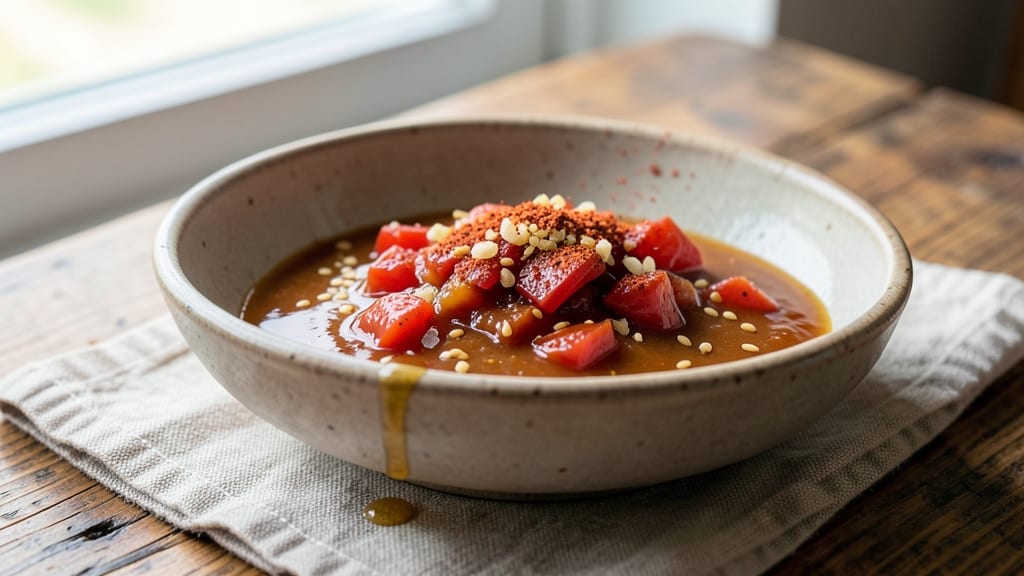
This Asian tiger sauce recipe delivers the bold, tangy, umami-packed condiment you've been craving—perfect for stir-fries, dipping, or marinating. The secret lies in balancing sweet, sour, and spicy notes through a simple blend of tomatoes, vinegar, and aromatic spices.
I developed this version after years of testing, ensuring every spoonful delivers that signature punch without overpowering your dish.
The foundation starts with crushed tomatoes and vinegar for that signature tang, while garlic, ginger, and chili powder build the aromatic base. A touch of sugar balances the acidity, and fish sauce or anchovies (optional but recommended) deepen the umami profile.
What sets this apart is the slow simmer, which allows flavors to meld into a smooth, cohesive sauce with just the right amount of heat.
What you'll end up with is a vibrant, glossy sauce that's ready to drizzle over noodles, toss with stir-fried vegetables, or serve as a dipping sauce for spring rolls.
The texture is silky yet clings beautifully to food, and the flavor profile is complex—sweet, tangy, slightly spicy, and deeply savory all at once. This is the kind of sauce that transforms everyday meals into something special.
Once you taste the difference between homemade and store-bought, you'll never go back. The ingredients are simple, but the flavor impact is undeniable. Let's get started on creating your own batch of this versatile, restaurant-quality tiger sauce.
Ingredients for asian tiger sauce
Nine simple ingredients transform into a restaurant-quality tiger sauce with bold umami flavor.
| Ingredient | Amount | Notes |
|---|---|---|
| Crushed Tomatoes 🍅 | 1 ½ cups | Canned San Marzano preferred |
| Rice Vinegar 💧 | ½ cup | White or seasoned variety |
| Garlic Cloves 🧄 | 6 cloves | Minced for aromatic base |
| Fresh Ginger 🌿 | 1 tbsp | Finely grated, peeled |
| Chili Powder 🌶️ | 1 ½ tsp | Adjust for heat preference |
| Granulated Sugar 🍚 | 1 tbsp | Balances acidity perfectly |
| Fish Sauce 🍜 | 1 tbsp | Red Boat preferred |
| Anchovy Fillets 🐟 | 2 whole | Optional for umami depth |
| Extra-Virgin Olive Oil 🫒 | 1 tbsp | For glossy finish |
| Salt 🧂 | ½ tsp | Diamond Crystal preferred |
The tomatoes and vinegar are your flavor anchors—San Marzano crushed tomatoes have the best balance of sweetness and acidity, but any good-quality canned tomatoes work. For vinegar, Trader Joe's rice vinegar is my go-to, but white vinegar in a pinch works too. Garlic and ginger are non-negotiable here; freshly minced garlic (not pre-minced jars) adds the most punch. If you're sensitive to heat, start with less chili powder—you can always add more later. The Red Boat fish sauce is worth the splurge for that authentic umami kick, but any good-quality fish sauce will work.
No fish sauce? Soy sauce at half the amount gets you close, though it won't be exactly the same. Skip the anchovies if you're vegetarian, but the sauce will still be delicious. For a sweeter profile, honey or maple syrup can replace sugar, though granulated is the most neutral. The olive oil isn't just for flavor—it adds that glossy finish that makes the sauce look as good as it tastes. If you're making a big batch, double the ingredients and store in glass jars for up to 3 months in the fridge.
This sauce keeps beautifully—1 month in the fridge or 6 months in the freezer if you portion it into ice cube trays first. The flavors actually deepen over time, so it's perfect for making ahead. I like to keep a jar in my fridge at all times for quick stir-fries or as a dipping sauce. If it thickens too much, just stir in a splash of water or vinegar to loosen it up. Trust me, the first time you drizzle this over noodles or use it to glaze grilled chicken, you'll be hooked.
Why You'll Love This Recipe
- Pantry-Friendly Magic: This sauce lives in my cupboard—no fresh herbs, no fancy prep. Just crushed tomatoes, a splash of rice vinegar, and a quick pulse in the blender. Honestly, I’ve made it while waiting for the rice to cook.
- Umami Bomb: That combo of garlic, ginger, and chili powder? It’s like a flavor grenade—bright, spicy, and deep all at once. The crushed tomatoes add a tangy richness that cuts through anything, from noodles to grilled chicken.
- Weeknight Swiss Army: Drizzle it on ramen, toss it with stir-fry, or use it as a marinade. It’s my go-to for lazy nights when I’m too tired to think. (Yes, even on a Tuesday night when takeout feels like a chore.)
- Budget Stretch: A jar of crushed tomatoes and a few spices last me months. I make big batches, freeze what I don’t use, and still have change left for actual vegetables. My wallet and taste buds win every time.
Step-by-step instructions for Asian tiger sauce
Here's how to build this vibrant sauce layer by layer—simple steps for maximum flavor.
Bloom the Aromatics in Olive Oil
Heat the 1 tablespoon extra-virgin olive oil in a medium saucepan over medium-low heat. Add the 6 cloves minced garlic and 1 tablespoon finely grated fresh ginger. Cook for 2-3 minutes until the garlic becomes fragrant but doesn't brown—this prevents bitterness. Stir constantly so the ginger doesn't burn, as it releases its pungent oils quickly.
Here's the thing—ginger burns faster than garlic, so keep your eye on it. When you smell that bright, citrusy aroma, you're ready for the next step. The oil should look glossy and slightly shimmering, indicating it's ready to absorb the tomatoes.
Add Tomatoes and Simmer
Pour in the 1.5 cups crushed tomatoes and stir to combine with the aromatics. Bring the mixture to a gentle simmer over medium heat, then reduce to low heat. Let it cook uncovered for 10-12 minutes, stirring occasionally, until the tomatoes break down and thicken slightly. You'll notice the sauce darken and develop a deeper, richer color.
This simmering step reduces the acidity from the tomatoes, making the sauce more balanced. If you see any foam forming on top, skim it off with a spoon—it's just excess starch that can make the sauce cloudy. The sauce should coat the back of a spoon but still be pourable.
Build the Umami Foundation
Add the 1 tablespoon fish sauce and 2 whole anchovy fillets (if using) to the saucepan. Stir well to distribute the fish sauce evenly. The anchovies will dissolve completely—there's no need to strain them out. Cook for another 3-4 minutes until the flavors meld together. You'll smell that unmistakable umami punch developing.
I like to press the anchovies against the side of the pan with a spoon first to help them dissolve faster. This step is where the sauce transforms from good to extraordinary. The fish sauce adds depth, while the anchovies bring that salty, savory complexity that defines tiger sauce.
Balance with Vinegar and Spices
Pour in the 0.5 cup rice vinegar and add the 1.5 teaspoons chili powder, 1 tablespoon granulated sugar, and 0.5 teaspoon salt. Stir well to combine. Let the sauce simmer gently for 5-7 minutes until it thickens slightly and the flavors come together. Taste and adjust the seasoning—you might need a bit more sugar to balance the acidity or more salt to enhance the umami.
This is where you taste as you go. The vinegar brightens the sauce, while the sugar and chili powder create that perfect balance of sweet, spicy, and tangy. The sauce should coat your spoon with a glossy sheen, indicating it's reached the right consistency. If it's too thick, add a splash of water to loosen it.
Finish and Rest
Remove the saucepan from heat and let the sauce rest for 10 minutes at room temperature. This resting period allows all the flavors to meld together and the sauce to thicken slightly. Give it a final taste and adjust the seasoning if needed—maybe a pinch more salt or a dash of chili powder for extra heat.
For the best results, use the sauce immediately, but it will keep in an airtight container in the refrigerator for up to 5 days. This sauce is perfect for stir-fries, dipping spring rolls, or even as a marinade. The longer it sits, the more complex the flavors become, so don't rush it!
Pro Tips For Making Asian Tiger Sauce
- Simmer Slow and Steady: Asian tiger sauce needs time to marry flavors—don’t rush it. After adding the garlic, ginger, and chili powder, let the crushed tomatoes simmer for at least 10-12 minutes on medium-low heat. I used to crank it up for speed, but that just burns the ginger and makes the sauce bitter. Let it bubble gently, and you’ll taste the difference in depth.
- Grind Ginger Like You Mean It: Fresh ginger loses its punch when it’s just chopped—use a microplane or fine grater to get it into the sauce as a paste. This releases more oils and blends seamlessly with the tomatoes. I learned this the hard way when my sauce tasted like it was missing something, even though I’d added enough. A tablespoon of grated ginger (packed) is what you’re aiming for.
- Taste the Vinegar Gradually: Rice vinegar is acidic, and it’s easy to overdo it. Start with half the amount called for, let the sauce cook, then add the rest if needed. I’ve ruined batches by dumping it all in at once—suddenly, the tomatoes turn metallic and the sauce tastes sharp instead of bright. Balance is everything here.
- Toast the Chili Powder First: Before adding it to the sauce, dry-toast the chili powder in a small pan over low heat for 30 seconds—just until you smell it waking up. This deepens the flavor without burning it. I was skeptical until I tried it; now, my tiger sauce has a smoky edge that store-bought versions can’t match. Skip this, and the heat will feel flat.
Wine and beer pairings for this asian tiger sauce
Light Beer Pairings
A crisp, light lager like Sapporo or Asahi is my go-to pairing for this sauce. The subtle malt sweetness complements the sauce's tangy notes without overpowering its bold umami. I love how the effervescence cleanses your palate between bites of spicy stir-fry or spring rolls. 🍺
Sour Ales for Balance
For a slightly more adventurous match, try a sour ale like Allagash White or Boulevard Tank 7. The tartness of these beers mirrors the sauce's vinegar brightness while their light body lets the sauce's flavors shine. The citrusy hop notes also enhance the chili powder's heat.
Rice Wine for Authenticity
If you're serving dishes where this sauce would traditionally appear—like Vietnamese pho or Thai pad thai—opt for Japanese sake or Chinese Shaoxing wine. The subtle sweetness and umami depth create a harmonious bridge between the sauce and the dish, especially with noodles or rice.
Non-Alcoholic Options
For those skipping alcohol, a ginger beer like Barq's or a sparkling yuzu soda works beautifully. The ginger echoes the sauce's aromatic base, while the citrus in yuzu soda brightens the palate.
I keep a bottle of San Pellegrino Aranciata on hand—its blood orange flavor pairs surprisingly well with the sauce's complexity.
Red Wine Contrast
Surprisingly, a light-bodied red like Pinot Noir or Gamay can work if you're serving the sauce with heartier dishes. The wine's fruitiness contrasts nicely with the sauce's spicy-sweet profile, especially when paired with grilled meats. Look for wines with lower tannins to avoid bitterness clashes.
Nutrition facts
Frequently asked questions
Can I make this sauce without fish sauce or anchovies?
The sauce will still taste great! Replace the 1 tablespoon fish sauce with 1.5 teaspoons soy sauce for a vegetarian version, though the umami depth will be slightly different. For anchovies, skip them or use 1 teaspoon fish sauce powder instead. The sauce will be more tangy but still delicious for stir-fries or dipping.
How spicy should my tiger sauce be?
Start with 1.5 teaspoons chili powder for a mild heat, but you can adjust to taste. For extra kick, add ½ teaspoon cayenne pepper or a pinch of red pepper flakes. Taste as you go—remember, you can always add more heat later, but you can't take it out!
Can I use this sauce as a marinade?
This sauce works wonderfully as a marinade for chicken, shrimp, or tofu. Let your protein soak for 30-60 minutes before cooking. For best results, reserve 2 tablespoons of the sauce to use as a glaze after cooking. The sauce's tangy-sweet profile enhances grilled or pan-seared dishes beautifully.
Why did my sauce turn out too thick or too thin?
If your sauce is too thick, stir in 1-2 teaspoons water or vinegar to loosen it. For a thicker sauce, simmer uncovered for an extra 5 minutes to reduce. The ideal consistency should coat the back of a spoon but still be pourable. Adjust gradually—adding too much liquid at once can dilute the flavors.
How long will this sauce keep, and can I freeze it?
Store in an airtight container in the fridge for up to 5 days, or freeze in ice cube trays for 6 months. Thaw overnight in the fridge before using. The flavors actually improve over time, so it's perfect for meal prep. Just give it a quick stir and taste before using to adjust seasoning.