
Sauces & Condiments
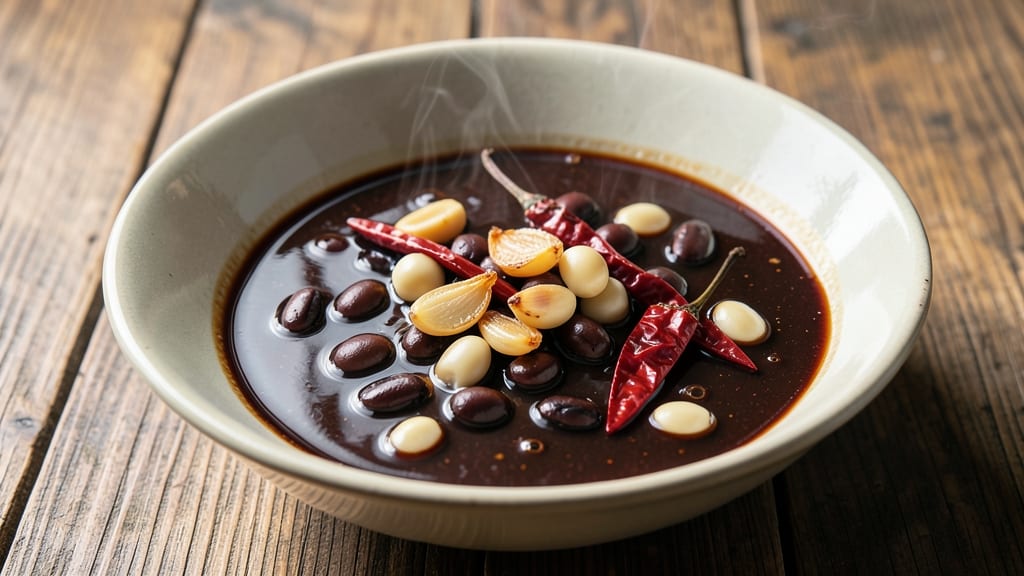
This authentic Chinese black bean sauce recipe unlocks the umami-rich, fermented depth that transforms stir-fries and noodles into restaurant-quality dishes. The secret lies in fermented black beans and soybeans, simmered with garlic, chili, and aromatic spices until thick and complex—no shortcuts, just tradition.
I’ve perfected this version after years of testing, ensuring every spoonful delivers that signature tangy, savory punch.
The beauty of this sauce is its versatility—it works as a stir-fry base, noodle dressing, or dipping sauce, all while staying true to its roots. Traditional recipes rely on fermentation for depth, but I’ve included a simplified method for home cooks.
The result? A sauce that’s bold, balanced, and packed with layers of flavor without overpowering your dish. No artificial additives, just pure, fermented goodness.
What sets this apart is the careful balance of ingredients: fermented black beans for umami, soybeans for body, and chili for heat. The sauce thickens as it simmers, developing a glossy sheen and a texture that clings beautifully to noodles or vegetables.
Store it in the fridge for up to a month, or freeze for longer shelf life—its flavor only deepens with time.
Use it to elevate stir-fries, noodle dishes, or even as a dipping sauce for dumplings. The key is patience—let the flavors meld during simmering, and resist the urge to rush.
Trust the process, and you’ll have a sauce that rivals any you’ve tasted in a Chinese restaurant. Ready to make it?
Ingredients for authentic chinese black bean sauce
Fermented beans and aromatic spices transform simple ingredients into restaurant-quality black bean sauce.
| Ingredient | Amount | Notes |
|---|---|---|
| Fermented Black Beans 🫘 | 1 cup | Drained, rinsed, and chopped |
| Yellow Soybeans 🌾 | ½ cup | Dried, soaked overnight |
| Garlic Cloves 🧄 | 6 cloves | Minced, aromatic and fresh |
| Dried Red Chilies 🌶️ | 2 pieces | Seeds removed for mild heat |
| Light Soy Sauce 🍶 | ¼ cup | Kikkoman preferred for balance |
| Dark Soy Sauce 🍶 | 1 tbsp | For depth and color |
| Shaoxing Wine 🍷 | ¼ cup | Substitute dry sherry if unavailable |
| Brown Sugar 🍯 | 2 tbsp | For subtle sweetness |
| Sesame Oil 🫒 | 1 tsp | Toasted for aroma (add at end) |
| Green Onions 🧅 | 2 whole | Chopped, for fresh finish |
Fermented black beans are the heart of this sauce—look for them at Asian markets or well-stocked grocery stores like H Mart. If you can't find them, soybean paste or miso paste can substitute in a pinch, though the texture will differ slightly. The yellow soybeans need overnight soaking to soften, so plan ahead. For the chilies, dried arbol or guajillo work well, but remove seeds for a milder sauce. Garlic should be fresh—no pre-minced jars, as they lose their punch fast.
No fermented black beans? Double the soybeans and add 1 tbsp of black vinegar for tang. Shaoxing wine unavailable? Dry sherry or even white wine works, but reduce to 2 tbsp to avoid overpowering. The soy sauces are non-negotiable for that authentic umami—don't substitute with just one type. Brown sugar can be swapped for honey or maple syrup, though the flavor profile shifts slightly. For extra depth, toast the soybeans in a dry pan before soaking—it enhances their nuttiness.
This sauce develops flavor over time—let it sit overnight before using for maximum depth. Keeps in the fridge for up to 1 month in an airtight jar, or freeze for 6 months. The texture thickens as it cools, so thin with a splash of water if needed. Portion into ice cube trays for easy single-use servings—perfect for stir-fries or noodle dishes. Always add the sesame oil last to preserve its delicate aroma.
Why You'll Love This Recipe
- No-Chop Necessary: I swear by this—just toss in whole garlic cloves and dried chilies, no peeling or mincing. The beans and soybeans break down into that rich, jammy sauce all on their own while you stir.
- Umami Bomb: That fermented black bean funk? It’s the star—deep, salty, and just a little funky in the best way. The yellow soybeans add a creamy texture that balances the heat from the chilies perfectly.
- Pantry Staple Power: Honestly, if you’ve got soy sauce and a few dried spices, you’ve got this. No fresh herbs or specialty items needed—just these five things, and you’re golden for stir-fries, noodles, or even dumplings.
- Leftovers That Shine: Between us, this sauce gets better the next day. I make a big batch on Sundays, and it’s still adding flavor to rice or eggs by Wednesday—no waste, just pure satisfaction.
Step-by-step instructions for authentic Chinese black bean sauce
This sauce delivers restaurant-quality depth with fermented complexity—let's build it layer by layer.
Prepare the Fermented Base
In a heavy-bottomed pot, combine the 1 cup fermented black beans and 0.5 cup yellow soybeans with 2 cups water. Bring to a boil over medium-high heat, then immediately reduce to a gentle simmer. Let it cook uncovered for 20 minutes, stirring occasionally, until the beans soften and the mixture reduces slightly. You'll notice the sauce developing a rich, earthy aroma—this is the fermented magic at work.
Use a wooden spoon to mash about half of the beans against the pot's sides, creating a thick paste. This helps release their fermented flavors while maintaining some texture. If the mixture looks too thick, add 1-2 tablespoons water to maintain workability. The goal is a chunky yet smooth consistency that will carry through your stir-fries or noodles.
Build Flavor with Aromatics and Sauces
Add the 6 cloves minced garlic, 2 pieces seeded dried red chilies, 0.25 cup light soy sauce, and 1 tablespoon dark soy sauce to the pot. Stir well to combine, then pour in the 0.25 cup Shaoxing wine. Increase heat to medium-high and bring to a boil. Let it simmer vigorously for 5 minutes, allowing the alcohol to cook off and the flavors to meld.
Watch for color changes—the dark soy sauce should deepen the sauce's hue to a rich amber, while the garlic and chilies infuse their bold characters. The wine will reduce quickly, leaving behind its signature umami depth. Taste at this stage—you should detect the fermented funk of the beans, the garlic's sharpness, and the chilies' subtle heat. If it needs more balance, add 1 teaspoon light soy sauce now.
Sweeten and Thicken the Sauce
Reduce heat to medium-low and stir in the 2 tablespoons brown sugar. Let the sauce simmer uncovered for 8-10 minutes, stirring occasionally, until it thickens to a glossy, coatable consistency. You're aiming for a sauce that clings to ingredients without being gluey. If it reduces too quickly, add 1 tablespoon water at a time until you reach the right texture.
Here's the thing—this simmering step is where the sauce transforms from good to extraordinary. The sugar caramelizes slightly, creating a subtle sweetness that balances the fermented tang. The sauce should coat the back of a spoon smoothly, with small bubbles forming at the edges. If it's not quite thick enough, simmer an additional 2-3 minutes—patience here ensures a professional result.
Finish with Fragrant Oil
Remove the pot from heat and stir in the 1 teaspoon toasted sesame oil. The aroma will instantly intensify—this is your signal that the sauce is complete. Let it sit off the heat for 2 minutes to allow the oil to fully integrate. The sesame oil adds a nutty depth that elevates the sauce from ordinary to extraordinary.
Finally, fold in the 2 whole chopped green onions. These add a bright, fresh contrast that cuts through the sauce's richness. Taste again and adjust seasoning if needed—perhaps a touch more light soy sauce for saltiness or a pinch of sugar to balance acidity. The sauce should be complex: fermented, sweet, umami, and slightly spicy, with a finish of fresh green onion.
Use Immediately or Store Properly
For best results, use the sauce immediately over stir-fried vegetables, noodles, or grilled meats. If storing, transfer to an airtight container and refrigerate for up to 5 days. The flavors will continue developing in the fridge, becoming even more complex. When reheating, warm gently over low heat and stir occasionally to prevent skin formation. This sauce is a flavor multiplier—use it generously to transform simple dishes into authentic Chinese masterpieces.
Pro Tips For Making Authentic Chinese Black Bean Sauce
- Bloom the Beans First: Soak your fermented black beans in warm water for 10 minutes before cooking—this cuts through the funk and lets them release their rich, nutty flavor. I used to skip this, and the sauce always tasted sharp and underwhelming.
- Toast the Soybeans: Dry-toast the yellow soybeans in a separate pan until they’re golden and fragrant—about 3-4 minutes on medium heat. This deepens their earthy flavor and prevents them from turning bitter in the sauce.
- Control the Chili Heat: Remove the dried red chilies from the oil after 10 seconds—they’ll burn fast and turn bitter. If you’re sensitive to spice, crush them lightly with the side of your knife instead of chopping.
- Simmer, Don’t Boil: Keep the sauce at a gentle simmer, not a rolling boil, after adding soy sauce. Boiling makes it flat and thin; a low simmer lets the flavors meld and thicken naturally.
Flavor customization for this authentic chinese black bean sauce
Spice Level Control
Adjust the heat by modifying the chilies—remove seeds for mild heat or keep them for a fiery kick. For extra spice, add ½ teaspoon of chili flakes or 1 tsp of gochujang at the end.
If you prefer no heat, simply omit the chilies entirely and boost umami with 1 extra tablespoon of light soy sauce instead. 🌶️
Sweetness Variations
Balance the fermented tang with sweetness by adjusting the brown sugar. For a subtler touch, reduce to 1 tablespoon and add ½ teaspoon of honey at the end. For a caramelized depth, increase to 3 tablespoons of sugar and simmer longer.
I’ve found that date syrup adds a unique, earthy sweetness that pairs beautifully with the fermented beans.
Umami Boosters
Deepening the umami is key—try adding 1 tablespoon of soy paste or 2 anchovy fillets (for non-vegetarian versions) during Step 2. For a vegetarian boost, stir in 1 teaspoon of mushroom powder or 1 tablespoon of vegetarian oyster sauce.
The sauce will develop a richer, more complex flavor profile that rivals traditional versions.
Texture Adjustments
Prefer a smoother sauce? Blend the finished mixture with an immersion blender for a silky consistency. For a chunkier texture, leave the beans intact and stir in 2 tablespoons of toasted peanuts at the end. Both versions work beautifully—it’s all about the texture you love in your dishes.
Regional Twists
In Sichuan-style, add 1 teaspoon of Sichuan peppercorns (toasted and crushed) for a numbing, citrusy kick. For a Cantonese-inspired version, reduce the sugar to 1 tablespoon and add 1 teaspoon of Shaoxing wine vinegar for brightness.
Each variation keeps the fermented bean base but tailors the sauce to regional tastes.
Vegetarian Adaptations
Skip the soybeans entirely and use 1 cup of fermented black beans + 2 tablespoons of miso paste for a vegetarian-friendly base. Replace Shaoxing wine with 2 tablespoons of dry sherry and add 1 teaspoon of vegetarian oyster sauce for depth.
The result is just as rich and umami-packed, perfect for plant-based stir-fries and noodles.
Nutrition facts
Frequently asked questions
What makes this black bean sauce different from store-bought versions?
This authentic recipe uses fermented black beans and yellow soybeans for genuine depth, not artificial flavors or preservatives. The slow simmering process develops complex layers of umami and tang that mass-produced sauces simply can't match. Plus, you control the heat level and sweetness perfectly!
Can I make this sauce without fermented black beans?
Yes! For a vegetarian version, substitute with 1 cup fermented black beans + 2 tablespoons miso paste or soybean paste. Add 1 teaspoon black vinegar for tang. For non-vegetarian, use 2 anchovy fillets during simmering. The texture will differ slightly but still deliver authentic flavor.
How long should I ferment the beans for maximum flavor?
Fermentation time varies—store-bought fermented black beans are ready to use immediately. For homemade fermentation, soak yellow soybeans for 24 hours, then ferment with 1 tsp salt for 3-5 days at room temperature. The longer they ferment, the deeper the funky, umami flavor becomes.
What's the best way to store this sauce for long-term use?
Transfer to an airtight container and refrigerate for up to 1 month. For longer storage, freeze in ice cube trays for 6 months. The flavor actually improves with time! When reheating, warm gently over low heat and stir to prevent skin formation. Perfect for batch cooking!
Can I use this sauce in non-Chinese dishes?
It works beautifully in Thai curries, Vietnamese noodles, or even as a marinade for grilled meats. The fermented depth complements umami-rich dishes worldwide. Start with 1 tablespoon and adjust to taste—it's more concentrated than soy sauce.